Orangutan sanctuaries that we do & do not support

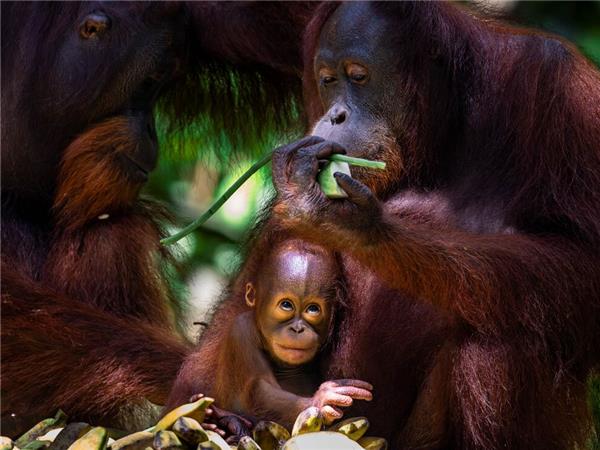
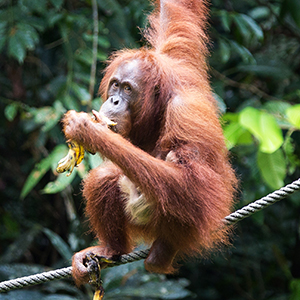
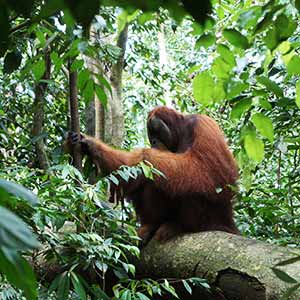
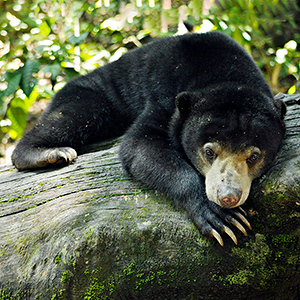
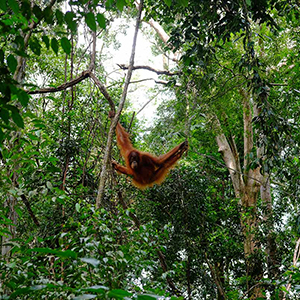
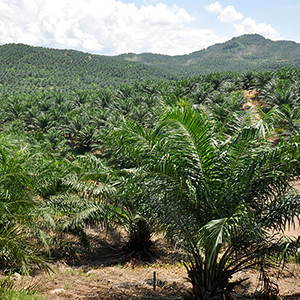
Orangutans are critically endangered in the wild, threatened by poaching for the bushmeat or pet trades, and deforestation, which is often driven by the palm oil industry. There are several orangutan sanctuaries across Indonesia and Malaysia that rescue and rehabilitate injured or orphaned orangutans, and where possible release them into the wild. In many cases they accept visitors, and some have facilities to let you stay overnight. Others have volunteer programs. Sanctuaries frequently look after other species too, such as sun bears, which face similar threats to orangutans.

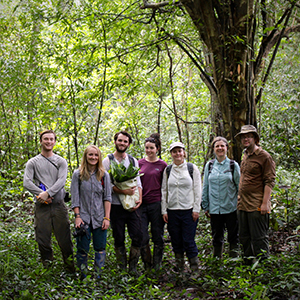
Responsible tourism can play an important and substantial role in saving endangered species, and the degraded habitats they depend on. Whether through education, gathering donations or providing employment for local people, giving them a stake in protecting wildlife, tourism can be a force for good in conservation.

In creating this list of orangutan sanctuaries that we do and do not support, we’ve spoken to a number of conservation organisations. They suggest that every visitor should familiarise themselves with the International Union for the Conservation of Nature (IUCN) guidelines for great ape tourism. These guidelines recommend that apes should only be visited by small groups, for a maximum of one hour. That visitors should have no direct contact with orangutans to prevent the spread of transmissible diseases and should get no closer than seven metres while wearing surgical masks, or ten metres without. And that if you’re feeling ill, you should not visit an orangutan sanctuary, end of story.

Not all the sanctuaries on this page abide by these guidelines. However, we feel that where tourism supports education and conservation initiatives then it should be encouraged. We would advise anyone planning to visit an orangutan sanctuary to do so responsibly – which means, most especially, not getting close to the animals, and not having any direct physical contact with them.
**Please note this page will be updated whenever we receive new information.
Please feel free to email rosy@responsibletravel.com with your opinion or enquiry.**

Orangutan sanctuaries & projects which we do support

Malaysia

Sepilok Orangutan Rehabilitation Centre

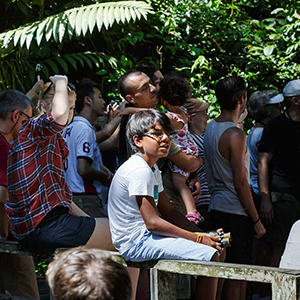
We recommend Sepilok with the caveat that it is an often-overcrowded attraction that allows visitors to get too close to the orangutans. The centre provides medical care for orphaned and confiscated orangutans as well as many other animal species. Visitors move along walkways in the forest, watching around 70 apes swinging in the trees. The orangutans are fed a monotonous diet by the centre, which encourages them to forage for themselves. Visit, donate, but keep your distance from the orangutans.

Kinabatangan Wildlife Sanctuary

This vast protected area in Malaysian Borneo is an incredibly important haven of biodiversity. As well as orangutans it is home to ten species of primate as well as freshwater sharks and crocodiles in the river, pygmy elephants, clouded leopards and sun bears. The best way to explore Kinabatangan is undoubtedly a river cruise – perfectly tranquil, but you’ll still catch your breath when you catch sight of movement on the banks.

Matang Wildlife Centre

This sanctuary, just 40-minutes’ drive from Kuching in Sarawak, has a number of orangutans that have often been saved from the pet trade. They are taught forestry survival skills before being released into the wild.

Rainforest Discovery Centre

Close to the Sepilok Rehabilitation Centre, this picturesque nature park is not a sanctuary, but during the summer fruit season you can often see orangutans in the trees from the 360m walkway. It is also an excellent place for birdwatching and viewing all kinds of rainforest wildlife. Well worth a visit.

Semenggoh Nature Reserve

The semi-wild orangutans of this nature reserve have been trained by the caretakers to swing down from the trees and take fruit from the hands of visitors. This, it hopefully goes without saying, is not safe for visitor or ape, and is an unnatural practice we would suggest avoiding. We do still recommend Semenggoh however, as it rehabilitates injured and orphaned orangutans, releasing them into the wild. The surrounding forest does not offer enough food for them to survive, which is why they are still fed after release.

Orangutan Island

Set within the Bukit Merah Laketown Resort, close to Ipoh, Orangutan Island is both a sanctuary and educational facility. While we're not convinced that a tourist resort is the right location for such a place, reviews do seem to suggest that conservation is the focus here rather than entertainment, and that it is visitors whose freedom to roam is restricted, rather than the apes, which are free to forage as they please.

Indonesia

Camp Leakey Orangutan Rehabilitation Centre

Located within Tanjung Puting National Park, in central Borneo, Camp Leakey began life as a handful of huts, growing to become a prestigious research facility. Visitors are asked to come with the correct park permits, to keep their distance from the wildlife, and not to interfere with research projects.

Lamandau River Wildlife Reserve

Created from two former logging concessions, this reserve is home to some 500-odd rescued and rehabilitated orangutans as well as many other critically endangered species. It is not open to the public but does accept donations.

Nyaru Menteng Orangutan Rescue Centre

An excellent rehabilitation and education facility in central Kalimantan, but it must be stressed that visitors are not allowed anywhere near the orangutans (which is how a sanctuary should operate in an ideal world).

Samboja Lestari

Like Nyaru Menteng, this superb sanctuary is owned and operated by the Bornean Orangutan Survival (BOS) Foundation, which has purchased and replanted land to create ‘forest schools’ and ‘orangutan islands’. These are manmade islands of grass, trees and shrubs where apes that cannot return to the wild can enjoy a sense of freedom. The orangutans won’t leave as they can’t swim. Visitors can either volunteer or stay overnight in the onsite ecotourism lodge. The sanctuary is also home to sun bears, often rescued from the tourist or pet trade. A place you should visit if you’re in the area.

Orangutan Haven

Near Medan, in Sumatra, this new Indonesia orangutan sanctuary accommodates apes that cannot be released back into the wild. It also serves as an educational facility, welcoming children from local schools to see the orangutans on their ‘islands’ and, hopefully, inspiring new generations of Indonesian conservationists.

SOCP Quarantine Centre

Not open to the public, this wonderful place is the first staging post for many orphaned orangutans as they make their way back into the wild. For some, the socialisation process is the first time they will have met another orangutan. The centre was built and is staffed by local people and receives fresh fruit and vegetables from nearby farms.

Cikananga Wildlife Rescue Center

This centre rescues, rehabilitates and releases a range of Indonesian wildlife, including orangutans, as well as helping authorities combat wildlife crime, and reduce human-animal conflicts. It is not open to the public, but visits can sometimes be arranged with prior agreement, and there is a volunteer programme open to anyone.

Bukit Lawang / Gunung Leuser National Park

Not a sanctuary, but worth including here as one of the best places to see orangutans in the wild. Jungle trekking here often results in sightings of orangutans that have been released into the forest. However, you should only ever explore with a responsible guide. Never feed the orangutans either, never get near them (for both of your safety!) and never touch them. This guide explains how to trek responsibly in Bukit Lawang.

Contact Us

Responsible Travel, Travel Team

Call us for a chat about our holidays. We are happy to discuss your holiday and help in any way we can. No bots, queues or awful hold music.

Responsible Travel, Travel Team

Orangutan sanctuaries which we do NOT support

Indonesia

Lok Kawi Wildlife Park

This park in Sabah, actually a zoo, has orangutans as well as a number of other endangered species including Sumatran rhinoceros, Malayan tigers and Bornean Pygmy elephants. Elephant rides are offered too, sadly. Learn why we don’t sell any holidays that feature zoos.
Written by Rob Perkins
Photo credits: [Page banner: DUPAN PANDU] [Intro: Chris Charles]