Best time to visit the Polar Regions

The Antarctic expedition season is short but the Arctic season is even more fleeting - thanks to the extreme latitudes reached on a cruise.![]()

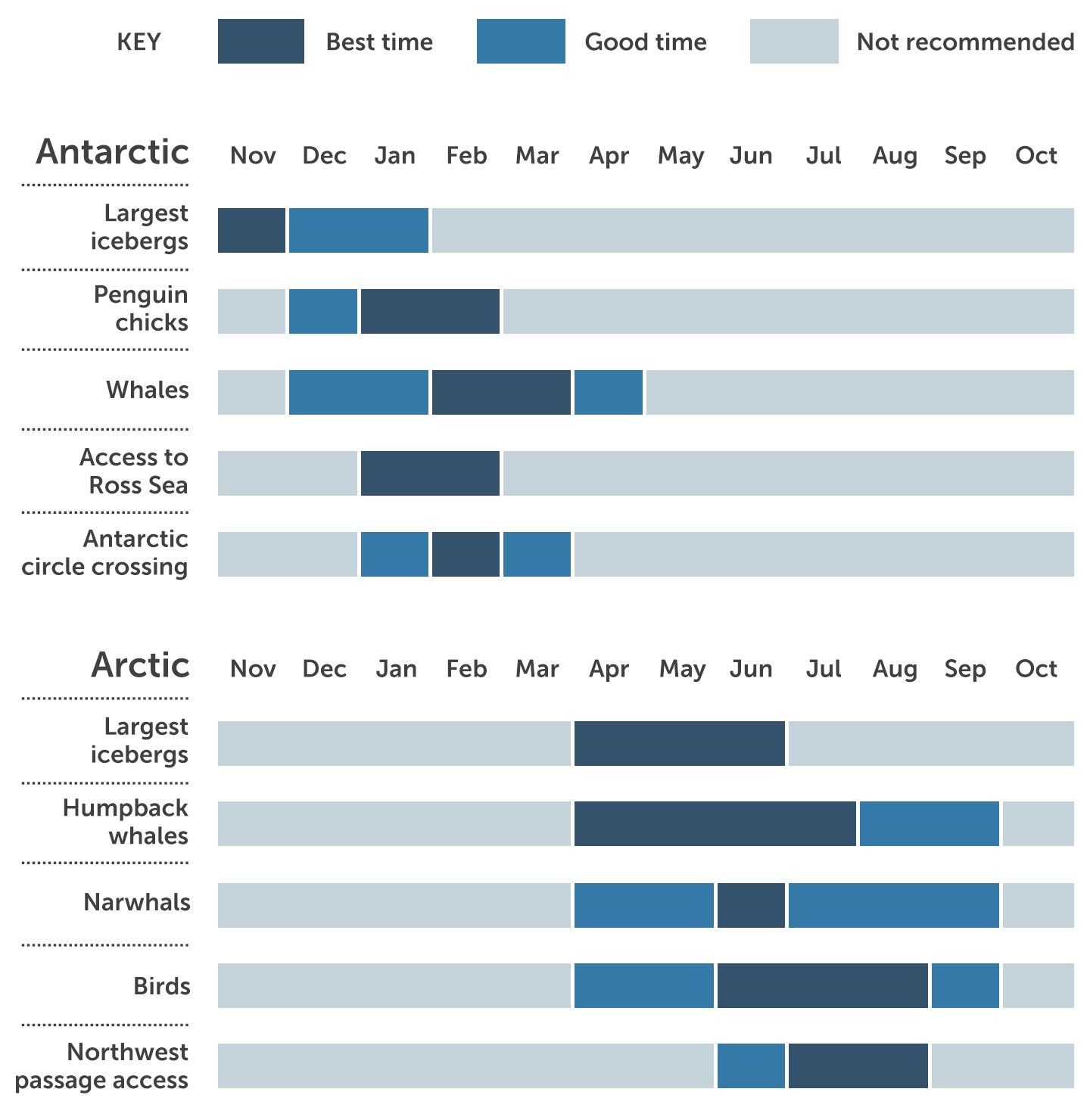
The Arctic can be visited from May-Sep, when the pack ice has receded enough to allow ships to pass. The earlier you travel, the more pristine it will be – though Jul-Aug are the most popular months, with warmer temperatures, long days and better accessibility. Autumn arrives by September – as do the Northern Lights. In the Antarctic, cruises take place from Nov-Mar, with late Dec- Jan offering a balance of attractions: temperatures above freezing, longer days, penguin chicks and seal pups. Whales are best seen here in Feb-Mar – when you’ll also catch the polar sunsets.

The Polar regions, month by month
Antarctica
Arctic
When to go to the Polar regions
Mary Curry, from our holiday specialist Adventure Life, shares her best times to visit the Polar Regions: “In the Arctic, the narwhal move in June, but if you want to do the Northwest Passage, you have to go in August because that’s when things are going to be the most free of ice. So if you want a bit of a mix – you want to see some ice and but you want to get pretty good access and good wildlife viewing – July’s a good time.
“In Antarctica, if you want to see penguins busy nesting, and elephant seals breeding, you want to go in November. That’s also the best time to see the ice really pristine. If your goal is to get really far south, then you need to go in the height of the season – January-February. And March is really the best time to see whales. So many people go in January and February as they’re trying to balance all these factors – but if someone has one particular priority it’s going to really lean towards one part of the season.”
“In Antarctica, if you want to see penguins busy nesting, and elephant seals breeding, you want to go in November. That’s also the best time to see the ice really pristine. If your goal is to get really far south, then you need to go in the height of the season – January-February. And March is really the best time to see whales. So many people go in January and February as they’re trying to balance all these factors – but if someone has one particular priority it’s going to really lean towards one part of the season.”
Journey to the Antarctic circle holiday
Antarctic cruise with only 80 passengers and all exterior cabins
From
£9581 to £11215
14 days
ex flights
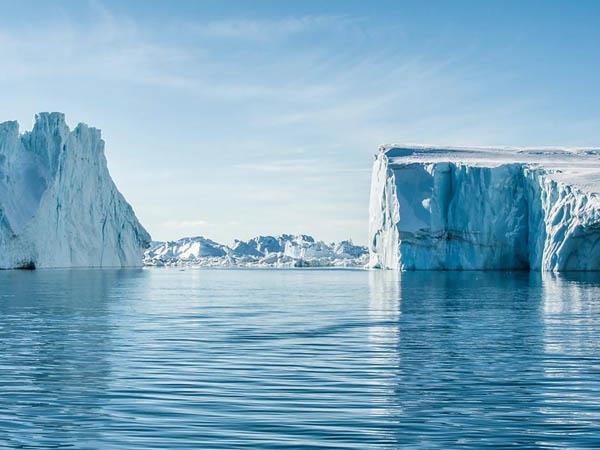
Canada to Greenland cruise, Northwest passage
Traverse the legendary Northwest Passage in optimum comfort
From
£19395 to £19445
16 days
ex flights
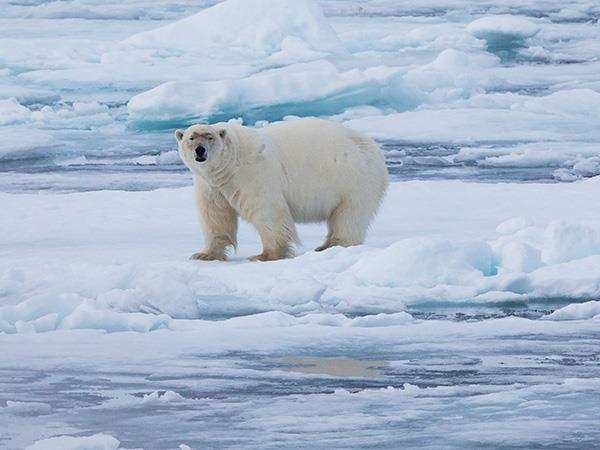
Highlights of Spitsbergen holiday
Dramatic landscapes & remarkable wildlife take centre stage
From
£4199 to £4399
8 days
ex flights
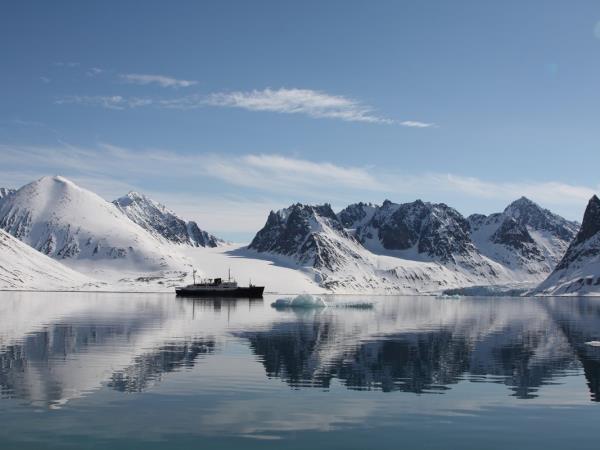
Spitsbergen cruise, 6 days
A 6 day 'taster voyage' to explore Spitsbergen's highlights
From
£1926
6 days
ex flights
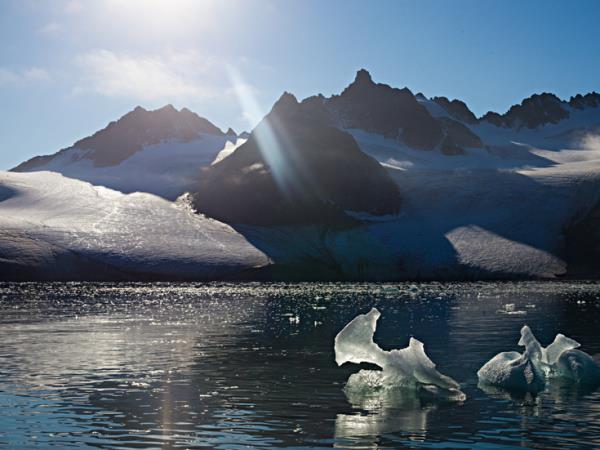
Arctic icebreaker cruise, Spitsbergen
Wildlife-focused, expert-led small ship Arctic cruises
From
£3690 to £14445
8 days
ex flights
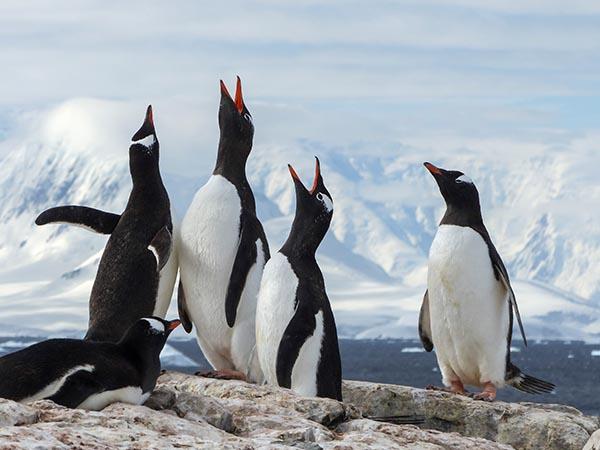
Classic Antarctica cruise & South Shetland Islands
Adventure through Antarctica’s breathtaking frozen realm
From
£6799 to £8899
11 days
ex flights


Contact Us

Call us for a chat about our holidays. We are happy to discuss your holiday and help in any way we can. No bots, queues or awful hold music.

01273 823 700
Call us after 10am
Calling from outside the UK


Natural events in the Polar regions
Canada's caribou migration
In one of nature’s greatest yet least known migrations, Canada’s caribou travel over 2,000km each year. In late May and June you’ll see them travelling north; in autumn, once the snow begins to fall, they’ll head back down south again.
Elephant seal breeding season
For a somewhat noisier wildlife spectacle, head to Antarctica early in the season to spot huge bull elephant seals barking, braying and battling it out on the ice during breeding season. South Georgia and the Falkland Islands are hotspots – as is Macquarie Island, south of New Zealand.
More Polar regions articles
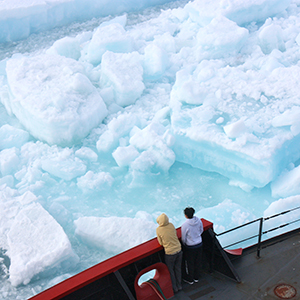
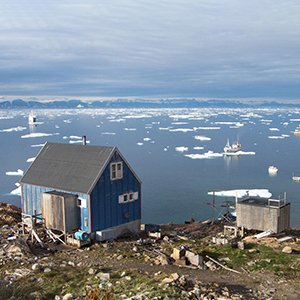
These wild, snow-clad lands may appear similar, but look closer and there are big differences.
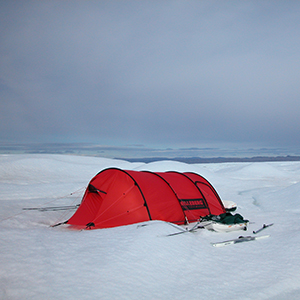
There are many things fun activities to try on the ice away from the mother ship.
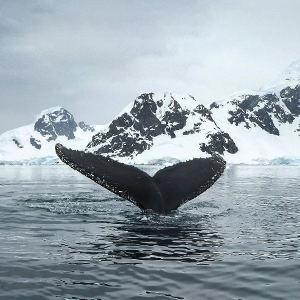
The wildlife in Antarctica and the Arctic is very different, though seals and whales are found at both.
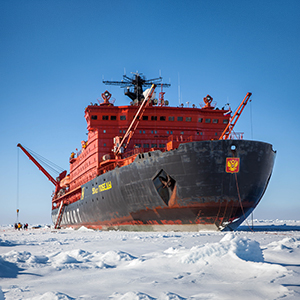
You can’t reach the North Pole on a cruise without breaking the ice along the way.
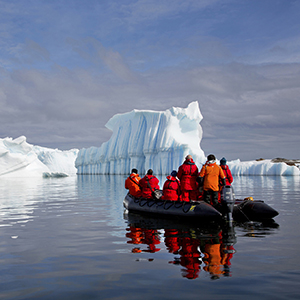
We've asked our polar experts to share some of their priceless travel advice.
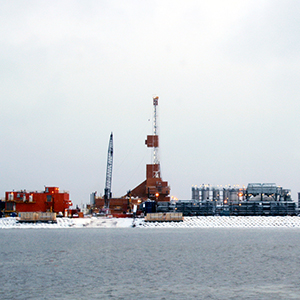
Find out more about these fragile frozen places, their culture and their wildlife.
Got questions need answering? Find all of our useful Antarctica and Arctic guides in one place.