Arctic culture
Discover warm hospitality in cold climes: and it all starts with a knife.
An ulu is a knife. Its distinctive, semi-circular blade and comfortable handle are designed for long work, like butchering, skinning, depilating and stretching hide – all parts of processing an animal carcass. Ulus are commonly women’s tools, sometimes passed mother to daughter through generations. Some are elaborately decorated, others are workaday. One, in a London museum, has a blade made from a tin can likely salvaged from the Franklin expedition. The dozens of examples in Nuuk’s National Museum of Greenland range from iron, antler and bone. The design is thousands of years old, yet endures. I even have one in my kitchen.
Why start with a knife? Arctic culture – our northernmost culture – has long been associated with the edge. Arctic cultures have been on the cutting edge of world developments: they are affected by the industrialising inroads into the Arctic from shipping, mining and windfarms – and the tumult caused by climate change.
The knife is a central part of cultures where farming is impossible: hunting. In Nunavut on our Northwest Passage cruises, you’ll see polar bear skins stretched out to dry; on expeditions in Greenland, your guides will be keen hunters. Knives are central to European Sámi reindeer herders’ work – used to castrate reindeer, and notch identifying patterns in their ears.
Lastly, the graceful shape of the ulu finds its way into cultural expression. Arctic communities’ artistic outputs can be an important source of income where other sources are gone; Nunavut has Canada’s highest proportions of artists. On our Arctic culture holidays you can buy art and craftwork: soapstone carvings in Canada, feltwork in Finland, direct from makers. Technology means that the Arctic’s modern art can also come to us. I’ve visited the touring immersive audiovisual installation Takkuuk, which shares stories of Indigenous life and climate change with soundtrack made in collaboration between electronic artists and contemporary Indigenous vocalists. In the film, the trees are red – a colour that feels urgent and vibrant. Modern Indigenous movements are making Arctic culture central to discussions again – no longer on the edge.
An ulu is a knife. Its distinctive, semi-circular blade and comfortable handle are designed for long work, like butchering, skinning, depilating and stretching hide – all parts of processing an animal carcass. Ulus are commonly women’s tools, sometimes passed mother to daughter through generations. Some are elaborately decorated, others are workaday. One, in a London museum, has a blade made from a tin can likely salvaged from the Franklin expedition. The dozens of examples in Nuuk’s National Museum of Greenland range from iron, antler and bone. The design is thousands of years old, yet endures. I even have one in my kitchen.
Why start with a knife? Arctic culture – our northernmost culture – has long been associated with the edge. Arctic cultures have been on the cutting edge of world developments: they are affected by the industrialising inroads into the Arctic from shipping, mining and windfarms – and the tumult caused by climate change.
The knife is a central part of cultures where farming is impossible: hunting. In Nunavut on our Northwest Passage cruises, you’ll see polar bear skins stretched out to dry; on expeditions in Greenland, your guides will be keen hunters. Knives are central to European Sámi reindeer herders’ work – used to castrate reindeer, and notch identifying patterns in their ears.
Lastly, the graceful shape of the ulu finds its way into cultural expression. Arctic communities’ artistic outputs can be an important source of income where other sources are gone; Nunavut has Canada’s highest proportions of artists. On our Arctic culture holidays you can buy art and craftwork: soapstone carvings in Canada, feltwork in Finland, direct from makers. Technology means that the Arctic’s modern art can also come to us. I’ve visited the touring immersive audiovisual installation Takkuuk, which shares stories of Indigenous life and climate change with soundtrack made in collaboration between electronic artists and contemporary Indigenous vocalists. In the film, the trees are red – a colour that feels urgent and vibrant. Modern Indigenous movements are making Arctic culture central to discussions again – no longer on the edge.

No other living culture has maintained such a continuous and consistent way of life for such a long period of time over such a large territory.![]()

What is Arctic culture today?
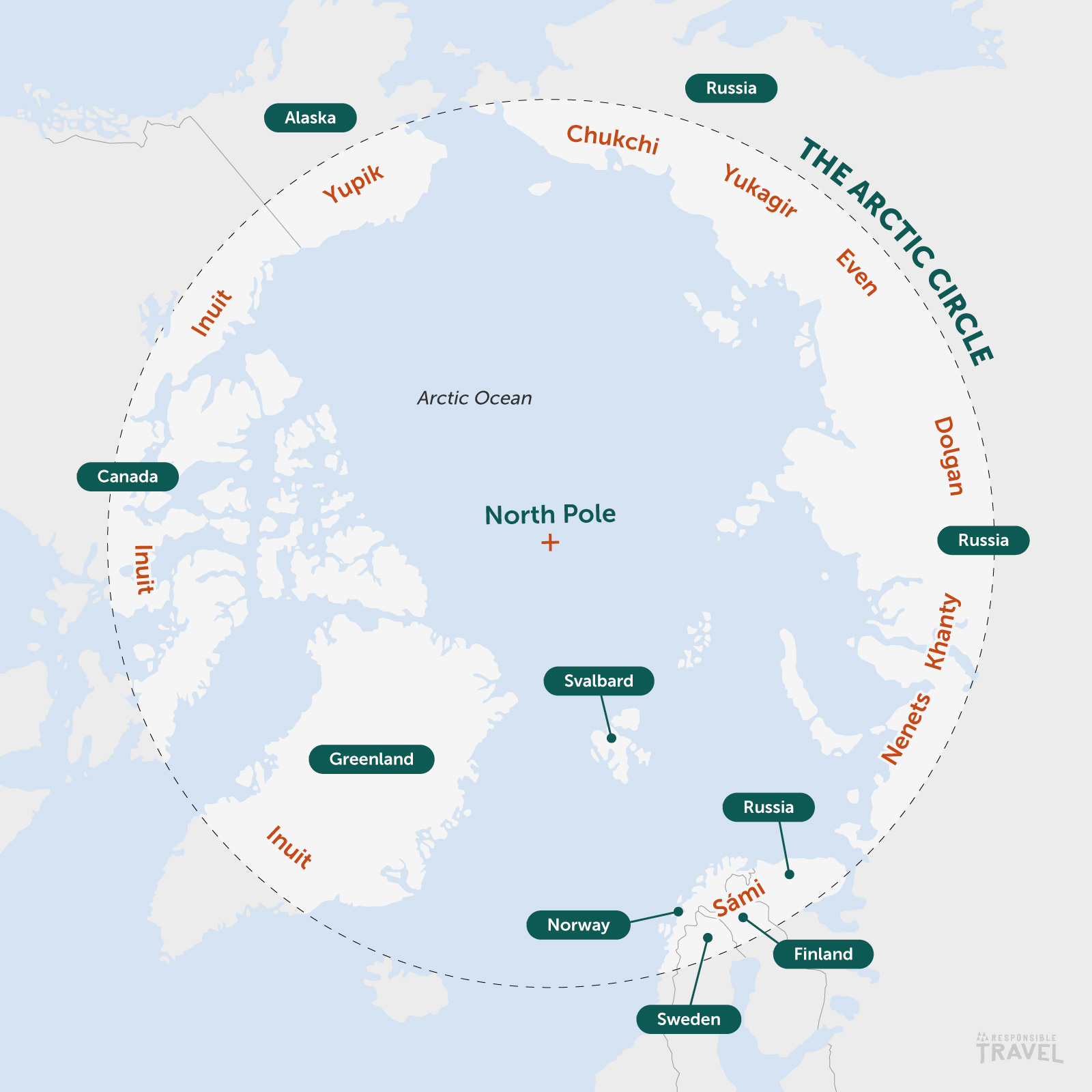
Four million people live in the Arctic, across parts of northern Russia, America (Alaska), Canada, Finland, Norway, Sweden and Iceland. There are 40 Indigenous groups in the Arctic, comprising around ten percent of Arctic peoples. The Sámi people, who live in the northern parts of Norway, Sweden, Finland and Russia are Europe’s only Indigenous community recognised by the United Nations, whilst Canada’s Inuit Nunangat is the traditional and current home of the Inuit, and is spread over four regions of Northern Canada.
These Arctic cultures: their food, their entertainment, their practices of hunting and herding, are often longstanding, and perfectly honed to suit what others might see as a difficult environment. Aside from knives, objects that reflect this culture include the skilful use of furs and skins to create waterproof, warm clothing, and bone-built sleds bound with sinew. But a stable environment the Arctic is not.
Whilst other parts of the world will become uninhabitable due to climate change, the Arctic will become more temperate – but much of Arctic culture will be lost in the process. Lots, from reindeer herding in Europe to sledding over the ice to hunt in North America – already has been.
“Those were the days”: so reads an information board in the Nattinak visitor centre in Pond Inlet on Baffin Island. For travellers, Arctic culture is often experienced through museums and visitor centres, because many practices have stopped. Oppressive colonial actions, like displacement, re-education and encroachment have made traditional subsistence hunting lifestyles almost impossible.
Yet parts have endured. “It is true to say that no other living culture has maintained such a continuous and consistent way of life for such a long period of time over such a large territory.” Reads the Indigenous Peoples Atlas of Canada. “In our culture we do not divide the past from the present, so we do not like to use terms such as ‘prehistory.’ Our history is simply our history, and our oral histories stretch back to time immemorial.”
These Arctic cultures: their food, their entertainment, their practices of hunting and herding, are often longstanding, and perfectly honed to suit what others might see as a difficult environment. Aside from knives, objects that reflect this culture include the skilful use of furs and skins to create waterproof, warm clothing, and bone-built sleds bound with sinew. But a stable environment the Arctic is not.
Whilst other parts of the world will become uninhabitable due to climate change, the Arctic will become more temperate – but much of Arctic culture will be lost in the process. Lots, from reindeer herding in Europe to sledding over the ice to hunt in North America – already has been.
“Those were the days”: so reads an information board in the Nattinak visitor centre in Pond Inlet on Baffin Island. For travellers, Arctic culture is often experienced through museums and visitor centres, because many practices have stopped. Oppressive colonial actions, like displacement, re-education and encroachment have made traditional subsistence hunting lifestyles almost impossible.
Yet parts have endured. “It is true to say that no other living culture has maintained such a continuous and consistent way of life for such a long period of time over such a large territory.” Reads the Indigenous Peoples Atlas of Canada. “In our culture we do not divide the past from the present, so we do not like to use terms such as ‘prehistory.’ Our history is simply our history, and our oral histories stretch back to time immemorial.”
Experiencing Arctic culture on our holidays
Experiencing Arctic culture is central to many of our holidays in the region. Tourism can provide important income to Indigenous communities, and Indigenous communities can also help support tourism. In remote parts of the world we are more dependent on each other. Our partners buy into this spirit – many use their neighbours for supplies, for guiding and for traveller experiences. “We are at the mercy of local people and the local communities when off the beaten track in Canada,” notes our wildlife parter, Royle Safaris, who take travellers into Manitoba for polar bear watching. “It is crucial we make sure that we have a great relationship between our clients, guides, suppliers and the local communities.”
Read our round-up of great cultural experiences in the Arctic.
Read our round-up of great cultural experiences in the Arctic.
Arctic icebreaker cruise, Spitsbergen
Wildlife-focused, expert-led small ship Arctic cruises
From
£3690 to £14445
8 days
ex flights
Canada to Greenland cruise, Northwest passage
Traverse the legendary Northwest Passage in optimum comfort
From
£19395 to £19445
16 days
ex flights
Spitsbergen cruise, 6 days
A 6 day 'taster voyage' to explore Spitsbergen's highlights
From
£1926
6 days
ex flights
Highlights of Spitsbergen holiday
Dramatic landscapes & remarkable wildlife take centre stage
From
£4199 to £4399
8 days
ex flights
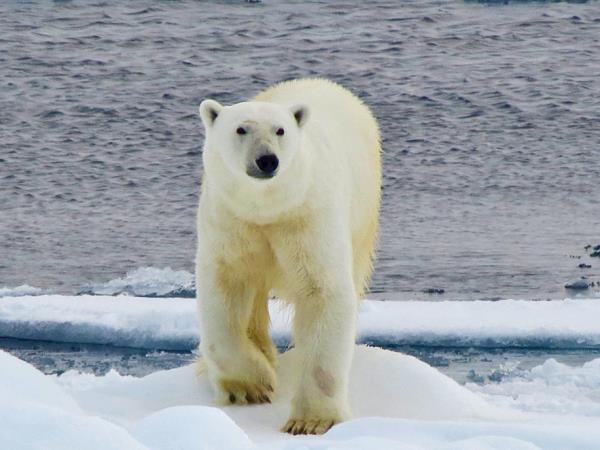
North Spitsbergen cruise, realm of the polar bear
Expert led, polar bears, whales, birdlife, photography
From
€4250
8 days
ex flights
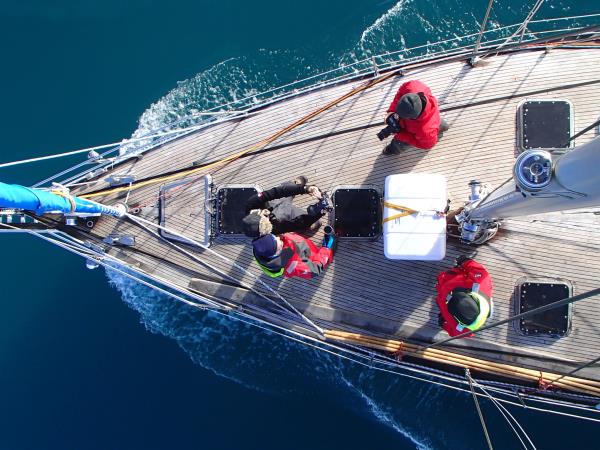
Arctic sailing safari
Navigate icy waters to spot polar bears and whales
From
€2415
7 days
ex flights


Contact Us
Call us for a chat about our holidays. We are happy to discuss your holiday and help in any way we can. No bots, queues or awful hold music.

01273 823 700
Call us until 4pm
Calling from outside the UK

Where to experience Arctic culture in Scandinavia, Greenland and Canada
Sámi culture in Swedish Lapland: reindeer races & roasted char
Have you tried suovas? It’s reindeer meat that’s been salted and cold smoked for several hours over an open fire of birch or willow in a smoking hut. Traditionally, Sámi communities use the entirety of a reindeer – from its sinews to its hooves, and a carcass can be worth over £1,000. Now reindeer herding – always dangerous, now even more expensive and difficult, is a dying art. Our holidays can visit surviving herders, including female herders, who are keeping the tradition alive.
Suovas is one Arctic delicacy to try among many. Try Arctic char fished from the lakes, and gahkku – traditional Sámi flatbread, baked flat over embers – when you’re in Swedish Lapland. Supper comes with stories when you’re hosted by the Sámi community, especially if you ask where it’s come from: “The food was locally gathered, fished, hunted or bred, usually by those cooking it for us,” says traveller Margaret Mitchell on our Northern Lights and wildlife holiday in Swedish Lapland.
Suovas is one Arctic delicacy to try among many. Try Arctic char fished from the lakes, and gahkku – traditional Sámi flatbread, baked flat over embers – when you’re in Swedish Lapland. Supper comes with stories when you’re hosted by the Sámi community, especially if you ask where it’s come from: “The food was locally gathered, fished, hunted or bred, usually by those cooking it for us,” says traveller Margaret Mitchell on our Northern Lights and wildlife holiday in Swedish Lapland.
To have been able to learn about the Sámi people and their culture was, above all, a spiritual experience in itself.![]()
You can spend time with Sweden’s Sámi population around Jokkmukk, an area with a large Sámi population. Have lunch in a lavvu, a traditional Sámi tent with a reindeer herder family, where you’ll sit on reindeer skins on the floor (the outer fur of a reindeer is hollow, and fantastic insulation).
Jokkmokk’s Winter Market has been around for 400 years and each day brings a new experience – Sámi dance and jolk (traditional music), reindeer racing, and cosy film screenings when you’re done browsing the stalls for handicrafts and food.
“To have been able to learn about the Sámi people and their culture was, above all, a spiritual experience in itself,” says traveller Adriana Saldarriaga on our northern lights and wildlife holiday “We hope that they can go on living and sharing their lives with the reindeers for many years to come.”
Jokkmokk’s Winter Market has been around for 400 years and each day brings a new experience – Sámi dance and jolk (traditional music), reindeer racing, and cosy film screenings when you’re done browsing the stalls for handicrafts and food.
“To have been able to learn about the Sámi people and their culture was, above all, a spiritual experience in itself,” says traveller Adriana Saldarriaga on our northern lights and wildlife holiday “We hope that they can go on living and sharing their lives with the reindeers for many years to come.”
Sámi culture in Finnish Lapland: late summer on Lake Inari
Siedi are sacred Sámi objects – often natural features like prominent stone formations – which were frequently used as the site of sacrifice. Ukko Island is a sacred island, a 100m long siedi in the middle of Lake Inari, which was used for Sámi sacrificial offering. In summer, when the ice is a distant memory, you can take a tour on an electric boat from the Sámi museum, Siida, on the lakeshore out to the island and back – to learn about its importance.
Hunting sacrifices might be a thing of the past, but you’ll find Sámi culture alive and well in this area of Finland. Inari town is a Sámi stronghold, home not just of the cultural museum but of the parliament, too. Come in late summer and autumn for long days on our Lapland short break. The reindeer herders might be out grazing, but berry pickers hunting the ‘gold of Finland’ – its cloudberries – are out in full force.
Hunting sacrifices might be a thing of the past, but you’ll find Sámi culture alive and well in this area of Finland. Inari town is a Sámi stronghold, home not just of the cultural museum but of the parliament, too. Come in late summer and autumn for long days on our Lapland short break. The reindeer herders might be out grazing, but berry pickers hunting the ‘gold of Finland’ – its cloudberries – are out in full force.
Culture in northern Norway: king crabs & kittiwakes
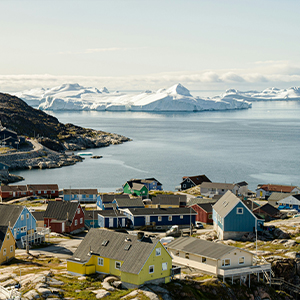
Finnmark means fishing: the northeast ports along the coast of northern Norway chart the changing fortunes of the fishing industry in Arctic waters. There are cod racks that tell of the traditional – and brutal – winter cod fishing. There are the abandoned fish factories of Vardo, Northern Norway’s easternmost city, where the fishing industry collapsed in the 2000s, leaving it with a colourful houses, boats bound by snow, and a much-diminished population. There are fishing villages where the industry has moved away, leaving their ports in quiet decline, fishermen’s houses converted to tourism cabins, and growing birdwatching tourism. Then there are places like Batsfjord and Kongfjord where king crab – an invasive species from the Pacific which arrived in Norwegian waters in the 1970s – makes a delicious catch of the day. Discover it all under the midnight sun and capture it in extraordinary light on our Arctic Norway photography holiday.
Inuit culture in Greenland: Nuuk & beyond
The best person to take you into the Greenlandic backcountry? A local guide. Ninety percent of people in Greenland identify as Greenlandic Inuit. Our partner base their Greenland overland expeditions on the wilderness area that their Aasiaat and Maniitsoq guides know best. Say ‘Takuss’ (shortened from ‘Takussaagut’ – see you later!) To Nuuk, the capital, and head out on foot. Wilderness trips give you insight into how Greenlandic hunters travel to find food. “Our guide took a rifle with him and he asked us if we objected to him hunting if we saw anything,” explains Jim Young from our partner Adventurous Ewe.
Arriving in Kapisillit – a small fishing village known for its salmon – after days of backcountry trekking, you might not be able to land a salmon, but you can learn from your guide how to catch a char with your hands, the traditional way, before getting a boat back to Nuuk.
Infrastructure is growing apace around Nuuk, and people are increasingly living in the town. “A lot of the small communities are now empty as people have engine powered boats, not canoes, so they can live in Nuuk and reach the outer areas,” says Jim. It means the town has plenty to see as it grows. Our Greenland cruises give you time exploring, and shopping for Greenlandic artwork. Make sure you especially to visit the Greenland National Museum, an impressive trove of cultural items for a town that, for all its recent growth, still only has around 20,000 inhabitants. A process of ‘utimut’ (return) saw artefacts restored here from Denmark. “It’s incredible,” says Jim, “it’s all about the life in Greenland, the history of it. I would highly recommend it – it’s a must, and quite an eye opener.” Exhibits include incredibly well-preserved 15th-century mummies, a skin boat, waterproof clothing made from seal guts, sewn together with tendons, and art and textiles.
Arriving in Kapisillit – a small fishing village known for its salmon – after days of backcountry trekking, you might not be able to land a salmon, but you can learn from your guide how to catch a char with your hands, the traditional way, before getting a boat back to Nuuk.
Infrastructure is growing apace around Nuuk, and people are increasingly living in the town. “A lot of the small communities are now empty as people have engine powered boats, not canoes, so they can live in Nuuk and reach the outer areas,” says Jim. It means the town has plenty to see as it grows. Our Greenland cruises give you time exploring, and shopping for Greenlandic artwork. Make sure you especially to visit the Greenland National Museum, an impressive trove of cultural items for a town that, for all its recent growth, still only has around 20,000 inhabitants. A process of ‘utimut’ (return) saw artefacts restored here from Denmark. “It’s incredible,” says Jim, “it’s all about the life in Greenland, the history of it. I would highly recommend it – it’s a must, and quite an eye opener.” Exhibits include incredibly well-preserved 15th-century mummies, a skin boat, waterproof clothing made from seal guts, sewn together with tendons, and art and textiles.
Culture in the High Arctic: fun, games & frozen bread
“You'll go into a modern supermarket and it's the most fascinating experience,” says James Turner at our Arctic cruise expert, Wildfoot Travel. “Everything inside is frozen. You walk around and see the traditional hunting tools for sale alongside loaves of frozen bread.”
Grocery prices are often sky-high in the high Arctic, more than twice the price in Nunavut compared to prices further south in Canada. Permafrost makes underground piping infrastructure difficult to manage, so water and sewage might be transported by truck. These are just some of the logistical challenges with living up here. On our Northwest Passage cruises you’ll learn about challenges European explorers faced navigating the northwest passage.
Yet there’s another side to the Northwest Passage. Some 53 communities live in Inuit Nunangat. As a marine people, their settlements are close to the passage. Before the Northwest Passage was eyed up for international trade, it was a migratory route for Indigenous peoples from the communities. And whilst there is hardship in the Arctic there is also fun and creativity in the young population. Baffin Island in the passage, has a strongly Indigenous population and Cape Dorset is known for its artistic community.
In these places you can discover the lighter sides of Arctic culture – like throat singing. Part breathing exercise, part entertainment, this skill was developed by women, often whilst waiting for hunting parties to return. Today it’s performed as a competition between two women, to see who can sustain the song for longest without laughing or running out of breath. Then there’s Inuit games, which help promote the athletic prowess needed for hunting from strength to endurance and – in the case of the impressive high kicks you’ll see – flexibility.
Sadly, it’s flexibility that’s needed to adapt to the modernising, industrialising and warming Arctic, but, like the perfectly formed ulu knife, some resilient customs and culture endure.
Grocery prices are often sky-high in the high Arctic, more than twice the price in Nunavut compared to prices further south in Canada. Permafrost makes underground piping infrastructure difficult to manage, so water and sewage might be transported by truck. These are just some of the logistical challenges with living up here. On our Northwest Passage cruises you’ll learn about challenges European explorers faced navigating the northwest passage.
Yet there’s another side to the Northwest Passage. Some 53 communities live in Inuit Nunangat. As a marine people, their settlements are close to the passage. Before the Northwest Passage was eyed up for international trade, it was a migratory route for Indigenous peoples from the communities. And whilst there is hardship in the Arctic there is also fun and creativity in the young population. Baffin Island in the passage, has a strongly Indigenous population and Cape Dorset is known for its artistic community.
In these places you can discover the lighter sides of Arctic culture – like throat singing. Part breathing exercise, part entertainment, this skill was developed by women, often whilst waiting for hunting parties to return. Today it’s performed as a competition between two women, to see who can sustain the song for longest without laughing or running out of breath. Then there’s Inuit games, which help promote the athletic prowess needed for hunting from strength to endurance and – in the case of the impressive high kicks you’ll see – flexibility.
Sadly, it’s flexibility that’s needed to adapt to the modernising, industrialising and warming Arctic, but, like the perfectly formed ulu knife, some resilient customs and culture endure.
More Arctic cruising articles
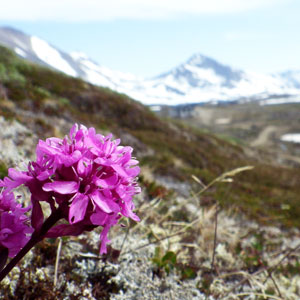
Discover why the best time to go on an Arctic cruise is during the summer months.
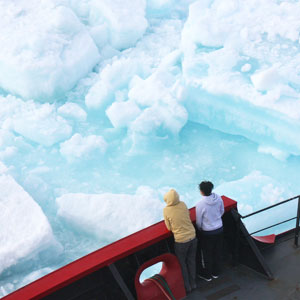
Our travel guide reveals why one of the best ways to explore this region is a small ship expedition cruise.
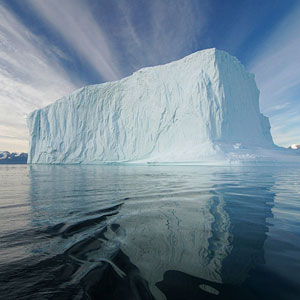
There are several Arctic cruise itineraries available, focusing on different regions, activities and wildlife.
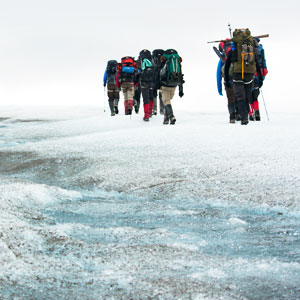
Optional activities range from nature hikes to kayaking and even the chilling ‘Polar Plunge’.
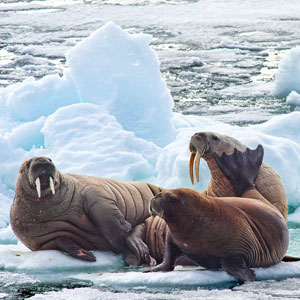
Spot polar bears, enormous walrus, fluffy Arctic foxes and several species of whales, plus birds, seals and orca.
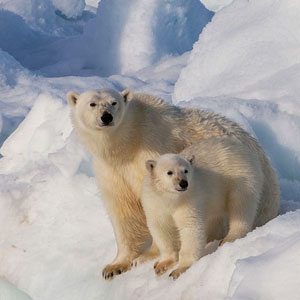
The big ticket attraction on Arctic cruises is the chance to see polar bears.
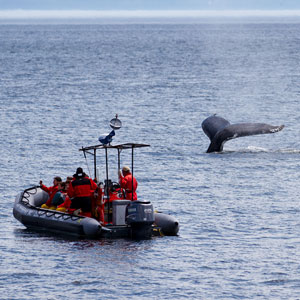
With at least 17 species seen in Arctic waters, whale watching has immense potential.
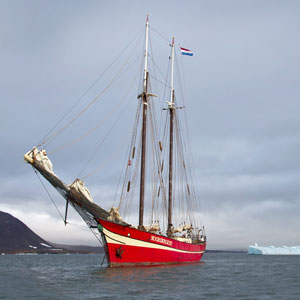
Our advice on choosing a ship helps you pick a vessel that suits your style of adventure.
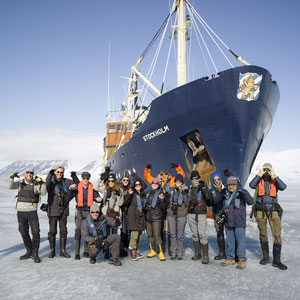
Read on to find out what life is like onboard a typical Arctic cruise.
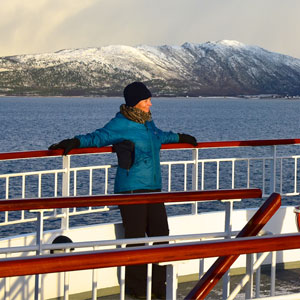
Find out what to pack to make the most of the space in your suitcase.
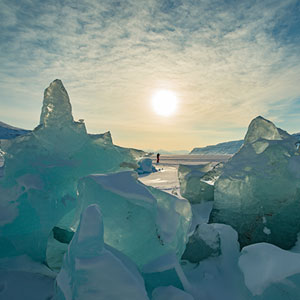
Here are some of the ways you can either cut costs or supersize your trip.
Responsible tourism in the Arctic is a thorny issue. Find out more in our guide.
Read on for the best travel advice from our holiday experts who have spent years working in the far north.



.jpg)