Flora, fauna & climate
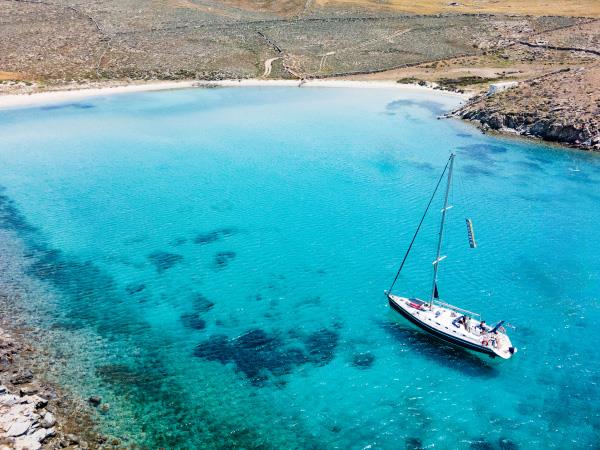
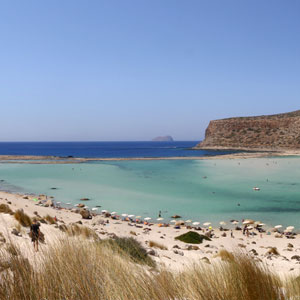
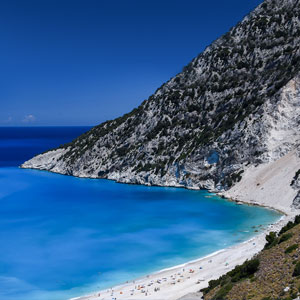
The white-gold beaches and coves of the Ionian Islands are a vital breeding site for endangered loggerhead turtles. Of course, where there are beautiful beaches, there are people, yachts and hotels that want to be on them. It wouldn’t be a problem if these people were in their dozens, but the Ionian Islands expected almost
three million tourist arrivals in 2018. And where there are tourists, then beach bars, sunloungers, hotels and ships follow.
The WWF has protected Sekania on Zante, where there can be anywhere between 500 and 1,000 nests a year in just over 500m of sand. It bought the land in 1994 and now manages it to exacting conservational standards, allowing only scientific researchers close. However, external environmental threats are often out of conservationists’ control.
In recent years, wildfires in Greece have proved to be catastrophic to fauna and flora, but also people. Sekania Beach on Zante was razed by a fire; WWF volunteers helped fight the flames and manage the erosion caused by vegetation loss. Villages on Evia Island were
evacuated in 2019, as they had four wildfires in the first six months of the year. Over on the mainland, a wildfire
killed over 100 people in Mati outside of Athens.
People (arson, discarded cigarettes and barbecues) are a major cause of wildfires in Greece. But climate change and the subsequently hotter summers make things
dramatically worse. Increasingly dry weather,
island water shortages and sea winds make wildfires more likely to spread out of control very quickly.
Donkey ridesGreece doesn’t have major problems with working animals in tourism, but on some islands the use of donkeys for tourist rides has been highlighted as something to approach with caution. The island of Santorini has introduced new guidance around this, saying that riders should not exceed about 20% of an animal’s body weight.
While these are hardy, load-bearing animals, repeatedly carrying heavy tourists up steep slopes in hot weather can be exhausting and potentially dangerous to their health. We’d recommend walking, or taking other transport such as cable cars, where possible.