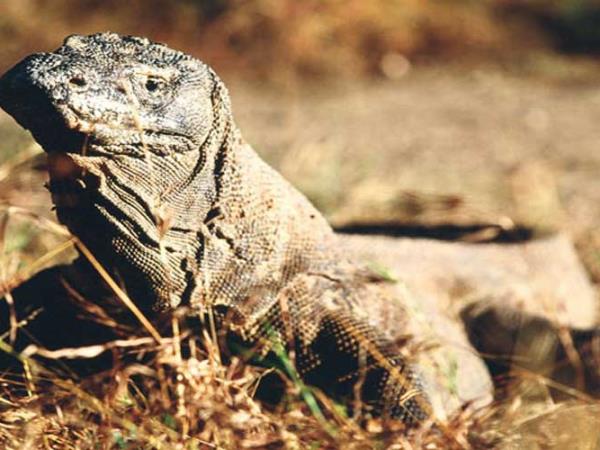
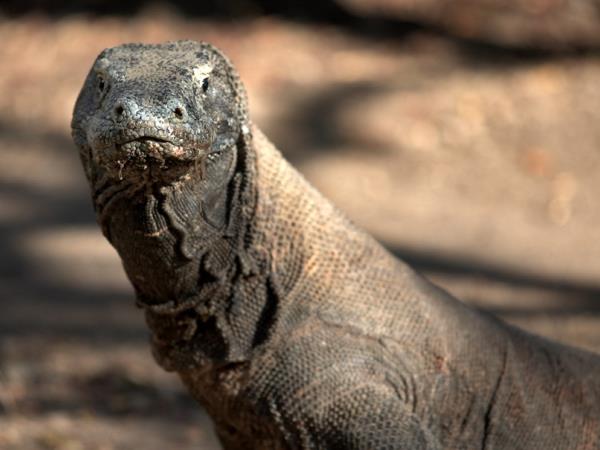
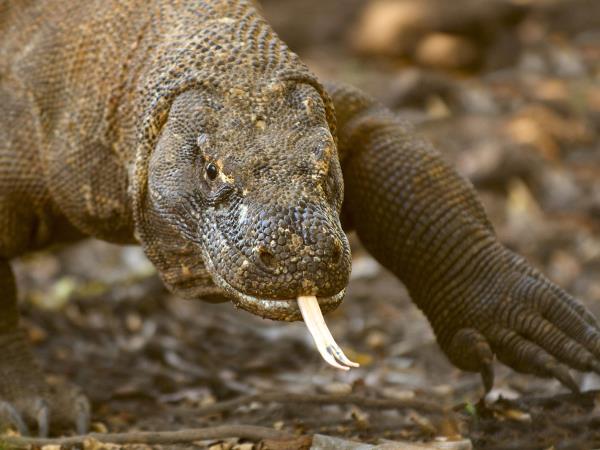
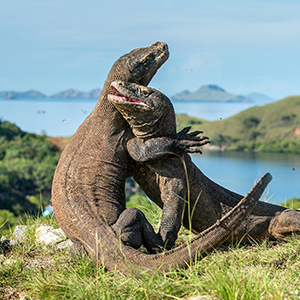
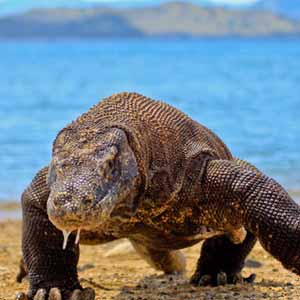
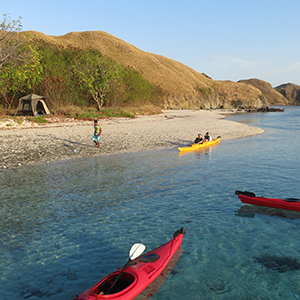
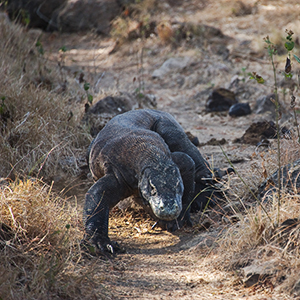
On Komodo Island, centrepiece of Komodo National Park, they no longer feed live goats to the lizards to entertain the tourists, instead leaving the gargantuan Komodo dragon to hunt its own prey. But can the small-scale, sustainable tourism that this real-life ‘Jurassic Park’ has managed to date continue indefinitely? Or, as some suggest, should Komodo Island, where almost all of the lizards are found, be closed off to all but the most deep-pocketed of tourists?
Komodo dragons are threatened by their own exclusivity – found in the wild nowhere else in the world other than this cluster of Indonesian islands in the Sape Strait. They’re vulnerable to human activity, with island communities sharing and sometimes encroaching on their habitat. They’re also threatened by the species’ own tendency towards cannibalism: young Komodos will judiciously spend their first few years hiding up trees to avoid being eaten by adults. A constant stream of curious visitors brings employment and income, supporting conservation and jobs here, but at some point that stream may become a river and wash away everything that is special about this place.
In October 2019 Indonesian authorities
cancelled plans to close Komodo Island (the only island in the park with any human population) for the entirety of 2020 and potentially beyond, declaring tourists posed no threat to the lizards. But that begs the questions: how many tourists would constitute a threat, and does tourism management here need to be improved?