Fly in safaris
Moments from landing, the pilot pulls his Cessna Caravan back up into the sky. He’ll turn and try another approach in a few minutes’ time. Right now is not convenient; there’s a flippin’ giraffe on the runway.
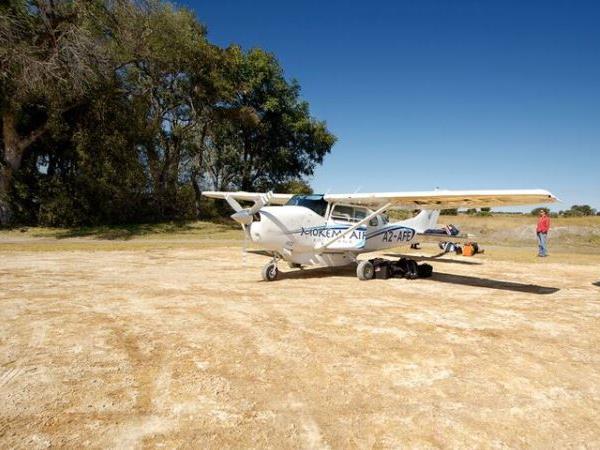
This kind of situation is not unknown on our fly in safaris in Namibia. Some lodges are only accessible by light aircraft, giving you a true sense of wilderness. You’ll glide across a rippling sea of dunes, vast desert canyons and salt-white plains pricked with petrified, scarecrow-like tree trunks, your destination a remote, unfenced airstrip. Flying at low altitudes, a small plane will buck and jive with the turbulent air currents, but it also offers sumptuous perspectives of the landscapes below. Happily, in a plane this size you’re never more than arms-length from a window.
“Taking in the spectacular scenery especially in places like Namibia with its dune landscapes is an experience in itself, you’re not just going from A to B,” says Joshua Flatman, founder of our partner Faran Travel and a veteran of fly in safaris. “And you’re not that high up. In Botswana I could easily identify animals on the ground below. The pilots move the plane around a lot, so as to avoid birds, or to get interesting views.” And if the view is of a herd of giraffes swaying elegantly along the runway – well, they can hardly be blamed for ignoring the KEEP OFF signs.
This kind of situation is not unknown on our fly in safaris in Namibia. Some lodges are only accessible by light aircraft, giving you a true sense of wilderness. You’ll glide across a rippling sea of dunes, vast desert canyons and salt-white plains pricked with petrified, scarecrow-like tree trunks, your destination a remote, unfenced airstrip. Flying at low altitudes, a small plane will buck and jive with the turbulent air currents, but it also offers sumptuous perspectives of the landscapes below. Happily, in a plane this size you’re never more than arms-length from a window.
“Taking in the spectacular scenery especially in places like Namibia with its dune landscapes is an experience in itself, you’re not just going from A to B,” says Joshua Flatman, founder of our partner Faran Travel and a veteran of fly in safaris. “And you’re not that high up. In Botswana I could easily identify animals on the ground below. The pilots move the plane around a lot, so as to avoid birds, or to get interesting views.” And if the view is of a herd of giraffes swaying elegantly along the runway – well, they can hardly be blamed for ignoring the KEEP OFF signs.
What is a fly in safari?
A fly in safari involves travelling between locations by small plane, some of which may be so remote that going by road is not practical, or even possible. It means that you can spend most of your time admiring African wildlife, and with fewer other people around, too. And it also means that the economic benefits of safari tourism reach beyond the most accessible places.

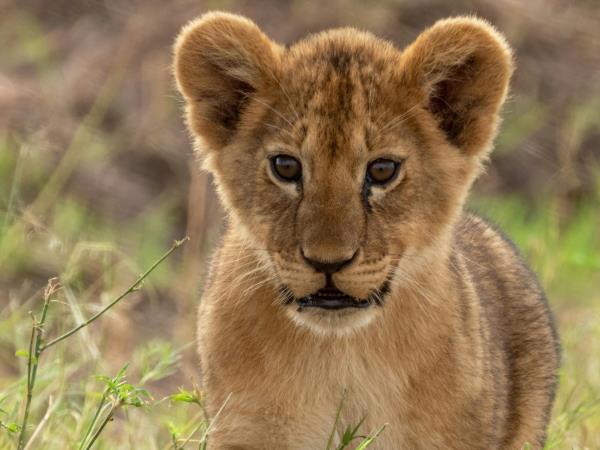
Tanzania safari and Zanzibar beach holiday
Selous safari then relax on beautiful Zanzibar
From
£5400
12 days
inc UK flights
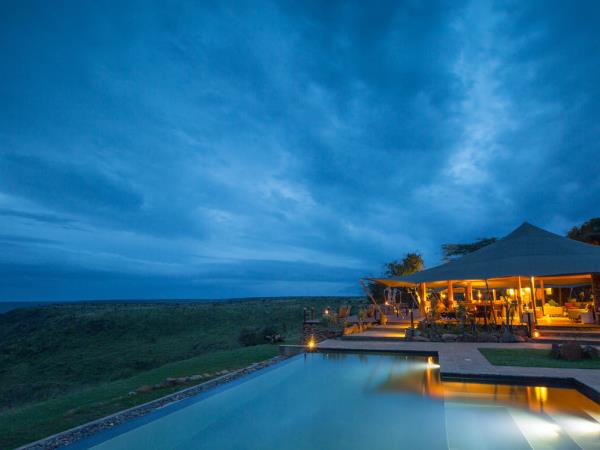
Kenya 13 day safari
Experience 3 amazing, distinct safari ecosystems in Kenya
From
£8618
13 days
ex flights
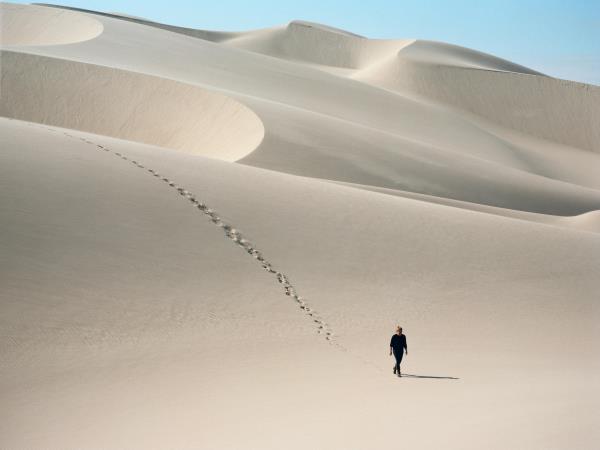
Namibia luxury fly-in safari
A no-expenses spared, all out fly-in tour of Namibia
From
£11475 to £14450
11 days
ex flights
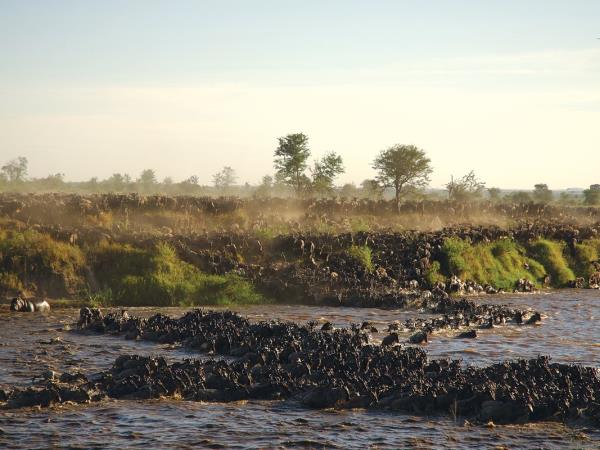
Great migration safari holiday in Tanzania
Luxury fly in safari visiting Tanzania's magnificent parks
From
£3500 to £7750
7 days
ex flights
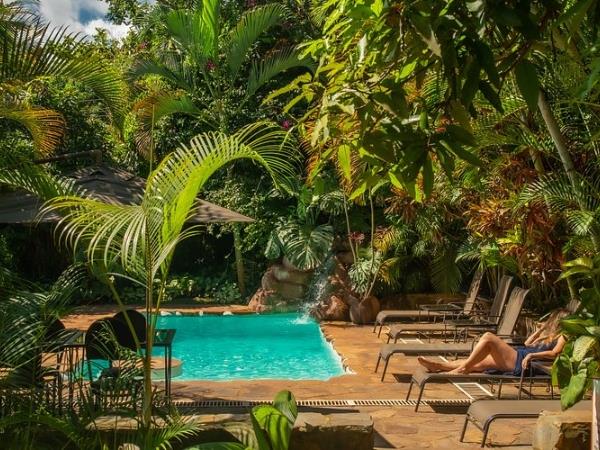
Uganda fly in gorilla safari
Fly into Bwindi to track wild mountain gorillas
From
£5339
5 days
ex flights
Botswana fly-in safari holiday
Experience Botswana on a 6 night fly-in Safari adventure
From
£3355
7 days
ex flights


Contact Us
Call us for a chat about our holidays. We are happy to discuss your holiday and help in any way we can. No bots, queues or awful hold music.

01273 823 700
Call us after 10am
Calling from outside the UK

What do fly in safaris involve?
Small planes
Most fly in safaris use Cessna Caravans, which are 10 or 12 seaters, so they're small but comfortable enough for a short length of time. They’re flown by highly experienced bush pilots and because the cockpits are open, you can watch as they operate the controls, and they can talk directly to you all the way.
“One thing we do have to always mention is the limited hold space,” says Josh. “You need to travel much lighter than you would with a road safari. Oversized or hard luggage must be avoided if you’re flying in.”
“One thing we do have to always mention is the limited hold space,” says Josh. “You need to travel much lighter than you would with a road safari. Oversized or hard luggage must be avoided if you’re flying in.”
Saving time
The main reason for taking a fly in safari is the amount of time it can save you. An hour or so in the air can cover distances that would take six hours or more by road. It’s a great option if you don’t have much time, or if you want to enjoy multiple destinations on one trip but they’re a long way apart. For example, on one of our short gorilla safaris in Uganda, the journey from Entebbe to Bwindi Impenetrable Forest National Park takes just over an hour by plane. It can take up to 10 hours by road.
Spectacular scenery
Our safari holidays provide you with a range of fascinating perspectives, whether you’re atop a ridge gazing down onto a busy waterhole, or admiring a dung beetle as it goes about its labours on the plain. Flying gives you a take on Africa’s landscapes, their colours, contours and features, that is very different from what you will get from ground level.
Accessing remote areas
Not every safari destination is easily accessible by road. In fact, some aren’t even linked to roads, and flying is the only way to reach these remote locations. For instance, a Namibia fly in safari might take you to a tented camp on the edge of Skeleton Coast National Park in northern Damaraland. The fact that you need a light aircraft to get in just makes the sense of wilderness all the more vivid.
“The amount flights used depends on the destination,” says Josh. “In the Okavango Delta, most camps have their own private airstrips and many aren’t accessible overland so flying in is the only practical option. In Kenya, most places are accessible overland but planes are still widely used to save time and make journeys more comfortable – a 45-minute flight will trump a six-hour drive for many people.”
While flying has its obvious advantages, it does mean that you miss out on driving through, and stopping in, communities along the routes between safari destinations. That means you miss out on experiencing their culture, and they miss out on potential income from travellers pausing for a meal, a drink or an overnight stay. However, on tailor made trips you will often have the option of flying in but driving out, giving you the best of both worlds.
“The amount flights used depends on the destination,” says Josh. “In the Okavango Delta, most camps have their own private airstrips and many aren’t accessible overland so flying in is the only practical option. In Kenya, most places are accessible overland but planes are still widely used to save time and make journeys more comfortable – a 45-minute flight will trump a six-hour drive for many people.”
While flying has its obvious advantages, it does mean that you miss out on driving through, and stopping in, communities along the routes between safari destinations. That means you miss out on experiencing their culture, and they miss out on potential income from travellers pausing for a meal, a drink or an overnight stay. However, on tailor made trips you will often have the option of flying in but driving out, giving you the best of both worlds.
Hop-on, hop-off
Safari flights are a bit like a hop-on, hop-off bus. Some flights can be as little as 10 minutes, and if your journey is a longer one then you might land several times to pick people up and drop them off. The scheduling is quite impromptu as well – often you won’t know until the day before exactly what time your plan will be arriving. But with our safari holidays it’s all precisely arranged on your behalf – the only thing you need to do is make sure you’re packed and ready to go when the jeep arrives to transfer you to the airstrip.
Greater expense
Internal flights are not cheap, but then neither are safaris themselves, especially luxury options. If you’re considering your itinerary then the decision is likely to be around cost vs time. “Flights don’t tend to be massively more pricey, certainly not as extravagant as people might think,” Josh points out. Bigger groups or families might even charter a plane to have it with them throughout and not have to worry about scheduling. Although there are still no guarantees of giraffe-free landing strips.
Chance of delays
Small planes are more vulnerable to bad weather, so you will need to accept that the occasional delay is possible if there is poor visibility. And with some airstrips being little more than stretches of dirt, heavy rainfall can cause problems. “These are quite rudimentary airstrips,” says Josh, “but Caravans can take off and land on relatively short runways. They’re checked regularly for safety but some are prone to issues in the rainy season. Recently in the Serengeti we had to relocate a flight to another airstrip. It just meant a slightly longer transfer into camp, though – there’s always another option.”
With most airstrips also being unfenced, it’s not unknown for animals to cause an obstruction. Sometimes, a whole herd of them. Safari guides there to do pick-ups will often drive up and down the runway to make sure it’s clear, and planes will always do a fly past first before landing.
With most airstrips also being unfenced, it’s not unknown for animals to cause an obstruction. Sometimes, a whole herd of them. Safari guides there to do pick-ups will often drive up and down the runway to make sure it’s clear, and planes will always do a fly past first before landing.
More Safari articles
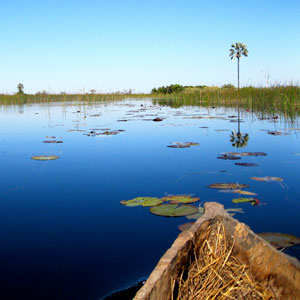
The best time to go on safari will obviously depend on the seasons and the wildlife-watching potential.
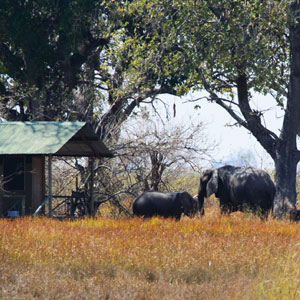
Learn what we rate and what we don’t when it comes to African safaris, as well as plenty of useful advice.
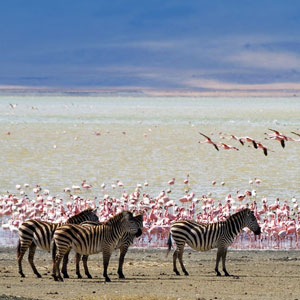
Our interactive map and highlights will help you narrow down your safari search.
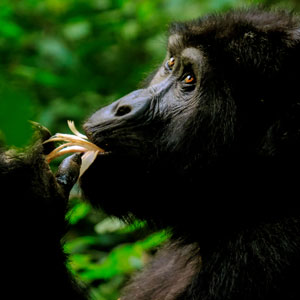
From night-time game drives spotlighting the Big Five to small boat cruises.
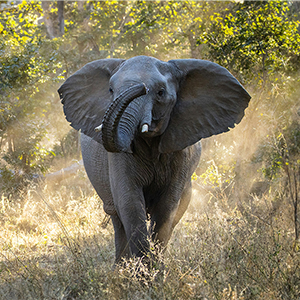
Find out the pros and cons of each destination and more. We’ll help you pick the perfect trip.
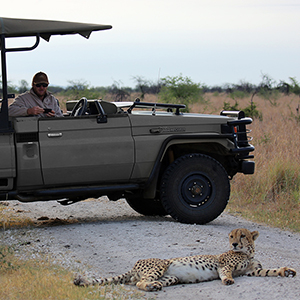

Read on for a selection of advice on safaris with kids, and get invaluable insights.
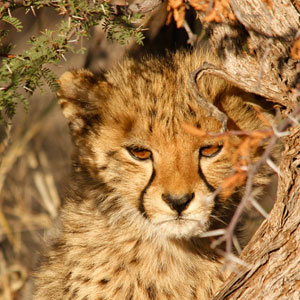
Don't tease the lions! - read our expert partners' advice on how to travel safely when on safari in Africa.
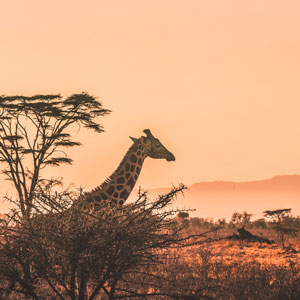
Small group safari holidays are the perfect option if you’re holidaying solo. Or a sociable type. Or on a budget.
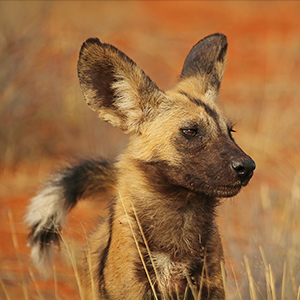
Fall in love with Africa’s elusive, beautiful wild dogs – also called painted wolves.
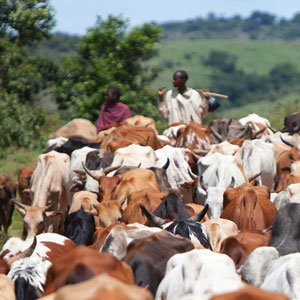
Responsible safari holidays help you understand what you’re seeing and leave the landscape as you found it.