Best self drive safari destinations
“It was one of the most memorable travel experiences I’ve had,” says Responsible Travel’s Sophie Pearson, who went on a self drive safari in Southern Africa. “Within half an hour of picking up our hire car, we were already in the middle of our own safari, spotting a leopard tortoise crossing the road and a warthog trotting alongside our 4x4.”
The best places to go on a self drive safari have two traits in common. First, they are all a delight for drivers, with good, safe roads and no traffic. Second, and most important: they all have wildlife in abundance; even if you might stick to organised game drives once you reach national parks, you never know what you might see on the roadside. Look to Southern Africa for your first foray: Namibia, Malawi and South Africa are our top picks. Read more about what makes them so great below.
The best places to go on a self drive safari have two traits in common. First, they are all a delight for drivers, with good, safe roads and no traffic. Second, and most important: they all have wildlife in abundance; even if you might stick to organised game drives once you reach national parks, you never know what you might see on the roadside. Look to Southern Africa for your first foray: Namibia, Malawi and South Africa are our top picks. Read more about what makes them so great below.

Where to go on a self drive safari
Namibia
“Namibia felt both incredibly wild and incredibly peaceful – I can’t recommend it enough,” says Sophie, “The roads were easy to navigate, the landscapes vast and ever-changing — from endless desert dotted with oryx and ostriches, to epic dunes that felt like we were driving through another planet.”
No-traffic Namibia is considered a great destination for first timers driving in Africa. It’s really safe and easy with well maintained, paved roads linking most of the country’s highlights; any gravel roads tend to be easy to manage, and off-road driving is entirely unnecessary. Most people rent 4x4s so that they can contend with the unpaved roads in Etosha National Park. In Namibia, traffic drives on the left.
Driving distances can be long; Windhoek to Sossusvlei and on to Swakopmund entails two legs of five or six hours’ driving, and Windhoek to Etosha takes six hours. You may wish to have at least two drivers in your party so you can take turns and passengers can survey the amazing – but often very empty – scenery: whoever sees the most cars on their shift wins a prize. With settlements few and far between inland, expect al fresco toilet breaks, and always follow the recommendation to carry extra fuel.
Our holidays are designed so that there are plenty of driving-free days in between, and days with shorter legs.
Most Namibia trips take in the Namib Desert, where you can trek up the massive dunes at Sossusvlei, as high as a 70-storey skyscraper and constantly changing shape. Visit the dramatic Sesriem Canyon and the ghost town of Kolmanskop, built in the diamond rush of the early 1900s and now drowning in sand.
Driving highlights in Namibia also include Etosha National Park in the north. The name means ‘Great White Place’, thanks to the enormous Etosha Pan, a salt-crusted, dry lake bed that dominates the national park. It’s the place to go for the ultimate self drive safari, too, as you can simply park up near a waterhole and wait for the lions, elephants and rhinos to appear – no need for an organised game drive. It’s easy to navigate around the park on your own as all roads connect back to a large main road, so you can keep your bearings. There are a number of waterholes you can visit around the park – simply rock up, park up, and grab the binoculars.
You can combine self drive in Namibia with a safari in Botswana – you’ll leave your hire car in Namibia and be transferred over the border to visit Chobe National Park and other highlights.
No-traffic Namibia is considered a great destination for first timers driving in Africa. It’s really safe and easy with well maintained, paved roads linking most of the country’s highlights; any gravel roads tend to be easy to manage, and off-road driving is entirely unnecessary. Most people rent 4x4s so that they can contend with the unpaved roads in Etosha National Park. In Namibia, traffic drives on the left.
Driving distances can be long; Windhoek to Sossusvlei and on to Swakopmund entails two legs of five or six hours’ driving, and Windhoek to Etosha takes six hours. You may wish to have at least two drivers in your party so you can take turns and passengers can survey the amazing – but often very empty – scenery: whoever sees the most cars on their shift wins a prize. With settlements few and far between inland, expect al fresco toilet breaks, and always follow the recommendation to carry extra fuel.
Our holidays are designed so that there are plenty of driving-free days in between, and days with shorter legs.
Most Namibia trips take in the Namib Desert, where you can trek up the massive dunes at Sossusvlei, as high as a 70-storey skyscraper and constantly changing shape. Visit the dramatic Sesriem Canyon and the ghost town of Kolmanskop, built in the diamond rush of the early 1900s and now drowning in sand.
Driving highlights in Namibia also include Etosha National Park in the north. The name means ‘Great White Place’, thanks to the enormous Etosha Pan, a salt-crusted, dry lake bed that dominates the national park. It’s the place to go for the ultimate self drive safari, too, as you can simply park up near a waterhole and wait for the lions, elephants and rhinos to appear – no need for an organised game drive. It’s easy to navigate around the park on your own as all roads connect back to a large main road, so you can keep your bearings. There are a number of waterholes you can visit around the park – simply rock up, park up, and grab the binoculars.
You can combine self drive in Namibia with a safari in Botswana – you’ll leave your hire car in Namibia and be transferred over the border to visit Chobe National Park and other highlights.
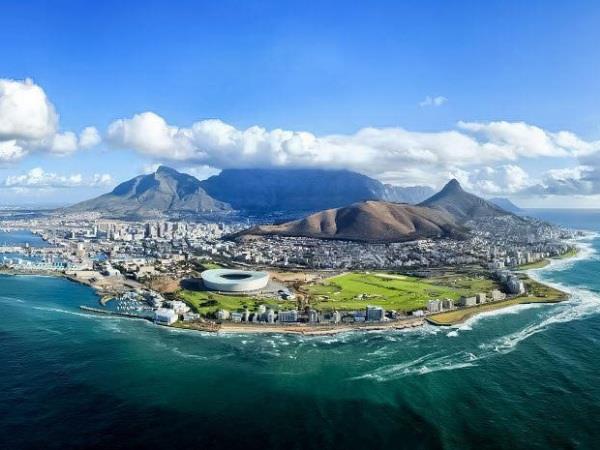
Self drive South Africa holiday
Explore Cape Town, Winelands & the Garden Route
From
£3120 to £4165
13 days
ex flights
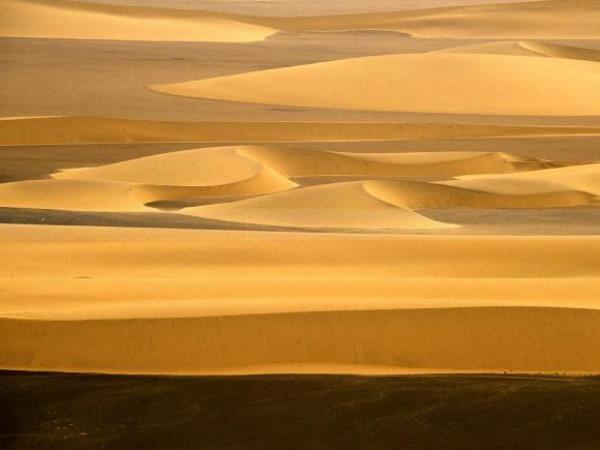
Namibia self drive safari
An iconic self-drive safari through north and south Namibia
From
£2450
14 days
ex flights
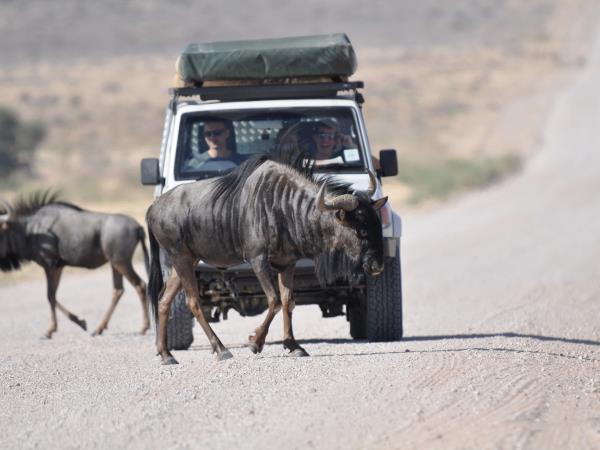
Namibia highlights self drive
See Namibia's highlights on this tailor-made self-drive
From
£3310 to £3425
12 days
ex flights
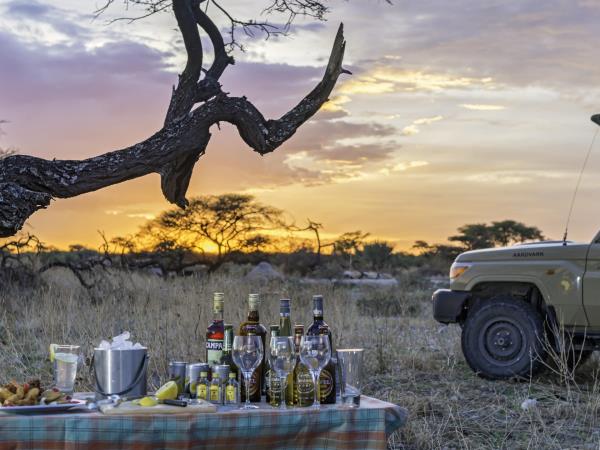
Namibia, Chobe and Victoria Falls holiday
Self-drive adventure through Namibia + Chobe and Vic Falls
From
£3230 to £3895
13 days
ex flights
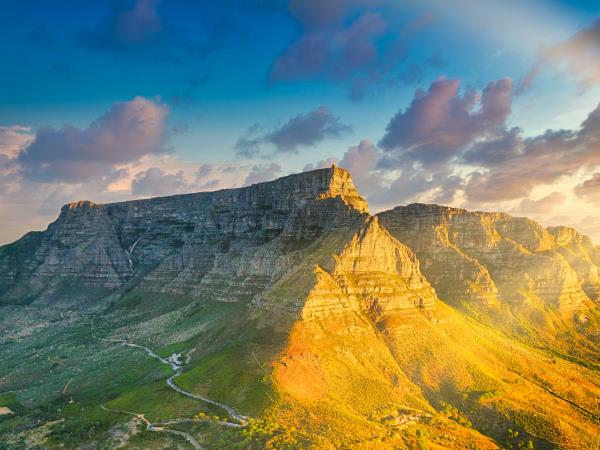
Classic South Africa self drive holiday
Ideally suited for the first-time visitor to South Africa
From
£5820
15 days
inc UK flights
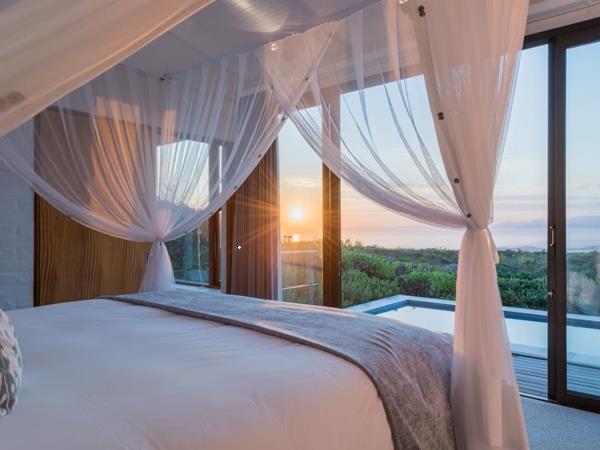
South Africa luxury holiday, Garden Route & safari
South Africa Super luxury Cape town, Garden Route and Safari
From
£13185 to £20720
18 days
ex flights


Contact Us

Call us for a chat about our holidays. We are happy to discuss your holiday and help in any way we can. No bots, queues or awful hold music.

01273 823 700
Call us after 10am
Calling from outside the UK


South Africa
South Africa’s reliable road system makes self driving a fun family holiday that also feels like an adventure. The country is easy to navigate: road signs are in English, and there’s little traffic outside of the cities. Self drive safaris tend to stick to one area of the country, such as the Garden Route, or the KwaZulu-Natal – after all, driving from Cape Town to Johannesburg would cover close to 1,500km. In South Africa, traffic drives on the left.
Driving highlights include the Garden Route. Stretching from Mossel Bay to Storms River, the route is less than 300km long, but packs such a mix of wildlife, beaches, lakes, mountains and outdoor fun in that it regularly features on self drive safari itineraries. Leave the car to hike to Storms River Mouth, a dramatic canyon; spot dolphins and whales in Plettenberg Bay or cross the Knysna Lagoon to the Featherbed Nature Reserve.
Most safaris in South Africa involve decamping from your own vehicle and being driven by experts in fit for purpose jeeps. Kwandwe Private Game Reserve on the Eastern Cape is one such example, convenient for safari fans who have just driven the Garden Route. There are opportunities to see wildlife from your own vehicle too: massive birds of prey perching on fenceposts along the road, or whales spouting from the water, seen from the car as you drive towards Hermanus. Some reserves, like Addo Elephant Reserve, can be explored in your own vehicle, too.
Best for return visitors, the rich cultural and wildlife pickings of the KwaZulu-Natal province include the battlefields of the Anglo-Zulu Wars and the Midlands under the Drakensberg, home to artists, brewers, cheese and chocolate makers. Enjoy birding and the Big Five at Hluhluwe-iMfolozi Park while the iSimangaliso Wetland Park teems with flamingos, hippos and elephants. Offshore, there is year-round dolphin watching plus whales migrating from June to July, and September to October.
Driving highlights include the Garden Route. Stretching from Mossel Bay to Storms River, the route is less than 300km long, but packs such a mix of wildlife, beaches, lakes, mountains and outdoor fun in that it regularly features on self drive safari itineraries. Leave the car to hike to Storms River Mouth, a dramatic canyon; spot dolphins and whales in Plettenberg Bay or cross the Knysna Lagoon to the Featherbed Nature Reserve.
Most safaris in South Africa involve decamping from your own vehicle and being driven by experts in fit for purpose jeeps. Kwandwe Private Game Reserve on the Eastern Cape is one such example, convenient for safari fans who have just driven the Garden Route. There are opportunities to see wildlife from your own vehicle too: massive birds of prey perching on fenceposts along the road, or whales spouting from the water, seen from the car as you drive towards Hermanus. Some reserves, like Addo Elephant Reserve, can be explored in your own vehicle, too.
Best for return visitors, the rich cultural and wildlife pickings of the KwaZulu-Natal province include the battlefields of the Anglo-Zulu Wars and the Midlands under the Drakensberg, home to artists, brewers, cheese and chocolate makers. Enjoy birding and the Big Five at Hluhluwe-iMfolozi Park while the iSimangaliso Wetland Park teems with flamingos, hippos and elephants. Offshore, there is year-round dolphin watching plus whales migrating from June to July, and September to October.
Malawi
Keep the big lake to the right and you can’t go far wrong: friendly Malawi makes a great destination for self drive safaris, its small size keeping driving times down. In Malawi, road users drive on the left.
Explore the tea plantations in the Mulanje Mountains of the southeast, with their colonial-era estates and rolling hills, then spot hippos, crocs and amazing birdlife at Liwonde National Park. Don’t miss Lake Malawi, which offers excellent freshwater snorkelling and diving.
It’s around four hours’ drive from the tea estates region to Liwonde National Park, and then four hours onwards to reach the southern end of Lake Malawi. Roads are in good condition – there are tarmac roads everywhere, but your pace of travel might be slowed down somewhat when you spy stands of massive, ripe watermelons on the side of the road begging to be bought.
More adventurous travellers can hire a more rugged vehicle to explore off road too: think a formidable double cab with camping equipment – exciting if you’ve limited yourself to a tidy hatchback suitable for urban living at home.
When it comes to the safari element of a self drive safari, as with other destinations it’s common to leave the game drives to the professionals in Malawi, so you can keep both hands on your binoculars instead of the steering wheel in Liwonde National Park. There are opportunities to self drive in Majete Game Reserve if you fancy your chances at spotting wildlife for yourself; you can also book a hop-on community guide to travel with you in the park.
Explore the tea plantations in the Mulanje Mountains of the southeast, with their colonial-era estates and rolling hills, then spot hippos, crocs and amazing birdlife at Liwonde National Park. Don’t miss Lake Malawi, which offers excellent freshwater snorkelling and diving.
It’s around four hours’ drive from the tea estates region to Liwonde National Park, and then four hours onwards to reach the southern end of Lake Malawi. Roads are in good condition – there are tarmac roads everywhere, but your pace of travel might be slowed down somewhat when you spy stands of massive, ripe watermelons on the side of the road begging to be bought.
More adventurous travellers can hire a more rugged vehicle to explore off road too: think a formidable double cab with camping equipment – exciting if you’ve limited yourself to a tidy hatchback suitable for urban living at home.
When it comes to the safari element of a self drive safari, as with other destinations it’s common to leave the game drives to the professionals in Malawi, so you can keep both hands on your binoculars instead of the steering wheel in Liwonde National Park. There are opportunities to self drive in Majete Game Reserve if you fancy your chances at spotting wildlife for yourself; you can also book a hop-on community guide to travel with you in the park.



.jpg)