Responsible tourism on the Silk Road
To discuss the Silk Road responsible tourism issues you may encounter along the route is to address problems that exist within a number of religious, political and geographical contexts. Yes, the Chinese government is persecuting the minority ethnic Uighurs practicing Islam in Kashgar; and, yes, Turkmenistan has been under the control of a highly oppressive dictator for over a decade, but to openly discuss these situations with local people, including guides, might well lead to more problems than it may solve. Similarly, Central Asia is becoming enemy number one for producing crops to which their land isn’t suited and is therefore becoming increasingly degraded, but the farmers that grow them are under state control and, in turn, the states that are controlling the farmers are still battling to find their position of power in the world, from under a still heavy communist cloud. Nobody should be asked to agree with the human rights issues that clearly exist on the Silk Road, but to travel successfully, the key is to understand them and to empathise with the people that you meet. Some of these issues are incredibly deep-rooted but through persistent pressure from the UN, and the presence and awareness of responsible travellers, things may start to change for the better.
People & Culture
The big issue – human rights
There have long been question marks lingering over the topic of human rights in both Uzbekistan and Turkmenistan and, unsurprisingly for countries which were formerly part of the Soviet Union, both have been slammed by the UN for their highly repressive policies with numerous UN-sent rapporteurs denied access to monitor the situation over the years.Although the Uzbekistan government, under President Shavkat Mirziyoyev, has started to improve its human rights record there is still a long way to go before Uzbeks can realise anything approaching freedom of expression. Independent activism has long been stamped upon by the Uzbekistan government with human rights defenders and journalists imprisoned on wrongful charges and Uzbek citizens placed on a notorious 'black list' by the state governed security services. Still, however, the government persists on the use of enforced labour, including, sadly, child labour, for the annual cotton harvest. A recent social media campaign highlighted the plight of local farmers being forced to stand knee deep in a water-filled irrigation ditch as a punishment for a poor wheat harvest. Although things have improved since 2016, including unrestricted monitoring by the International Labour Organization, there still needs to be endemic change and continued human rights improvements before Uzbekistan can hold its head up high on the world stage.
As is evident by the amount of CCTV cameras and the intimidating armed police that guard almost everything in the country, the situation in Turkmenistan is even worse. Imprisonment is used frequently as a stop to political retaliation and has been for many years, resulting in an unspecified number of people languishing, unidentified, in the country’s notoriously abusive prisons. It’s very common for anyone who dares to speak up against the government’s policies to be threatened and imprisoned and there is huge control exercised over residents’ rights to leave and return to Turkmenistan through a seemingly random system of travel bans that are imposed on activists and their families, and the relatives of exiled nonconformists.
The overriding problem lies in the fact that although the UN are fully aware of the poor human rights situation in Turkmenistan, the government refuses to cooperate. Relationships with the EU, US and the UN have improved considerably in Uzbekistan since Mirziyoyev came to power in 2016 however, it remains to be seen how far reforms will continue to improve. If Turkmenistan is to follow suit, a change of regime appears to be the only way forward.
What can you do?
There is little that we can do in Central Asia where human rights are concerned and the difficulty is that in this particular area of the Silk Road you have to be very careful. If you charge in and start making noise about the treatment of someone, then it’s highly likely that you, or worse still the person you think you’re defending, will be arrested. The best and most useful thing you can do is to learn about the issues that you may face while visiting and come back with an educated opinion, which you can then put to use volunteering for a human rights association back in your own country. Trying to do something while you're there runs the risk of endangering yourself and the people you’re trying to help.
The overriding problem lies in the fact that although the UN are fully aware of the poor human rights situation in Turkmenistan, the government refuses to cooperate. Relationships with the EU, US and the UN have improved considerably in Uzbekistan since Mirziyoyev came to power in 2016 however, it remains to be seen how far reforms will continue to improve. If Turkmenistan is to follow suit, a change of regime appears to be the only way forward.
What can you do?
There is little that we can do in Central Asia where human rights are concerned and the difficulty is that in this particular area of the Silk Road you have to be very careful. If you charge in and start making noise about the treatment of someone, then it’s highly likely that you, or worse still the person you think you’re defending, will be arrested. The best and most useful thing you can do is to learn about the issues that you may face while visiting and come back with an educated opinion, which you can then put to use volunteering for a human rights association back in your own country. Trying to do something while you're there runs the risk of endangering yourself and the people you’re trying to help.
Linda Maguire from our supplier, Undiscovered Destinations gives her opinion on the issue of human rights in Central Asia: “Turkmenistan feels a lot more as though it has recently been a communist country. There is far more traditional dress worn in Turkmenistan and all of the monuments have soldiers standing guard outside of them and they are very dismissive of those that attempt to get too close. Similarly, the people in both Uzbekistan and Turkmenistan are so friendly and welcoming, but in Turkmenistan they are clearly more reserved. When you’re there, you can understand quite quickly how to engage with the locals you encounter – the soldiers at the monuments for instance are best left alone, but as far as the locals are concerned, it’s simply best to exercise common sense and consider the differences in the lives of the local people in each separate country. In comparison to Turkmenistan, Uzbekistan seems a lot more relaxed; the people there will approach you to chat and have pictures taken with you. There is a more laid back atmosphere there.”
Dilution of culture – Han Chinese vs Uyghur
A problem particularly associated with Kashgar, a remote and intriguing city along the Silk Road about as far west of China as you can get, but evident in Urumqi and other far western areas too, is the increasingly difficult relations between the Han Chinese and Uyghur ethnic groups that live there caused by the enforced dilution of the Uyghur Muslim culture.Kashgar is a surprisingly prosperous place, but its prosperity has come at a price and recent years have seen thousands of Han Chinese relocate there – traditional housing has been destroyed and residents moved to high-rise apartment blocks on the edge of the city and, in a further ironic blow, some of the city’s older areas are being saved from destruction and earmarked for tourist attractions, so the Muslim population may end up having to pay to see their own culture or to practice Islam.
As evidenced by the armed guards that man every mosque and the armoured police cars that linger on most street corners, anger is on the rise and aggressive standoffs between the Han and Uyghur people are intensifying.
The enforced dilution of the ethnic Uyghur culture in Kashgar has undoubtedly led to inter-ethnic disputes and sadly, the city that used to be on everyone’s Silk Road bucket list is now less popular as a tourist destination. It is more than worth a visit though and is still a very Muslim blend of friendly locals, buzzing bazaars, teahouses, all enveloped by the delicious smell of barbecued lamb that wafts through the air.
What can you do?
Come prepared. Far more enlightening than it is complex, the story of the Uyghur people, past and present, is an engaging and insightful topic to read up on. Speak to anyone you know who has been to western China and have a look at our reviews pages to gauge a clear understanding of the cultural, spiritual and political beliefs of the people there and how best you can slot seamlessly into their home.
Brendan Phelan from our partner, Exodus shares his opinion on the dilution of Uyghur culture in Kashgar: “In China, a lot of the older traditional cities are rapidly becoming busy Han Chinese super cities, with glass skyscrapers sitting side by side with traditional two story mud cottages. The local Uyghur culture is carefully controlled and clashes between them and the police are frequent and often bloody. Definitely take a walk through the old town in Kashgar – a couple of hours quietly wandering through the dusty back streets, through alleyways thronged with Uyghur locals selling knives, copperware and goat meat, will take you far from the modern Chinese city it's quickly turning into.”
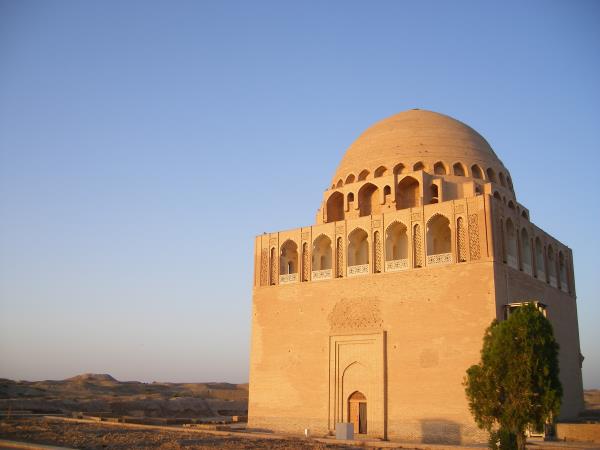
Central Asia overland tour, the stans
Epic journey through five Stans of Central Asia
From
£7199 to £7899
26 days
ex flights
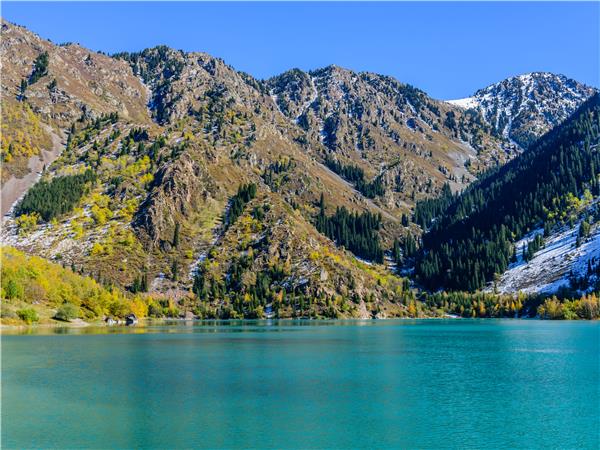
The Silk Road small group tour
Discover the Silk Road in Uzbekistan, Kyrgyzstan and China
From
£3338 to £3921
16 days
ex flights
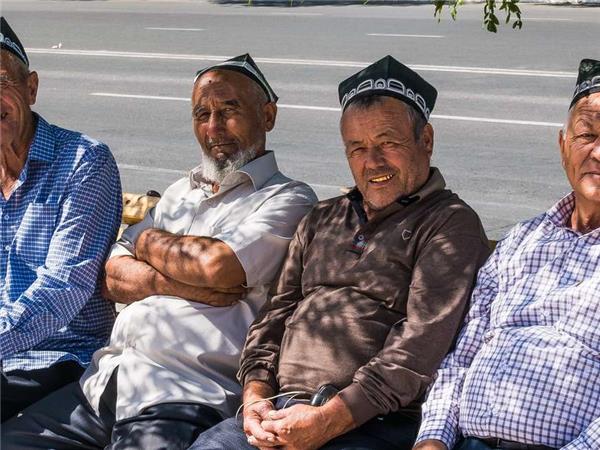
Uzbekistan tour, Road to Samarkand
Travel the ancient Silk Road through remote Central Asia.
From
£1870 to £1945
11 days
ex flights
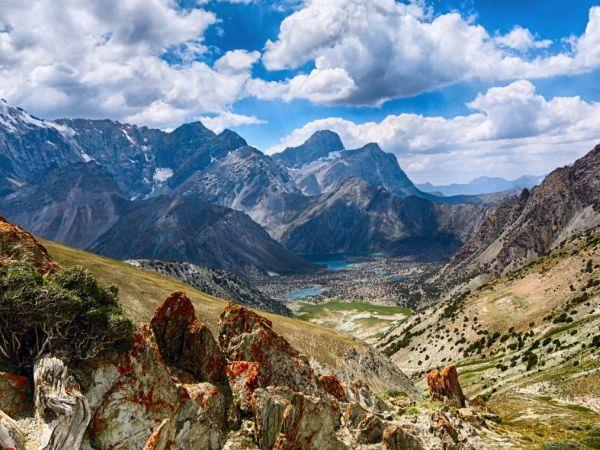
Silk Road holiday, five Stans of Central Asia
Journey through the 5 stans of Central Asia
From
£7945 to £8250
29 days
ex flights
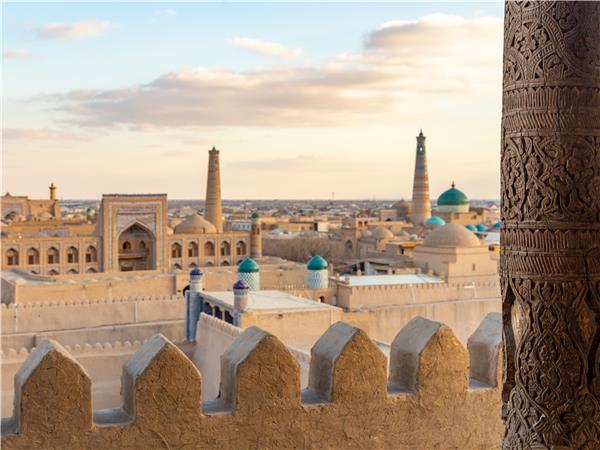
Uzbekistan small group tour
Explore cities and landscapes of the ancient Silk Road
From
£3338 to £3476
15 days
ex flights
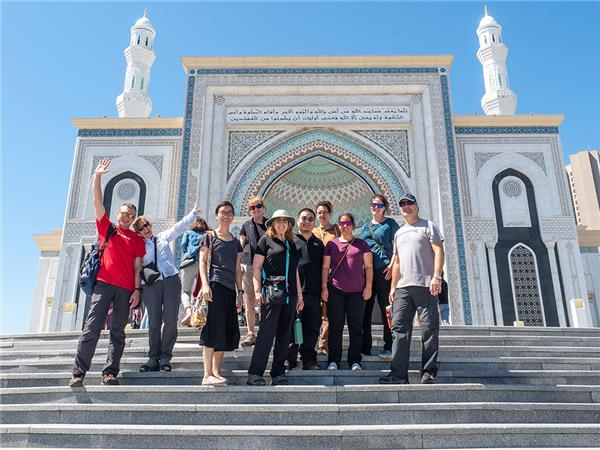
Kazakhstan and Kyrgyzstan adventure tour
Explore the futuristic and ancient from Astana to Bishek
From
£2295 to £2630
11 days
ex flights


Wildlife & environment
Land degradation & agricultural practice
If there is one stand out story that serves as a cautionary tale of water exploitation, it is that of the Aral Sea, an endorheic lake lying between Kazakhstan in the north and Uzbekistan in the south. In the 60s, Uzbekistan, which was then part of the Soviet Union, was installed with extensive irrigation systems to enable a massive increase in cotton production, a plant that is incredibly thirsty and definitely not suited to Uzbekistan’s dry climate. To provide more water, two rivers, the Amu Darya and the Syr Darya, which had run into the Aral Sea, were diverted causing it to shrink by over 75%. The surrounding soil, which was already very arid, became over salinised and a huge proportion of land degraded at an alarming rate.Now, more than 25 years on from becoming an independent country, Uzbekistan may be the second largest exporter of cotton in the world behind the US, but their agricultural practices have barely changed and more than half of the Aral Sea basin is a dry, salt-encrusted wasteland – areas of the countryside can appear confusingly thick with snow under a blazing hot sun, but the ‘snow’ is in fact 3cm of salt. Resultantly, the whole area’s ecosystem is severely degraded with wildlife habitats destroyed on a catastrophic scale.
Uzbekistan’s natural environment has been abused and exhausted with consideration for little else than short-term profit and as most of its land remains state property, the government decides what is grown and by whom. Farmers are also provided with quotas for cotton and wheat production by the state, so if they’re going to be able to hit these targets and continue to develop their own small-scale agriculture then more education must be given to them regarding sustainable practice and new ways of water and land use will need to be widely implemented by the Uzbek government.
The Aral Sea will never be replenished, but thanks to organisations such as the Khorezm Rural Advisory Support Service who are collaborating with international partners and the Uzbek Ministry of Agriculture and Water Services to provide local farmers with advice and training in agriculture and the environment, a growing proportion of the country’s 80,000 farmers have begun to apply less harmful fertiliser to the land and rotate their crops properly, and areas that were once degraded topsoil covered thick with salt are now fertile and green once more.
What can you do?
This is a tricky one as the problem is deep-rooted and there doesn’t appear to be much will to change it. It’s unlikely that to cease eating melon – a very thirsty commodity that’s grown everywhere – will make a difference to how many are grown and also, the melon in Uzbekistan is absolutely delicious, some of the best you can taste in the world, but it would be advisable to eschew cotton souvenirs in favour of those that benefit the locals directly such as hand-panted silk or glazed porcelain tiles.
What can you do?
This is a tricky one as the problem is deep-rooted and there doesn’t appear to be much will to change it. It’s unlikely that to cease eating melon – a very thirsty commodity that’s grown everywhere – will make a difference to how many are grown and also, the melon in Uzbekistan is absolutely delicious, some of the best you can taste in the world, but it would be advisable to eschew cotton souvenirs in favour of those that benefit the locals directly such as hand-panted silk or glazed porcelain tiles.
Linda Maguire shares her opinion on the issue of land degradation in Central Asia: “When we were crossing areas of Uzbekistan it looked as though the land was thick with snow because of the salt that lay on top of it. They have a huge problem with salt water and actually with water supply full stop and yet they’re intent on growing things like melons and cotton, which need vast quantities of water to grow. You have to wonder how on earth they can possibly keep up such a supply into the future. The water they do have is very salty and though they try and wash the salt away to cultivate the land, it always comes back. They do have agriculture in the country, but it’s very hard to see how it is sustainable.”
Responsible tourism tips
More Silk Road articles
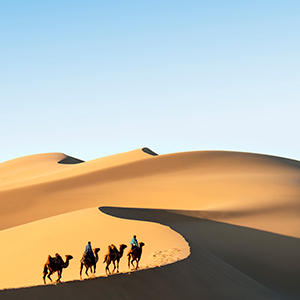
The Silk Road stretches all the way from Asia to Europe, so the weather varies.
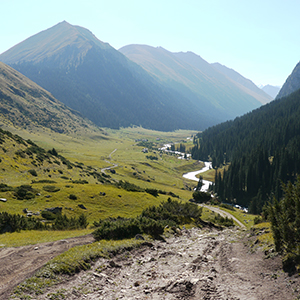
Discover the ancient paths that used to bring riches across the world, and are still just as treasure-filled.
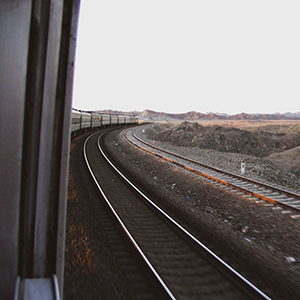
Discover all the best places to go, following the route's thread to Urumqi, Kashgar, Tashkent, Bukhara and Mary.
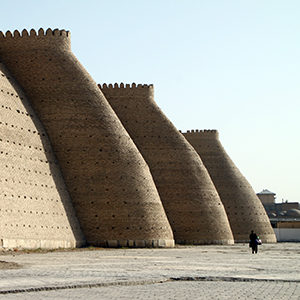
Central Asia’s cities and mountain foothills were pivotal to the Silk Road.
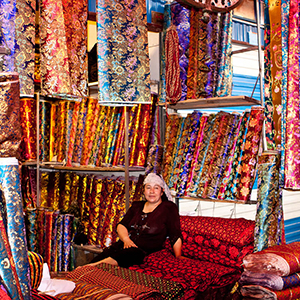
Read on for enlightenment and learn about the Silk Road in detail before, during or after you set off on your travels.
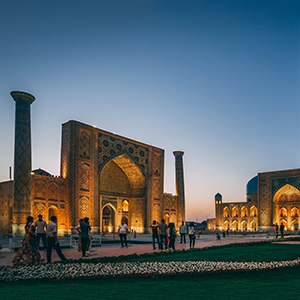
This ancient trail is synonymous with adventurers and epic journeys - but when did it start?
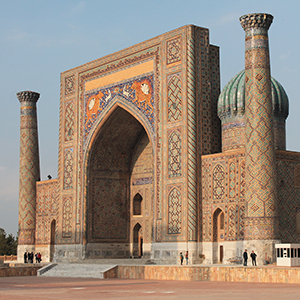
Understand the people, the legends and the landscapes of this iconic trade route.
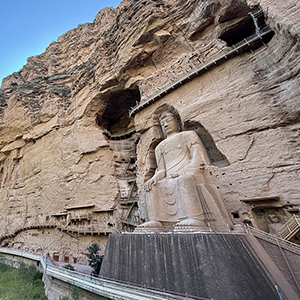
Vaster, sparser, and more awe inspiring than any other section of the famous silk route.
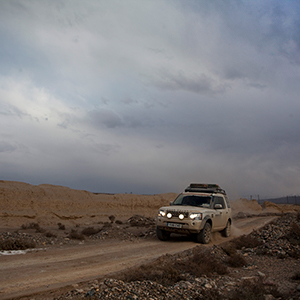
Get a few tips from our friends along the Silk Road, including shopping, road travel, food and packing advice.