Bird watching in Trinidad & Tobago
Our bird watching holidays in Trinidad and Tobago are usually about two weeks long, which is a good indication of the number of wonderful experiences you can have in this dual island nation. On Tobago, the Main Ridge Forest Reserve is not only the backbone but, with all that rainforest, also the lungs. Its birdlife will get your heart racing too. The magnificent frigates on Little Tobago will steal your heart, as they did Sir David Attenborough’s when he filmed here. You don’t have to go far to see one of two national birds here either. The cocrico – or rufous-vented chachalaca – is omnipresent on Tobago, and the other, the scarlet ibis, is a sunset regular in Trinidad’s Caroni Bird Sanctuary.
Keen birders know all about Big Days – when you attempt to see as many birds as you can in a 24 hour period. You won’t have any problems fulfilling this ambition in Trinidad and Tobago where there are 460 species living in a cornucopia of Caribbean habitats. However, here the ‘big’ thing is really all about the people who take you to see the birds. Because although it is a top ornithology destination, it is also a leader in chill-ology, rum-ology, limbo-ology and beautiful beach-ology. And as bird watching holidays come with the most fantastic local guides, you can choose how you would like to spend each day, to create a unique holiday around equally unique birds, with the likes of white-tailed sabrewing and ruby-topaz hummingbirds, scarlet ibis and the gorgeous blue-crowned motmot. This bird watching in Trinidad and Tobago guide gives all the insider info on seeing birds, in paradise.
Keen birders know all about Big Days – when you attempt to see as many birds as you can in a 24 hour period. You won’t have any problems fulfilling this ambition in Trinidad and Tobago where there are 460 species living in a cornucopia of Caribbean habitats. However, here the ‘big’ thing is really all about the people who take you to see the birds. Because although it is a top ornithology destination, it is also a leader in chill-ology, rum-ology, limbo-ology and beautiful beach-ology. And as bird watching holidays come with the most fantastic local guides, you can choose how you would like to spend each day, to create a unique holiday around equally unique birds, with the likes of white-tailed sabrewing and ruby-topaz hummingbirds, scarlet ibis and the gorgeous blue-crowned motmot. This bird watching in Trinidad and Tobago guide gives all the insider info on seeing birds, in paradise.
Bird watching in Tobaga

If you are a bird watcher, you are in for a treat.![]()

– Julie Newberry
Teeny Tobago has one of the highest densities of bird species in the world – with some 220 varieties diving into its waters, flitting around its flora and hiding high in its rainforest canopy. But it’s about quality as much as quantity here – whether you’re a seasoned twitcher or simply taking a stroll through your guest house gardens, seeing the birds themselves is an absolute pleasure.

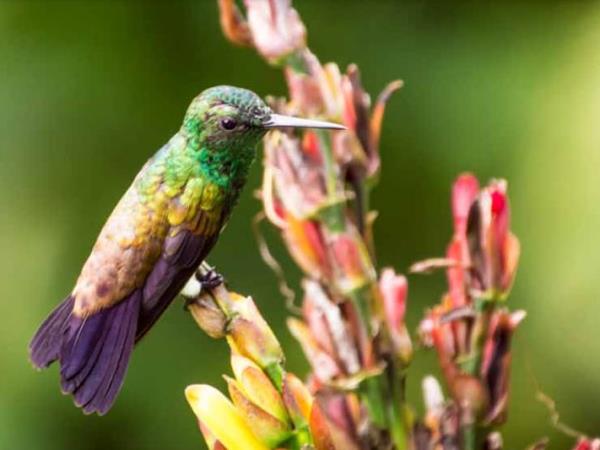
Hummingbirds are some of the most commonly seen varieties here, thanks to the abundance of syrup-filled feeders draped from every balcony and branch. The six species include the rare white-tailed sabrewing, seen mainly in the forest reserve, and the ruby-topaz – a photographer’s favourite with feathers as jewel-like as its name suggests. The large, blue-crowned motmot is another striking specimen, turquoise and emerald as the island it inhabits. The most sought after bird is arguably the male blue-backed manakin, a tiny, black bird with a sky-blue cape and splash of red on its head. You don’t have to go far to find birds though – yellow bananaquits will hop onto your breakfast table to steal guava jam, while the barks of the huge cocrico (aka the rufous-vented chacalaca) – Tobago’s national bird – is a guaranteed wake-up call.
Tobago’s diversity of species is due to its geography, straddling the Americas and the Caribbean. Although fewer than half its bird species breed here, migrants from North and South America make up the numbers.
Newton George is the island’s most renowned birding guide; his specialty is the forest reserve as well as Little Tobago. His laser pointer makes spotting dark birds in the thick foliage easy, as well as his spotting scope – he finds the birds, you just look through the lens.
Newton George is the island’s most renowned birding guide; his specialty is the forest reserve as well as Little Tobago. His laser pointer makes spotting dark birds in the thick foliage easy, as well as his spotting scope – he finds the birds, you just look through the lens.

PODCAST
Newton George, wildlife guide
Listen to Newton speak about what kind of birds you can see in Tobago. [01:39]
Our top trip
Trinidad & Tobago nature holiday
The best of Trinidad & Tobago's widlife and natural scenery
From
£4485
15 days
ex flights
Tailor made:
This trip can be tailor made throughout the year to suit your requirements
This trip can be tailor made throughout the year to suit your requirements
Contact Us

Call us for a chat about our holidays. We are happy to discuss your holiday and help in any way we can. No bots, queues or awful hold music.

01273 823 700
Call us until 4pm
Calling from outside the UK


Main Ridge Forest Reserve
This is Tobago’s key bird watching destination – with around 100 of its species found in the treetops. The main road leading into the reserve is a great place to start – as there is less foliage for the birds to hide in, and more light to shimmer of their feathers. Look out for several hummingbird species as well as blue-backed manakins, fork-tailed flycatchers migrating from South America, potoos and the beautiful collared trogon.
Little Tobago
If David Attenborough’s made a wildlife documentary there, you know it has to be good. Part of the BBC series The Trials of Life was filmed on uninhabited Little Tobago, focusing on the magnificent frigatebirds. Known for the males’ ballooning red pouch the frigatebirds were the stars of the documentary as their feathers lack any oily waterproofing. As they can’t get wet, these seabirds often attack other birds mid-flight to steal their food – a dramatic display of nature.Red-billed tropicbirds nest on the island from November to April, making this the best time to see these birds with their scarlet beaks and flowing white tail feathers. The clown-faced red-footed booby, brown booby and Audubon’s shearwater can also be seen here.
Adventure Eco Farm
Hummingbird fans should head to the Adventure Farm and Nature Reserve where five of the six species can be found buzzing around the villa’s feeders. Leave a plate of freshly chopped tropical fruit out then go and ring the bell – they’ll come buzzing in, loud as a swarm of bees. Around 48 bird species have been counted here. A new tilapia pond attracts egrets and herons, woodpeckers can be heard pounding the trunks, and tanagers, flycatchers and doves swoop in and out of the surrounding fruit trees.Brid watching in Trinidad
Asa Wright Nature Centre
Formed in 1967 by group of naturalists and bird watchers in the Arima Valley and Northern Range, Asa Wright’s lodge accommodation is the perfect holiday base. It’s an exemplary nature conservation area on a former plantation with over 1,500 acres of towering rainforest. At the last count, there were 166 species in the grounds, highlights including the colony of crested oropendola, hawk eagles and toucans.Caroni Bird Sanctuary
Most famous for its heart stoppingly gorgeous scarlet ibis, one of the national birds. This mangrove wetland turns into a night at the ballet at sunset when thousands of these red beauties swoop in en masse to roost. Take a boat trip through the water maze with famous Nanan’s Tours, named after Winston Nanan who got this magical place protected back in the 1970s. That’s Trini for you.Grande Riviere
Trinidad’s famous leatherback turtle nesting beach is protected by Grande Riviere Environmental Awareness Trust: GREAT. And great it is. With locally trained guides from a community where turtle poaching was once the norm, ecotourism now rules the waves. This is a must on any nature tour, and bird watchers will also have all eyes open for the critically endangered Trinidad piping-guan, the island’s only endemic bird.Native Swamp
A vast freshwater swamp, habitat not only to manatees, caimans, anacondas, boa constrictors, red howler and capuchin monkeys but also more than 200 bird species. You don’t associate bright and beautiful things with a swamp, but the blue-and-gold or red-bellied macaws, red breasted blackbirds, yellow-headed caracara and green-rumped parrotlet are just a few to contest that. You’ll be swamped by beauty here.Other wildlife
“You will see every type of natural life on this tour from snakes to spiders, bats, all kind of things. And you have to love nature, because the place where you stay, Mon Plaisir, on the beach where the turtles live, bats fly in and out of the room at night. It is very comfortable and it has all the mod cons that you want, but it doesn’t have glass in the windows. I don’t mind them as long as they don’t fly into me, and I always worry that they might, but of course they never do, because they have radar.”Best time to go bird watching in Trinidad & Tobago
Best time to go. Newton George, expert birding guide in Trinidad and Tobago: “The best time of year for birders is from November to April. Most nesting begins in January but they start getting together in November"
More Tobago articles
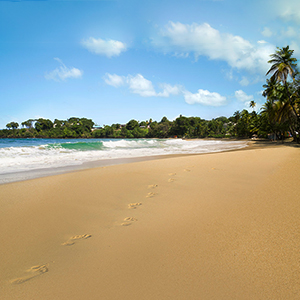
January to March are often considered the best times to visit Tobago - they are drier and slightly cooler than the summer months.
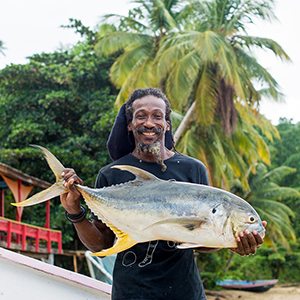
As our Tobago travel guide reveals, this is the Caribbean as it once was, with a focus on nature, culture and relaxation, and a model for the future.
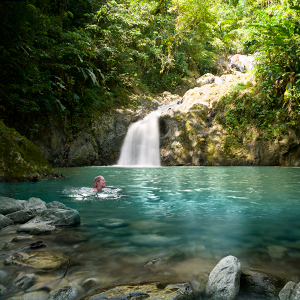
Our interactive map shows you where to go in Tobago - though as the island is so compact, you won't have to make too many tough choices.
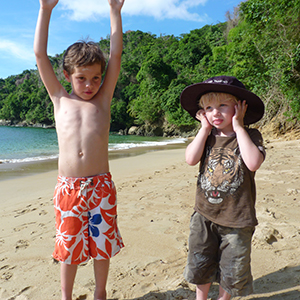
Travelling in Tobago with kids is an absolute delight, with friendly guesthouses and a wide range of fun family-friendly activities.
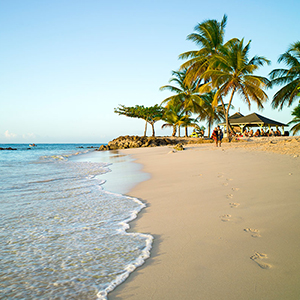
Tobago's coastline may not be huge, but travelling along it is like working your way through an encyclopaedia of beaches.
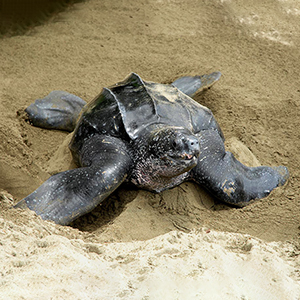
As you would expect form an island that has protected its forest since 1776, nature and wildlife in Tobago is highly treasured.

Culture and music in Tobago takes centre stage - think calypso, steelpan and limbo - or limin' - simply chilling out.
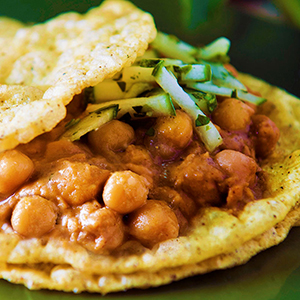
The coastline may be gorgeous, but read on to discover that the true heart of this island lies well beyond Tobago's beaches.
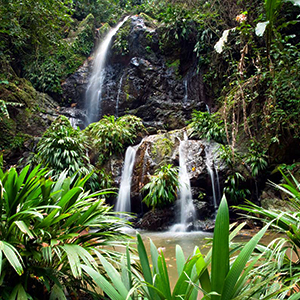
Our Tobago Top Ten is a roundup of our favourite things to see and do on the island - though it was difficult to narrow it down to just ten!
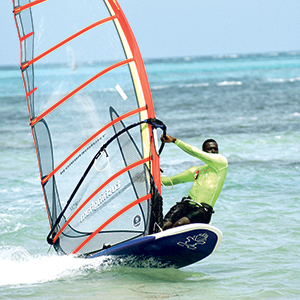
Watersports in Tobago can be as active or relaxing as you wish, whether on a glass bottomed boat or getting closer to marine life by scuba diving.
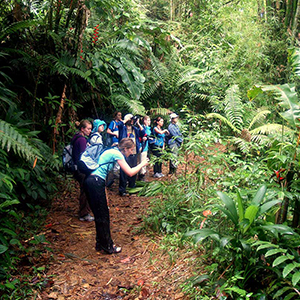
Tobago may be in the Caribbean but there is much to do beyond the beaches, from walking trails to mountain biking and yoga retreats.
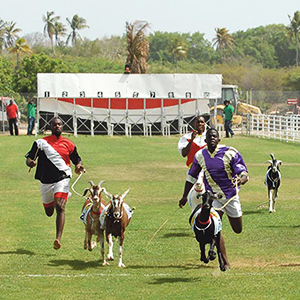
There's a good chance your holiday will coincide with one of the many festivals and events in Tobago.
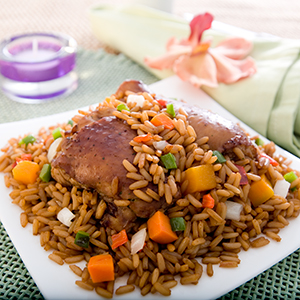
The food in Tobago is a mouthwatering medley of Caribbean, Latin American and African ingredients and recipes.
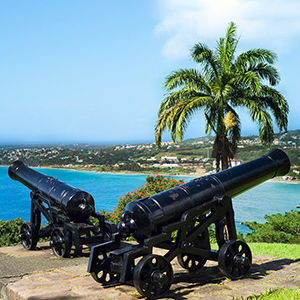
Tobago's history and heritage is everywhere, with forts, cannon and monuments memorialising battles that played out on this island over centuries.

Clean, green and serene, Tobago benefits from respectful tourism - conservation and social projects in Tobago help keep paradise, paradise.
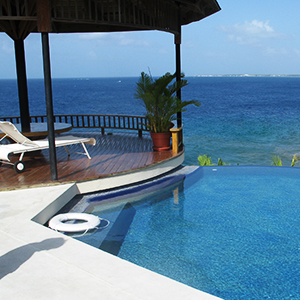
Our guide to Tobago accommodation reveals a world detached from the traditional Caribbean concept of gated off luxury and all inclusive resorts.
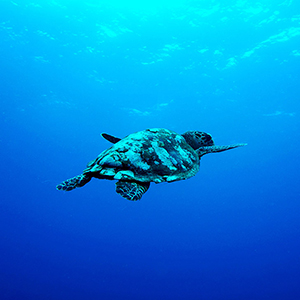
We visited Tobago to meet hotel and guesthouse owners, and sea turtle conservationists to ask them for their top Tobago travel advice.

What is the best way to travel to Tobago? It all depends on where you’re coming from. We explain more in our guide.
The Tobago Tourism Board share their thoughts on responsible tourism in Tobago and how it creates a unique experience for travellers.