Canary Islands map & highlights
Once you have walked the cloud forests of La Gomera, surfed at sunset on Lanzarote’s Famara Beach, trekked through volcanic El Hierro or the rich, subtropical laurisilva forests of Tenerife, you will start to see why people keep coming back to the Canary Islands again and again. As do the whales. And people have been listening to their songs for generations, so we should trust their wisdom in such matters.

El Hierro
1. El Hierro
The baby of the islands, it would win a Beautiful Baby competition if there still were such things. The capital, Valverde, overlooks the magnificent landscape like an eagle protecting her nest. With volcanic landscapes stretching up to 1,500m, there are cattle and sheep filled meadows, banana plantations and ancient pine forest to shade you from the near Saharan heat. And always the Atlantic to cool down in.
Fuerteventura
2. Fuerteventura
Only 20 percent of this island has been developed, leaving 13 protected natural areas, such as the galloping, gorgeous dunes at Corralejo with the backdrop of Montana Roja, or the volcanic landscape of Malpais Grande. Fuerteventura feels like another planet, outer space even, especially if you star gaze. The island has been awarded Starlight Reserve status, for its constellations, clarity and being generally out of this world.
Gran Canaria
3. Gran Canaria
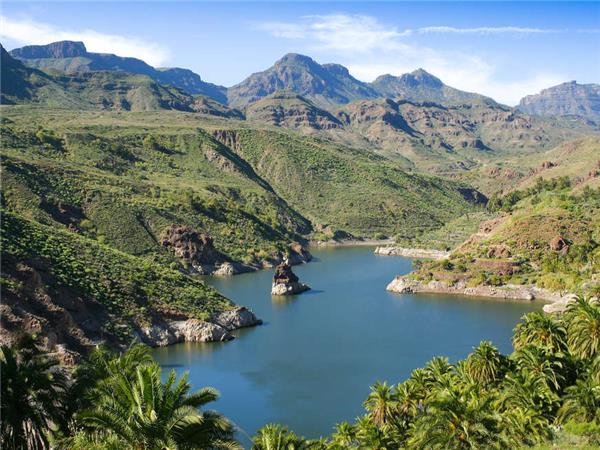
The island with the largest population, it also has some of the highest number of mountains, so you can easily find solitude and solace hiking here. Las Palmas is a big capital, but los pinos, or pines, are what dominate hikes in the hills, as you follow ancient mountain trails past inhabited cave villages such as Artenara, up to spectacular rocky ridges and down through green valleys such Tejeda and Las Tirajanas.
La Gomera
4. La Gomera
A green and luscious Canary, it is also quiet as it’s only accessible by ferry. With superb walking from sea level up to mountains crafted into terraced farmland, hike through banana plantations, rocky valleys and cloud forest. Top views from highest peak, Alto de Garajonay National Park, bring binoculars to look out for whales and dolphins; La Gomera is superb for whale watching trips, too.
La Palma
5. La Palma
La Palma takes the crown as the greenest island in the Canaries. The whole island is an UNESCO Biosphere Reserve, so you can hike through pristine tropical forests that plaster the peaks and troughs of the north. Down south, meanwhile, it’s cinematic views along the Route of the Lost Volcanoes. Fair warning: La Palma is also the steepest island in the Canaries, so pack your grippiest hiking shoes.
Lanzarote
6. Lanzarote
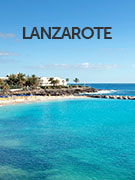
With the exception of a couple of overdeveloped resorts, the rest of this volcanic island is hiking, cycling and surfing paradise. The north was home to César de Manrique, an artist who fought until his death in 1992 for his beloved island to be sustainable, from architecture to agriculture. His ethos has inspired many local tourism businesses, with fishermen’s cottages or yurts overlooking quiet beaches.
Tenerife
7. Tenerife
A maze of hiking routes spreads out from the iconic, snow capped summit of Mount Teide, such as through the Anaga Mountains, where subtropical 'laurisilva' forest and vine covered terraces proffer beyond pretty perambulations. Or the heady heights of the La Caldera to Los Órganos circuit where dusty, cliff clinging trails awaken the senses. The highlight for many is hiking up into the mar de nubes or sea of clouds.
Gran Canaria walking tours, Canary Islands
This unique volcanic island reveals unexpected variety
From
£1080 to £1220
8 days
ex flights
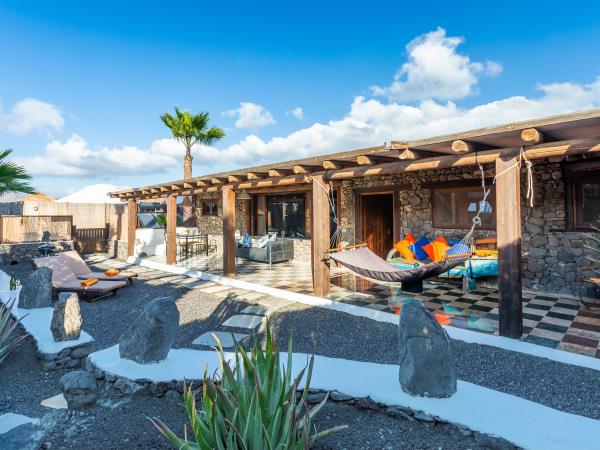
Lanzarote eco barn accommodation, Canary Islands
Self-catering stunning eco-accommodation, at the beach
From
€200 to €700
per accommodation per night
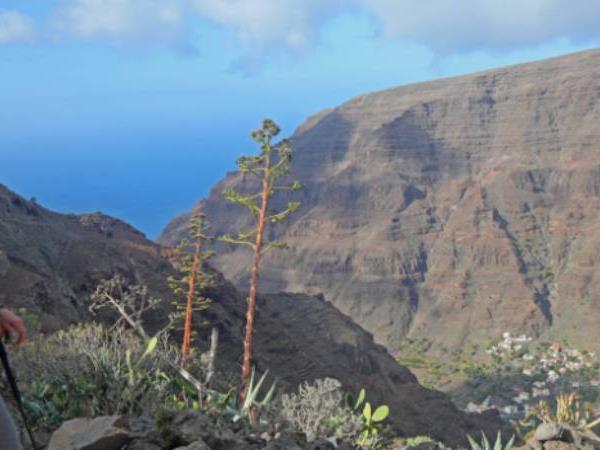
La Gomera self guided walking, Canary Islands
Beautiful walking through plantations, mountains and villages
From
£940
8 days
ex flights
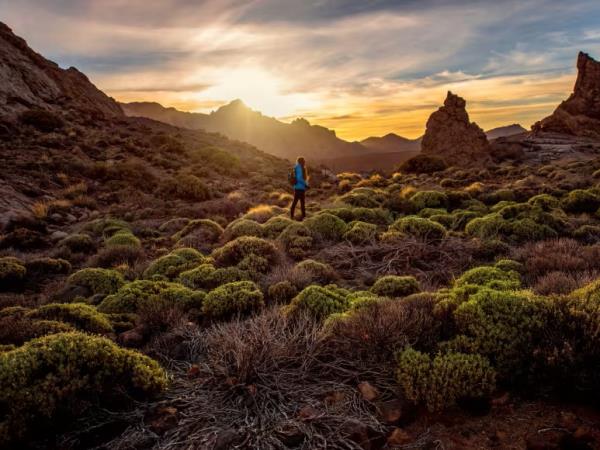
Tenerife and La Gomera walking holiday, Spain
Explore the most scenic Canary islands on foot
From
£1719 to £1879
8 days
ex flights
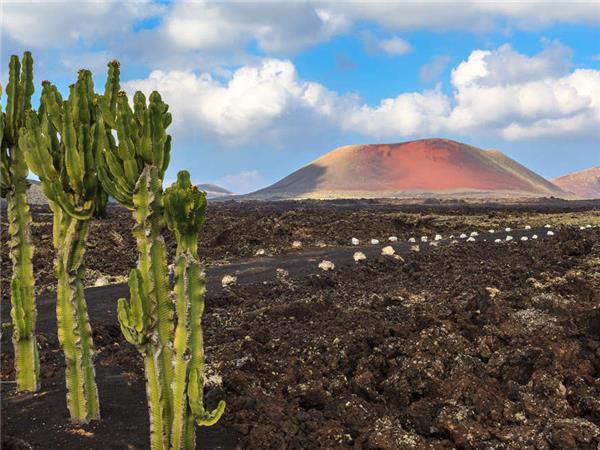
Lanzarote walking holiday in Canary Islands
Discover the unique landscape of Lanzarote
From
£1280 to £1395
8 days
ex flights
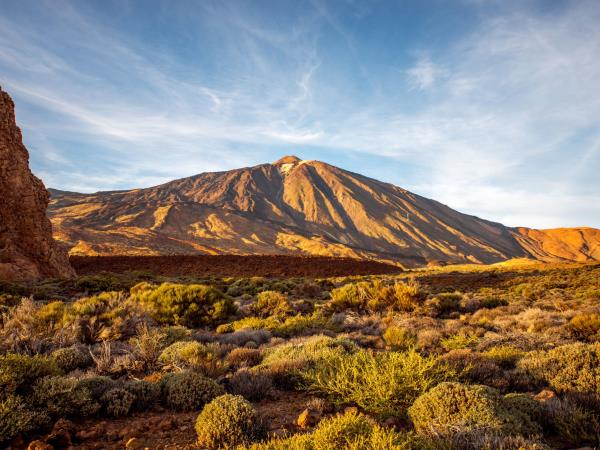
Tenerife walking holiday, 8 days
Discover captivating Tenerife and natural beauty Mount Teide
From
£2199 to £2249
8 days
inc UK flights


Contact Us

Call us for a chat about our holidays. We are happy to discuss your holiday and help in any way we can. No bots, queues or awful hold music.

01273 823 700
Call us until 4pm
Calling from outside the UK


Things to do on the Canary Islands...
Things not to do on the Canary Islands...
More Canary Islands articles
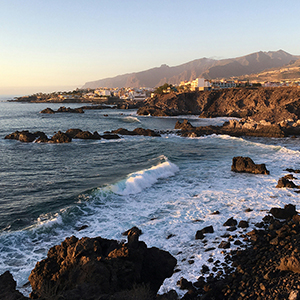
The best time to visit these islands is often completely out of their peak season.
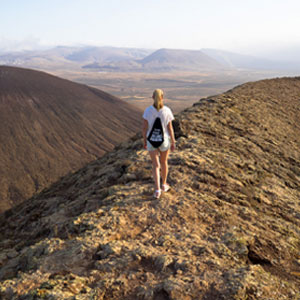
Our Canary Islands travel guide uncovers the secret spots well off the tourist radar.
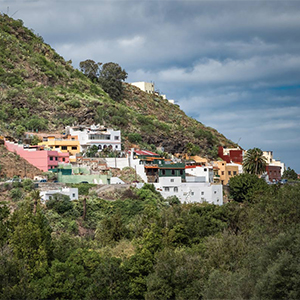
We offer tips on how to choose your hotel wisely, so you can explore the heart of the islands.
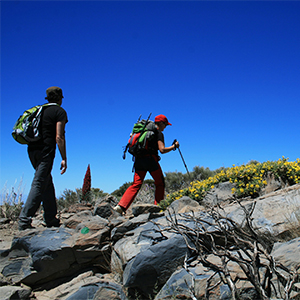
Walking reveals a side of the archipelago that many visitors don’t realise exists.
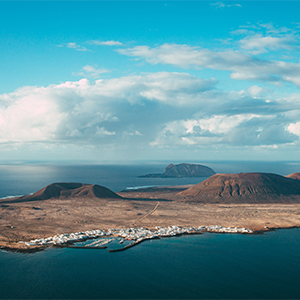
Lanzarote is for rebellious spirits and home to pioneers of ecotourism.
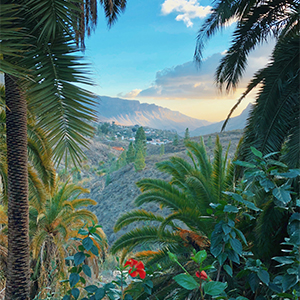
We’ve spoken to our experts to source the very best travel tips for these islands.
Responsible holidays in the Canary Islands start and end with responsible tourism.