Best time to visit the Canary Islands

The Canary Islands’ reputation as Europe’s finest winter sun destination is well-earned![]()

The Canary Islands are hot most of the year, and even when they’re not hot, they’re warm, only falling below 20°C in January or February, and then usually only in elevated areas. In July and August, average temperatures hover around 30°C, somewhat relieved by a cooling coastal breeze in most places. They dip to delightful in September and October, and can be the best time to visit the Canary Islands, when the sea is still lovely and warm for swimming. For hikers, almond trees are in bloom in January and February on Gran Canaria, and the wildflowers, from corn poppies to Cirsium come out to dance in March and April. As do whales and dolphins.

A month by month guide on when to go to the Canary Islands
January in the Canary Islands
- Water sports
- Winter sun
- Occasional showers
February in the Canary Islands
- Carnival
- Low season
- Coldest month
March in the Canary Islands
- Walking
- Carnival
- Spring weather
April in the Canary Islands
- Shoulder month
- Easter breaks
- Temperatures rising
May in the Canary Islands
- Dry weather
- Beaches getting busy
- La Gomera
June in the Canary Islands
- Rising temperatures
- Peak season begins
- Corpus Christi Festival
November is wine time, with vines being harvested and festivals to celebrate. A great time to go on a walking break with plenty of wine tasting thrown in![]()
July in the Canary Islands
- Peak season
- Summer music events
- Beaches & swimming
August in the Canary Islands
- Hottest month
- Family holidays
- Peak season prices
September in the Canary Islands
- Autumn
- Temperatures cool
- Less busy
October in the Canary Islands
- Walking
- Grape harvest
- Sultry weather
November in the Canary Islands
- Whale watching season starts
- Changeable weather
- Low-season deals
December in the Canary Islands
- Stargazing
- Cool in evenings
- Occasional showers
Canary Islands Weather Chart
MIN °C
MAX °C
RAIN (mm)
JAN
13
18
64
FEB
12
19
55
MAR
13
20
42
APR
13
20
33
MAY
15
21
13
JUN
16
23
7
JUL
18
26
1
AUG
19
27
3
SEP
19
26
12
OCT
17
24
41
NOV
16
21
65
DEC
14
19
74
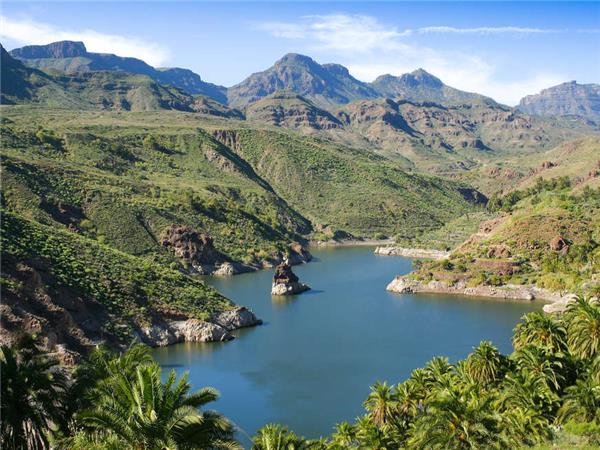
Gran Canaria walking tours, Canary Islands
This unique volcanic island reveals unexpected variety
From
£1080 to £1220
8 days
ex flights
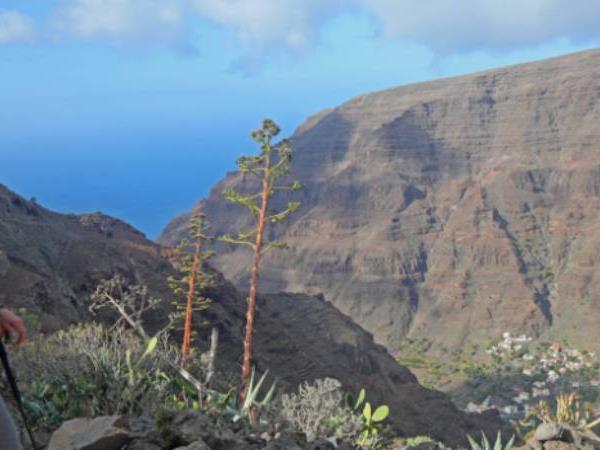
La Gomera self guided walking, Canary Islands
Beautiful walking through plantations, mountains and villages
From
£940
8 days
ex flights
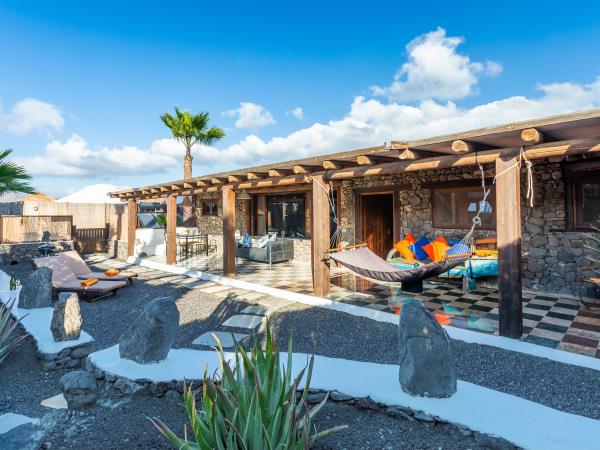
Lanzarote eco barn accommodation, Canary Islands
Self-catering stunning eco-accommodation, at the beach
From
€200 to €700
per accommodation per night
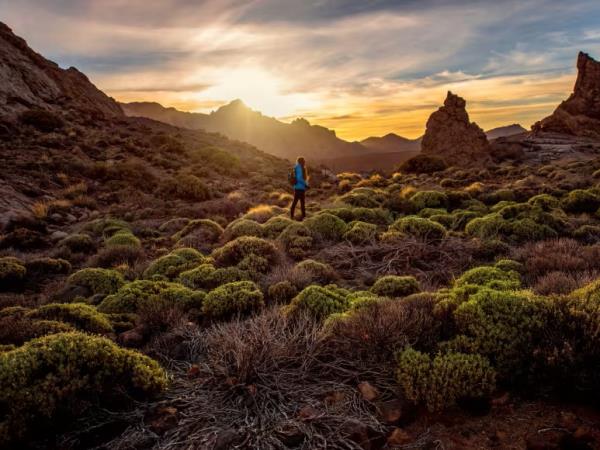
Tenerife and La Gomera walking holiday, Spain
Explore the most scenic Canary islands on foot
From
£1719 to £1879
8 days
ex flights
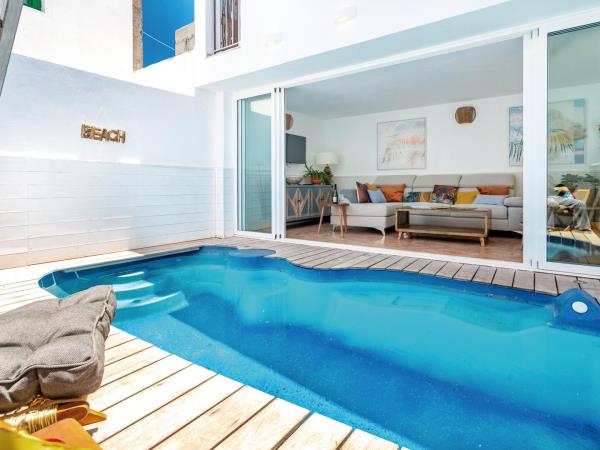
Lanzarote beach house, Canary Islands
Beautiful Villa 100m to beach, private plunge pool & Wifi
From
€160 to €400
per accommodation per night (sleeps 2-4)
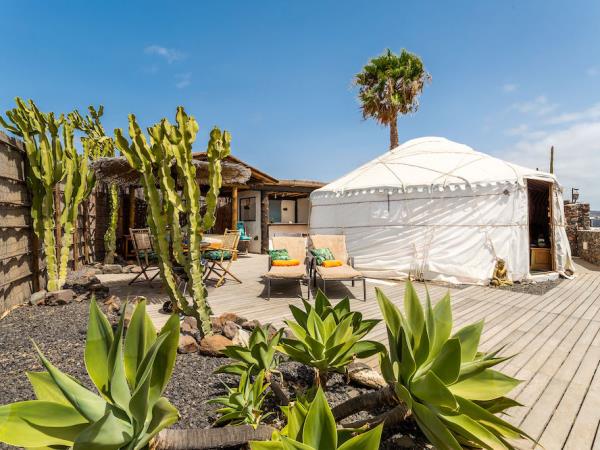
Luxury yurt accommodation in Lanzarote, Canary Islands
Off grid eco yurt & by the beach restaurants
From
€170 to €500
per accommodation per night


Contact Us

Call us for a chat about our holidays. We are happy to discuss your holiday and help in any way we can. No bots, queues or awful hold music.

01273 823 700
Call us tomorrow after 9am
Calling from outside the UK


Best times to visit the Canary Islands for festivals & events
Carnival (February / March)
Carnival, which begins in either February or March depending on when Easter falls, is the biggest event of the cultural calendar in the Canary Islands. Every island, indeed every town, has its own celebrations, with those of Gran Canaria and Tenerife being a riot of colour featuring parades, music and dance performances and vibrant costumery. And since the Canary Islands are generally quite warm and sunny through winter, you can enjoy the party under a lovely sunny sky.
Corpus Christi, Tenerife (May / June)
La Orotava, in northern Tenerife, hosts one of the islands’ oldest traditional and most creative festivals between May and June, when the town’s beautiful historic centre is festooned with flower petals. These floral carpets often depict religious iconography, while a highlight of the event is an image of the island’s volcanic Mount Teide, made of sand. Local people compose the scenes through the night, before a religious procession walks along them the following day.
The Bringing of the Water, Gran Canaria (August)
With average temperatures in the mid-30s°C, any excuse to cool off is welcome. And in Telde, on Gran Canaria, the Festival of Our Lady of the Snows culminates with an event in the Lomo Magullo neighbourhood when participants take part in a giant water fight. The event has its roots as an invocation of rain – in a place as bone-dry as the Canary Islands, the importance of rainfall cannot be overstated. On Gran Canaria, the Fiesta de la Rama, where people wave branches and thrash the sea with them, is also an appeal to the heavens for water.
Fiesta of the Virgin of Guadalupe, La Gomera (October)
On a Catholic saint’s feast day, their statue is brought out of the church and borne aloft through the streets in an expression of faith and devotion. Held every five years on La Gomera, the Fiesta of the Virgin of Guadalupe is a religious festival paying tribute to the island’s patron saint, as well as La Gomera’s seafaring tradition. It is the only ‘descent’ in the islands that takes place on water, as her statue travels by fishing boat.
Visual Music Festival, Lanzarote (October)
Lanzarote’s dramatic volcanic landscapes make a fitting backdrop for this avant-garde festival of experimental music, created by the multidisciplinary artist Ildefonso Aguilar, a resident of the island. A host of renowned Spanish and international performers descend on Lanzarote every October to perform works such as sound installations, films and concerts that spectacularly fuse music and imagery with the natural environment.
Our travellers also ask…
Is there a rainy season in the Canary Islands?
The Canary Islands do not have a rainy season, and even during the winter months (December to February) precipitation is low. Islands such as Gran Canaria see as little as 135mm of rain over the course of a year, leading to arid landscapes throughout the archipelago.
When should I not go to the Canary Islands?
There is no bad time to go to the Canary Islands. That said, if you want to avoid heat, crowds and high prices you should avoid the summer (late-June to August). The winter (December to February) can see changeable, sometimes overcast weather with wind likely and sporadic showers. But the Canary Islands typically still enjoy much better weather in this period than mainland Europe, making it a reliably popular destination for winter sun-seekers.
What is the warmest Canary Island year-round?
Lanzarote is the warmest Canary Island, year-round, as it lies closest to the Sahara Desert, though other islands such as Tenerife or Gran Canaria may top it in some months. Even Lanzarote’s landscapes feel hot, all black sand beaches, volcanic craters and stark, rugged rock.
What is the cheapest time of year to visit the Canary Islands?
The cheapest time of year to visit the Canary Islands is winter (December to February). This is the winter low season, yet it remains a perfectly good time to visit as the weather is usually sunny. Temperatures are just fine for walking on islands such as Gran Canaria and La Gomera, with the occasional overcast day or shower not likely to affect your enjoyment. And with the wind picking up a little, this is also a popular season to visit for surfers and windsurfers.
More Canary Islands articles
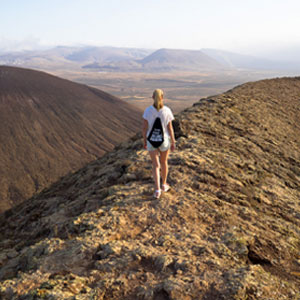
Our Canary Islands travel guide uncovers the secret spots well off the tourist radar.
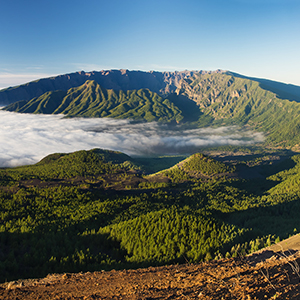
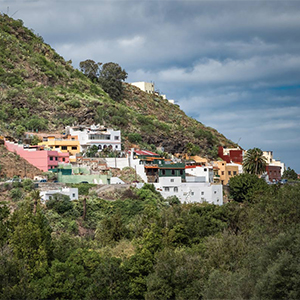
We offer tips on how to choose your hotel wisely, so you can explore the heart of the islands.
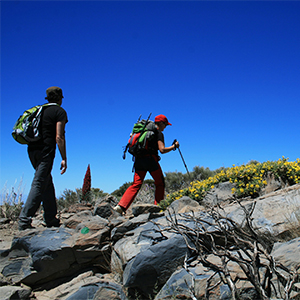
Walking reveals a side of the archipelago that many visitors don’t realise exists.
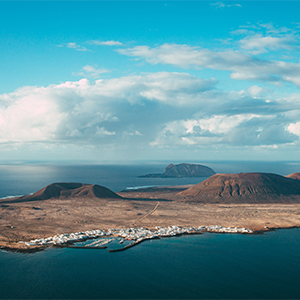
Lanzarote is for rebellious spirits and home to pioneers of ecotourism.
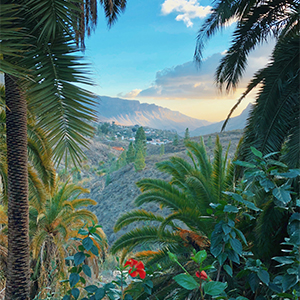
We’ve spoken to our experts to source the very best travel tips for these islands.
Responsible holidays in the Canary Islands start and end with responsible tourism.