Walking the Northumberland Coast Path

The Northumberland Coast Path invites you to kick off your shoes and take a walk on the tideline.![]()

Do you dare cross the Pilgrim’s Way to the Holy Island of Lindisfarne? The iconic isle’s castle and abbey ruins waver just off the coast like a mirage, cut off twice a day by a racing tide that sweeps across the mudflats.
For the prepared, it’s a case of being very sure of timings, taking off your shoes, and walking the mudflats barefoot, following the pole markers, just as pilgrims have done for centuries before on their journey to Lindisfarne Priory. For the unprepared – that’s a good 10 or so people a year – it’s a case of making for the refuge boxes and sheepishly calling for rescue.
I looked at the tide times, read the warnings written out in capitals and double-underlined, considered my trainers… and sensibly didn’t dare.
Our Northumberland walking holidays, however, do dare. That’s because they’re designed by experts who encourage you to cross by supplying you with the local knowledge and confidence – or a guide with the knowledge and confidence – to help you complete one the most iconic walks of the Northumberland Coast Path. And if time, tide or confidence levels aren’t in your favour, they’ll gamely get you there by bus, car or boat instead.
For the prepared, it’s a case of being very sure of timings, taking off your shoes, and walking the mudflats barefoot, following the pole markers, just as pilgrims have done for centuries before on their journey to Lindisfarne Priory. For the unprepared – that’s a good 10 or so people a year – it’s a case of making for the refuge boxes and sheepishly calling for rescue.
I looked at the tide times, read the warnings written out in capitals and double-underlined, considered my trainers… and sensibly didn’t dare.
Our Northumberland walking holidays, however, do dare. That’s because they’re designed by experts who encourage you to cross by supplying you with the local knowledge and confidence – or a guide with the knowledge and confidence – to help you complete one the most iconic walks of the Northumberland Coast Path. And if time, tide or confidence levels aren’t in your favour, they’ll gamely get you there by bus, car or boat instead.

Looking beyond Lindisfarne: dunes, smokehouses & Grace Darling
The near-mythical isle of Lindisfarne might be the highlight of the Northumberland Coast Path for many, but it was just the beginning for me. Instead, I kicked off my shoes and padded along the tideline between fishing harbours and windswept castles. I bought a tub of langoustines and picnicked on top of a white-gold dune with views over the Farne Islands. I spotted a motley crew of eider geese, sandpipers, razorbills and swallows – and I’m sure I saw a shearwater slicing above the waves. I stumbled across the Victorian heroine Grace Darling’s museum – and was later gutted to discover that I’d managed to miss her memorial in the graveyard opposite, which is poised so that passing seafarers can spot it.Our holidays don’t miss those sorts of treasures; they’re carefully written into each itinerary. They feature highlights that you’d otherwise miss – like a stay in a 300-year-old coaching inn or a tour of a smokehouse that’s been feeding Northumberland for generations.
Some of our trips are guided small group tours of Northumberland departing on set dates, usually in May, July and September. Others are self guided walking holidays where you can take the route at your own pace – or pick your favourite parts. Our self drive holiday in Northumberland even sets you up with your own car for full flexibility. Breakfast and sometimes dinner are included, but lunches are often your own, helping to support the cosy cafés, bakeries, pubs and seafood shops in remote seaside spots.
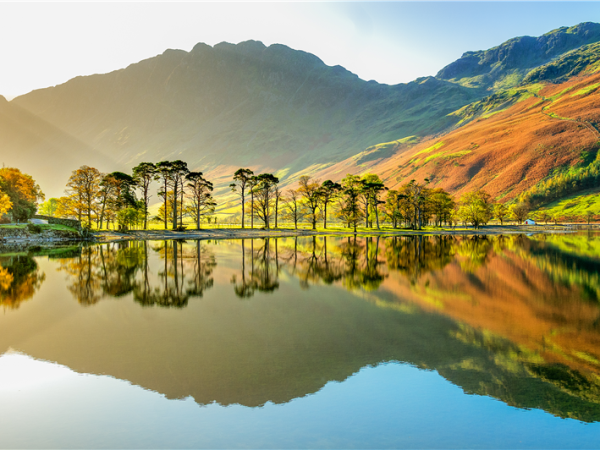
Lake District walking holiday, England
Scenic fells and lake views of Britain's Lake District
From
£1479
8 days
ex flights
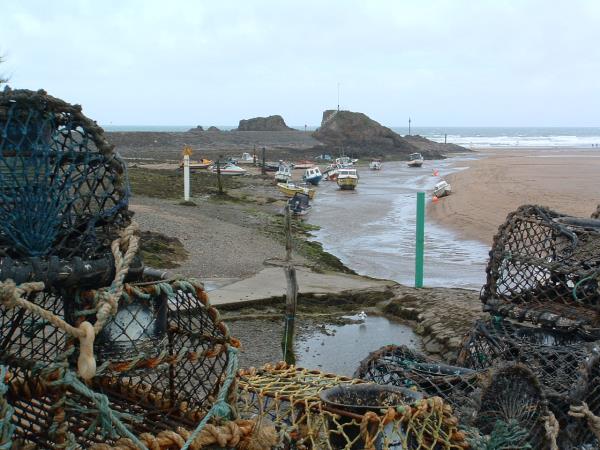
South West Coast Path walking holiday, England
Bude to Newquay along the South West Coast Path
From
£1156 to £1956
9 days
ex flights
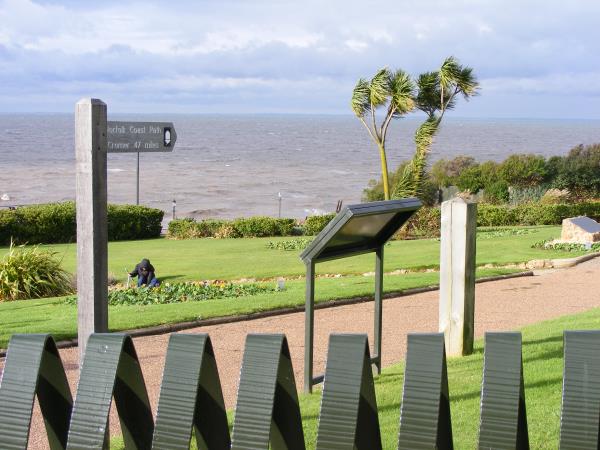
Norfolk Coast Path walking holiday, England
Self-guided walking along one of England's National Trails
From
£906 to £1506
7 days
ex flights
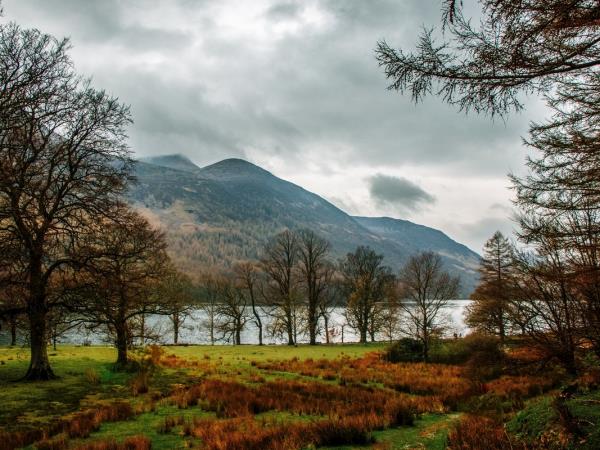
Lake District walking holiday
Relax and discover the natural beauty of the Lake District
From
£699 to £799
5 days
ex flights
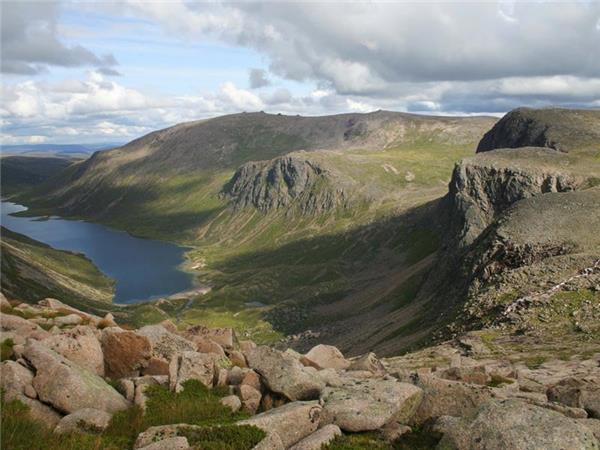
National parks of the UK walking holiday
Hike in 5 national parks of Scotland and England
From
£3588
0 days
ex flights
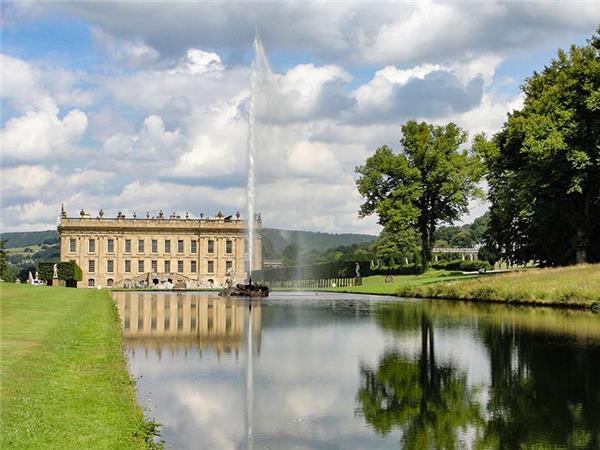
Highlights of Northern England walking tour
Explore Yorkshire Dales, Lake District and Peak district
From
£4825
10 days
ex flights


Contact Us

Call us for a chat about our holidays. We are happy to discuss your holiday and help in any way we can. No bots, queues or awful hold music.

01273 823 700
Call us after 10am
Calling from outside the UK


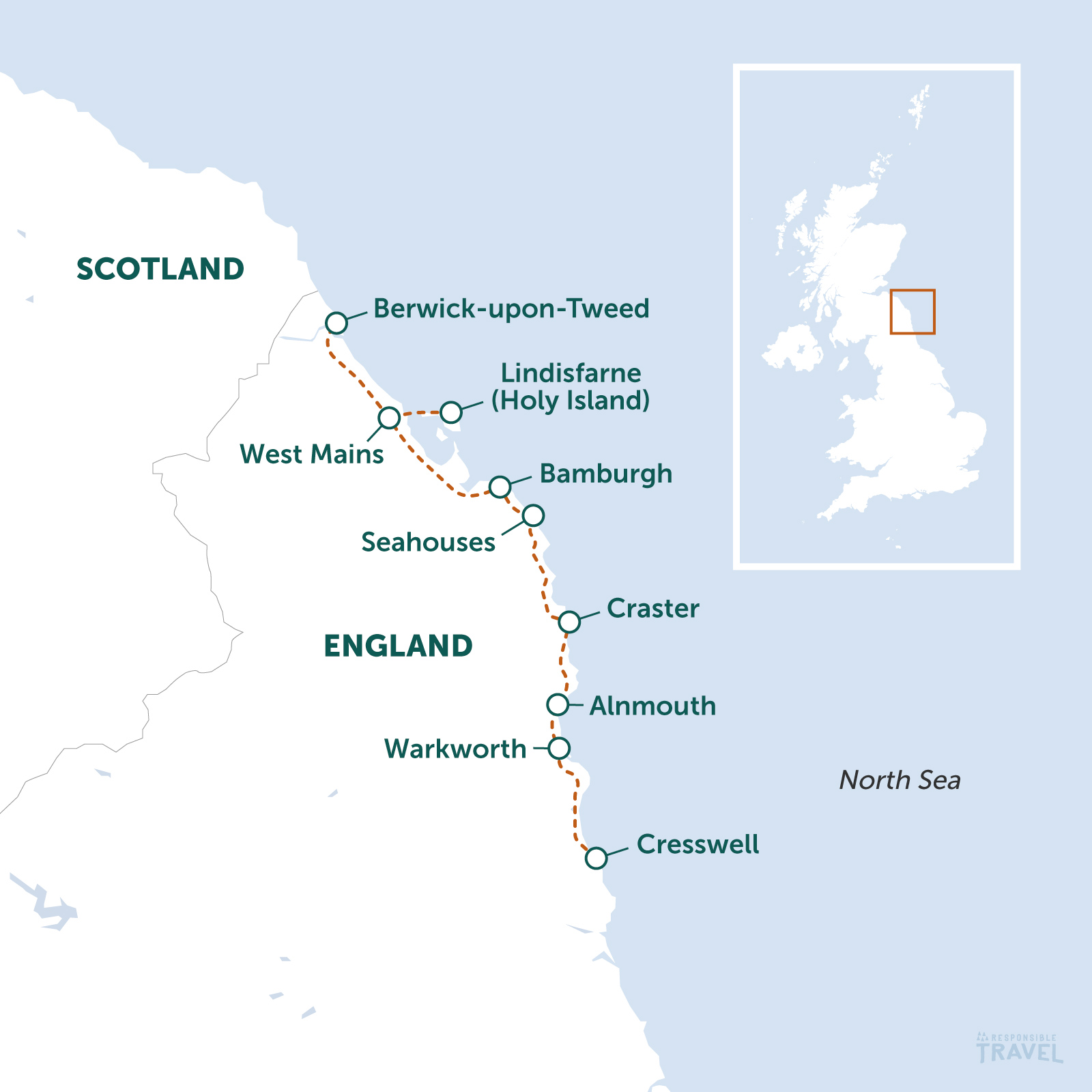
Northumberland Coast Path map
How long is the Northumberland Coast Path?
The Northumberland Coast Path is 103km long, stretching between the village of Cresswell in the south to Berwick-upon-Tweed in the north, just shy of the Scottish border. If travelling from south to north you’ll go through Druridge Bay, Amble, Alnmouth, Craster, Seahouses and Bamburgh Castle. At that point the route dips inland to Belford village for a glimpse of the Cheviot Hills on the Scottish Borders before heading back to the coast, bound for Lindisfarne. Then it’s onwards, north to Berwick-upon-Tweed via clifftop trails and sandy beaches.
Highlights of the Northumberland Coast Path
Lindisfarne: the Holy Island
Lindisfarne’s reputation precedes it – by 1,500 years or so. It’s one of the earliest Christian sites in the UK, where St Aidan founded a monastery in 635 before Viking raids burned it down 100 years later. It was also home to St Cuthbert – of the St Cuthbert’s Way pilgrimage route – and now has a village, fishing pier, castle, bird hide and 12th-century priory ruins that include a floating ‘rainbow bridge’. Visit on foot or by car, bus or boat, but always be aware of the tide times. Even better – go with a guide.
Farne Islands: for seabirds & seals
There’s life beyond Lindisfarne! The surrounding Farne Islands are sharp-edged and wild, and a vital breeding ground for seabirds. Go in April to see puffins return, May for handsome nesting eider ducks, June for cliffs clamouring with seabirds, and July for baby guillemots known as jumplings (three guesses as to how they take their first dip in the sea). There’s another famous resident: the Atlantic grey seal, which has a pup season that peaks in October. Chat to our experts about booking a boat trip to the Farne Islands from Seahouses.
Bamburgh Castle: dunes, beach & a Victorian heroine
Could Bamburgh be the best beach on the Northumberland coast? With its powdery white-gold sands, protected grassy dunes and beachside castle, it’s certainly a contender. Unfortunately, for all its fairy-tale grandeur, Bamburgh Castle’s beauty is largely skin-deep, thanks to an OTT Victorian makeover. The museum, however, traces a more interesting history of the site which has been a defensive position for Northumberland kings and wannabe kings since the Celtic Britons were around. The village is a whorl of pretty stone houses, outdoorsy shops and a museum dedicated to Victorian heroine Grace Darling. The lighthouse keeper’s daughter helped rescue five survivors from a ship wrecked in the Farne Islands in 1838, and is buried in the churchyard opposite within view of the sea.
Craster: the spiritual home of smoked kippers
There’s another darling to celebrate in Craster. Villagers, including the legendary L. Robson and Sons, have been curing herring – or ‘silver darlings’ – in smokehouses here since 1856. You can taste them at the fishmongers, seafood restaurant or seasonal food van in the car park. The rest of the village is a pleasant wander too thanks to the scallop-shaped harbour and houses in shades of blue and grey stone. The coastal path heads north to…
Dunstanburgh Castle: the royal ruins
Dunstanburgh Castle is about a 30-minute walk north of Craster along the Northumberland Coast Path. It was built in 1313 for Earl of Lancaster, who opposed his cousin King Edward II – and built the fortification on the basalt headland with six towers, a gatehouse and surrounding views of the wild North Sea to really underline his rebellion. These days its ruins are home to more seabirds than royal rumbles. Queen Margaret’s Cove lies below, home to a chattering colony of kittiwakes – the largest in Northumberland – and razorbills with their sleek black-and-white wetsuits. Pack your scarf and hat; it gets windy up here, but it’s well worth sticking around to take in the conch-shell acoustics of the crashing waves.
Boulmer: smugglers’ stories & rockpooling
Or should we say Boulmarrrr? This unassuming fishing village was a haunt of pirates and smugglers who would hide goods here to smuggle over the Scottish border. The arrival of the RAF airfield in World War II put a stop to that. Now it’s a place in which to watch the world go by – preferably at the former smuggling hub, the Fishing Boat Inn. Alternatively, wander the sandy sweep of the beach, where fishermen tow their blue cobles – flat-bottomed fishing boats – into the sea by tractor. Stick around for low tide if you can; it reveals a lattice of rockpools and lava-like rock formations.
Seahouses: seafood central
“I love working here,” said a shopkeeper as I topped up my chocolate supplies. “You see the whole world come by.” Seahouses is one of the most popular spots on the Northumberland Coast Path but that’s not necessarily a bad thing. It means this little harbour town is well stocked with things to do. You can take your pick of boat trips for starters: join pilgrims bound for Lindisfarne, wildlife lovers looking for grey seals and puffins, or romantics chasing the perfect (if chilly) sunset. The family-run fish and chip shops are topped up with local specialities like freshly landed crab and lobster. There’s also often a seafood van at the harbour – great for lobster rolls, sweet langoustines and pots of shellfish.
St Aidan’s Dunes: dunes with a view
Save your Seahouses langoustines for the 20-minute walk north to St Aidan’s Dunes. This place was my highlight of the Northumberland Coast Path – barely mentioned in guidebooks and just a note on the OS map. Here you can race up shifting sands to the highest dune for views right over the coast – and then surf back down into a valley of sand. Help protect the dunes by sticking to the soft sandy marked paths that weave through the silvery green marram grass. Eventually you’ll be deposited on the wide golden beach that leads south to Seahouses and north to Bamburgh.
Amble: North Sea port town
How can we not mention Amble on a walking guide to the Northumberland Coast Path? It’s the liveliest port you’ll come across, thanks to its history as a shipbuilding and fishing hub that experienced a boom when the collieries of Northumberland opened, along with an accompanying railway line. It’s got a marina, gift shops and restaurants, a watersports centre, and a pastel rainbow of beach huts that bows along the beach.
Druridge Bay: Northumberland’s seven-mile beach
The Northumberland Coast Path starts as it means to go on at Druridge Bay, following 11km of beach and wind-torn dunes. Weatherbeaten pillboxes and anti-tank blocks serve as reminders of its wartime history when this peaceful stretch was flagged as a potential invasion point in World War II. Druridge Bay Country Park sits in the middle of it all, with a lake, café and woodland to wander.
Berwick-upon-Tweed: the border town
Berwick-upon-Tweed is the most northerly town in England and the start (or finish) of our Northumberland Coast Path walking holidays. Wander the medieval town walls, peruse the indie shop on West Street, and follow the history trails that take you through four centuries of border battles between England and Scotland. A walk along the River Tweed reveals the towering railway viaduct that transports passengers between Edinburgh and London, designed by Robert Stephensen – son of the original ‘Father of the Railways’.
More England walking articles

Our guide encourages you to extend a city break into a country break, push your way up peaks, and seek long-distance trails.
Don’t always plump for the summer months; remember that England is open all seasons.
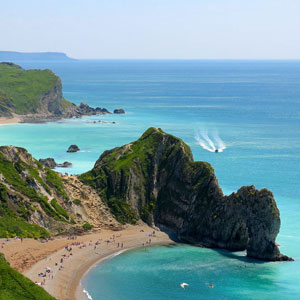
We've identified some of our favourite spots to help you choose where to go.
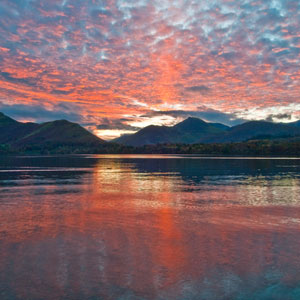
Our top 10 walks in England will see you wander in the footsteps of pilgrims.
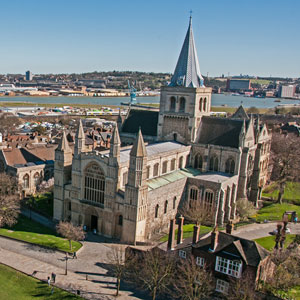
Read about the Pilgrims’ Way, a long-distance walking route between Winchester and Canterbury.

Walk the fells, loop the lakes, and explore the waterways of the Lake District.
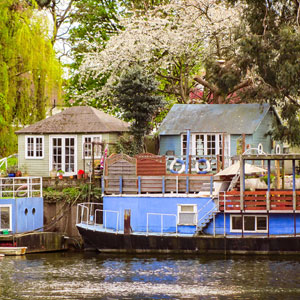
Walking the Thames Path is about more than the challenge of completing a linear trail. This is a historic hike.
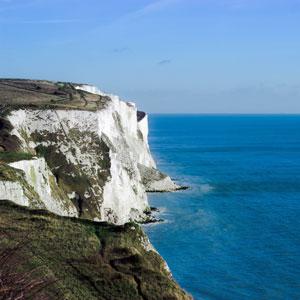
Walk the White Cliffs of Dover, one of Britain’s most impressive and symbolic landscapes.
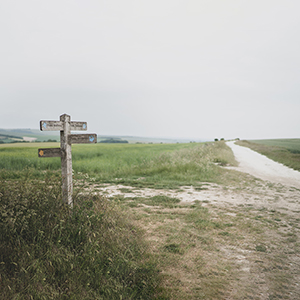
Take your time and treat yourself to a holiday rather than a route march.
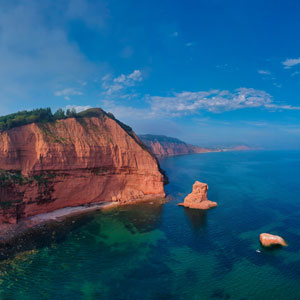
Split the path into smaller sections on our brilliant walking holidays.

We have some great advice for walking in England from our expert holiday partners.

There are various things to consider when it comes to responsible walking in England.





,_Seahouses_-_geograph.org.uk_-_6958037.jpg)