Am I fit enough to climb Kilimanjaro?
You want to be in good physical shape to climb Kilimanjaro, but there’s no need to be super-fit. This is a trek, not a climb after all, and if you can run for 30 minutes two to three times a week, and enjoy an all day hike at weekends, you should be fine. That said, many people do underestimate Kili. Its conical shape, rising straight up out of the plains, leaves little time to develop a head for heights and, unlike on other treks, if altitude sickness kicks in that’s it. There isn’t the infrastructure or support to rejoin your group for the final ascent. Read more about how fit you need to be to climb Kilimanjaro, and how to prepare.

How fit do I need to be?
Having a high level of physical fitness will make your climb easier and more enjoyable, but you don’t need to be a daily gym goer. Plenty of people who are not at the peak of physical performance have climbed this mountain. Nor do you require any real experience; the routes may be long and arduous, but they’re not technical.
As a rough guide for determining whether you are fit enough for the climb, if you are happy hill walking for six to seven hours, with an ascent of 1000m (the height of Mount Snowdon in Wales) then you should be able to trek Kilimanjaro. If you’re a keen walker already clocking up regular miles, and you can keep pace during an hour’s cardio class at the gym, then you’re well on your way to reaching your fitness goal.
As a rough guide for determining whether you are fit enough for the climb, if you are happy hill walking for six to seven hours, with an ascent of 1000m (the height of Mount Snowdon in Wales) then you should be able to trek Kilimanjaro. If you’re a keen walker already clocking up regular miles, and you can keep pace during an hour’s cardio class at the gym, then you’re well on your way to reaching your fitness goal.
You won’t have to worry about being weighed down during the trek, local porters are employed to help carry your kit, but you will be expected to trek with a 30-40 litre daypack – so be sure to pack light. Trails are mostly well defined but can be slippery in wet weather, and the final ascent consists exclusively of scree and loose rocks. A decent pair of walking boots will make a world of difference, but you can anticipate tired ankles and knees.
As much a part of your success as your fitness is your mental preparedness. Walking up to seven hours a day, seven days a week requires an “eat, walk, sleep, repeat” routine. Altitude affects your appetite, but it’s essential to keep your energy and hydration levels up. This trek will be a test of your psychological endurance.
Andrew Appleyard , from our partner Exodus, says:
“We find that solo females and older walkers tend to be much better at making a steady and successful ascent. They have more experience of walking in the UK and are better in terms of ‘body maintenance’ – keeping on top of bodily fluids, staying hydrated. Slow and steady wins the race. I’d prepare for this trek the same way I would prepare to run the London Marathon. You have to have it in your mind that you’re going to finish.”
As much a part of your success as your fitness is your mental preparedness. Walking up to seven hours a day, seven days a week requires an “eat, walk, sleep, repeat” routine. Altitude affects your appetite, but it’s essential to keep your energy and hydration levels up. This trek will be a test of your psychological endurance.
Andrew Appleyard , from our partner Exodus, says:
“We find that solo females and older walkers tend to be much better at making a steady and successful ascent. They have more experience of walking in the UK and are better in terms of ‘body maintenance’ – keeping on top of bodily fluids, staying hydrated. Slow and steady wins the race. I’d prepare for this trek the same way I would prepare to run the London Marathon. You have to have it in your mind that you’re going to finish.”
Which route should I choose?
The easiest route up Kilimanjaro is often thought to be the Marangu route, the so called ‘Coca cola’ route. Best known as being the only one that offers hut accommodation, Marangu is also misleadingly referred to as the tourist trail. However, with too many trekkers attempting to summit in the minimum five days required for this route, and many underestimating its physical challenge, it’s actually the route with the lowest success rate.
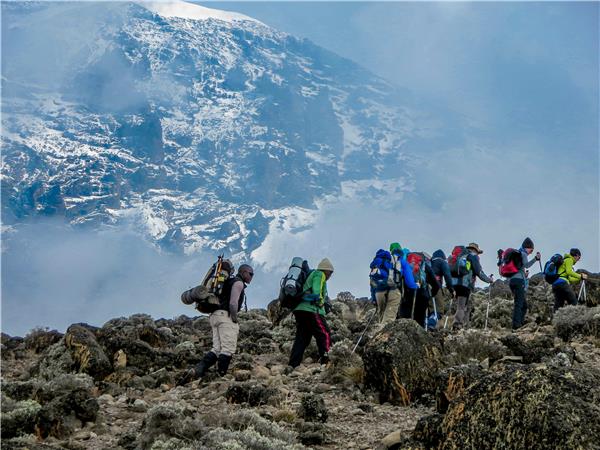
The choice with the greatest chance of success is the Lemosho route. An estimated 90% of all trekkers who take this track make it to the top. One of the newer routes on Mount Kilimanjaro, this particularly scenic path is also one of the longest, taking up to eight days to complete. Allowing lots of time to acclimatise makes it an ideal choice for anyone new to high altitude environments.
The choice with the greatest chance of success is the Lemosho route. An estimated 90% of all trekkers who take this track make it to the top. One of the newer routes on Mount Kilimanjaro, this particularly scenic path is also one of the longest, taking up to eight days to complete. Allowing lots of time to acclimatise makes it an ideal choice for anyone new to high altitude environments.
Lemosho Route Kilimanjaro Climb
Eight days of trekking on Africa's highest mountain
From
£3812 to £4155
10 days
ex flights
Tanzania tour with Kilimanjaro and Zanzibar
Kilimanjaro, 5 national parks and Zanzibar beach break
From
US $4500 to US $5500
12 days
ex flights
Climbing Kilimanjaro Marangu route holiday, Tanzania
Classic Kilimanjaro trek up the Marangu Route.
From
£1720 to £2540
8 days
ex flights
Kilimanjaro Lemosho trek and safari in Tanzania
Challenging trek to the summit of Mount Kilimanjaro
From
£3400 to £4465
13 days
ex flights
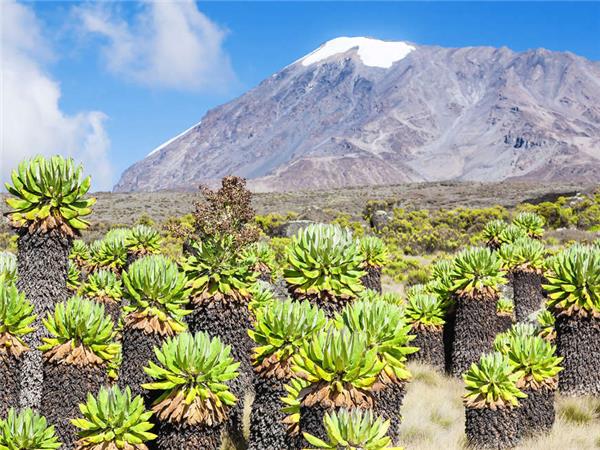
Lemosho trek up Kilimanjaro
Strenuous route up Africa's highest peak
From
£2340 to £3075
10 days
ex flights
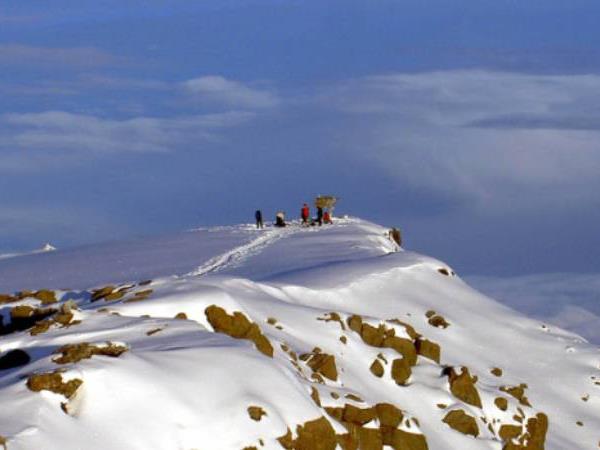
Climb Kilimanjaro, Rongai Route
Summit the highest peak in Africa
From
£2290 to £2390
8 days
ex flights


Contact Us
Call us for a chat about our holidays. We are happy to discuss your holiday and help in any way we can. No bots, queues or awful hold music.

01273 823 700
Call us until 4pm
Calling from outside the UK

Advice for walking at high altitude
Good fitness will get you so far but when it comes to reaching the top, it’s all down to your ability to adapt to the altitude. While being fitter puts you at a lower risk of developing altitude sickness, it is very difficult to predict whether or not you will be susceptible to it. Someone very fit can suffer, while someone who is new to mountain trekking may find they adapt more quickly to the higher altitude conditions.
If you don’t have the luxury of living in a part of the world that allows you to train at altitude, spending some money training at a specialist centre is an option. But by far the most important thing you can do choose a tour that spends longer on the mountain, allowing you more time to adjust, and not make the ascent too quickly. Routes that allow you to walk high and sleep low, zigzagging up and down over the course of the trek, and taking six or more days to summit, have the highest success rate.
Of course, your guides will be trained to recognise the symptoms of altitude sickness and respond appropriately with first aid, or arrange for you to descend the mountain if necessary. However, it is important that you also keep an eye on your own symptoms and know what to watch out for. For more information, read our guide to avoiding altitude sickness during high altitude trekking.
If you don’t have the luxury of living in a part of the world that allows you to train at altitude, spending some money training at a specialist centre is an option. But by far the most important thing you can do choose a tour that spends longer on the mountain, allowing you more time to adjust, and not make the ascent too quickly. Routes that allow you to walk high and sleep low, zigzagging up and down over the course of the trek, and taking six or more days to summit, have the highest success rate.
Of course, your guides will be trained to recognise the symptoms of altitude sickness and respond appropriately with first aid, or arrange for you to descend the mountain if necessary. However, it is important that you also keep an eye on your own symptoms and know what to watch out for. For more information, read our guide to avoiding altitude sickness during high altitude trekking.
Andrew Appleyard, says:
“We have guides who’ve climbed Kilimanjaro 542 times. Our guides can tell you exactly who is going to make it, or who is going to need to drink more fluid the following day. They’re experts in assessing people.”
“We have guides who’ve climbed Kilimanjaro 542 times. Our guides can tell you exactly who is going to make it, or who is going to need to drink more fluid the following day. They’re experts in assessing people.”
Kilimanjaro training tips
More Kilimanjaro articles
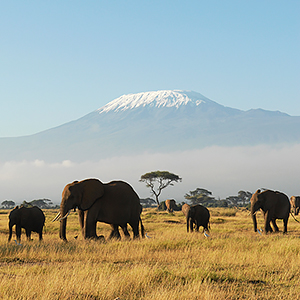
There's a reduced chance of rain and warmer temperatures in Jan, Feb and March.
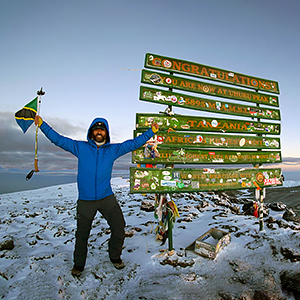
Summiting Africa's top peak is an extraordinary achievement.
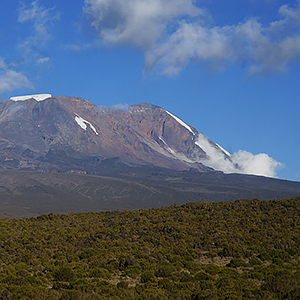
We highly recommend the Lemosho Route for reaching Kilimanjaro's summit.
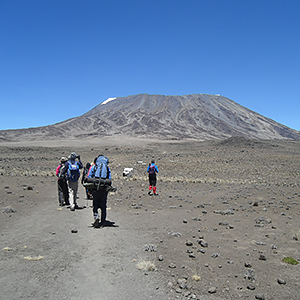
The route takes six to seven days to complete, involving a fairly gentle ascent.
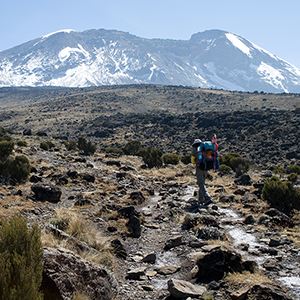
The Machame Route is a seven day trek through varied landscapes.
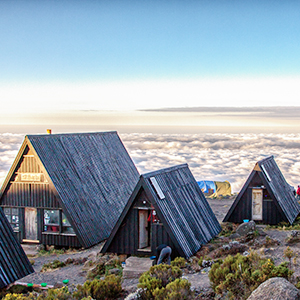
Many climbers opt for the five-day Marangu Route, the first established trekking route.
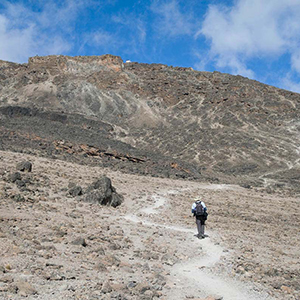
There are seven established routes for trekking Kilimanjaro.
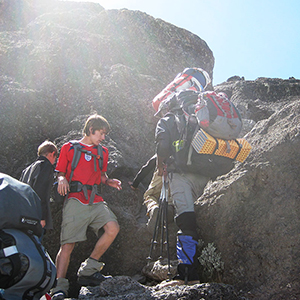
While this climb may be challenging, it’s perfectly doable for active children.
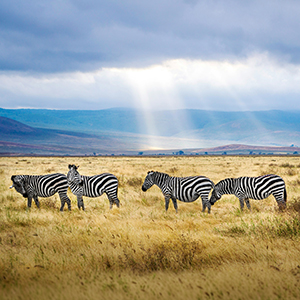
Get yourself a holiday that can do both with a local team for safari and Kili trekking.
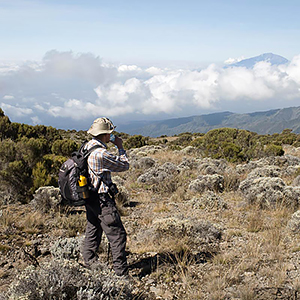
Top climbing advice from our experts, so that you can have a successful summit.
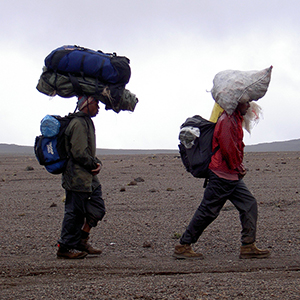
Porters' rights are one of the biggest issues when it comes to Kilimanjaro.