Combining Kilimanjaro with a Tanzania safari
Get yourself a holiday that can do both: put yourself in expert hands with a local team for both your Kilimanjaro trek and your safari in Tanzania.
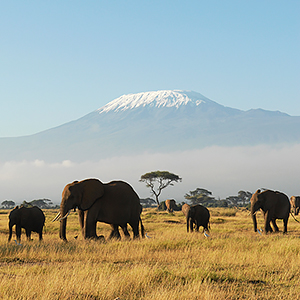
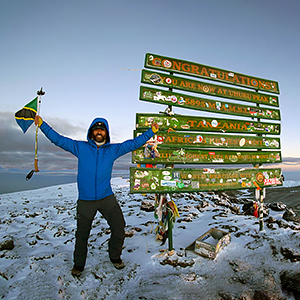
You’ve just climbed the highest mountain in Africa! How should you celebrate? With a good rest, yes, that would be nice. But what about resting in front of a herd of elephants?
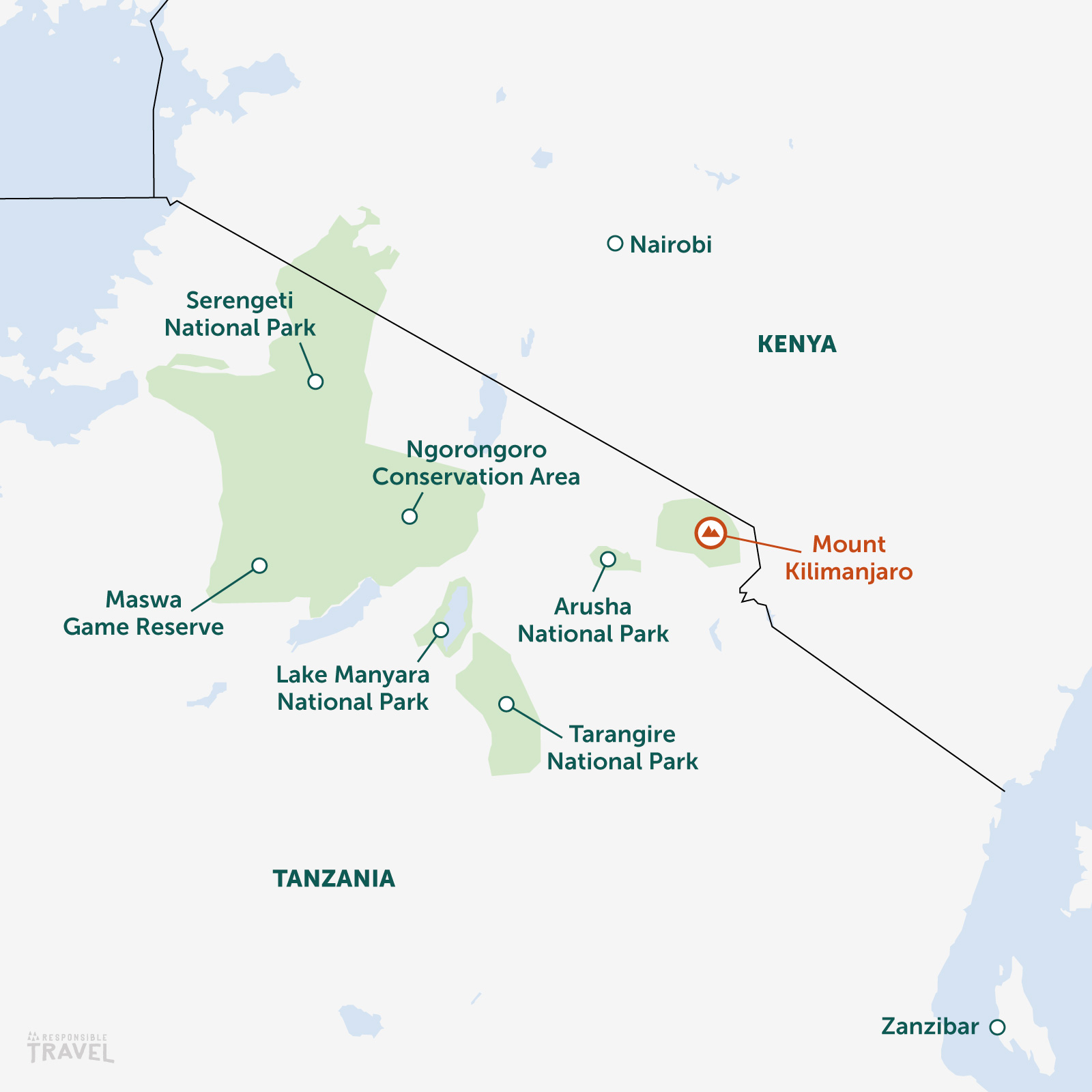
Kilimanjaro lies close to some of Tanzania’s greatest wildlife watching areas: Lake Manyara, Ngorongoro Crater, Tarangire National Park and the Serengeti aren’t far away from its base; it makes sense to combine your climb with a few days’ safari. “Hit two birds with one stone,” says Anne Nthigah from our partner Long Way Expeditions. Kilimanjaro is a 'once-in-a-lifetime’ adventure, and afterwards you can visit the most beautiful parks in the northern safari circuit.
Both climbing Kilimanjaro and going on safari are two experiences where your success rate depends a great deal on who you travel with. So, put yourself in expert hands with a local team to climb Kilimanjaro and go on safari, and you’ll also ensure that the money from your trip directly benefits Tanzanian people.
You’ve just climbed the highest mountain in Africa! How should you celebrate? With a good rest, yes, that would be nice. But what about resting in front of a herd of elephants?
Kilimanjaro lies close to some of Tanzania’s greatest wildlife watching areas: Lake Manyara, Ngorongoro Crater, Tarangire National Park and the Serengeti aren’t far away from its base; it makes sense to combine your climb with a few days’ safari. “Hit two birds with one stone,” says Anne Nthigah from our partner Long Way Expeditions. Kilimanjaro is a 'once-in-a-lifetime’ adventure, and afterwards you can visit the most beautiful parks in the northern safari circuit.
Both climbing Kilimanjaro and going on safari are two experiences where your success rate depends a great deal on who you travel with. So, put yourself in expert hands with a local team to climb Kilimanjaro and go on safari, and you’ll also ensure that the money from your trip directly benefits Tanzanian people.

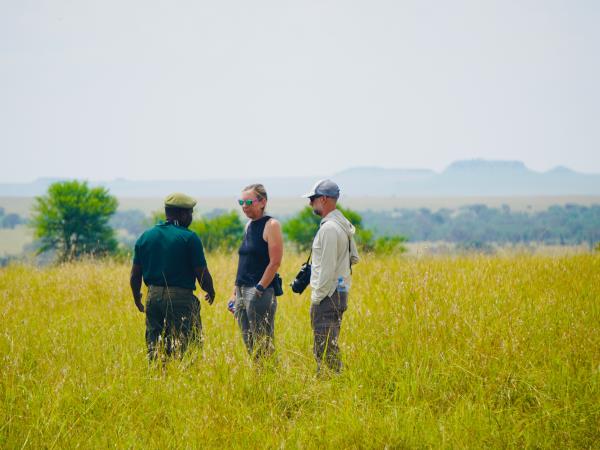
Tanzania tour with Kilimanjaro and Zanzibar
Kilimanjaro, 5 national parks and Zanzibar beach break
From
US $4500 to US $5500
12 days
ex flights
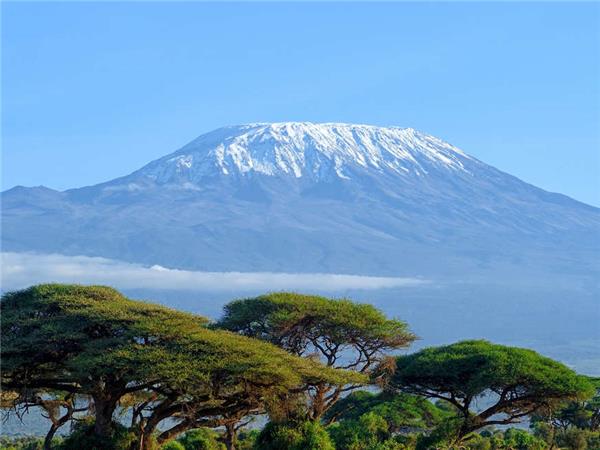
Kilimanjaro Lemosho trek and safari in Tanzania
Challenging trek to the summit of Mount Kilimanjaro
From
£3400 to £4465
13 days
ex flights
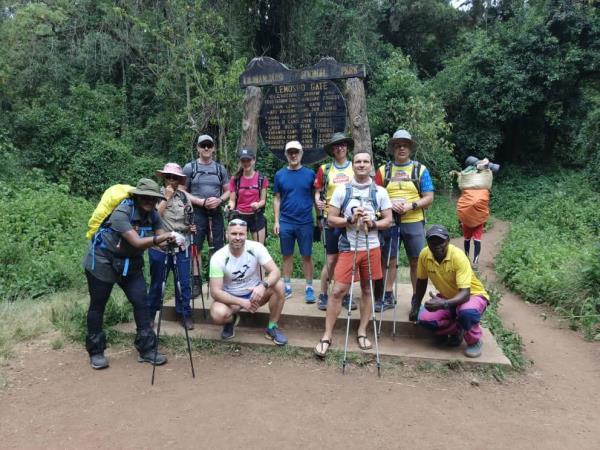
Mount Kilimanjaro climb and safari in Tanzania
Kilimanjaro, Tarangire, Ngorongoro Crater & the Serengeti
From
US $6260 to US $6580
14 days
ex flights
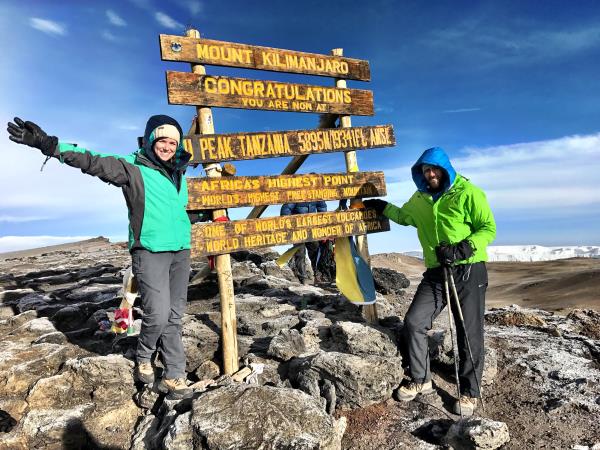
Kilimanjaro summit trek and safari holiday, Tanzania
Hike Kilimanjaro Marangu route + Serengeti safari
From
US $4450
11 days
ex flights


The importance of choosing the right team
It takes a great team to take you up Kilimanjaro: at least four porters for each person, plus chefs, cooks and guides. Teams carry tents, toilets, provisions and oxygen tanks, so you don’t have to. Kilimanjaro is a huge source of employment for the communities around the mountain. Climbing this 5,895m mountain takes physical effort, but also careful acclimatisation to make sure that you successfully summit without getting altitude sickness – a leading factor in why people fail the climb – and a good team will mitigate its risks.It takes a great team to give you a good safari experience too, albeit a smaller one. Having a good guide on safari, like on Kili, can elevate your experience from good to great, and from searching to successful.
At its worst, safari can involve long, bumpy drives, eye strain on the savannah looking for distant glimpses of wildlife, and traffic jams around confirmed sightings, especially in really popular park areas like Ngorongoro – not the relaxing experience you want as your ‘comedown’ after a mountain climb.
There is another way to go. If you’ve got an experienced driver and guide, long journeys become space for animated animal discussion and fauna facts. You won’t be following other vehicles to get good sightings, but heading out independently for a quieter experience. “We have tricks that we use to make the guests feel like they’re the only people in the park,” says Abu Omary, senior safari guide and Anne’s business partner, “whilst also having respect for, and not crowding the animals.”
Traveller Rashini Suriyaarachchi loved “supporting a family-owned business with community-minded values and care for their country” on a recent trip. They experienced “absolutely outrageous experiences with animals we’d never dreamed of seeing so close – and with such care.”
A fairer holiday
Many Tanzanians will never get the opportunity to climb their mountain, and conversely, there are many porters who have climbed it hundreds of times – but not always for good money, or with good equipment.We have a view on responsible tourism on Kilimanjaro. Our holidays support its porters and align with the Kilimanjaro Porters Assistance Project (KPAP) – ensuring that porters are equipped properly, paid properly, and aren’t carrying too much. One of our partners is also training female guides– as late as the 2010s there were no female guides or porters employed on the mountain.
Up close and personal
Using a local company can feel more intimate and reassuring. “Most of the time you don’t meet the owner of the company you book with,” says Anne. “You come on safari, finish safari and most of the time you never meet anyone. You might exchange emails with them, but then you only see the guide”. Anne makes sure she meets every one of their travellers. “Every guest gets that same service – it doesn’t matter the budget.”One for the landscape lovers
“The landscape when you’re walking: it’s breathtaking, it’s amazing to be honest.” Abu tells us about his experience climbing Kilimanjaro. You pass through five climatic zones on your ascent, climbing through bushland and farmland, then rainforest, then moorland, and alpine desert, before reaching the Arctic zone: the snow at its summit. However, you’re unlikely to spot much wildlife on the mountain’s busy trails – that’s where the safari comes in.
Whilst Tanzania’s northern safari parks are close to Kilimanjaro, you’ll still cross a great diversity of terrain to get between the two. “The amazing thing is how the landscape changes from one hour to the next,” says Abu. “From the mountains to the completely dry areas – from hot to chilly, the changes in landscape and climate.”
You’ll travel from peak to crater and from a dormant volcano to a collapsed one: one of Tanzania’s standout highlights is the Ngorongoro Crater, its 600m-high walls encircling a permanent population of wildlife. Hang onto your layers from the Kili climb – you might need them at the chilly top of the crater, where the elevation is still 2,000m above sea level.
Whilst Tanzania’s northern safari parks are close to Kilimanjaro, you’ll still cross a great diversity of terrain to get between the two. “The amazing thing is how the landscape changes from one hour to the next,” says Abu. “From the mountains to the completely dry areas – from hot to chilly, the changes in landscape and climate.”
You’ll travel from peak to crater and from a dormant volcano to a collapsed one: one of Tanzania’s standout highlights is the Ngorongoro Crater, its 600m-high walls encircling a permanent population of wildlife. Hang onto your layers from the Kili climb – you might need them at the chilly top of the crater, where the elevation is still 2,000m above sea level.
Contact Us
Call us for a chat about our holidays. We are happy to discuss your holiday and help in any way we can. No bots, queues or awful hold music.

01273 823 700
Call us until 4pm
Calling from outside the UK

Kilimanjaro & Tanzania National Parks map
What to expect combining Kilimanjaro with safari

I had breakfast looking at zebras, and lunch with the giraffes![]()

Which should you do first?
Safari after, not before. “Kilimanjaro trekking demands a lot of energy, physical fitness and mental focus,” says Anne. It’s a once in a lifetime experience, booked long in advance – and it’s probably an experience you’ve trained for over months. Once you’re at the foot of the mountain (most travellers fly into Arusha), you’ll want to do your climb as soon as possible; after all, you’ve waited long enough. Why risk getting tired before your climb, Anne adds. Roads on safari can be bumpy and dusty, “especially when you do Ngorongoro Crater and Serengeti National Park.”
“If you start with the trek, then after the summit the safari will be like a reward!” says Anne. “Relax, sit in the car for game drives and wildlife viewing, plus, have a good shower at the end of the day. And some of the lodges have pools, too.”
“After the climb, guests will be exhausted,” says Abu, “But they’ll also be excited that they made it up to the top!” It means that people are looking for somewhere to relax: “On safari you chill out in a car. Our cars have a fridge, you can have beers! Or relax with a coffee.”
“If you start with the trek, then after the summit the safari will be like a reward!” says Anne. “Relax, sit in the car for game drives and wildlife viewing, plus, have a good shower at the end of the day. And some of the lodges have pools, too.”
“After the climb, guests will be exhausted,” says Abu, “But they’ll also be excited that they made it up to the top!” It means that people are looking for somewhere to relax: “On safari you chill out in a car. Our cars have a fridge, you can have beers! Or relax with a coffee.”
How long is needed for a Kilimanjaro and Tanzania safari holiday?
Our holidays combining safari and summit last between 11 and 14 days – but you can extend your time in Tanzania and take it up to three weeks if you want to add time on the beach, too.
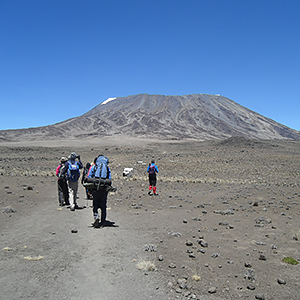
Climbing Kilimanjaro takes between five and ten days of walking – and most of our climbs take between six and eight days. Afterwards, opt for between three and five full safari days, so you can explore multiple parks.
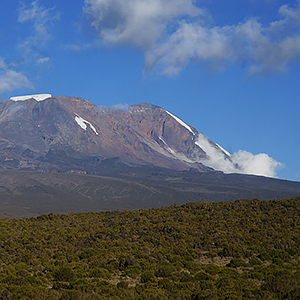
Abu and Anne recommend the Lemosho route, which you can do in eight days, or nine. “It’s the most attractive and most successful route – in terms of people getting to the summit,” says Abu, “and the landscape itself through the Lemosho route: it’s beautiful.” This is a longer route, so you have lots of time to acclimatise – and you can even extend it to nine days if needed.
If you have less time, you can opt for a single day hike on Kilimanjaro – you won’t make it near the top, but you will get a sense of what walking in the lower zones is like in the forest areas before Mandara hut, the first night’s stop on the Marangu Route. “It’s an intensive, and very interesting,” says Anne, “and you have a good view of the mountain peak when the clouds are clear.”
Climbing Kilimanjaro takes between five and ten days of walking – and most of our climbs take between six and eight days. Afterwards, opt for between three and five full safari days, so you can explore multiple parks.
Abu and Anne recommend the Lemosho route, which you can do in eight days, or nine. “It’s the most attractive and most successful route – in terms of people getting to the summit,” says Abu, “and the landscape itself through the Lemosho route: it’s beautiful.” This is a longer route, so you have lots of time to acclimatise – and you can even extend it to nine days if needed.
If you have less time, you can opt for a single day hike on Kilimanjaro – you won’t make it near the top, but you will get a sense of what walking in the lower zones is like in the forest areas before Mandara hut, the first night’s stop on the Marangu Route. “It’s an intensive, and very interesting,” says Anne, “and you have a good view of the mountain peak when the clouds are clear.”
What happens before your climb?
You need a day before you climb, to have your guiding team meet and brief you. This includes a thorough check of your equipment to ensure it is suitable, and opportunities to hire any extra equipment you need.
Acclimatisation is key on your trek. “Sometimes we take guests for a day trip before the trek just to acclimatise,” says Anne. If you have time around Arusha before you climb, you can do an acclimatisation hike at Mount Meru, or a walking safari in Arusha National Park to stretch your legs and prepare to reach new heights. It’s around three hours to drive from Arusha to Kilimanjaro.
Acclimatisation is key on your trek. “Sometimes we take guests for a day trip before the trek just to acclimatise,” says Anne. If you have time around Arusha before you climb, you can do an acclimatisation hike at Mount Meru, or a walking safari in Arusha National Park to stretch your legs and prepare to reach new heights. It’s around three hours to drive from Arusha to Kilimanjaro.
What happens after your climb?
First things first: a good night’s sleep after your climb. The final descent day of Kilimanjaro is less intense than the summit day, but you’ll still want a rest after a good four to six hours of walking. The town of Moshi is at the base of the mountain, or you can stay the night in Arusha; some of our trips include a full rest day at a hotel in Arusha; others take you straight on safari. It’s a three-hour drive from Arusha to Tarangire National Park, so you might be making an early start. “You’re not just driving, you’re stopping, taking photos,” points out Anne, and you’ll also have plenty of opportunities to chat to your guide about what’s to come.
“Outside of the wildlife, the moments in between were spent endlessly chatting with Abu,” says recent traveller Rashini Suriyaarachchi. “His knowledge of not only animals and safari history, but the greater climate of Tanzania left a huge impact on us both, and captivated us for hours.”
“Outside of the wildlife, the moments in between were spent endlessly chatting with Abu,” says recent traveller Rashini Suriyaarachchi. “His knowledge of not only animals and safari history, but the greater climate of Tanzania left a huge impact on us both, and captivated us for hours.”
Where to go on safari
An example itinerary might go to Tarangire National Park first (three hours’ drive), before you head on to Ndutu in Ngorongoro Conservation Area (another three hours’ drive) and then to the Serengeti. Alternatively, stay closer to Kilimanjaro and see Lake Manyara in between Ngorongoro and Tarangire.
Anne recommends spending a little more money on safari post-mountain. On Kilimanjaro you’re camping, with no good showering facilities – our travellers even talk about taking a nail brush up, as you are often dusty and dirty and it’s difficult to feel clean. Unless you’re a masochist, don’t opt for a camping safari afterwards.
“Most of the time when we organise a safari after a Kili climb, people don’t want budget options, they want to make the experience different from what they had on the mountain,” says Anne – to keep that top of the world high going long after you descend.
Anne recommends spending a little more money on safari post-mountain. On Kilimanjaro you’re camping, with no good showering facilities – our travellers even talk about taking a nail brush up, as you are often dusty and dirty and it’s difficult to feel clean. Unless you’re a masochist, don’t opt for a camping safari afterwards.
“Most of the time when we organise a safari after a Kili climb, people don’t want budget options, they want to make the experience different from what they had on the mountain,” says Anne – to keep that top of the world high going long after you descend.
More Kilimanjaro articles
There's a reduced chance of rain and warmer temperatures in Jan, Feb and March.
Summiting Africa's top peak is an extraordinary achievement.
We highly recommend the Lemosho Route for reaching Kilimanjaro's summit.
The route takes six to seven days to complete, involving a fairly gentle ascent.
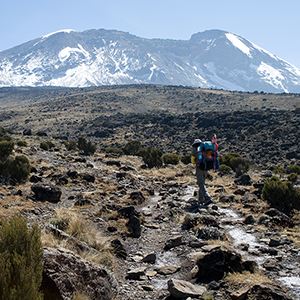
The Machame Route is a seven day trek through varied landscapes.
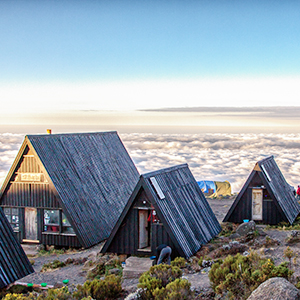
Many climbers opt for the five-day Marangu Route, the first established trekking route.
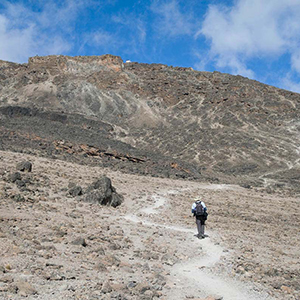
There are seven established routes for trekking Kilimanjaro.
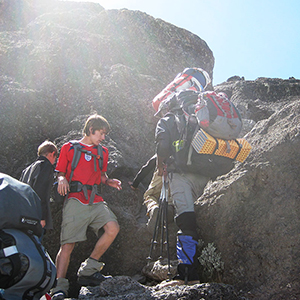
While this climb may be challenging, it’s perfectly doable for active children.
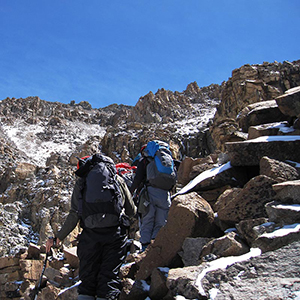
This is a pretty challenging trek, only an estimated 65% of people make it to the top.
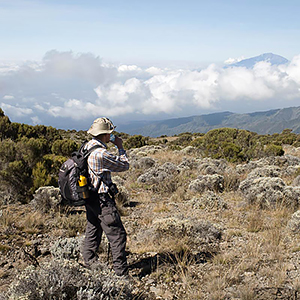
Top climbing advice from our experts, so that you can have a successful summit.
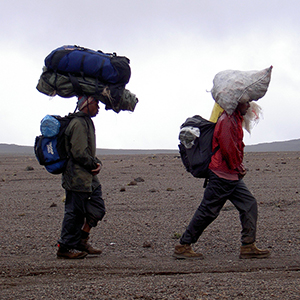
Porters' rights are one of the biggest issues when it comes to Kilimanjaro.