Responsible tourism in Lanzarote

Any place on earth without a strong tradition, without personality and without enough poetic atmosphere, it is doomed to die.![]()

– César Manrique, from his architecture book: Lanzarote: Arquitectura Inédita, published in 1976
To really understand responsible tourism in Lanzarote, there are few more important gurus to touch base with than César Manrique. A Lanzarote native, Manrique was a visionary artist and architect, who worked closely with local authorities throughout the late 20th century to prevent his homeland from resort ruination. Though he died in 1992, his work lives on and can be seen and read about throughout the island. Manrique’s statue ‘El Diablo’, the symbol of Lanzarote’s National Park of Timanfaya, is a reminder that all of us need to keep the badness at bay. Don’t let the devils of development do their worst. Don’t let the water run out. And let the great creatures that love these waters as much as we do, swim free.
Wildlife & environment
Say no to captive dolphins
Lanzarote’s Rancho Texas theme park has four captive dolphins, introduced in 2017, in spite of a growing worldwide movement to put a stop to the captivity of sea mammals. Tourists can interact with captive dolphins and sea lions – all in the name of ‘education’, apparently – at over €100 a go
Direct contact between the public and captive cetaceans places both parties at significant risk of disease and injury...There is overwhelming evidence that captivity causes significant stress and suffering, resulting in physical and psychological disorders and early mortality.![]()
– Born Free Foundation
At Responsible Travel, we are totally opposed to the use of animals for entertainment purposes. See our campaign against captive orcas for more details of our stance on this, about the harm that it causes to mammals, and how there are so many alternative ways to see these beautiful creatures in the wild. Thankfully, many tourists are now aware of the impacts, and indeed some holiday companies are removing such parks from excursion lists. We encourage our responsible travellers to do the same.
What you can do
Go and see dolphins in the wild. There are several companies offering trips off the coast of Lanzarote. Various species of dolphins and whales can be seen throughout the year, and not too far from shore. Make sure that you use a company that has a responsible tourism policy of some sort and respects international guidelines on responsible dolphin or whale watching. Take a look at our Dolphin watching travel guide and our Whale watching travel guide for more details.
What you can do
Go and see dolphins in the wild. There are several companies offering trips off the coast of Lanzarote. Various species of dolphins and whales can be seen throughout the year, and not too far from shore. Make sure that you use a company that has a responsible tourism policy of some sort and respects international guidelines on responsible dolphin or whale watching. Take a look at our Dolphin watching travel guide and our Whale watching travel guide for more details.
Tap into the water issue
Water is a big issue in Lanzarote, although when you see some resorts with their large swimming pools you would be forgiven for not realising. But it is important to realise that this is an arid island, not far from the Sahara. There is not a great deal of rain - that is one of Lanzarote’s big selling points after all.Its remote location combined with its volcanic geology means that Lanzarote’s water levels have to be carefully monitored at all times, and most of the water islanders and holidaymakers use is desalinated sea water. This process also requires a lot of energy. So, when you see a sign asking you to be really careful about water usage, they mean it. We can enjoy these all year round gorgeous temperatures, but the impacts on water resources can be serious.
What you can do
All common sense, really. Don’t shower three times a day, don’t insist on your bed linen and towels being washed all the time, don’t leave the tap running when you brush your teeth. And seek out places to stay that are environmentally aware, with smaller pools and an ethos that encourages you to use the much bigger, natural pool nearby: the Atlantic Ocean.
People & culture
All inclusive resorts
We feel that the nickname ‘Lanzagrotty’ is an unfair one. However, when you examine the negative impacts of all inclusive resorts and some stretches of overdevelopment along parts of the island’s south coast, you can soon see the grottier side to tourism. And by grotty, we mean tourism that doesn’t value local community, the local economy or local culture.
If Manrique saw Lanzarote today, I think he would be very sad about some parts of it. But as soon as you leave those parts, the beautiful island that he helped to create is exactly as he left it...![]()
– Alejandro González, Fundación César Manrique
What to do
Quite simply – don’t do the all inclusive resort thing. Stay local, eat local, play local. You will also have a more enriching experience of this stunning island. Drink local too. Lanzarote wine is grown in a unique way and tastes wonderful. Oh, and spread the word among friends on social media that this island is about so much more than all inclusive resorts.
Quite simply – don’t do the all inclusive resort thing. Stay local, eat local, play local. You will also have a more enriching experience of this stunning island. Drink local too. Lanzarote wine is grown in a unique way and tastes wonderful. Oh, and spread the word among friends on social media that this island is about so much more than all inclusive resorts.
Responsible tourism tips
More Lanzarote articles
Our tips on when to go, with a handy month by month guide and festival highlights.
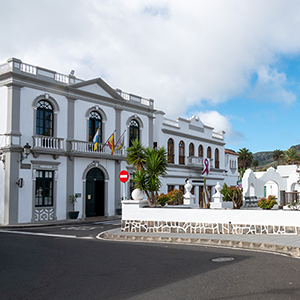
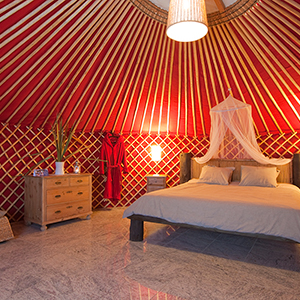
Swerve the all-inclusive resorts for these characterful Lanzarote properties.
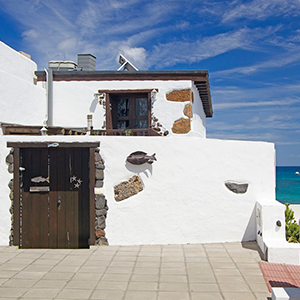
More relaxing, rewarding and downright satisfying than the resorts.
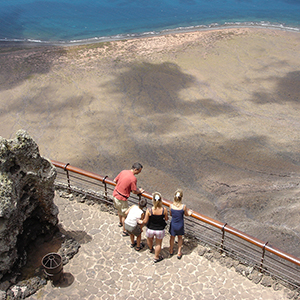
Lanzarote is one of the finest family destinations in Spain - here's why.
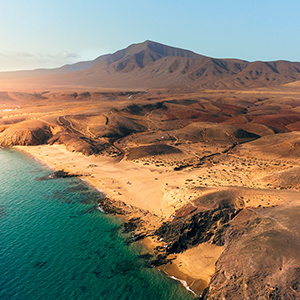
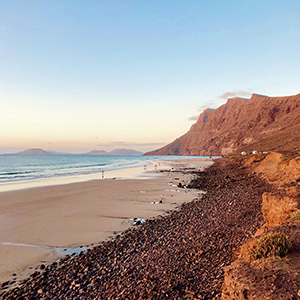
Where to get your feet sandy in Lanzarote - our pick of the island's beaches.
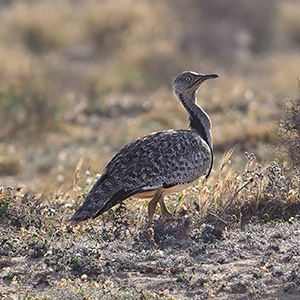
Volcanic activity and island isolation leads to fascinating flora and fauna.
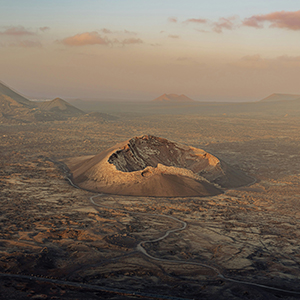
Explore what we consider the must-see destination in Lanzarote.