Overtourism caused by large cruise ships

Dubrovnik, Venice, Barcelona… there are plenty of other places I’ve seen where the town is completely swamped for an hour by tourists.![]()

European cities are standing up to cruise ships – but more are coming. The industry has more passengers, has spent more on advertising, and has a faster growing market than ever before. Protest groups might have made strides in safeguarding their cities, but this won’t stop the oncoming deluge, or protect the places where protest isn’t an option.
During the Covid pandemic, I saw a row of cruise ships anchored in the Solent, just off the coast of southern England. They were out of action as lockdown continued. In our small sailing boat, we got close enough to appreciate just how large they were.
Lockdowns brought massive cruise ships to a standstill around the world. Satellite pictures showed them scattered like Lego bricks outside the Port of Manila in the Philippines. Up close, they are more like skyscrapers.
When these cruise ships are in commission, they carry thousands of passengers. The world's largest cruise ships now have a capacity of up to 7,000 people and ever larger boats are in production in shipyards. Royal Caribbean’s Wonder of the Seas (max capacity: 6,988 passengers) will be surpassed in size by Icon of the Seas which can take up to 7,600 guests. Ships this big come with ice rinks and parks, as well as multiple swimming pools.
The ocean is kind to cruise ships, ridding them of any sense of scale. But, as becomes more apparent when these behemoths hove close to land, these giant boats can cause giant problems.
During the Covid pandemic, I saw a row of cruise ships anchored in the Solent, just off the coast of southern England. They were out of action as lockdown continued. In our small sailing boat, we got close enough to appreciate just how large they were.
Lockdowns brought massive cruise ships to a standstill around the world. Satellite pictures showed them scattered like Lego bricks outside the Port of Manila in the Philippines. Up close, they are more like skyscrapers.
When these cruise ships are in commission, they carry thousands of passengers. The world's largest cruise ships now have a capacity of up to 7,000 people and ever larger boats are in production in shipyards. Royal Caribbean’s Wonder of the Seas (max capacity: 6,988 passengers) will be surpassed in size by Icon of the Seas which can take up to 7,600 guests. Ships this big come with ice rinks and parks, as well as multiple swimming pools.
The ocean is kind to cruise ships, ridding them of any sense of scale. But, as becomes more apparent when these behemoths hove close to land, these giant boats can cause giant problems.

Is cruise ship tourism a problem?
“Dubrovnik, Venice, Barcelona… there are plenty of other places I’ve seen where the town is completely swamped for an hour by tourists,” says Powell Ettinger, an industry veteran and CEO of the Small Cruise Ship Collection, who run small boat cruises that go beyond the usual, over-visited ports.
In Venice, until 2021 when limitations were put in place, 44,000 cruise passengers used to arrive, accounting for more than one third of visitors. Cruise ships would dwarf the city’s famous landmarks, towering over the delicately laid out squares and bridges. When these boats give a farewell blast of their horn, the sound eclipses that of any church bell.
Cruise ships maintain that they account for only a small number of visitors to destinations, claiming, for example, to only account for four percent of Barcelona’s annual tourism. But this is four percent that arrives en masse, creating an interesting ‘culture clash’ with existing tourists.
Cruise passengers are used to putting up with a certain number of inconveniences and bring these expectations to unwitting cities. Cruise passengers expect to be accompanied by 5,000 other people wherever they are; visitors to the Outer Hebrides – perhaps naively – do not. On busy high season trips, queueing – for the buffet, for embarkation security checks – is part of ship life. It is not part of city life.
“It’s quite unpleasant for people who aren’t on the cruise ships as they assume you are one of them”, Powell explains. “They descend… they try and tell you lots of stuff that’s of no interest to you because they assume you’re on one of the big ships. It can make it a relatively unpleasant experience to visit those destinations.”
In Venice, until 2021 when limitations were put in place, 44,000 cruise passengers used to arrive, accounting for more than one third of visitors. Cruise ships would dwarf the city’s famous landmarks, towering over the delicately laid out squares and bridges. When these boats give a farewell blast of their horn, the sound eclipses that of any church bell.
Cruise ships maintain that they account for only a small number of visitors to destinations, claiming, for example, to only account for four percent of Barcelona’s annual tourism. But this is four percent that arrives en masse, creating an interesting ‘culture clash’ with existing tourists.
Cruise passengers are used to putting up with a certain number of inconveniences and bring these expectations to unwitting cities. Cruise passengers expect to be accompanied by 5,000 other people wherever they are; visitors to the Outer Hebrides – perhaps naively – do not. On busy high season trips, queueing – for the buffet, for embarkation security checks – is part of ship life. It is not part of city life.
“It’s quite unpleasant for people who aren’t on the cruise ships as they assume you are one of them”, Powell explains. “They descend… they try and tell you lots of stuff that’s of no interest to you because they assume you’re on one of the big ships. It can make it a relatively unpleasant experience to visit those destinations.”
Cruise ship polluters
“I visited this lovely part of Norway by cruise ship a few days ago, and I could not help but notice messages, on hay bales and buildings, on at least four different places, that read "no cruise sh*t"! I assume that the people of Flåm would rather see the back of me, and the 1,500 others that came with me.”
Way back in 2014, a passenger from Antwerp left this message on Tripadvisor, asking whether cruise ships were no longer welcome in Norway. They added, no doubt to the delight of the campaigners who placed the message, “What an unpleasant welcome, I will not visit this place again and will tell others to avoid it.”
According to the many grassroots campaigns across the world, from the Straits of Florida, to the fjords of Norway, and protest group ABDT (the Assembly of Neighborhoods for Tourism Degrowth) in Barcelona, the negatives of heavy cruise traffic far outweigh any positives.
The ships themselves can cause an overwhelming amount of pollution into the air – one ship can release the same amount of nitrous oxide as 30,000 trucks. Below the waterline, they’ve been known to illegally dump wastewater into marine sanctuaries, ruin the sea bed by anchoring outside harbours, and cause damaging noise pollution.
Friends of the Earth issues cruise ships a report card and keeps track of the industry’s environmental violations, which include discharging greywater into Glacier Bay National Park in Alaska, and dumping oily waste off the coast of Britain. Cruise ships change the landscapes that they visit. Harbours to contain these ships get their sea beds churned up by anchors or – in the case of Stornoway, Scotland, get their land dynamited into a new deep water terminal.
As the European Union works towards its net zero targets, the cruise industry is likely to come under pressure to clean up its act. Very few cruise ships use shore power when in harbour, a solution which stops them running on their own more damaging energy sources and allows the destination to charge them for energy. But, according to the CLIA (Cruise Lines International Association) 2023 State of the Cruise Industry report, just three percent of harbours will offer shore power by 2025; the figure is currently two percent.
Way back in 2014, a passenger from Antwerp left this message on Tripadvisor, asking whether cruise ships were no longer welcome in Norway. They added, no doubt to the delight of the campaigners who placed the message, “What an unpleasant welcome, I will not visit this place again and will tell others to avoid it.”
According to the many grassroots campaigns across the world, from the Straits of Florida, to the fjords of Norway, and protest group ABDT (the Assembly of Neighborhoods for Tourism Degrowth) in Barcelona, the negatives of heavy cruise traffic far outweigh any positives.
The ships themselves can cause an overwhelming amount of pollution into the air – one ship can release the same amount of nitrous oxide as 30,000 trucks. Below the waterline, they’ve been known to illegally dump wastewater into marine sanctuaries, ruin the sea bed by anchoring outside harbours, and cause damaging noise pollution.
Friends of the Earth issues cruise ships a report card and keeps track of the industry’s environmental violations, which include discharging greywater into Glacier Bay National Park in Alaska, and dumping oily waste off the coast of Britain. Cruise ships change the landscapes that they visit. Harbours to contain these ships get their sea beds churned up by anchors or – in the case of Stornoway, Scotland, get their land dynamited into a new deep water terminal.
As the European Union works towards its net zero targets, the cruise industry is likely to come under pressure to clean up its act. Very few cruise ships use shore power when in harbour, a solution which stops them running on their own more damaging energy sources and allows the destination to charge them for energy. But, according to the CLIA (Cruise Lines International Association) 2023 State of the Cruise Industry report, just three percent of harbours will offer shore power by 2025; the figure is currently two percent.
Hey, big spenders
Cruise ships have busy itineraries, and don’t stay long in one place. A quick glance at Cruise Mapper, a website that shows when cruise ships plan to appear and depart, shows the volume of ships that arrive and depart each day in small destinations like Kotor, Montenegro. Up to four arrive a day, and few stay more than 12 hours. Whilst their passengers have time to flood the streets, they don’t have time to see more than their one key attraction – which they’re generally shuttled to without any other stops en route. It means local businesses that fall outside the bounds of their strict itinerary often fail to see any benefits.
“We were in Oban when a – I think it was Dutch – liner came in. It was fascinating,” Fiona Forsyth is from The Majetic Line, our small cruise ship operator partner in the Hebrides, in Scotland.
“They were anchored offshore and bringing passengers in by tender, and then they were getting bussed from Oban to Inveraray Castle and brought back to Oban by boat. They spent no time in Oban except for queueing on the harbour. It was slickly, brilliantly done – we couldn’t fault them for orderliness. There was an American couple we spoke to who were on the ship for months. We asked where they were going next and they said, ‘next is Dublin’. The companies say they cruise the west coast of Scotland but that just means going into Oban, and maybe Skye. Oban particularly is getting super busy – we have seen that in this last year or so. The pontoons on a Saturday get slightly manic and that is a concern. It must be difficult for the local people to see I suppose. It’s like being invaded for a specific period.”
Climate change will only exacerbate the problem in northern regions, as traditionally lesser-visited places become more appealing with changing weather patterns, and tourism moves further away from the equator.
Studies have shown different levels of expenditure on land for different passengers – a 2013 study of Bergen, Norway found the average cruise passenger spent just $23 on land a day, whilst CLIA’s 2023 State of the Cruise Industry report 10 years later put that figure at $100 on average. If the answer is somewhere between these two estimates, it falls significantly below the potential expenditure of a land-based tourist who stays in a locally owned hotel and employs a local guide.
Cruise companies know that whilst their revenue is mostly generated from ticket sales, the majority of profit comes from on board spending: on drinks, on casinos, on shopping in its on-board malls – and there’s a high incentive to keep things this way. “The focus is to keep people on board spending money,” says Powell. Cruise companies may use local operators in destinations, but, “when you run an excursion you pay the ship for the excursion, so less of it goes to the local operator.”
“We were in Oban when a – I think it was Dutch – liner came in. It was fascinating,” Fiona Forsyth is from The Majetic Line, our small cruise ship operator partner in the Hebrides, in Scotland.
“They were anchored offshore and bringing passengers in by tender, and then they were getting bussed from Oban to Inveraray Castle and brought back to Oban by boat. They spent no time in Oban except for queueing on the harbour. It was slickly, brilliantly done – we couldn’t fault them for orderliness. There was an American couple we spoke to who were on the ship for months. We asked where they were going next and they said, ‘next is Dublin’. The companies say they cruise the west coast of Scotland but that just means going into Oban, and maybe Skye. Oban particularly is getting super busy – we have seen that in this last year or so. The pontoons on a Saturday get slightly manic and that is a concern. It must be difficult for the local people to see I suppose. It’s like being invaded for a specific period.”
Climate change will only exacerbate the problem in northern regions, as traditionally lesser-visited places become more appealing with changing weather patterns, and tourism moves further away from the equator.
Studies have shown different levels of expenditure on land for different passengers – a 2013 study of Bergen, Norway found the average cruise passenger spent just $23 on land a day, whilst CLIA’s 2023 State of the Cruise Industry report 10 years later put that figure at $100 on average. If the answer is somewhere between these two estimates, it falls significantly below the potential expenditure of a land-based tourist who stays in a locally owned hotel and employs a local guide.
Cruise companies know that whilst their revenue is mostly generated from ticket sales, the majority of profit comes from on board spending: on drinks, on casinos, on shopping in its on-board malls – and there’s a high incentive to keep things this way. “The focus is to keep people on board spending money,” says Powell. Cruise companies may use local operators in destinations, but, “when you run an excursion you pay the ship for the excursion, so less of it goes to the local operator.”
Cruise ship bans
Thanks in part to long-standing grassroots campaigns, some destinations emerged from the Covid 19 pandemic’s enforced pause on cruising re-evaluating whether they wanted cruise ships to visit them at all. Venice banned large cruise ships from its centre in 2021. In 2023, Palma, Mallorca, restricted the number of large ships that could dock at the same time. Santorini, Greece, has similar restrictions in place. Amsterdam banished cruise ships from its city centre, and Barcelona followed. Lacking the power to ban ships, Monterey Bay, California, has stopped servicing cruise ships, to deter them from coming at all.
It can take a thousands of metres to slow a speeding cruise ship to a stop, and to its critics, the industry looks like an unstoppable juggernaut.![]()
More ships in the offing
But these bans are not going to stop cruise ships from coming. Before the Covid-19 pandemic, the cruise industry was experiencing its best ever year. The number of cruise passengers globally reached a record high in 2019 (30 million, up from 17.8 million in 2009). This was surpassed in 2023.
The countries that like cruising the best: UK, Germany, and Australia, have ageing populations with a growing appetite for travel, and paid-off mortgages. But cruise ship companies are also courting millennials by advertising on-board tattoo parlours, drag queen shows, and karaoke bars. There are other untapped markets to attract, too.
The Norwegian Joy, its hull decorated by Chinese artist Tan Ping, is designed especially for Chinese travellers. China is by far the fastest growing market for cruises. The country’s massive and growing middle class, many who could not holiday during the pandemic, are ready to explore the world. Chinese tourists spent $255 billion in 2019, but cruise is still a relatively niche choice. Cruising grew by an extraordinary 40% in 2015, to carrying a million passengers. Elsewhere in the world, Brazil’s cruise industry is growing apace.
Part of the problem that anti-cruise campaigners face is the cruising industry’s aggressive marketing. Carnival and Norwegian recently came in at number one and number three respectively on a list of 200 companies in the US with the fastest growing marketing expenditure. A lot of this money goes towards greenwashing to paint the industry in a favourable light. And cruise companies keep customers returning with rewards cards.
Banning cruises from particular cities is unlikely to stop the industry from growing. When Mallorca limited cruise ship numbers, cruise liners started to eye up neighbouring islands – like traditionally quiet Menorca instead. Rotterdam, an hour’s drive from Amsterdam has become an alternative port. Kotor, Montenegro, is already experiencing the ill effects of both being close to Dubrovnik and being outside of EU law, making it very vulnerable to unregulated cruise tourism.
The countries that like cruising the best: UK, Germany, and Australia, have ageing populations with a growing appetite for travel, and paid-off mortgages. But cruise ship companies are also courting millennials by advertising on-board tattoo parlours, drag queen shows, and karaoke bars. There are other untapped markets to attract, too.
The Norwegian Joy, its hull decorated by Chinese artist Tan Ping, is designed especially for Chinese travellers. China is by far the fastest growing market for cruises. The country’s massive and growing middle class, many who could not holiday during the pandemic, are ready to explore the world. Chinese tourists spent $255 billion in 2019, but cruise is still a relatively niche choice. Cruising grew by an extraordinary 40% in 2015, to carrying a million passengers. Elsewhere in the world, Brazil’s cruise industry is growing apace.
Part of the problem that anti-cruise campaigners face is the cruising industry’s aggressive marketing. Carnival and Norwegian recently came in at number one and number three respectively on a list of 200 companies in the US with the fastest growing marketing expenditure. A lot of this money goes towards greenwashing to paint the industry in a favourable light. And cruise companies keep customers returning with rewards cards.
Banning cruises from particular cities is unlikely to stop the industry from growing. When Mallorca limited cruise ship numbers, cruise liners started to eye up neighbouring islands – like traditionally quiet Menorca instead. Rotterdam, an hour’s drive from Amsterdam has become an alternative port. Kotor, Montenegro, is already experiencing the ill effects of both being close to Dubrovnik and being outside of EU law, making it very vulnerable to unregulated cruise tourism.
Cruise ships welcome
Whilst some ports are trying to restrict cruise ships, there are others, like Malaga in Spain, Fowey in Cornwall, and Stornoway in Scotland, that are trying to attract more, keen for the perceived economic boost that cruise passengers bring to the local area. In Gran Canaria, research showed that the public are happy with cruise numbers. The small Canary Island was on track to receive around a million cruise passengers in 2022. In 2023, eight business organisations, including a bar and restaurant association, called on Palma to reconsider its cruise ship restrictions, after an 18 percent drop in takings. A new Balearic government may now be considering reversing the ban.
Historic ports like Barcelona (the seventh most visited by cruise ships in the world) find their cultural heritage being destroyed by cruise ship overtourism, but the top five most visited ports by CLIA members are all in North America, where there are purpose built facilities designed to handle passenger volumes – such as at Port Canaveral, which receives the most traffic, has six cruise terminals, and is built on a former naval refuelling station.
In the Caribbean, cruise companies have leased entire islands for their guests, making it easy for the problem to be contained – albeit in enclaves that don’t benefit anyone apart from the cruise company. The cruise lines Royal Caribbean, Carnival, Disney, Norwegian and Princess Cruises, all have private islands in the Bahamas. Royal Caribbean’s island is 125 acres, and is leased until 2050.
Historic ports like Barcelona (the seventh most visited by cruise ships in the world) find their cultural heritage being destroyed by cruise ship overtourism, but the top five most visited ports by CLIA members are all in North America, where there are purpose built facilities designed to handle passenger volumes – such as at Port Canaveral, which receives the most traffic, has six cruise terminals, and is built on a former naval refuelling station.
In the Caribbean, cruise companies have leased entire islands for their guests, making it easy for the problem to be contained – albeit in enclaves that don’t benefit anyone apart from the cruise company. The cruise lines Royal Caribbean, Carnival, Disney, Norwegian and Princess Cruises, all have private islands in the Bahamas. Royal Caribbean’s island is 125 acres, and is leased until 2050.
Why do people like cruises?
Whilst it's easy to level the blame for cruise ship traffic at people who like cruising, cruises are often the best value for money way to travel, and a good family friendly option. Travellers like that they don’t have to commit to a single destination and treat a cruise as a ‘try before you buy’ for places they may visit again.
For those with limited mobility, for timid travellers, for those on a budget, they serve as a welcome break. CLIA surveys suggest that 82 percent of passengers travelling with persons with limited mobility see no other way to holiday.
The charges levied against cruise travellers is unfair: that they are travellers who don't like travel – and therefore shouldn't be allowed to see destinations. It’s an attitude that runs the risk of being ableist and elitist. It is the industry that is the problem, not its travellers.
Cruise ships are obvious targets for people worried about overtourism. They are easier to quell than planes, trains and cars. But they are perhaps a scapegoat for a problem that the wider tourism industry will need to reckon with – that there are far more visitors than ever before – many from new markets, and they all want to see the same parts, and ports, of the world.
For those with limited mobility, for timid travellers, for those on a budget, they serve as a welcome break. CLIA surveys suggest that 82 percent of passengers travelling with persons with limited mobility see no other way to holiday.
The charges levied against cruise travellers is unfair: that they are travellers who don't like travel – and therefore shouldn't be allowed to see destinations. It’s an attitude that runs the risk of being ableist and elitist. It is the industry that is the problem, not its travellers.
Cruise ships are obvious targets for people worried about overtourism. They are easier to quell than planes, trains and cars. But they are perhaps a scapegoat for a problem that the wider tourism industry will need to reckon with – that there are far more visitors than ever before – many from new markets, and they all want to see the same parts, and ports, of the world.
What’s the alternative to a cruise?
Less polluting, less intense, less brief tourism would be infinitely better for many destinations. But the truth is that it’s hard to suggest a cheap alternative that sees as many destinations as a cruise, with such ease and accessibility.
Small ship cruises do occasionally manage to ‘convert’ cruise passengers. “We had a family come on – three of them – who only did big cruise ships,” says Fiona, “They had been all over the world – I thought, gosh what are they going to think of us?” The Majestic Line, our small cruise ship operator partner in the Hebrides, only use tiny, converted fishing vessels for their intimate cruises.
“But they absolutely loved it,” Fiona says. “They said, ‘I’d never have thought of doing this and it’s so different!’” Of course, by its very nature, small ship cruising cannot be the only solution to the cruise industry’s giant problems.
“Cruise ship tourism has captured a large market share of older travellers through its big marketing budgets,” says Justin Francis, CEO and co-founder of Responsible Travel. “But I’d challenge whether it’s the most enjoyable way for older people to travel.
“Many of these travellers want everything to be made easy and taken care of for them, but going on a cruise is not the only way to do this. With more imagination and marketing support, I think the cruise sectors’ share of the market could, or should decline – and I think some destinations should actively plan for that.”
Whilst there are a growing number of alternative holidays out there that don’t use cruise ships, getting the word to spread about better options is paramount.
Meanwhile, if cruise ship traffic cannot be stopped, then the ships must at least be regulated – to prevent their pollution and excesses causing further irrevocable damage.
Back to my small sailing boat, sailing in the Solent in the pandemic, as cruise traffic was at a standstill. As the sun began to set, we saw a dolphin leap out of the water. It was only the second time our hosts had ever seen dolphins in the bay, in two decades of sailing there. The last had been seen just two weeks prior. Passing the giant cruise ships again, who were stuck wallowing at anchor, it didn’t feel like a coincidence.
Small ship cruises do occasionally manage to ‘convert’ cruise passengers. “We had a family come on – three of them – who only did big cruise ships,” says Fiona, “They had been all over the world – I thought, gosh what are they going to think of us?” The Majestic Line, our small cruise ship operator partner in the Hebrides, only use tiny, converted fishing vessels for their intimate cruises.
“But they absolutely loved it,” Fiona says. “They said, ‘I’d never have thought of doing this and it’s so different!’” Of course, by its very nature, small ship cruising cannot be the only solution to the cruise industry’s giant problems.
“Cruise ship tourism has captured a large market share of older travellers through its big marketing budgets,” says Justin Francis, CEO and co-founder of Responsible Travel. “But I’d challenge whether it’s the most enjoyable way for older people to travel.
“Many of these travellers want everything to be made easy and taken care of for them, but going on a cruise is not the only way to do this. With more imagination and marketing support, I think the cruise sectors’ share of the market could, or should decline – and I think some destinations should actively plan for that.”
Whilst there are a growing number of alternative holidays out there that don’t use cruise ships, getting the word to spread about better options is paramount.
Meanwhile, if cruise ship traffic cannot be stopped, then the ships must at least be regulated – to prevent their pollution and excesses causing further irrevocable damage.
Back to my small sailing boat, sailing in the Solent in the pandemic, as cruise traffic was at a standstill. As the sun began to set, we saw a dolphin leap out of the water. It was only the second time our hosts had ever seen dolphins in the bay, in two decades of sailing there. The last had been seen just two weeks prior. Passing the giant cruise ships again, who were stuck wallowing at anchor, it didn’t feel like a coincidence.
A snapshot of cruise port overcrowding around the world
Cozumel, Mexico
Getting the third most cruise traffic of any destination in the world is Cozumel, an island off Mexico’s Yucatan Peninsula where cruise passengers can access one of the world’s largest coral reef systems – the Mesoamerican Reef. Three million visitors come a year on over 1,000 cruise ships. There has been an influx in invasive species in the area as a result. A 2018 study found that cruise tourism was only generating 50 percent of income locally, despite contributing nearly 90 percent of the visitors.
Key West, Florida
In Key West, Florida, a local movement for cleaner seas, the Key West Committee for Safer, Cleaner Ships, is trying to stop large cruise ships coming into the harbour. As well as creating overcrowding and air pollution in the small town, the large ships churn up the water, increasing its turbidity (cloudiness) and reducing water quality for local wildlife. The group are keen to protect the Florida Keys, which is home to the world’s third largest reef.
Kotor, Montenegro
Kotor, Montenegro, is outside of EU law, and is not particularly protected from overtourism. In the 2019 season, it had 527 berth bookings scheduled for cruise ships. The town, which has a population of 13,5000, can receive 10,000 cruise passengers a day.
Tahiti, French Polynesia
Tahiti banned cruise ships with over 3,500 people in 2022. The mayor of Bora Bora had been pushing for the ban since 2019, stating that ships were damaging the environment and putting too much pressure on the local infrastructure. The destination, set up for more traditional tourism, found it could not cope with the cruise model when massive ships started appearing in the harbour.
More Small ship cruising articles
Welcome to our comprehensive guide to choosing the right trip on the water for you.
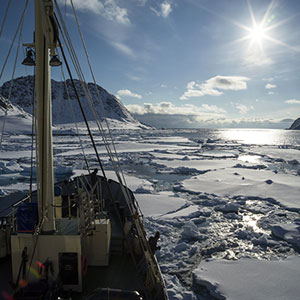
Famous places like the Galapagos or Egypt, and then there's Svalbard in the Arctic.
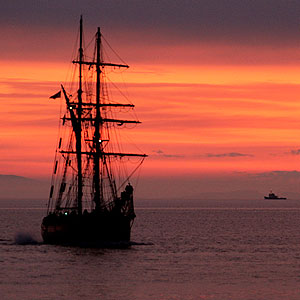
Coming in all shapes and sizes without ever entering floating hotel territory, there's a boat for everyone.
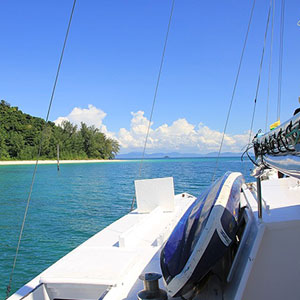
The weather dictates everything when you're on the water, so travel at the right time.
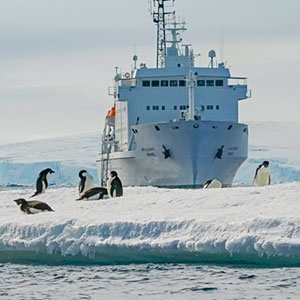
It might be a family-sized yacht, a schooner designed to tuck into fjords full of orcas, or a 200-passenger icebreaker.
From low carbon credentials to accessibility – what to ponder when booking a cruise.
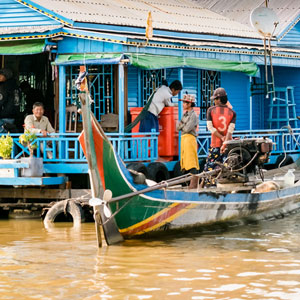
Go gliding down the Nile on a felucca, to a groundnut boats in the Gambia, or try exploring Kerala.
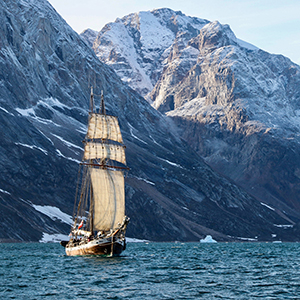
Expect to spend most of your time on deck, in the water, or exploring islands when you're cruising along under sail.
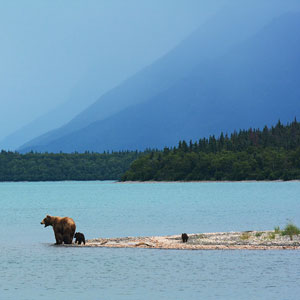
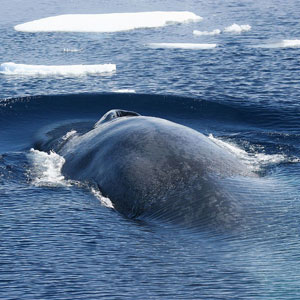
For some of the most iconic creatures on earth - find out how to see polar bears, penguin colonies and whales.
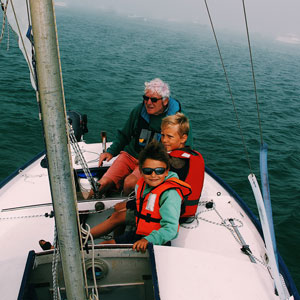
Who says cruises aren’t for kids? We've got trips where families can share the fun.
We discuss your options as a solo traveller when you're planning to come aboard.
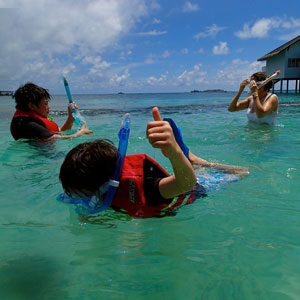
Our experts partners explain how to pack, coping with sea sickness, and whether or not you should bring the kids.
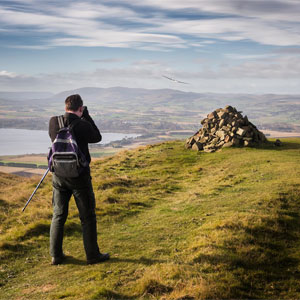
For wildlife safaris, art workshops and family adventures among Hebridean islands...
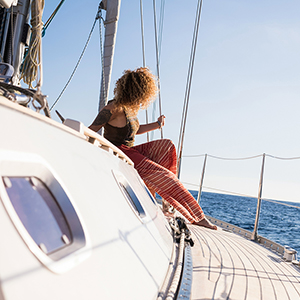
Hit the deck: let our travel experts state the case for travelling by boat.
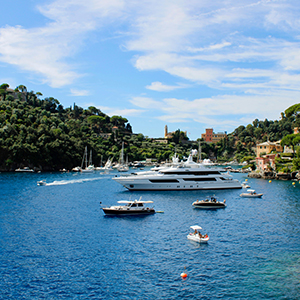
Discover the world by boat on Responsible Travel’s small ship cruises. Find out why you should book with us.
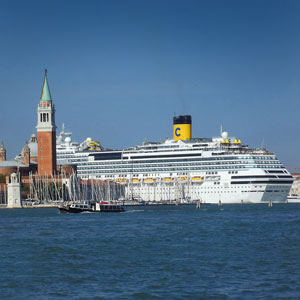
Giant cruise ships get a lot of negative attention, and we believe it's well-earned. We really don’t need a bigger boat.
All our guides in one place from the Maldives to Scotland, Arctic cruising and more.