Walking in Sierra de Aracena

For magical walking in bucolic landscapes, come to where weekend visitors flock from Seville – and then stay for the whole week to experience the quiet.

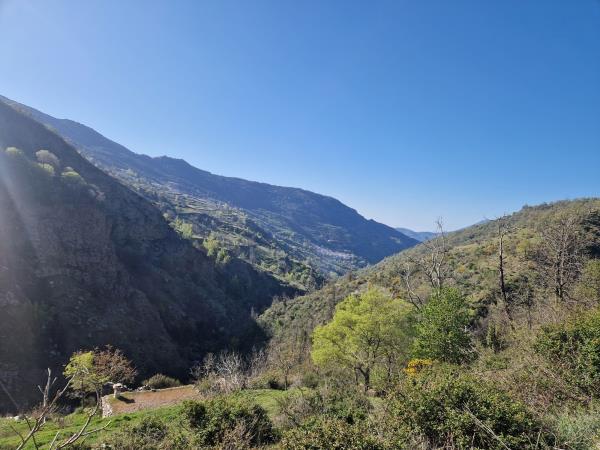
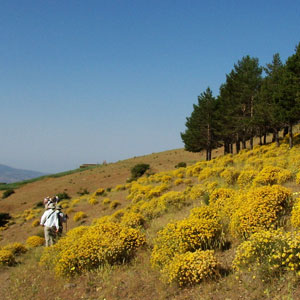
Think of Andalucia and you might think of white heat over white villages. But in the west of the region, everything is green: evergreen holm oak, cork oak and pine coat the hills and, in spring, there are spreading chestnuts with massive peonies blooming in their shade. In spring and autumn, the Atlantic Ocean sends refreshing rains over the hills.

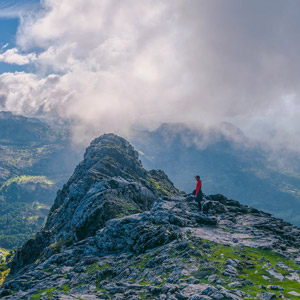
This is the Sierra de Aracena, part of the long Sierra Morena mountain chain, and part of the Sierra de Aracena and Picos de Aroche Natural Park – one of the largest parks in Andalucia. In the foothills of the sierra, among the greenery, you’ll find lovely gentle walking paths – as our walking holidays in Sierra de Aracena prove.

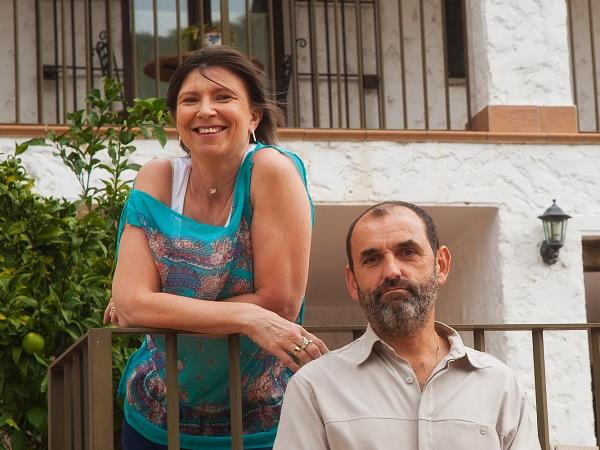
“It’s bucolic – I know that’s an old expression – but that’s what it’s like, especially in spring and autumn.” Lucy is from our partner Posada San Marcos, offering walking holidays in the area with her husband, Ángel, from their renewably-powered bed and breakfast. “Here is the oldest part of the Sierra Morena, so it’s got smaller more rounded hills.”

As you start down the quiet trails, other people seem far away. “You feel like you’re discovering the area,” says Lucy. Walkers who visit don’t see many other people on their hikes.

Not remotely remote

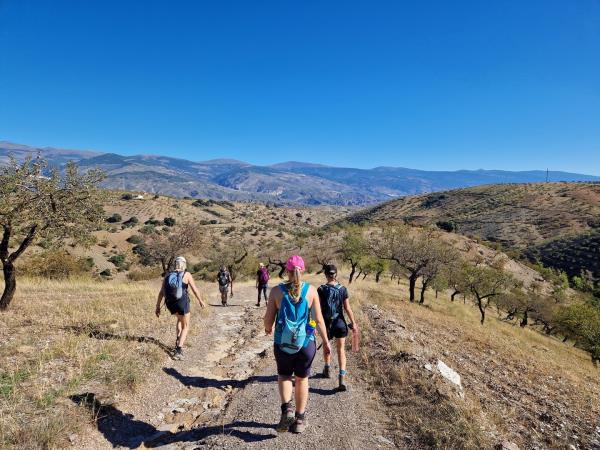
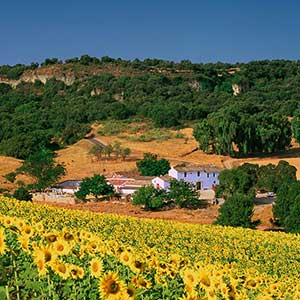
This isn’t remote walking in the slightest, though. There are traces of other people everywhere. You’ll be walking on tracks that connect pretty towns in landscapes that, on closer inspection, show evidence of centuries of human habitation: cork forests where you can see the bright trunks of trees stripped of their harvested cork, and chestnut and walnut trees which were introduced in the 11th century as a food source.
It's all cork oak and olive groves, pine forests and ancient sweet chestnut plantations, often with vultures and red kites circling overhead and free-range black pigs roaming around.
– our traveller Claire Sargent
The presence of other people adds to the beauty. The whitewashed towns run in the crevices between hills like spilt milk – they are in conservation areas, which preserve their traditional look and feel. There’s Aracena, the village that is the region’s capital, and the towns of Alajar and little Linares de la Sierra, with their narrow, cobbled streets, terracotta-tile roofs, and tiny tapas bars. There is wooded pasture known as Dehesa – a landscape that has been shaped by centuries of ongoing human intervention and which once was thought to have covered 90 percent of Spain. Here you’ll find old holm oaks and cork oaks too big to hug. Iberian pigs, grazing on acorns in their shade, are farmed in the area to make some of the world’s best ham, which you can learn more about on our Iberian ham tour.

Natural wonder

Whilst there are constant reminders of civilisation– after all, who wouldn’t want to live in this pretty part of the world? – there is also a strong natural presence in the area. The diversity here is in part testament to the longstanding success of the farming system, which provides an undisturbed habitat for a wide variety of flora and fauna. There are many species of orchid; there are storks, including the protected rare black stork; and many birds of prey, including eagles, kites, owls and the largest nesting colony of black vultures on the continent. In the autumn, la berrea – the deer rut – fills the valleys with roars.

The language of the landscape

Unlocking all the clues to this area takes an experienced eye. Some of our walking holidays start guests off with an orientation walk, a great way to open up the language of the landscape – so you can distinguish holm oaks from cork oaks, and learn the names of the towns.

Our holidays can help you feel connected to the areas you visit. Lucy and Ángel are well established in their local area and help guests forge closer relationships with the community. They support their local restaurants, translating the menus into English, and helping set expectations for visitors from other countries – that no one eats before nine for example. “We tell people to have a late lunch,” says Lucy.

Contact Us

Responsible Travel, Travel Team

Call us for a chat about our holidays. We are happy to discuss your holiday and help in any way we can. No bots, queues or awful hold music.

Responsible Travel, Travel Team

When is the best time to go walking in the Sierra de Aracena?

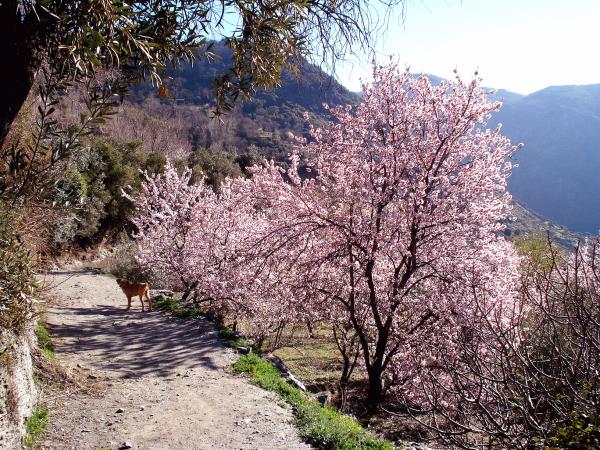
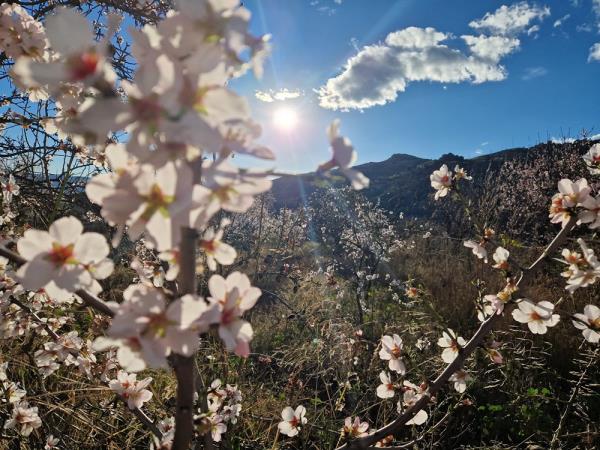
Autumn is the most popular season among Spanish visitors, who come for the changing colours of the trees, and for chestnuts. Lucy loves spring; we speak to each other in late April. “It’s effervescent at the moment,” she says. “The colour of the sweet chestnut when it comes out is so vibrant – and you get the wild peonies growing underneath.”

Autumn and spring are wetter than winter or summer keeping the landscape lovely and leafy. They’re also changeable. “Ignore the weather forecast but bring a rain jacket just in case,” says our traveller, Jenny Hoffmann.

Climate change is affecting the seasons, “It’s getting drier,” says Lucy. “Although the weather is cyclical and eventually the rain comes the gaps between the rainy spells are getting bigger. And there’s more demand on water resources as there’s a lot more tourism.” The property she runs with us is an eco retreat that is careful with water conservation.

Winter is surprisingly cool – at least for southern Spain. Summer is hotter, and less suited for walking, but has its own charms for more relaxed holidays. “Plonk yourself down in a garden with a saltwater pool and birdsong in the shade – it’s not a searing heat,” says Lucy.

What do our walking holidays in the Sierra de Aracena entail?

This landscape is safe and welcoming, and the walks are never too remote, making it a great place for our self guided walking holidays. Tailor walks to your own preferences, walking on routes between eight and 19km. Walking is supported by GPS on an app that you can follow as you walk, plus route notes and maps. There is some signage on the footpaths. You might get an orientation walk at the start to introduce you to the area before you set off on your own.
Written by Eloise Barker
Photo credits: [Page banner: Ricoleta] [Intro: El Pantera] [Not remotely remote: Ricoleta] [Best time: Cadoalla]