Culture in Chile: festivals, cuisine & Indigenous peoples
The culture in Chile is shaped by the history of its Indigenous peoples and colonial settlers, but also by its climate, and its uniquely long, slender profile.
More than a tenth of the Chilean population identifies as Indigenous, predominantly Mapuche (people of the land). Meanwhile waves of European immigration, particularly from Spain and Germany, have strongly influenced many aspects of Chilean culture, from religion (Chile is mostly Roman Catholic) to dances (the romantic cueca), winemaking and the many different types of pastry you find in Chilean cuisine.
Chile stretches for over 4,000km along South America’s Pacific coast, and many of our immersive cultural tours run its full length. On our trips you can see how ways of life and traditions vary as you venture from the harsh, high-altitude Andean terrain of the Altiplano region to the mysterious and remote Easter Island, to the Lake District, heartland of the Mapuche People, dotted with pockets of Germanic society and where you might also encounter huasos horsemen, similar to the gauchos of neighbouring Argentina.
More than a tenth of the Chilean population identifies as Indigenous, predominantly Mapuche (people of the land). Meanwhile waves of European immigration, particularly from Spain and Germany, have strongly influenced many aspects of Chilean culture, from religion (Chile is mostly Roman Catholic) to dances (the romantic cueca), winemaking and the many different types of pastry you find in Chilean cuisine.
Chile stretches for over 4,000km along South America’s Pacific coast, and many of our immersive cultural tours run its full length. On our trips you can see how ways of life and traditions vary as you venture from the harsh, high-altitude Andean terrain of the Altiplano region to the mysterious and remote Easter Island, to the Lake District, heartland of the Mapuche People, dotted with pockets of Germanic society and where you might also encounter huasos horsemen, similar to the gauchos of neighbouring Argentina.

Chile cultural highlights
Chilean cuisine is a major cultural highlight, particularly the exceptional seafood and hearty meat dishes, which pair beautifully with a glass or two courtesy of the country’s world-renowned wine industry. Visitors can also experience Chile’s culture through recurring folk festivals that highlight aspects of traditional life while bringing local communities together. Our trips also feature the opportunity to explore Indigenous culture, for example by spending a night or two in a Mapuche village.
Food & wine
If you’re a seafood aficionado, you’ll love Chile, and if you’re not, then Chile will make you one. From baked clams to crab casserole and rich, creamy stews, the fish and seafood drawn from the Pacific Ocean can be on the table in hours wherever you are, because Chile is so narrow that you’re never far from the coast. This is a country, and a culture, with powerful links to the sea. Pablo Neruda, the legendary Chilean poet, once penned an ode to the conger eel stew, “…in Chilean stewpots, along the coast, was born the chowder, thick and succulent, a boon to man.”
In central and southern Chile, where ranches proliferate across expansive grasslands, whole lambs are grilled on asados (barbecues), a mouthwatering affair that also offers an insight into communal aspects of country living. The curanto, cooked underground on hot rocks, is another popular shared feast.
Vines arrived in Chile in the 16th century with the Spanish conquistadores, and before long a flask of wine, sometimes made from grapes grown in the back garden, was a fixture of dinner tables the length of the country. Chilean viniculture really took off from the late 20th century, however, as a new wave of French emigres arrived, bringing with them generations’ worth of knowhow. Today some of the finest Chardonnays and Sauvignon Blancs on the planet originate from places like the Maipo Valley. Many of our holidays include vineyard tours that allow you to sample the wares of some of the region’s smaller producers and are a great way to meet local growers.
In central and southern Chile, where ranches proliferate across expansive grasslands, whole lambs are grilled on asados (barbecues), a mouthwatering affair that also offers an insight into communal aspects of country living. The curanto, cooked underground on hot rocks, is another popular shared feast.
Vines arrived in Chile in the 16th century with the Spanish conquistadores, and before long a flask of wine, sometimes made from grapes grown in the back garden, was a fixture of dinner tables the length of the country. Chilean viniculture really took off from the late 20th century, however, as a new wave of French emigres arrived, bringing with them generations’ worth of knowhow. Today some of the finest Chardonnays and Sauvignon Blancs on the planet originate from places like the Maipo Valley. Many of our holidays include vineyard tours that allow you to sample the wares of some of the region’s smaller producers and are a great way to meet local growers.
Cultural festivals
Chile has many regional folk festivals (fiestas costumbrista) that are held throughout the year and offer fantastic opportunities to explore the culture of different groups. Take, for example, the Festival del Huaso de Olmue, held in January near Valparaiso. The event is a celebration of rural identity and traditions, particularly those around the huasos and huasas (horsemen and women) of central Chile.
Vendimias are grape harvest celebrations held in Chile’s wine regions in the autumnal months of March and April. These tend to be much more relaxed and informal than wine tasting tours in vineyards, with people gathering to share a glass over a plate of asado with a local band accompanying.
“On Easter Island the big festival is the Tapati in early February for a couple of weeks,” says Steve Wilson, the founder of our partner LiNGER. “There's a strong Polynesian culture there with a very specific identity.” Clans gather to take part in triathlons (canoeing, swimming across crater lakes and running with a 20kg load of bananas) and hair-raising events like sledging down the slope of a volcano. In the evenings things calm down a little, with performances of music, dance and storytelling. While visitors are welcome at Tapati, it is very much not a tourist-oriented festival, so that you feel like a guest rather than a spectator.
Vendimias are grape harvest celebrations held in Chile’s wine regions in the autumnal months of March and April. These tend to be much more relaxed and informal than wine tasting tours in vineyards, with people gathering to share a glass over a plate of asado with a local band accompanying.
“On Easter Island the big festival is the Tapati in early February for a couple of weeks,” says Steve Wilson, the founder of our partner LiNGER. “There's a strong Polynesian culture there with a very specific identity.” Clans gather to take part in triathlons (canoeing, swimming across crater lakes and running with a 20kg load of bananas) and hair-raising events like sledging down the slope of a volcano. In the evenings things calm down a little, with performances of music, dance and storytelling. While visitors are welcome at Tapati, it is very much not a tourist-oriented festival, so that you feel like a guest rather than a spectator.
Visiting Indigenous communities
The best way to visit Indigenous communities in Chile is in the company of a local guide. As well as filling you in on important history and helping you to understand customs and fostering conversation, they can also be vital in ensuring your stay goes smoothly. “Mapuche culture is very conservative, very private, quite formal so it’s important to be sensitive,” says Steve. On our trips you will most likely have a Mapuche guide with you which means the conversation will flow more naturally.
Centuries ago, Indigenous herders would follow long distance routes through the Atacama Desert, passing on the knowledge of oases through generations. That was vital in such a parched landscape, where rainfall is scarce to the point of being non-existent. In Calama, on the edge of the desert, you can take a walk with a member of a Lickan Antay community, joined by a friendly llama or two, as you follow in the footsteps of their ancestors to learn about the skills needed to pursue a life in the desert.
Excessive or poorly planned tourism can lead to inauthentic cultural practices such as people wearing traditional forms of dress when they wouldn’t otherwise, or staged song and dance performances where through over-repetition the meaning behind them is lost. Often this is because local people believe that tourists have an expectation of certain images or experiences, and because they have grown dependent on tour groups, feel they must ‘put on a show’ to keep them coming.
Our holidays work in partnership with the communities they visit to avoid exploitation, cultural misrepresentation or the commodification of traditions. They ensure hosts can engage with tourism in a way that suits them, sharing only what they want to share, and they also work to keep as much money in these places as possible.
Centuries ago, Indigenous herders would follow long distance routes through the Atacama Desert, passing on the knowledge of oases through generations. That was vital in such a parched landscape, where rainfall is scarce to the point of being non-existent. In Calama, on the edge of the desert, you can take a walk with a member of a Lickan Antay community, joined by a friendly llama or two, as you follow in the footsteps of their ancestors to learn about the skills needed to pursue a life in the desert.
Excessive or poorly planned tourism can lead to inauthentic cultural practices such as people wearing traditional forms of dress when they wouldn’t otherwise, or staged song and dance performances where through over-repetition the meaning behind them is lost. Often this is because local people believe that tourists have an expectation of certain images or experiences, and because they have grown dependent on tour groups, feel they must ‘put on a show’ to keep them coming.
Our holidays work in partnership with the communities they visit to avoid exploitation, cultural misrepresentation or the commodification of traditions. They ensure hosts can engage with tourism in a way that suits them, sharing only what they want to share, and they also work to keep as much money in these places as possible.
Key cultural destinations in Chile

Chile’s sheer length lends itself to a north to south journey. If we look at four regions, the Atacama Desert, the Lake District, Easter Island and Patagonia there is such a contrast between all of them.![]()

– Steve Wilson, LiNGER
Ayllu in the Atacama Desert
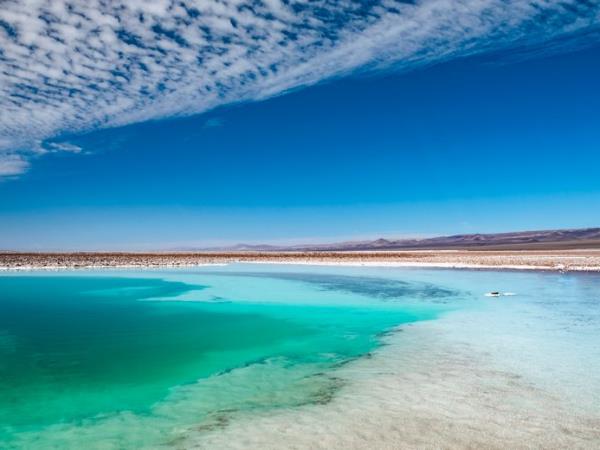
Situated at the edge of the Altiplano region, a vast, high plain in the Andes, the Atacama Desert is an intensely arid landscape that has been compared to that of Mars. Though sparsely populated, the desert is scattered with Aymara and Atacameno communities whose culture has evolved to cope with the harsh environment. One example is the ancient system of ayllu, a form of local government along the lines of family clans, which people who rely on subsistence farming to manage their land, resolve disputes and help each other in times of need.
Taking your time as you travel in Chile helps you to get much more of a feel for everyday life in each place you visit. It allows space for conversations to develop naturally, and for you to observe as people go about their business in ways that are not staged. In some places we can arrange for you to sleep overnight in family homes or community-run homestays, which allows you to experience life in these places after most tourists have left for the evening. “Sometimes people rush up there just for a couple of days and get altitude sickness through trying to see too much, too quickly,” says Steve. “You could easily spend a week, two weeks just in that area, doing things at a slower pace.”
Taking your time as you travel in Chile helps you to get much more of a feel for everyday life in each place you visit. It allows space for conversations to develop naturally, and for you to observe as people go about their business in ways that are not staged. In some places we can arrange for you to sleep overnight in family homes or community-run homestays, which allows you to experience life in these places after most tourists have left for the evening. “Sometimes people rush up there just for a couple of days and get altitude sickness through trying to see too much, too quickly,” says Steve. “You could easily spend a week, two weeks just in that area, doing things at a slower pace.”
Art & street food in cities
Santiago, Chile’s capital, has a thriving contemporary art scene, from the murals you’ll see etched across the walls of its barrios, to galleries that have displayed works by the likes of Mapuche artists Seba Calfuqueo and Bernardo Oyarzun.
Though our holidays generally spend only brief periods in cities like Santiago and Valparaiso, they nevertheless give you a flavour of life in these urban environments, through guided walking tours to sample street food, or cookery classes where you can learn traditional recipes with local chefs.
Though our holidays generally spend only brief periods in cities like Santiago and Valparaiso, they nevertheless give you a flavour of life in these urban environments, through guided walking tours to sample street food, or cookery classes where you can learn traditional recipes with local chefs.
Indigenous & European culture in the Lake District
Among the Indigenous groups calling Chile’s Lake District home are the Huilliche, many of whose ancestors had their land taken from them by European colonisers in the 17th and 18th centuries. On our cultural trips in Chile you can visit a Huilliche community and learn about their ways of life, from their cuisine to their medicinal plants.
You may also visit towns such as Puerto Varas and Puerto Montt, both of which have strong Germanic ancestral links. There are many estancias in the Lake District, too, country ranches where you can head out on horseback through mountain foothills under big skies, in the care of highly skilled huaso guides.
You may also visit towns such as Puerto Varas and Puerto Montt, both of which have strong Germanic ancestral links. There are many estancias in the Lake District, too, country ranches where you can head out on horseback through mountain foothills under big skies, in the care of highly skilled huaso guides.
Mysteries of Rapa Nui culture on Easter Island
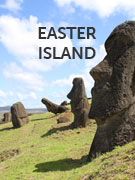
Easter Island, or Rapa Nui, is the most remote inhabited island in the world. Formed by the eruptions of ancient underwater volcanoes, the island’s coast is ringed with gigantic statues, moai, erected to watch over their descendants. Yet how these immense monoliths were moved into position remains a mystery. On our Chile cultural tours, learning the stories of the moai and the ancient Birdman cult from a local guide is a window onto the history of one of the country’s most enthralling destinations.
Folklore & legend on Chiloe Island
Chiloe Island, off the southwest coast of Chile, has a distinctive culture threaded with myth and legends that feature ghost ships, sorcerers, monsters and mermaids. Coastal dwellers live in colourful stilt houses, which are occasionally uprooted and floated to new areas, a feat that necessitates a communal effort known as a minga.
“Very few people venture as far as Chiloe Island because it's a bit of an effort to get there,” says Steve. “But it's fascinating, from the stilted village houses to the food traditions to the rituals at certain times of year based around certain festivals.” Regular folk festivals throughout the year serve to bring local people together and strengthen their traditions. You can try curanto here, a meal of shellfish, pork, sausages, and potato dumplings, wrapped in leaves and cooked on hot rocks underground.
“Very few people venture as far as Chiloe Island because it's a bit of an effort to get there,” says Steve. “But it's fascinating, from the stilted village houses to the food traditions to the rituals at certain times of year based around certain festivals.” Regular folk festivals throughout the year serve to bring local people together and strengthen their traditions. You can try curanto here, a meal of shellfish, pork, sausages, and potato dumplings, wrapped in leaves and cooked on hot rocks underground.
Mapuche ways of life in Patagonia
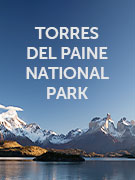
Known for its spectacular landscapes of glaciers, fjords and alpine peaks, a paradise for trekkers, Patagonia is an ancestral home for many Mapuche people. On some of our Chile cultural holidays you can spend the night with a local family in their ruka, a traditional wooden house, and also meet a seed guardian, someone who grows and preserves varieties of fruit and vegetables historically farmed by the Mapuche to prevent them from dying out. You may also visit a weaving workshop, and enjoy a typical Mapuche meal, an opportunity to learn about the community’s connection to the land.
Chile luxury tailor made holiday
Explore Chile in-depth on a private 3 week adventure
From
£6000 to £7000
22 days
ex flights
Chile active adventure holiday
A leisurely private adventure to Chile's greatest wonders
From
£4250 to £5000
17 days
ex flights
Best of Argentina, Bolivia and Chile holiday
Bolivia, Chile's Atacama Desert and canyons of Argentina
From
£5429 to £5499
13 days
ex flights
Salta to Uyuni holiday
Northern Argentina, Atacama Desert & salt flats tour
From
US $2225 to US $2710
9 days
ex flights
Small group tours to Chile
From tip to toe - desert to glaciers - travel Chile
From
£5022
14 days
ex flights
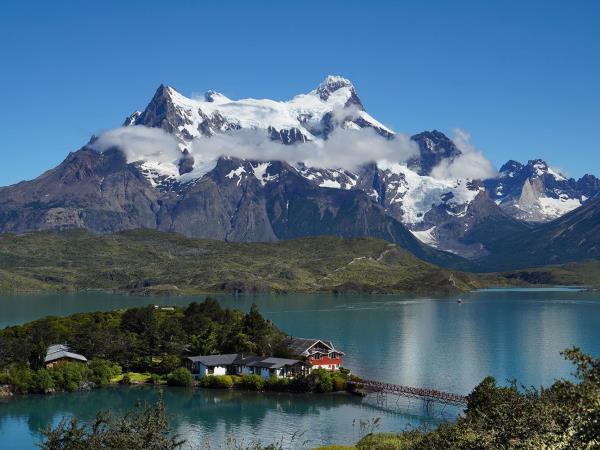
Southern Chile holiday, Lake District and Patagonia
Outdoor adventure, wildlife, culture & gastronomy!
From
US $5750
12 days
ex flights


Contact Us
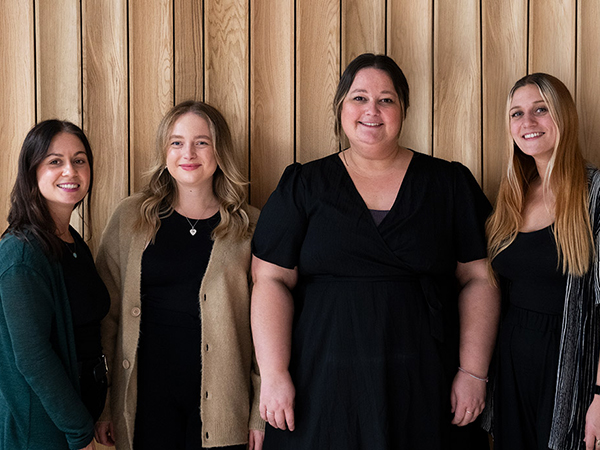
Call us for a chat about our holidays. We are happy to discuss your holiday and help in any way we can. No bots, queues or awful hold music.

01273 823 700
Call us after 10am
Calling from outside the UK

Our travellers also ask…
What is Chile culture known for?
Chilean culture is known for being influenced both by the country’s indigenous communities, particularly the Mapuche, and centuries of European colonisation. Chile’s landscapes are another key influence on its culture, particularly the harsh and remote environments of the Atacama Desert and Patagonia, which have led to traditions based around reciprocity and collaboration.What are some Chilean traditions?
Chilean traditions often revolve around community. They include the ayllu system, a form of local government in the Andes, and shared meals such as asado (barbecue) and curanto (food such as meat and vegetables cooked underground). Folk festivals take place in villages and towns throughout the year. Traditional artforms include the silverwork and handwoven textiles of the Mapuche peoples, who sometimes invite our travellers to stay a night in their ruka homes. These are made from mud, straw and clay, with a stove in the centre fuelled with beechwood, and typically built communally.
What is the food culture in Chile?
Chilean cuisine features a lot of seafood, due to the long Pacific coast that runs the length of the country, and hearty meat dishes that are particularly prevalent in the central and southern regions where ranches proliferate and barbecues are popular. European settlers from France and Germany brought with them advanced viniculture techniques, which has led to Chile becoming one of the finest New World wine producers.
Can you visit Mapuche communities in Chile?
You can visit many Mapuche communities in Chile such as those around Puerto Varas or Pucon. For a deeper understanding of their culture, it’s best to visit with a local guide who can explain things and help with the flow of conversation. Our holidays work with Indigenous peoples to ensure that tourism is on their terms and not exploitative.
More Chile articles
The best time to visit Chile depends on whether you're heading to Patagonia, Atacama or Santiago.
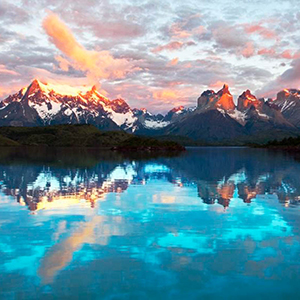
Our travel guide takes you from Neruda to the Mapuches, via the mighty vistas of the Andes, Atacama and Patagonia.
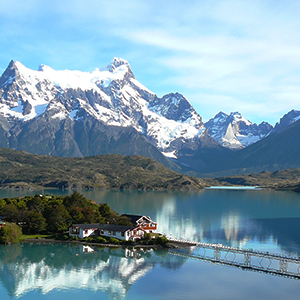
Discover all the must-sees and a few of the lesser-known places to visit with our Chile map and highlights.
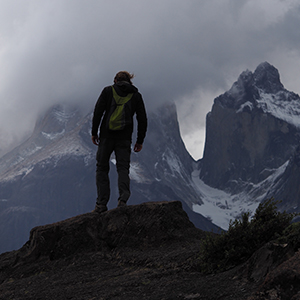
See our top things to do in Chile, from the landscapes of Patagonia and Atacama, to epic Andean treks.
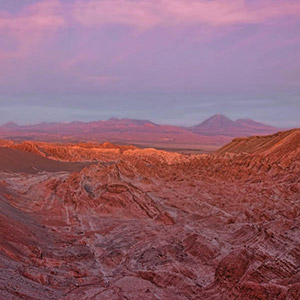
The landscape of Chile’s Atacama Desert is almost Martian in appearance.
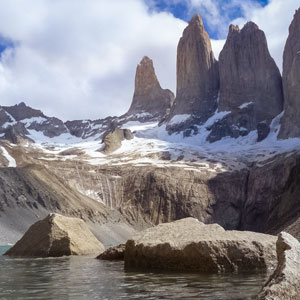
Welcome to a vast wilderness promising adventure from every point of the compass.
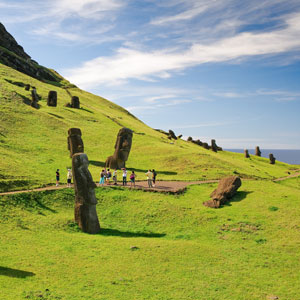
A chance to discover history, culture and those famous moai sculptures.
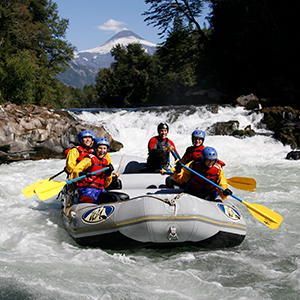
Travelling in Chile with kids isn't as challenging as it might sound - read on for insider tips.
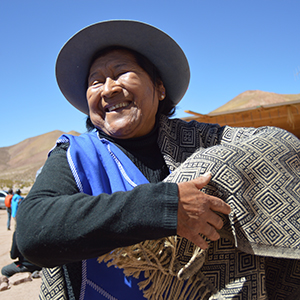
Get insider Chile travel advice from our responsible travellers and our experts, and check out our health and safety section too.
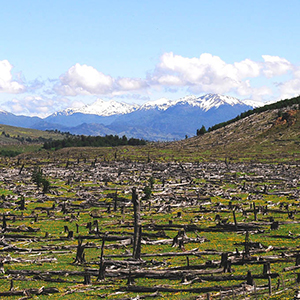
Learn why selling off Patagonia, plus deforestation and mining are important issues in Chile.