Sri Lanka train journeys
“Hey, this way.”
Our tour guide had bagged a spot in the open doorway of the train. No one else in the group moved, content to watch the tea hills roll by from their seats, so I joined him, eyes wide as I took in the view and my grin wider as the wind whipped my hair back.
We were on the mountain train from Nuwara Eliya to Ella – the most spectacular train journey in Sri Lanka. It’s so popular that it features on most of our holidays to Sri Lanka. An hour into the 2.5-hour journey, I decided to upgrade it to one of the most spectacular train journeys in the world.
Surely, it must be. These weren’t bullet trains, and that was the beauty of it. Bright blue carriages cranked along steadily enough that we could see life as we passed. Mist moving through the 2,000m-plus peaks and rain clouds forming. Turquoise and apricot houses with vegetable gardens and sheets billowing on washing lines. Someone rolling their restored Morris Minor out of a garage and another person setting off on a moped, pink sari tucked around them. Sometimes, you’d find yourself alongside a road busy with tuk tuks and trucks, or slung into the cold darkness of a stone tunnel, and then you’d turn a corner and it was on to the next scene. There was so much greenery too – palms and pines, and slopes upon slopes of glossy tea terraces.
Occasionally, the train would creak to a stop for no reason that we could decipher. Some passengers hopped down onto the tracks to stretch their legs and wait it out but, filled with visions of being left behind, I stuck to chatting with our guide, dangling my legs outside the train until it started rolling forward again.
I thought: Right, this is it. This is the best way to see Sri Lanka. I didn’t realise then that there was more to come – that there were even more beautiful train journeys to enjoy in Sri Lanka. Read on for some of our favourites.
Our tour guide had bagged a spot in the open doorway of the train. No one else in the group moved, content to watch the tea hills roll by from their seats, so I joined him, eyes wide as I took in the view and my grin wider as the wind whipped my hair back.
We were on the mountain train from Nuwara Eliya to Ella – the most spectacular train journey in Sri Lanka. It’s so popular that it features on most of our holidays to Sri Lanka. An hour into the 2.5-hour journey, I decided to upgrade it to one of the most spectacular train journeys in the world.
Surely, it must be. These weren’t bullet trains, and that was the beauty of it. Bright blue carriages cranked along steadily enough that we could see life as we passed. Mist moving through the 2,000m-plus peaks and rain clouds forming. Turquoise and apricot houses with vegetable gardens and sheets billowing on washing lines. Someone rolling their restored Morris Minor out of a garage and another person setting off on a moped, pink sari tucked around them. Sometimes, you’d find yourself alongside a road busy with tuk tuks and trucks, or slung into the cold darkness of a stone tunnel, and then you’d turn a corner and it was on to the next scene. There was so much greenery too – palms and pines, and slopes upon slopes of glossy tea terraces.
Occasionally, the train would creak to a stop for no reason that we could decipher. Some passengers hopped down onto the tracks to stretch their legs and wait it out but, filled with visions of being left behind, I stuck to chatting with our guide, dangling my legs outside the train until it started rolling forward again.
I thought: Right, this is it. This is the best way to see Sri Lanka. I didn’t realise then that there was more to come – that there were even more beautiful train journeys to enjoy in Sri Lanka. Read on for some of our favourites.

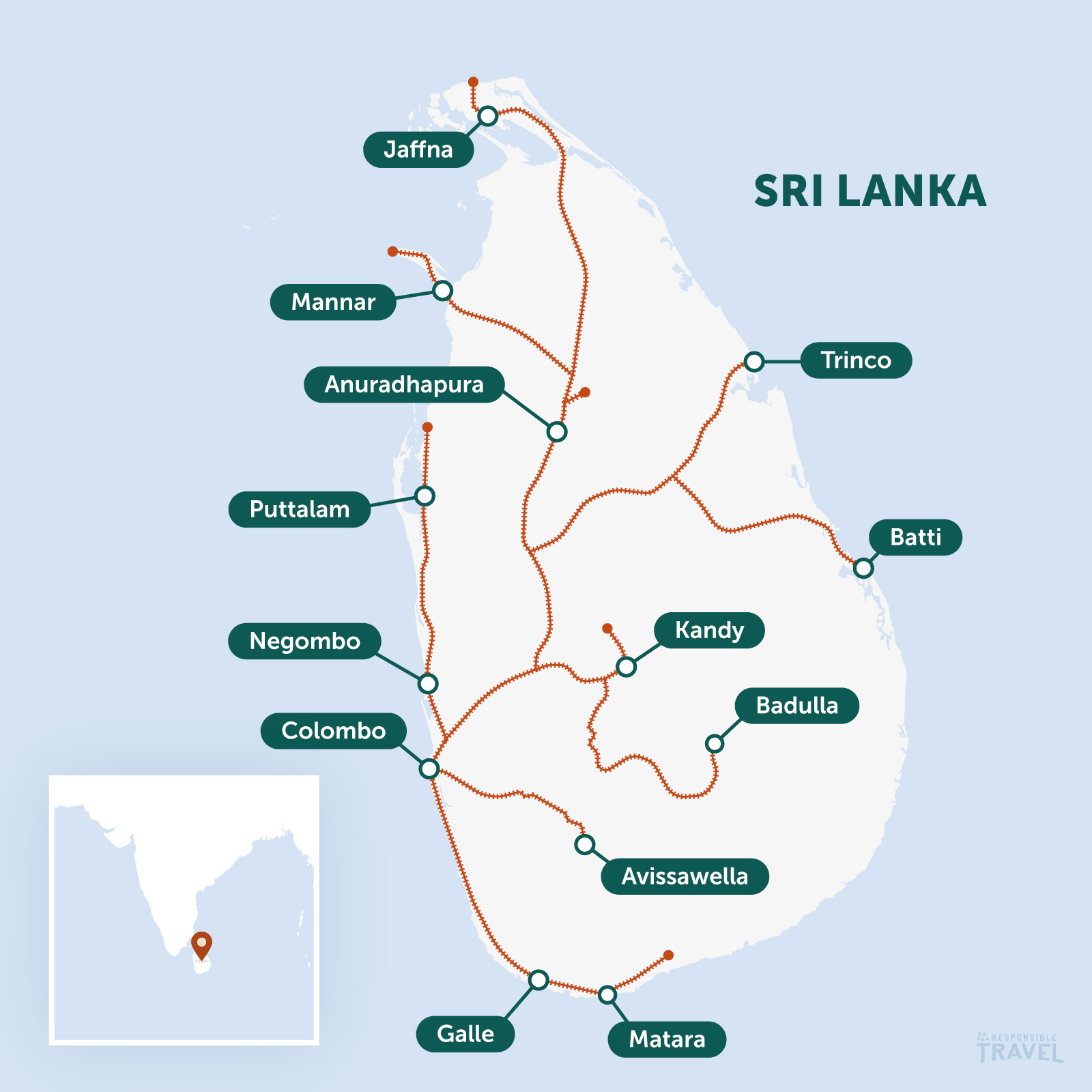
Sri Lanka train map
To the tea hills & beyond: the best train journeys in Sri Lanka
Nuwara Eliya to Ella (2.5-3 hours)
The classic: for tea hills, mountains and a tourist train optionEver seen that famous image of someone hanging out a train door with the tea hills behind, looking like they’re having the time of their lives? Chances are, they’re on the Podi Menike – specifically, the picturesque stretch between Nuwara Eliya (Nanu Oya) and Ella. Do avoid leaning out the doors (it’s a risky photo op with sometimes deadly consequences); you’ll still get great views by remaining safely inside the carriage, either aboard a standard train or on the new Odyssey service that comes with air conditioning, a buffet car and a couple of photo stops, including the chance to disembark on Nine Arch Bridge. As well as giving you a risk-free photo, this service helps ease tourist crowds away from trains that local people rely on.
Tip: Sit on the left-hand side for the best views.
Kandy to Nuwara Eliya (3.5-4 hours)
The original: for sacred cities and history lessons
Kandy marks the start of Sri Lanka’s train story. It was here, at the centre of the coffee industry, that colonial plantation owners lobbied the British government to build a railway to transport beans from plantation to port. Construction started in 1864 and expanded when blight-struck coffee plants were swapped for the tea plants that now cover the mountains. It’s all about the contrasts on this journey. Trains start in the striking Art Deco station of Kandy before trundling through the suburbs and up – and up – into the cloud forests and pinstripe tea terraces of the mountains. Alight in Nuwara Eliya (Nanu Oya) or continue onwards to Ella for an epic eight-hour journey.
Tip: Stay at least one night in the sacred city of Kandy. You’ll wake to the Islamic call to prayer, glimpse the Buddha’s tooth at the Temple of the Sacred Tooth Relic, and cool off in Neogothic St Paul’s Church.
Kandy marks the start of Sri Lanka’s train story. It was here, at the centre of the coffee industry, that colonial plantation owners lobbied the British government to build a railway to transport beans from plantation to port. Construction started in 1864 and expanded when blight-struck coffee plants were swapped for the tea plants that now cover the mountains. It’s all about the contrasts on this journey. Trains start in the striking Art Deco station of Kandy before trundling through the suburbs and up – and up – into the cloud forests and pinstripe tea terraces of the mountains. Alight in Nuwara Eliya (Nanu Oya) or continue onwards to Ella for an epic eight-hour journey.
Tip: Stay at least one night in the sacred city of Kandy. You’ll wake to the Islamic call to prayer, glimpse the Buddha’s tooth at the Temple of the Sacred Tooth Relic, and cool off in Neogothic St Paul’s Church.
Colombo to Galle (2.5 hours)
The coastal line: for ocean views, surf beaches and port cities
The coastal line runs south of the capital city, from Colombo to the millennia-old seaport of Galle. There’s no need to pack a book for this one – you’ll be too distracted by views of the south-west coast. Marvel at the rolling breakers of the Indian Ocean, coastal roads bright with tuk tuks, bronze surf beaches and turquoise fishing boats, flowering gardens, and peaches-and-cream churches and shining temples. Finally, step off in Galle. This busy station is within a 10-minute walk of Galle Fort and the international cricket stadium.
Tip: Keep an eye out for the 18m-high Buddha statue built in memory of those who died in the 2004 tsunami that devastated this coast. Its hand is raised in the abhaya mudra – a gesture of comfort and protection.
The coastal line runs south of the capital city, from Colombo to the millennia-old seaport of Galle. There’s no need to pack a book for this one – you’ll be too distracted by views of the south-west coast. Marvel at the rolling breakers of the Indian Ocean, coastal roads bright with tuk tuks, bronze surf beaches and turquoise fishing boats, flowering gardens, and peaches-and-cream churches and shining temples. Finally, step off in Galle. This busy station is within a 10-minute walk of Galle Fort and the international cricket stadium.
Tip: Keep an eye out for the 18m-high Buddha statue built in memory of those who died in the 2004 tsunami that devastated this coast. Its hand is raised in the abhaya mudra – a gesture of comfort and protection.
Colombo to Kandy (3 hours)
The city service: from coastal capital to cultural capital
This express route offers a direct line between two of the most important cities in Sri Lanka. It skips the tea hills, so it’s largely tourist-free. Instead, you’ll sit alongside everyone from commuters and students to day-tripping families and cricket fans on their way to watch a game. The line runs for 120km through a less-appreciated slice of Hill Country via thick jungle and palm-shaded villages.
Tip: Kandy is usually the end of the line, but some trains continue onwards to Nuwara Eliya and Ella, where most tourists hop aboard for a trip through the tea hills.
This express route offers a direct line between two of the most important cities in Sri Lanka. It skips the tea hills, so it’s largely tourist-free. Instead, you’ll sit alongside everyone from commuters and students to day-tripping families and cricket fans on their way to watch a game. The line runs for 120km through a less-appreciated slice of Hill Country via thick jungle and palm-shaded villages.
Tip: Kandy is usually the end of the line, but some trains continue onwards to Nuwara Eliya and Ella, where most tourists hop aboard for a trip through the tea hills.
Anuradhapura to Jaffna (3 hours)
The north: for Tamil culture, lakes and peninsulas
The war ended in 2009, but many visitors still miss the north – which is all the more reason to go. Getting there by rail is easy, thanks to comfy intercity express trains that run from Anuradhapura, the first kingdom of Sri Lanka, to Jaffna, the capital of the north and heart of Sri Lankan Tamil culture. Expect sweeping views over lakes, reservoirs, lagoons and canals that promise glimpses of drinking elephants. In fact, Elephant Pass is the name of the narrow peninsula that ties Jaffna to the rest of Sri Lanka. A war memorial marks its past as an 18-year-long battleground between the Sri Lankan Army and Tamil Tigers. These days, trains pass peacefully via a station partly funded by local students who helped rebuild the stop as a symbol of unity and reconciliation.
Tip: There’s only one train line in and out of Jaffna, so book in advance. Our Sri Lanka specialists can help check availability and reserve seats.
The war ended in 2009, but many visitors still miss the north – which is all the more reason to go. Getting there by rail is easy, thanks to comfy intercity express trains that run from Anuradhapura, the first kingdom of Sri Lanka, to Jaffna, the capital of the north and heart of Sri Lankan Tamil culture. Expect sweeping views over lakes, reservoirs, lagoons and canals that promise glimpses of drinking elephants. In fact, Elephant Pass is the name of the narrow peninsula that ties Jaffna to the rest of Sri Lanka. A war memorial marks its past as an 18-year-long battleground between the Sri Lankan Army and Tamil Tigers. These days, trains pass peacefully via a station partly funded by local students who helped rebuild the stop as a symbol of unity and reconciliation.
Tip: There’s only one train line in and out of Jaffna, so book in advance. Our Sri Lanka specialists can help check availability and reserve seats.
Ella to Demodara (15 minutes)
Architectural wonders: for Nine Arch Bridge and the Demodara Loop
Many visitors are so fixed on the famous trip between Nuwara Eliya and Ella that they miss this tiny 15-minute hop. But this little route through valleys and peaks packs in a lot of engineering wonder, including Nine Arch Bridge – concocted by Sri Lankan engineer D. J. Wimalasurendra to get trains around a tricky curve and climb. It’s also home to the Demodara Loop (another brainchild of Wimalasurendra), where you can observe bright blue trains circling directly beneath Demodara Station from a dedicated viewpoint. Wander around Demodara, too, for bakeries and cafés serving curry and rice.
Tip: The Pekoe Trail passes by Demodara. Follow it for a walk through tea estates and villages that’s designed to put you in touch with local people. You can even follow it all the way back to Ella.
Many visitors are so fixed on the famous trip between Nuwara Eliya and Ella that they miss this tiny 15-minute hop. But this little route through valleys and peaks packs in a lot of engineering wonder, including Nine Arch Bridge – concocted by Sri Lankan engineer D. J. Wimalasurendra to get trains around a tricky curve and climb. It’s also home to the Demodara Loop (another brainchild of Wimalasurendra), where you can observe bright blue trains circling directly beneath Demodara Station from a dedicated viewpoint. Wander around Demodara, too, for bakeries and cafés serving curry and rice.
Tip: The Pekoe Trail passes by Demodara. Follow it for a walk through tea estates and villages that’s designed to put you in touch with local people. You can even follow it all the way back to Ella.
Galle to Beliatta (1.5 hours)
The south: for surf, whales and new routes east
Sri Lanka is expanding its train network at a steady pace. One of the newest stretches is an extension of the Coast Line east to Beliatta – a sleek wave of a station just north of Sri Lanka’s southern tip. It’s a world away from the creaky colonial stations that most tourists aim for, and an exciting glimpse into the future of rail travel in Sri Lanka. The journey takes 1.5 hours, but it’s almost impossible not to hop off along the way at one of the many beach towns that attract surfers and sunset seekers, including Mirissa and Matara.
Tip: Check the train maps before going. You might find another tempting stretch of line has been added, opening up the little-visited east side of Sri Lanka.
Sri Lanka is expanding its train network at a steady pace. One of the newest stretches is an extension of the Coast Line east to Beliatta – a sleek wave of a station just north of Sri Lanka’s southern tip. It’s a world away from the creaky colonial stations that most tourists aim for, and an exciting glimpse into the future of rail travel in Sri Lanka. The journey takes 1.5 hours, but it’s almost impossible not to hop off along the way at one of the many beach towns that attract surfers and sunset seekers, including Mirissa and Matara.
Tip: Check the train maps before going. You might find another tempting stretch of line has been added, opening up the little-visited east side of Sri Lanka.
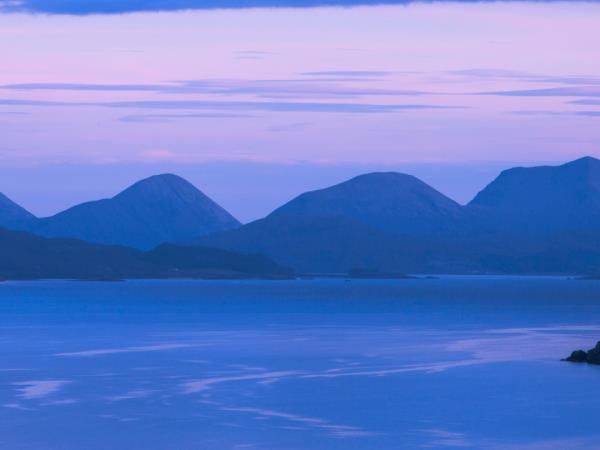
Grand rail tour of Scotland
A leisurely self-guided trip touring Highlands and islands
From
£3590 to £3700
16 days
ex flights
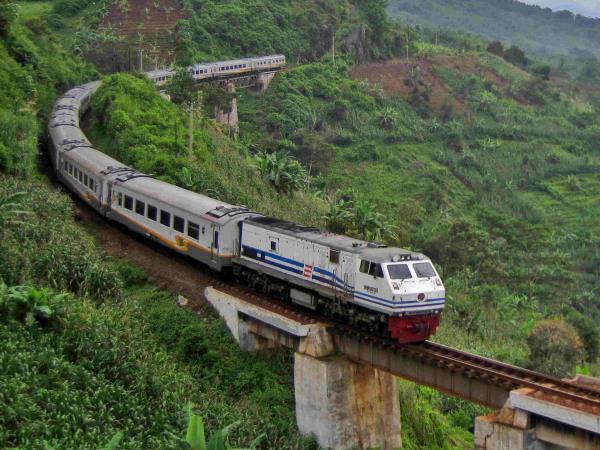
Jakarta to Bali by train holiday
Discover Java by rail and relax on Balinese beaches
From
£2745
13 days
ex flights
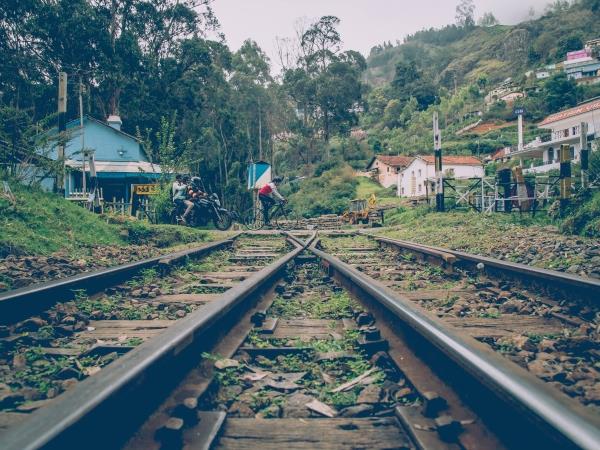
South India by rail holiday
Rail trip visiting Kerala and Tamil Nadu
From
£3330
19 days
inc UK flights
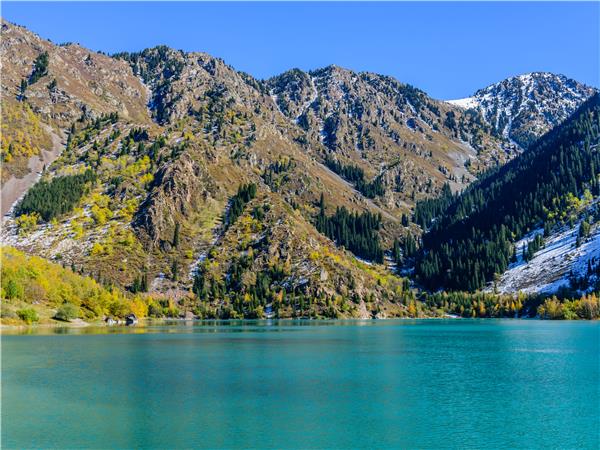
The Silk Road small group tour
Discover the Silk Road in Uzbekistan, Kyrgyzstan and China
From
£3338 to £3921
16 days
ex flights
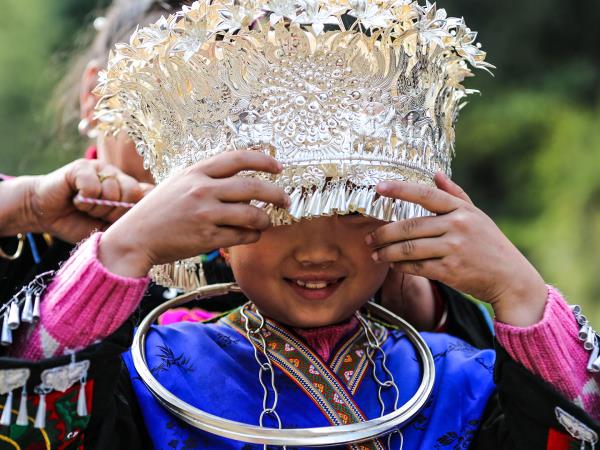
Rural China cultural holiday, tailor made
See traditional village life in mountainous Guizhou & Yangshuo
From
€2667
12 days
ex flights


Contact Us
Call us for a chat about our holidays. We are happy to discuss your holiday and help in any way we can. No bots, queues or awful hold music.

01273 823 700
Call us after 10am
Calling from outside the UK

Our top tips for travelling by train in Sri Lanka
Choose a tailor made holiday for less-travelled routes
Popular train journeys like Nuwara Eliya to Ella feature in most of our holidays, including guided small group tours and private tailor made trips. Fancy heading off the usual tourist track? Choose a tailor made tour. With enough notice, our Sri Lanka specialists can create a trip with a train journey of your choice, planning routes and advising on how to book tickets.
Pack a picnic, but say yes to short eats
Buffet cars are few and far between, so bring food and drink with you. Sometimes, snack vendors hop on and off at stations – and when they do, get your cash out quick! This is one of the best ways to try Sri Lankan ‘short eats’ – snacks that range from freshly made roti and milk buns to sweetcorn fritters and mini pies. Tea and coconut juice sellers often walk down the carriages too.
Find out more about the colonial tea & train industry
The best holidays celebrate Sri Lanka’s spectacular train journeys while sharing their full stories. These amazing feats of engineering were first built to extract valuable products like tea, coffee and spices to fund the British Empire, with little care for land and labour rights, or about fairly sharing the huge wealth generated. It’s a great idea to do your research before visiting tea plantations, too. Many tea pickers are descended from the thousands of indentured Tamil workers that the British brought from India and still face exploitation. Ask questions and stick to the plantations with excellent staff welfare and environmental standards.
Share the doorways
The open doorways are coveted spots; well done if you bag one! Just be aware of any queues forming behind you or of passengers just trying to get from A to B. The window seats in second and third class carriages usually have open windows, so you can enjoy the feel of the mountain air in your hair from inside too.
Embrace slow travel
Sri Lankan trains run on time about half the time and sometimes encounter cancellations due to maintenance or weather. With that in mind, embrace the journey as an adventure; there are certainly worse things than being delayed on a train with such a spectacular mountain view. Instead, pack a good book – and avoid booking timed activities for later in the day.
Bring layers
Hill Country can be a good 10°C cooler than the coast, so bundle layers into your bag. It can also be rainier. An umbrella is one of the best investments you can make in Sri Lanka; it’s great for shade or shelter. Don’t worry if it isn’t a blue-sky day, either. The mountains are just as beautiful shrouded in whispers of mist.
Be mindful of recent events
In recent years, Sri Lanka has experienced a series of shocks caused by the Covid-19 pandemic, political instability and fuel shortages. Extreme weather powered by the climate crisis has particularly impacted the train lines and communities around them, including Cyclone Ditwah in 2025. However, our Sri Lankan partners encourage you to keep visiting. Once past the immediate aftermath of disaster, respectful and responsible tourism can help boost recovery, financially supporting local shops, guest houses and transport links.
Take a moment to wander the stations
Many stations overflow with bright pink flowers and wooden ticket offices are painted in sunny shades. Meanwhile, station signs are like works of art, painted with the beautiful calligraphy of Tamil and Sinhalese scripts.
More Railway journeys articles
How to get from London to Singapore by rail and vice versa on a truly extraordinary journey.
Travel around the whole of India by train, with help from a couple of internal flights, or enjoy the southern states.
Follow a winding route from Slovenia to Kosovo via a string of utterly underrated cities and mountainous lines.
Many of Morocco’s great cities and sights are easy to access by rail, so don’t restrict your adventure to just one place.
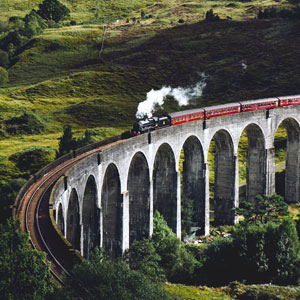
By far the most relaxing way to explore the exquisite extremities of this wild country. Here’s how to explore car-free.
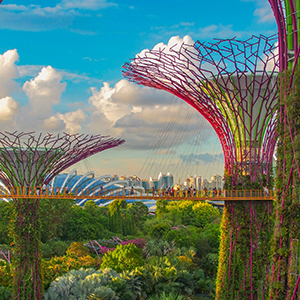
Discover our epic rail journeys: all starting in London; all flight free.
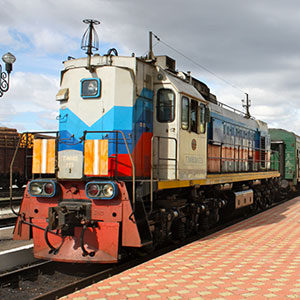
Two routes that cross massive distances and reach remote areas.