France food & drink
French cuisine is the most dynamic, the most influential, in the world. This is the country that gave us haute cuisine, defined by a meticulous approach to preparation and presentation, the very finest chefs procuring the very finest ingredients. That gave us nouvelle cuisine, prioritising lighter dishes, fresh and seasonal ingredients, and a clean, stylised way of plating it. That gave us the great chef Escoffier with his codification of the five French ‘mother’ sauces: bechamel, espagnole, tomato, veloute and hollandaise, and his military concept of kitchen hierarchy, the Brigade de Cuisine, which revolutionised the way restaurants operate.
In Paris, there are over 40,000 restaurants, taking into account brasseries, bistros and cafes. And around half of Parisian chefs are immigrants, born outside the European Union. Now, that rich cultural mix is giving rise to fusion cuisines, where classic French dishes like pot-au-feu, duck a l’orange or moules frites are given exciting new twists.
Every region of France has its own unique dishes, its own favoured ingredients, sometimes even a product with an appellation d'origine controlee so that only if it has been made there and nowhere else, and according to a specific technique, can it be called Roquefort cheese, or Calvados brandy, or salt-marsh lamb from the Somme. Seasonality is important, especially in rural areas – you will find a lot of fungi in late summer, for instance, and a lot of gamey dishes through the winter hunting season.
In Paris, there are over 40,000 restaurants, taking into account brasseries, bistros and cafes. And around half of Parisian chefs are immigrants, born outside the European Union. Now, that rich cultural mix is giving rise to fusion cuisines, where classic French dishes like pot-au-feu, duck a l’orange or moules frites are given exciting new twists.
Every region of France has its own unique dishes, its own favoured ingredients, sometimes even a product with an appellation d'origine controlee so that only if it has been made there and nowhere else, and according to a specific technique, can it be called Roquefort cheese, or Calvados brandy, or salt-marsh lamb from the Somme. Seasonality is important, especially in rural areas – you will find a lot of fungi in late summer, for instance, and a lot of gamey dishes through the winter hunting season.
Remi Dubois is the founder of our partner Provençal Adventures, and the meals he cooks for guests on hiking retreats in the hills around a community of medieval villages known as the Pays de Fayence lean heavily on both seasonality and what’s available locally. “It's classic Provençal food with a personal twist. We source about 95 percent of everything we use from a 20km radius and we’re spoilt for choice. And organic too, it's on another level. Wherever you go in France, you will find a market, and you will find local producers who are very proud of their culture, of their food.”
“Where we are, we're very lucky,” Remi continues. “We have the sun, we have our own microclimate, so we get a lot of amazing, lovely vegetables, and cheeses in the mountains. And then lovely seafood from the sea, because that's not very far either. And then all the meat, the lamb, it's just in abundance, really.”
“Where we are, we're very lucky,” Remi continues. “We have the sun, we have our own microclimate, so we get a lot of amazing, lovely vegetables, and cheeses in the mountains. And then lovely seafood from the sea, because that's not very far either. And then all the meat, the lamb, it's just in abundance, really.”

What to eat in France
10 must-try French foods
Pot-au-feu
The classic French stew, slow-boiled meat and vegetables. Some home cooks have kept their pots on the go for years, even decades, by continually adding supplemental ingredients.
Boeuf bourguignon
Beef stew, braised in red Burgundy wine. Throw in some carrots and mushrooms and it’s hard to think of a more perfect comfort food.
Quiche Lorraine
Originating from the historical region of Lorraine, this savoury tart filled with cream, eggs and bacon is as deliciously decadent as it sounds.
Crepes (sweet or savoury)
Like pancakes but thinner and eggier, crepes can be savoury or sweet depending on the filling. They make a great pick-me-up for breakfast, or while browsing a local market.
The classic French stew, slow-boiled meat and vegetables. Some home cooks have kept their pots on the go for years, even decades, by continually adding supplemental ingredients.
Boeuf bourguignon
Beef stew, braised in red Burgundy wine. Throw in some carrots and mushrooms and it’s hard to think of a more perfect comfort food.
Quiche Lorraine
Originating from the historical region of Lorraine, this savoury tart filled with cream, eggs and bacon is as deliciously decadent as it sounds.
Crepes (sweet or savoury)
Like pancakes but thinner and eggier, crepes can be savoury or sweet depending on the filling. They make a great pick-me-up for breakfast, or while browsing a local market.
Coq au vin
Chicken braised in wine takes on its flavours beautifully. This casserole is made with different types of wine depending on where you are in France.
Ratatouille
One of the great French vegan dishes with its roots in Provence, ratatouille is made from sauteed summer vegetables such as aubergine, pepper and courgette, artfully arranged in the bowl.
Croque Monsieur / Croque Madame
Quick and easy to make, yet a feast for a hungry diner, a croque monsieur is a ham-and-cheese toasted sandwich. Pop an egg on top for a croque madame.
Moules-frites
Probably transplanted from neighbouring Belgium, mussels and chips is the quintessential dish of northern France. There are a number of sauces the mussels can be cooked in, but mariniere – with white wine, shallots, parsley and butter, is the best-known.
Duck confit
Slow-cooked duck legs – crucially, they should be cured overnight with salt, spices and herbs, which adds greater depth of flavour to the fat they are then cooked in.
Tartiflette
A popular mountain dish, such as you might enjoy on one of our alpine walking holidays, tartiflette is a hearty dish of potato, cheese and onion, ideal for those needing an energy boost.
Chicken braised in wine takes on its flavours beautifully. This casserole is made with different types of wine depending on where you are in France.
Ratatouille
One of the great French vegan dishes with its roots in Provence, ratatouille is made from sauteed summer vegetables such as aubergine, pepper and courgette, artfully arranged in the bowl.
Croque Monsieur / Croque Madame
Quick and easy to make, yet a feast for a hungry diner, a croque monsieur is a ham-and-cheese toasted sandwich. Pop an egg on top for a croque madame.
Moules-frites
Probably transplanted from neighbouring Belgium, mussels and chips is the quintessential dish of northern France. There are a number of sauces the mussels can be cooked in, but mariniere – with white wine, shallots, parsley and butter, is the best-known.
Duck confit
Slow-cooked duck legs – crucially, they should be cured overnight with salt, spices and herbs, which adds greater depth of flavour to the fat they are then cooked in.
Tartiflette
A popular mountain dish, such as you might enjoy on one of our alpine walking holidays, tartiflette is a hearty dish of potato, cheese and onion, ideal for those needing an energy boost.
Regional cuisine in France
Terroir - soil, climate, and geography – is all-important in French cuisine, leading to distinct recipes, and many variations on traditional dishes found the length and breadth of the country.
Alsace, in the northeast and separated from Germany by the Rhine, bears strong Germanic influences in its cuisine, which is pork-heavy and features a lot of choucroute (sauerkraut). Normandy, and Brittany next door, with their long, beautiful coasts, are dominated by fish and seafood. Normandy is also flush with orchards – the cider and calvados here is among the finest in Europe. Below them, the Loire Valley is renowned for the grapes that flavour its wines – you can explore the vineyards in style on one of our cycling tours from chateau to chateau.
Many parts of the South of France, including cities such as Nice and Marseille, have large populations originating from north Africa, and you can find restaurants and street stalls serving excellent Tunisian, Algerian and Moroccan fare.
Tender, milk-fed lamb is the prestige of the Pyrenees. Chireta, not dissimilar to Scottish haggis, is a speciality of mountain communities here. Lamb dishes are also popular in Corsica, but in Bordeaux and Lyon, two renowned gastronomic destinations, braised poultry and beef are the order of the day, paired beautifully with regional red wines. Our holidays in Bordeaux might explore local markets, patisseries and vineyards, and even go out with truffle hunters and their well-trained dogs.
“In Provence it's the sun-ripened produce that makes the cuisine here unique,” says Remi. “Things like tomatoes, aubergines, courgettes. Fennel grows in abundance everywhere. There's a big Italian influence because Nice used to be Italian long ago, so you'll find that a lot of the dishes have a bit of Italian and a bit of French influence together.”
“Pistou soup is very Provençal. There are lots of pistou evenings during the summer. Essentially it is using ingredients like broad beans, fresh peas, courgettes, fennel, celery, carrots, and you're making a bit of a stock with them. Then you add a French version of pesto, lots of fresh basil and garlic and tonnes of olive oil, and you serve it with baguettes and some cheese on the side.”
Alsace, in the northeast and separated from Germany by the Rhine, bears strong Germanic influences in its cuisine, which is pork-heavy and features a lot of choucroute (sauerkraut). Normandy, and Brittany next door, with their long, beautiful coasts, are dominated by fish and seafood. Normandy is also flush with orchards – the cider and calvados here is among the finest in Europe. Below them, the Loire Valley is renowned for the grapes that flavour its wines – you can explore the vineyards in style on one of our cycling tours from chateau to chateau.
Many parts of the South of France, including cities such as Nice and Marseille, have large populations originating from north Africa, and you can find restaurants and street stalls serving excellent Tunisian, Algerian and Moroccan fare.
Tender, milk-fed lamb is the prestige of the Pyrenees. Chireta, not dissimilar to Scottish haggis, is a speciality of mountain communities here. Lamb dishes are also popular in Corsica, but in Bordeaux and Lyon, two renowned gastronomic destinations, braised poultry and beef are the order of the day, paired beautifully with regional red wines. Our holidays in Bordeaux might explore local markets, patisseries and vineyards, and even go out with truffle hunters and their well-trained dogs.
“In Provence it's the sun-ripened produce that makes the cuisine here unique,” says Remi. “Things like tomatoes, aubergines, courgettes. Fennel grows in abundance everywhere. There's a big Italian influence because Nice used to be Italian long ago, so you'll find that a lot of the dishes have a bit of Italian and a bit of French influence together.”
“Pistou soup is very Provençal. There are lots of pistou evenings during the summer. Essentially it is using ingredients like broad beans, fresh peas, courgettes, fennel, celery, carrots, and you're making a bit of a stock with them. Then you add a French version of pesto, lots of fresh basil and garlic and tonnes of olive oil, and you serve it with baguettes and some cheese on the side.”
What to drink in France
“One of the best parts [of my trip] was not having to think about anything,” says traveller Christine Zazzarelli of our hiking retreat in Provence. “Everything was taken care of, including the daily apero at 6.30pm, which became a highlight of each evening – a great way to unwind and connect with the group after the day’s activities.”
Classic aperitifs in France include a cocktail called kir, which is creme de cassis (blackberry liqueur) topped with white wine, or champagne to make a kir royale, and pastis, an aniseed liqueur of the kind you find throughout the Mediterranean region. “Pastis is what you'll see the old blokes drinking at 9am outside the village cafe with a little cigarette in their hands,” says Remi affectionately.
At the other end of the meal, popular digestifs in France include three fruit brandies. Armagnac and Cognac are made from grapes, while Calvados is made from apples or sometimes pears, and only in the Normandy region.
Though renowned for its wines, France also has an excellent beer-making tradition, particularly in northern regions such as Brittany and Nord-Pas-de-Calais where you will find many artisanal microbreweries.
French cafe culture has led to a great number of coffee variations, from cafe au lait, usually enjoyed over breakfast, to cafe viennois and cafe liegeois, both of which often more resemble desserts, to the exceedingly bitter cafe serre, which is an espresso with half the volume of water.
Classic aperitifs in France include a cocktail called kir, which is creme de cassis (blackberry liqueur) topped with white wine, or champagne to make a kir royale, and pastis, an aniseed liqueur of the kind you find throughout the Mediterranean region. “Pastis is what you'll see the old blokes drinking at 9am outside the village cafe with a little cigarette in their hands,” says Remi affectionately.
At the other end of the meal, popular digestifs in France include three fruit brandies. Armagnac and Cognac are made from grapes, while Calvados is made from apples or sometimes pears, and only in the Normandy region.
Though renowned for its wines, France also has an excellent beer-making tradition, particularly in northern regions such as Brittany and Nord-Pas-de-Calais where you will find many artisanal microbreweries.
French cafe culture has led to a great number of coffee variations, from cafe au lait, usually enjoyed over breakfast, to cafe viennois and cafe liegeois, both of which often more resemble desserts, to the exceedingly bitter cafe serre, which is an espresso with half the volume of water.
Wine tasting in France
France being one of the foremost producers in the world, it boasts a number of superb wine regions, many of which you can roam on foot or by bike with our holidays. Stroll between vineyards and fine chateaux on a Loire Valley walking and wine tour, for instance, or set your own languid pace to explore the famous Pinot Noirs and Chardonnays of Burgundy with a self-guided cycling tour.
“Provence is known for its rose,” says Remi. “There’s also a lot of good red wine where we are because we’re 300m above sea level, perfect terrain for it.” A lovely time for wine tasting in France is vendange, the autumn harvest between September and November, with festivals across the country.
Our holiday partners can often recommend smaller, independently owned vineyards and cellars in the area, which can be more vulnerable than larger producers to the warming climate that is affecting the wine industry in France, “In terms of the climate, Provence is like everywhere,” says Remi. “Weather patterns are becoming more extreme. We've had severe drought in the last few years, it was terrible. And then when it does rain, it is really heavy, which isn't great for farming.”
“Provence is known for its rose,” says Remi. “There’s also a lot of good red wine where we are because we’re 300m above sea level, perfect terrain for it.” A lovely time for wine tasting in France is vendange, the autumn harvest between September and November, with festivals across the country.
Our holiday partners can often recommend smaller, independently owned vineyards and cellars in the area, which can be more vulnerable than larger producers to the warming climate that is affecting the wine industry in France, “In terms of the climate, Provence is like everywhere,” says Remi. “Weather patterns are becoming more extreme. We've had severe drought in the last few years, it was terrible. And then when it does rain, it is really heavy, which isn't great for farming.”
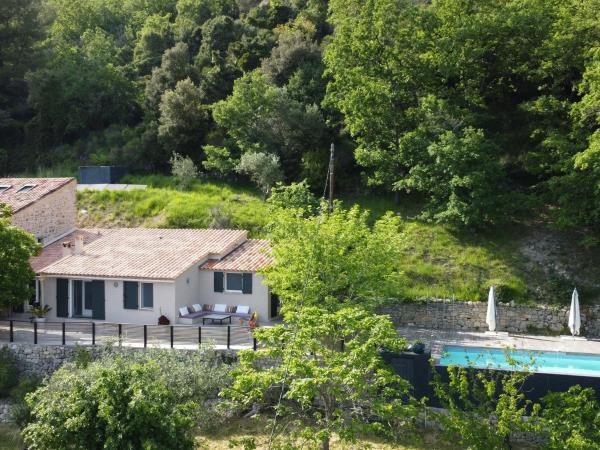
Provence hiking retreat, nature, food and wine
A unique hiking & food retreat in beautiful Provence
From
£1275
6 days
ex flights
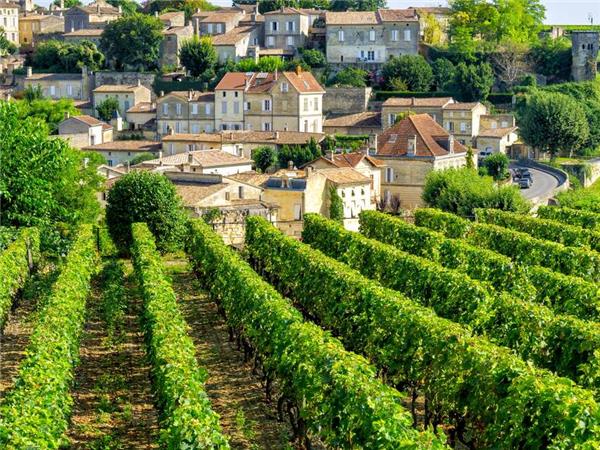
Bordeaux to Toulouse holiday
A gastronomic journey from Bordeaux to Toulouse
From
£2340
8 days
ex flights
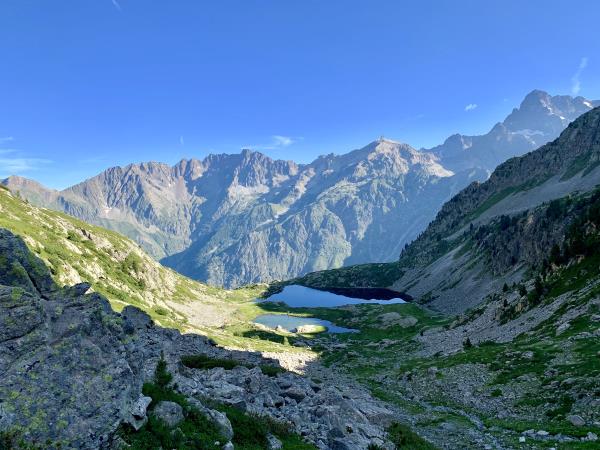
Gourmet alpine walking holiday, France
Guided hike through the Alps and eat gourmet food for fuel
From
€1798
8 days
ex flights
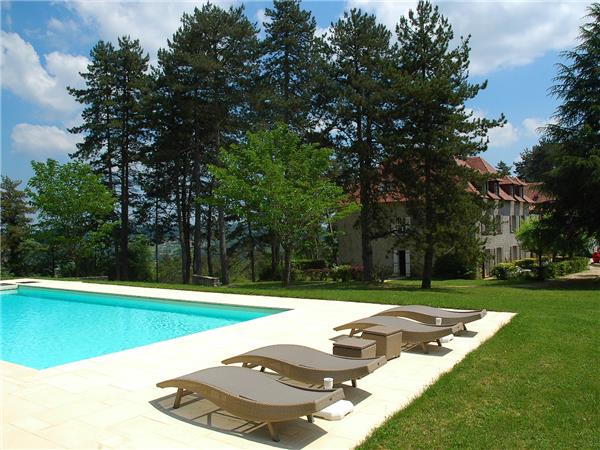
Dordogne self guided cycling tour, France
Dordogne gastronomic cycling in historic region of France
From
£1219 to £1349
9 days
ex flights


Contact Us
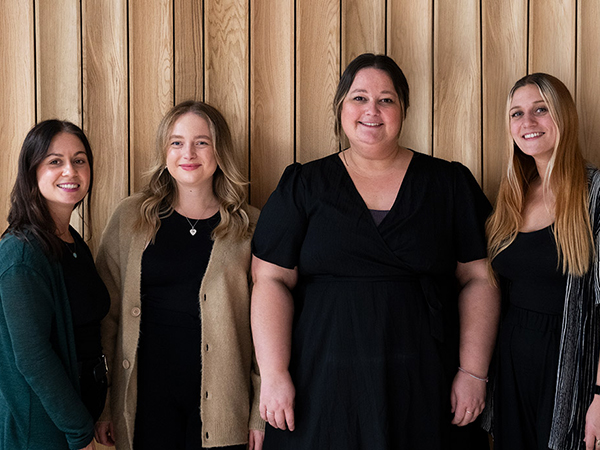
Call us for a chat about our holidays. We are happy to discuss your holiday and help in any way we can. No bots, queues or awful hold music.

01273 823 700
Call us after 10am
Calling from outside the UK

Top food & drink festivals in France
Every part of France has food and drink festivals throughout the year, celebrating seasonal or regional cuisine. Many smaller events perhaps limited to the local commune are little advertised, so if booking a trip it’s always worth checking with the organisers or your hosts before departure if there is anything happening while you’re there.
La Chandeleur / Crepe Day (February 2)
La Chandeleur, or Crepe Day, is a religious celebration that marks 40 days since the birth of Christ and the approach of spring. Superstitions abound – flipping your crepe with one hand while holding a coin in the other supposedly brings prosperity, while sunny weather on the day signals good weather to come.
Fete du Citron / Lemon Festival (February-March)
The town of Menton, on the French Riviera, hosts an annual Lemon Festival in the second half of February every year. Some 140,000kg of citrus fruits are required to create the floats that parade through the streets – but they’re not wasted afterwards. Instead they are sold off so that residents and visitors can use them to make their own drinks, cakes and pastries.
Fete de l’Omelette Geante / Festival of the Giant Omelette (Easter)
We can argue until les vaches come home about which country has the best cuisine, but when it comes to omelettes the French know no competition. Easter in Bessieres, southwest France, is when all that experience comes in handy, as the Festival of the Giant Omelette takes place. 15,000 eggs; 70l of duck fat; an 850kg, 13ft frying pan lifted onto a bonfire with a forklift truck, and hand-held mixers that are usually used for stirring concrete are employed to create a feast that feeds 2,000 people.
Fete du Pain / Paris Bread Festival (May)
Held in front of Notre Dame every spring, the Paris Bread Festival is an opportunity for artisan bakers from across France to showcase their abilities, a Great French Bake Off if you will. Expect professional demonstrations of kneading, mixing and shaping, as well as a prize-giving ceremony for the best baguette. If your own baked goods lack that je ne sais quoi, this is the place to pick up some expert tips.
La Louche d’Or / International Soup Festival (May 1)
The International Soup Festival takes place in the Wazemmes district of Lille on May 1. Chefs from every region of France, and from around the world, gather to take part in what can be a fiercely competitive event. There are soup-making workshops, brass band concerts and performances of street theatre, all related to the festival’s theme of embracing cultural diversity. And soup.
Ban des Truffes / Opening of the Truffle Market (December)
Taking place on the first Saturday of December in the town of Richerenches, Provence, the Ban des Truffes heralds the start of black truffle season with a parade, market, guided tours of the town and, of course, lashings of tastings, including truffle omelettes. Another truffle festival follows in Sarlat, Dordogne, in January.
Mons Coeur en Neige / Mons Christmas Market (December)
“Mons is the smallest, sleepiest village of all the villages in the Pays de Fayence but it comes alive for its Christmas market,” says Remi. “All the alleyways and streets of the village, the main square, are lined with food stalls in the main square. There’s music and it’s a lot of fun, a little different to all the summer festivals.”
Our travellers also ask…
What food and drink is France famous for?
France is famous for its wine and cheese, which often bear an Appellation d'Origine Controlee (AOC) mark denoting that they are particular to a specific region or means of production. French patisserie (baked goods) is also world-renowned, such as croissants, macarons and beignets.
What is the French national dish?
There is no agreed French national dish, but Pot-au-feu, a stew of slow-boiled meat and vegetables, has a well-deserved place on many restaurant menus, and in most French homes. It is simple peasant fare that can be elevated to haute cuisine, and with the constant addition of leftovers, a bouillon (broth) can be made to last indefinitely.
What are popular street foods in France?
Popular street foods in France include crepes, baguettes and stuffed jacket potatoes. Naturally, every region has its own speciality street foods. In Nice, you’ll find a very moreish flatbread made from chickpea flour called socca. Brittany is known for the galette-saucisse, a buckwheat crepe wrapped around a pork sausage. In Lyon, the pink praline brioche is a staple of street food stalls.
What is a classic French breakfast?
The classic French breakfast is a quick and simple affair, usually a pastry or small baguette with coffee, tea or, in the case of children, hot chocolate. Commuters will often take their breakfast standing at the counter.
Is France good for vegetarian and vegan travellers?
France is a country where vegetarians and vegans can travel with confidence. While French cuisine often features meat, fish and seafood, and is known for its liberal use of butter, there are many popular plant-based dishes to enjoy such as ratatouille. Many dishes can also be veganised if necessary, like quiche or cassoulet. Most restaurants are capable of catering for dietary requirements.
What food and drink should I try in France?
Everything. Try everything. Others may come close, but French cuisine is the finest in the world.
More France articles
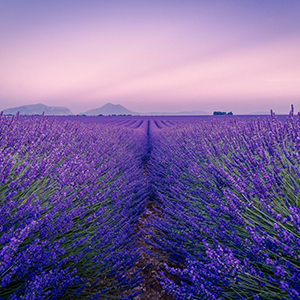
For the best time to go to France, read more about all the different regions, festivals, temperature and je ne sais quoi…
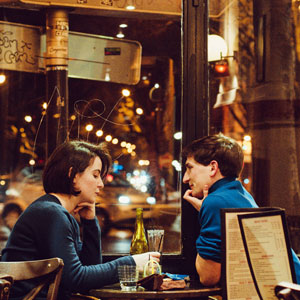
We have packed a lot of beauties into our France travel guide, including what we rate and what we don't.
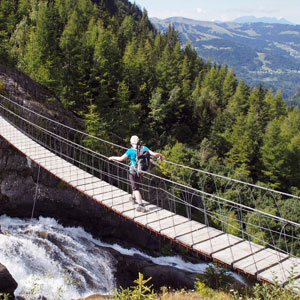
There are so many stunning areas to go to in France and some more famous than others. It is also packed with hidden gems…
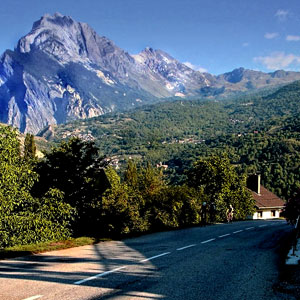
The French Alps are so big, it’s hard to know where to start. Let us show you the way. And there are many beautiful ways…
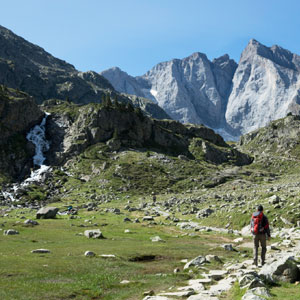
The French Pyrenees are all about the jagged peaks and the moody landscapes.
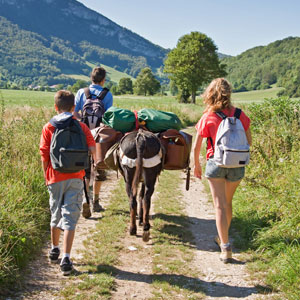
The Mercantour National Park is glorious mix of Alpes Maritimes and Alpes de Haute Provence.
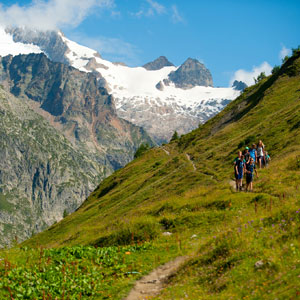
Massive Mont Blanc is a triumph of nature. Climb it, circumnavigate it, camp on it or go chic on it…
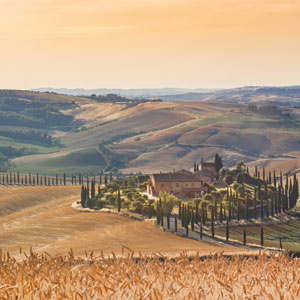
In a landscape immortalised in painting, literature and film, Provence holidays include perched villages and superb food.
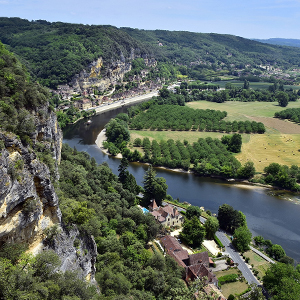
The Dordogne’s eponymous river is its pièce de résistance, follow it here.
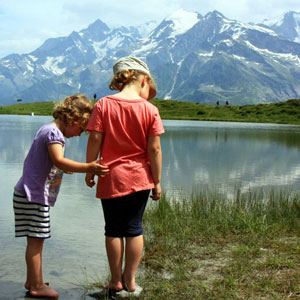
France is perfect en famille, with a great variety of holidays for all ages. Allez les enfants!
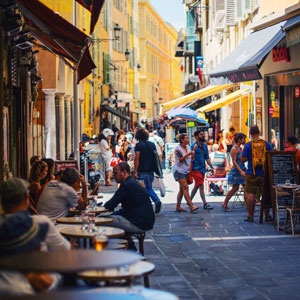
We have lots of great France travel advice. Find out more about camping, trekking, and how to choose the right gite...
Our responsible tourism tips are all you need to travel better in France.