Winter holidays in Scotland

Ye nivver dee'd o winter yit.![]()

– Scots proverb
Snowy and dark – or chilly and bright, with plenty to do? Have we made the mistake of only considering one side of the Scottish winter?
There’s a smattering of snow on the hills. The Highland cattle look chilly, but the mountain hares are robed in white. You’re staying in a bothy on the hillside (or, if you’re really intrepid, your own snowhole), looking forward to a whisky nightcap, and it feels like there’s no better place in the world than here.
“It’s the season that the vast majority of people shy away from, yet I don’t think there’s a guide here that wouldn’t pick winter, if they had to choose between the seasons,” says Andy Bateman, co-founder of our partner Scot Mountain holidays. “It’s the one season I really enjoy showing people as it’s so rarefied. And so different from people’s normal life.”
The winter snow gives creatures the opportunity to don winter plumage – and the mountains too.
“When there's a good dump of snow the landscape transforms into something truly stunning and makes exploring even more fun,” says Responsible Travel’s Sam Knight, a wildlife photographer based in the Cairngorms.
The standard tourism season in Scotland runs from March to October. But between October and March? That’s when lots of the magic happens. Thanks to winter’s transfiguring effect on the landscape, It’s the favourite season for guides – and it could be yours, too.
You might have seen headlines about traffic jams snarling up the North Coast 500, erosion on the Isle of Skye and protests about increasing cruise traffic. “It’s becoming busier and busier in the summer months,” says Claire Copeman, from our partner Adventure Tours UK. “For people who are looking for a quieter escape, winter is a fantastic time to go.”
There’s a smattering of snow on the hills. The Highland cattle look chilly, but the mountain hares are robed in white. You’re staying in a bothy on the hillside (or, if you’re really intrepid, your own snowhole), looking forward to a whisky nightcap, and it feels like there’s no better place in the world than here.
“It’s the season that the vast majority of people shy away from, yet I don’t think there’s a guide here that wouldn’t pick winter, if they had to choose between the seasons,” says Andy Bateman, co-founder of our partner Scot Mountain holidays. “It’s the one season I really enjoy showing people as it’s so rarefied. And so different from people’s normal life.”
The winter snow gives creatures the opportunity to don winter plumage – and the mountains too.
“When there's a good dump of snow the landscape transforms into something truly stunning and makes exploring even more fun,” says Responsible Travel’s Sam Knight, a wildlife photographer based in the Cairngorms.
The standard tourism season in Scotland runs from March to October. But between October and March? That’s when lots of the magic happens. Thanks to winter’s transfiguring effect on the landscape, It’s the favourite season for guides – and it could be yours, too.
You might have seen headlines about traffic jams snarling up the North Coast 500, erosion on the Isle of Skye and protests about increasing cruise traffic. “It’s becoming busier and busier in the summer months,” says Claire Copeman, from our partner Adventure Tours UK. “For people who are looking for a quieter escape, winter is a fantastic time to go.”

What to expect in Scotland in winter
Outdoor challenges
Every year my dad goes on a winter walking pilgrimage to Scotland. We tease him about throwing himself down the mountainside and weighing down his boots with crampons, but what is it that sends him back every year?
“We sometimes get foreign guests who dismiss our hills in the summer – but you have to ask the question: why has Britain produced so many good mountaineers? – it’s the weather at low altitudes,” says Andy.
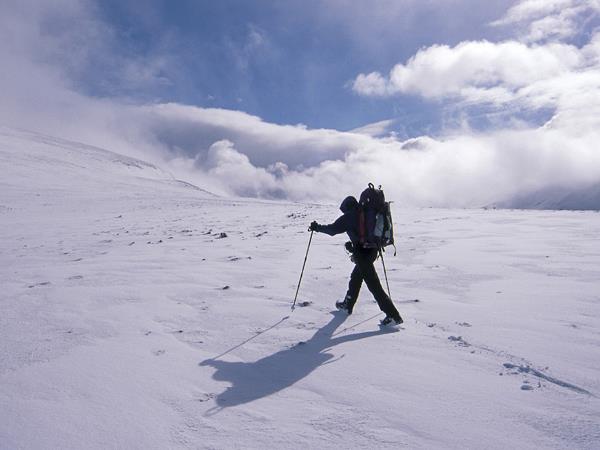
It means that though Scotland’s mountains might be lower than their Alpine counterparts, they can be just as rewarding for adventurous hikers. Going with an experienced local guide means you can have fun, safe in the knowledge that you won’t run into any difficulties.
Alternatively, you could go one further and spend part of the holiday on a winter skills course, where you can learn how to tackle the higher ground with ice axes and crampons.
“We sometimes get foreign guests who dismiss our hills in the summer – but you have to ask the question: why has Britain produced so many good mountaineers? – it’s the weather at low altitudes,” says Andy.
It means that though Scotland’s mountains might be lower than their Alpine counterparts, they can be just as rewarding for adventurous hikers. Going with an experienced local guide means you can have fun, safe in the knowledge that you won’t run into any difficulties.
Alternatively, you could go one further and spend part of the holiday on a winter skills course, where you can learn how to tackle the higher ground with ice axes and crampons.
Seasonal variations
Scotland has four distinct seasons, each with their own charms. The seasons transform the landscape in a way they might not in other parts of the world. In Scotland’s case, winter sees the brown heather give way to frost, and then snow. Wild geese arrive, and wading birds.
“You can visit the same place at different times of year and it seems completely different,” says Claire. “The country has a different feel to it in winter. And the light in Scotland has a special quality to it, in contrast to the summer light.”
“You can visit the same place at different times of year and it seems completely different,” says Claire. “The country has a different feel to it in winter. And the light in Scotland has a special quality to it, in contrast to the summer light.”
Wild weather
“We don’t always get good weather, but the weather makes you feel alive up here because it’s always changing,” says Andy, “There’s nothing dull about winter – even if you’re up in the cloud you get these wonderful ice formations on the rock because of the purity of the air up here.”
The snow and ice we have in Scotland is as varied as the weather that produces it.![]()
Winter, Andy explains, can provide fantastic views, as the air is so cold it cannot hold much moisture – there’s no heat haze obscuring the most distant of mountains. When the cloud descends, there’s other visual trickery at play.
“I had a situation walking with white out conditions where I spotted a little black stone ahead of me – I thought that’s strange… I looked and looked… and that stone stood up and walked away – it was a person a kilometre away.”
“I had a situation walking with white out conditions where I spotted a little black stone ahead of me – I thought that’s strange… I looked and looked… and that stone stood up and walked away – it was a person a kilometre away.”
Winter closures
As for me, I went to the Kintyre peninsula this year well before the start of the season. I found lots of closed cafes, an infrequent bus service and ferries cancelled because of storms. Getting the bus took two of us, one stationed at the bus stop, and one on the road a few metres ahead, ready to flag down the bus – when it only comes every four hours, you can’t afford to miss it.
“It is true some places will be shut,” says Claire. “Those businesses can’t sustain being open all year round. They cater to the massive summer crowds. But over time if we can start getting people coming in winter we can help.”
The secret is to choose location carefully. Claire uses local businesses in Cairngorm towns and helps them stay open year-round, like the busy town of Pitlochry. “It’s a good little hub where we know there’s plenty of things open in the winter.”
It’s also a great reason to go with a local operator. They can ensure that you won’t be disappointed when Google maps says a business is open, but the lights are off and the owners are visiting family.
“It is true some places will be shut,” says Claire. “Those businesses can’t sustain being open all year round. They cater to the massive summer crowds. But over time if we can start getting people coming in winter we can help.”
The secret is to choose location carefully. Claire uses local businesses in Cairngorm towns and helps them stay open year-round, like the busy town of Pitlochry. “It’s a good little hub where we know there’s plenty of things open in the winter.”
It’s also a great reason to go with a local operator. They can ensure that you won’t be disappointed when Google maps says a business is open, but the lights are off and the owners are visiting family.
Daylight hours
The other problem with visiting Scotland in winter isn’t so much the weather – after all, no season in Scotland is weather-proof – but the daylight. There’s less than seven hours of the stuff in December.
You don’t have to get up at the crack of dawn to see a great sunrise.![]()
This means planning trips with care. “Short daylight hours is one of the reasons we introduced the overnight bothy stay,” says Claire. Their groups do a short walk before snuggling into a bothy – a mountain hut that’s free-use for hikers. The hut quickly warms up with occupants in place and the fire going. What’s more, it means that the next day you can start right on the hill again.
The short days also have their perks –you don’t have to get up at the crack of dawn to see a great sunrise.
You might also see the Northern Lights… though you’d have to be extremely lucky. “We've seen the Northern Lights a couple of times,” says Sam, “extremely faintly or virtually not at all to the naked eye, but more than strong enough when picked up on camera for a decent photograph which has been really exciting.”
The short days also have their perks –you don’t have to get up at the crack of dawn to see a great sunrise.
You might also see the Northern Lights… though you’d have to be extremely lucky. “We've seen the Northern Lights a couple of times,” says Sam, “extremely faintly or virtually not at all to the naked eye, but more than strong enough when picked up on camera for a decent photograph which has been really exciting.”
Local hospitality
“For people who aren't fussed with the outdoors as much there're some lovely little villages and towns around,” says Sam. “These are fiercely independent businesses who proudly sell local products, from food to arts and crafts and cosy little cafes. If you're around over New Years try and find a small local ceilidh, I promise it'll be one of, if not the most fun Hogmanay you'll have.”
As for winter food: game and shellfish are great in November, and you can eat locally shot grouse until mid-December; look out for mussels, haddock and monkfish, too. Langoustines are at their best in January. If you’re around at Hogmanay, then it’s whisky for you; Burns Night, and you can enjoy a Scottish feast: haggis (or vegetarian haggis), neeps (turnips) and tatties (potatoes).
As for winter food: game and shellfish are great in November, and you can eat locally shot grouse until mid-December; look out for mussels, haddock and monkfish, too. Langoustines are at their best in January. If you’re around at Hogmanay, then it’s whisky for you; Burns Night, and you can enjoy a Scottish feast: haggis (or vegetarian haggis), neeps (turnips) and tatties (potatoes).
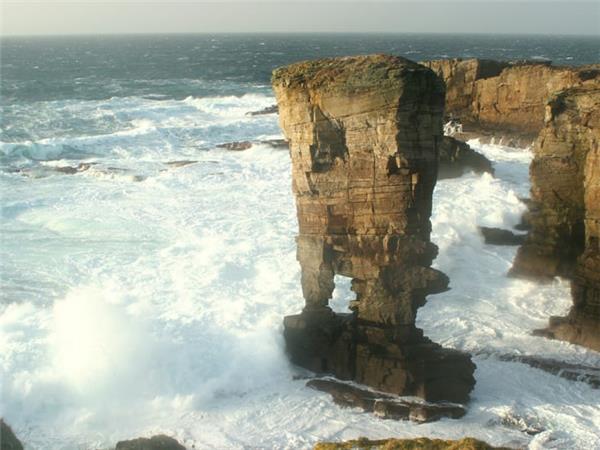
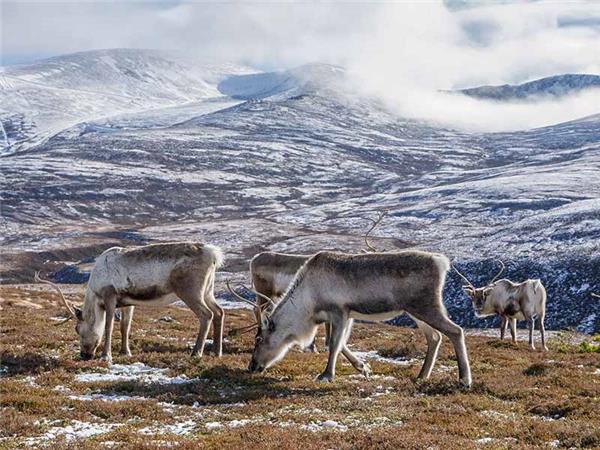
Cairngorms wildlife winter adventure
Explore the winter habitat of the Cairngorms National Park
From
£1303
5 days
ex flights
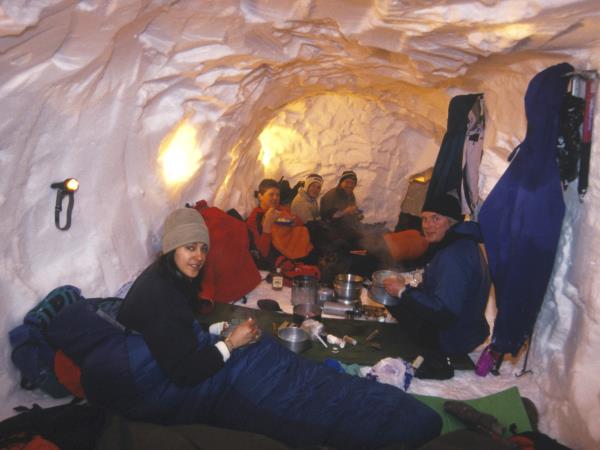
Winter trekking holiday in Scotland, snowhole expedition
Winter expeditions in Scotland
From
£705
5 days
ex flights
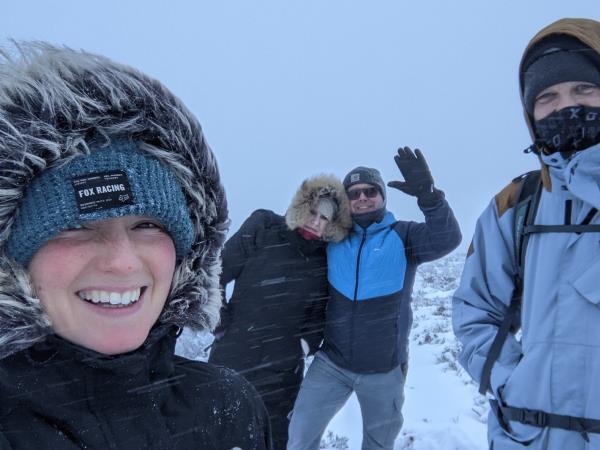
Highlands winter walking holiday in Scotland
Winter walking holiday in the Scottish Highlands
From
£845
4 days
ex flights
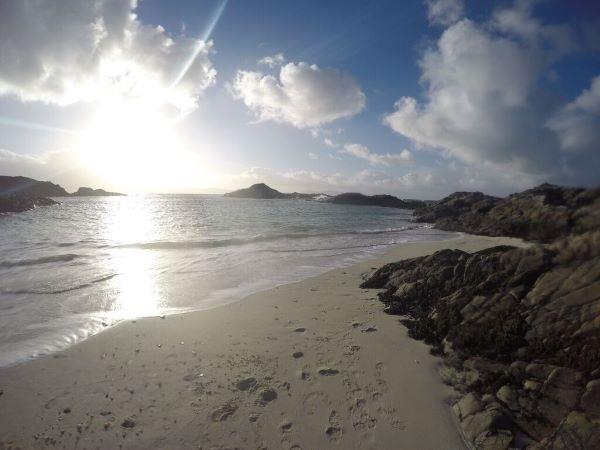
Winter swimming holiday in Scotland
Winter dips, stunning Highland views, friendship & laughter
From
£999
4 days
ex flights


Contact Us
Call us for a chat about our holidays. We are happy to discuss your holiday and help in any way we can. No bots, queues or awful hold music.

01273 823 700
Call us after 10am
Calling from outside the UK

A season for everyone
“All I'll say about Orkney,” one traveller puts in his review of winter walking on the island, “is that if you're the type of person to go to Orkney in February you're probably going to enjoy it”.
But the truth is that whilst winter is special, it’s also not – it doesn’t have to be a force to be reckoned with, nor a time to shy away from. More people should go.
“Just because it’s winter you don’t need to stay at home and watch TV for six months,” says Claire. There are those of us who deliberately steer clear of winter adventures here – perhaps because of a lack of confidence on the hills in the weather. But guided small group tours are deliberately designed to bolster and support.
The robin sings in the Cairngorms all year-round. It’s one of the few birds that does. But we could all stand to be more robin.
But the truth is that whilst winter is special, it’s also not – it doesn’t have to be a force to be reckoned with, nor a time to shy away from. More people should go.
“Just because it’s winter you don’t need to stay at home and watch TV for six months,” says Claire. There are those of us who deliberately steer clear of winter adventures here – perhaps because of a lack of confidence on the hills in the weather. But guided small group tours are deliberately designed to bolster and support.
The robin sings in the Cairngorms all year-round. It’s one of the few birds that does. But we could all stand to be more robin.
What to do in Scotland in winter
More Scotland articles
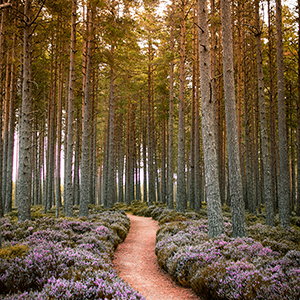
The best time to go to Scotland is, for many people, when wildlife come out to play.
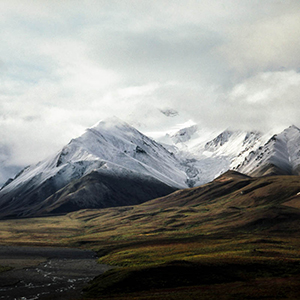
Our Scotland travel guide reveals a land full of wildlife, and mountainous and marine magnificence.
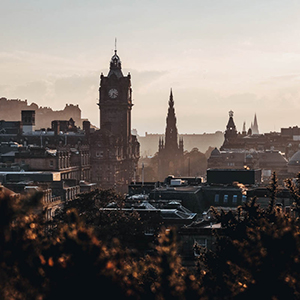
From cities to highlands and islands, find out where to go in Scotland for walking, wildlife and whiskey.
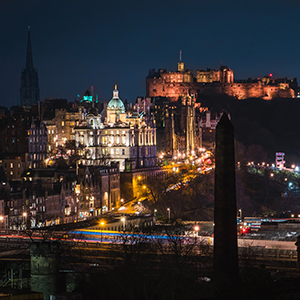
The best cities to visit in Scotland including Edinburgh, Glasgow, Inverness and more.
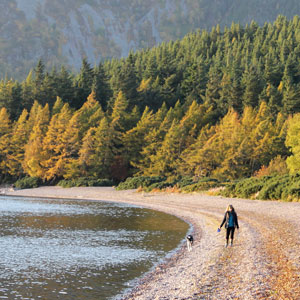
Forget Braveheart – the Highlands are wild at heart; our guide shows you what not to miss.
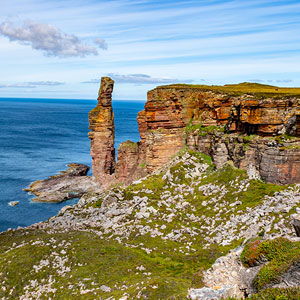
Orkney and Shetland Islands holidays explore two of the most northerly outposts in Britain.
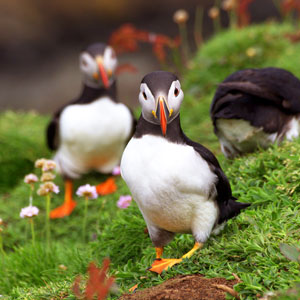
Wildlife watching in Scotland? Pack your waterproofs, your binoculars and your sun cream too.
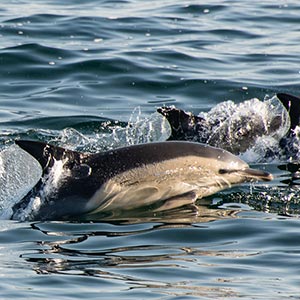
From thrilling wildlife safaris and small ship cruises to winter trekking.
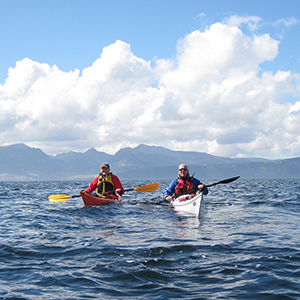
Scotland kayaking holidays explore beautiful coast, islands and sea lochs.
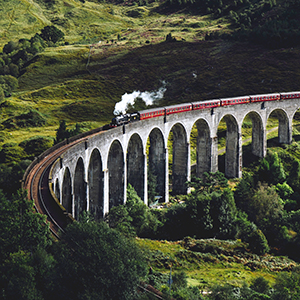
Scotland rail holidays explore the lochs, highlands, islands and wild moorlands that drivers mostly miss.
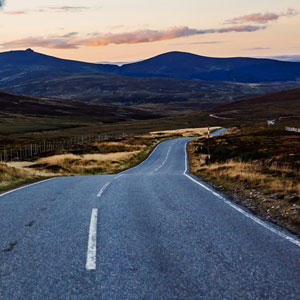
Craving independence? You can go your own way on Scotland self drive holidays.
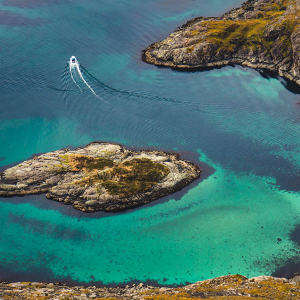
Scotland small ship cruising holidays roam the country’s most spectacular nautical nirvanas.
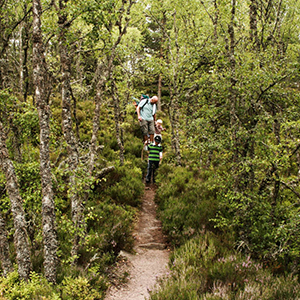
Travelling in Scotland with kids is always lively, with an incredible range of activities to keep everyone happy.
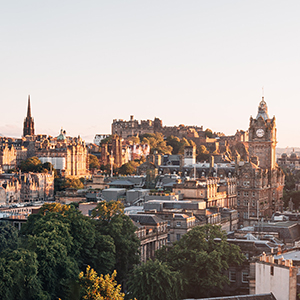
There's plenty to do in Edinburgh - we explain how to avoid the crowds.
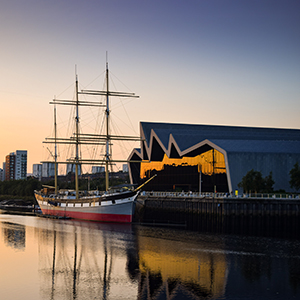
We’ve put together some of our favourite things to see and do in the welcoming city of Glasgow.
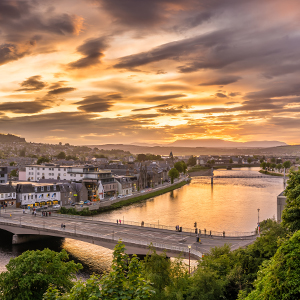
The best things to see and do in Inverness for a taste of the city’s heritage and culture.
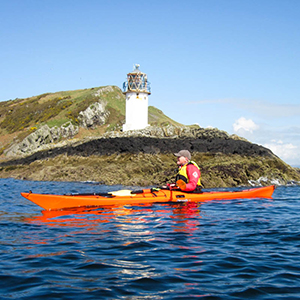
One of the most useful bits of Scotland travel advice we can offer you is to look beyond the tourist trail.
We’ve assembled 10 useful tips for Americans visiting Scotland to help you enjoy your stay.
The city struggles to cope with visitor numbers, but there are signs of positive change.
Scotland has many fine qualities but one of the finest is the freedom to roam.