



South Downs National Park map & highlights

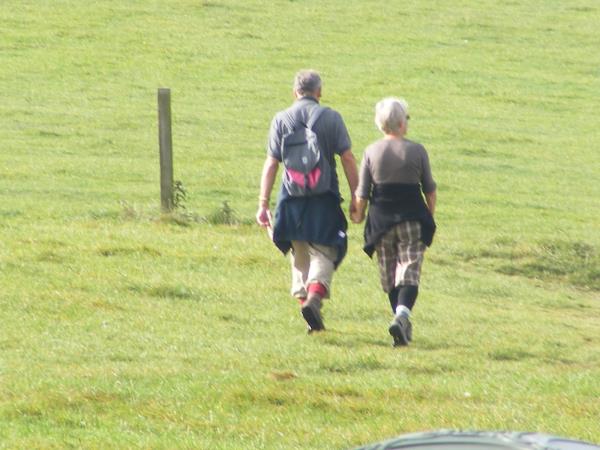
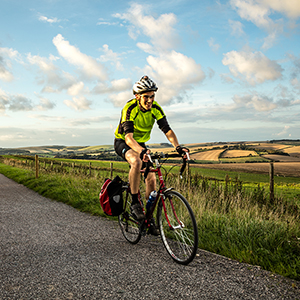
Within easy reach of London and ringed by the towns and cities of Winchester, Chichester, Haslemere, Brighton and Eastbourne, the South Downs National Park is supremely accessible. Arriving and exploring by train is a pleasure, with country views you won’t see any other way except by bike or on foot. There are around a dozen railway stations in the park and many more nearby, plus a decent network of bus routes, particularly on the east side of the park. The A27 and A272 run roughly parallel to the coast and will get you from one region to another fairly speedily. But there are large tracts of land in the heart of the park with nothing but lanes, bridleways and footpaths crisscrossing them – great news for walkers, cyclists and horse riders.
Alfriston

1. Alfriston

Picture a perfect downland village with medieval pubs and cottages, cute tea shops, a splendid flint church and a grassy village green. Got it? That’s Alfriston. Set beside the lovely River Cuckmere, it’s home to the Clergy House, the first property acquired by the National Trust. The South Downs Way runs right through the village, making it a crossroads for walkers, cyclists and horse riders.
Arundel

2. Arundel

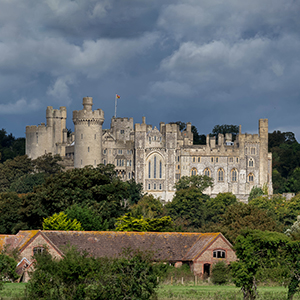
You can’t miss Arundel Castle – a muscular display of medieval power, brooding above the River Arun. The nearby Catholic cathedral makes a worthy counterpoint, tall, Gothic and imposing. Together, they dominate the small, but rather grand, market town of Arundel. It was West Sussex’s first Fairtrade Town, signing up in 2004, and is a good place to shop for antiques.
Black Down & the Serpent Trail

3. Black Down & the Serpent Trail

With magnificent deciduous woodlands, swathes of heather and panoramic views, it’s no wonder that Black Down has inspired poets and dreamers – among them, Alfred Lord Tennyson. At 280m, this hill is the highest point in the national park and a highlight of the Serpent Trail, which winds through the heathlands of West Sussex. You can walk here from the attractive town of Haslemere where the Trail starts.
Ditchling Beacon

4. Ditchling Beacon

Just seven miles north of Brighton Palace Pier, this stunning hilltop spot, the highest point in East Sussex, has fabulous views and is a good starting point for walks. Brighton & Hove Breeze Buses run up here on weekends and bank holidays. The road from the pretty village of Ditchling is unforgivingly steep – if you ever cycle from London to Brighton, you’ll never forget it.
Lewes

5. Lewes

Modest for a county town, Lewes is an arty, one-of-a-kind place, with great bric-a-brac shops and cosy pubs. It was one of the first towns to join Totnes in the Transition Network, creating its own currency, the Lewes pound, to support local businesses. Its outdoor swimming pool, The Pells, is enchanting in summer and its November Bonfire processions are the biggest and brashest in Sussex.
Midhurst

6. Midhurst

This pretty little West Sussex town is the South Downs National Park’s centre of gravity. It’s home to the South Downs Centre, a listed building that’s been given an eco-friendly makeover to turn it into an information point and community hub for the park. Inside, there’s an exhibition introducing the landscapes, geology, produce and heritage of the region.
Petersfield

7. Petersfield

Once a staging post for horsedrawn coaches, this handsomely historic town sits at a crossroads between London, Portsmouth, Winchester and Royal Tunbridge Wells. Its market used to deal in livestock, but these days the twice-weekly gathering is all about local flowers, food and household oddments. Secrets of the Heath is a free family event each August, celebrating the wildlife and history of heathlands.
Petworth House

8. Petworth House

Wider than Buckingham Palace and with grounds twice the size of Hyde Park, Petworth House is thoroughly impressive from the outside. But wait till you see the interior. An astonishing art collection featuring works by JMW Turner and Van Dyck takes pride of place alongside extraordinary ornamental carvings by Grinling Gibbons. Helpful guides are on hand to show you every detail.
River Itchen

9. River Itchen

Clear, glossy and just 45km long, the Itchen is one of the loveliest of the National Park’s rivers. Its chalk-filtered water creates a perfect habitat for watercress and wildlife such as water voles, otters, white-clawed crayfish, brown trout and salmon. It curves around the far west of the park and flows through the beautiful city of Winchester before heading south to Southampton.
Selborne Common

10. Selborne Common

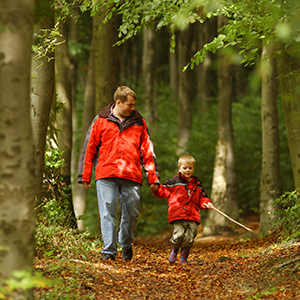
Immortalised in the expressive writings of Gilbert White, an 18th-century parson with a passion for natural history, Selborne Common remains a leafy retreat of beech woods and wildflower meadows, home to woodpeckers, whitethroats and rare plants. Managed by the National Trust, it’s free for anyone to explore.
South Downs Way

11. South Downs Way

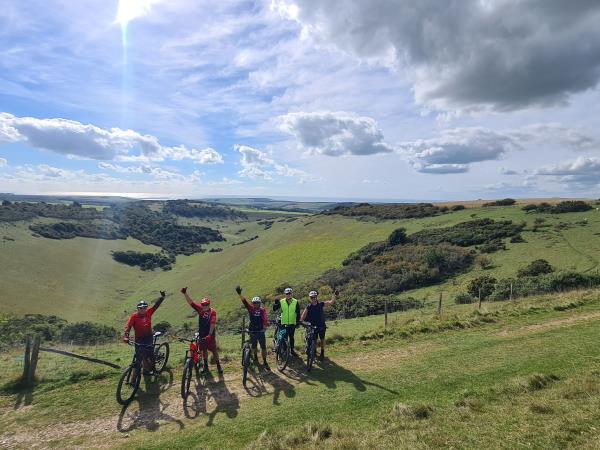
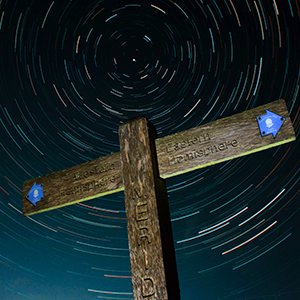
What could be more satisfying than exploring the only National Trail to run right through a national park? There are loads of short, manageable sections to choose from on the South Downs Way. Cover all 161km, and you can expect a tremendous sense of achievement. People of average fitness can walk its full length in under a fortnight. By mountain bike, it takes two to four days – or just one, if you’re super fit.
Sussex Heritage Coast

12. Sussex Heritage Coast

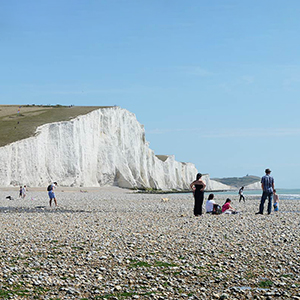
The first stretch of British coastline to be designated a Heritage Coast is classic walking country. The South Downs Way leads from the bird-rich bends of the Cuckmere, up over the white cliffs and down to the genteel resort town of Eastbourne, passing the Seven Sisters and Beachy Head, Birling Gap. Reach it by a scenic bus route between Brighton and Eastbourne or the open-top tour from Eastbourne.

Contact Us

Responsible Travel, Travel Team

Call us for a chat about our holidays. We are happy to discuss your holiday and help in any way we can. No bots, queues or awful hold music.

Responsible Travel, Travel Team

Travel times in the South Downs National Park

The following times give you a rough idea of the travel times between the main attractions in the South Downs National Park.

    London to Petersfield: 1  hour by train  London to Lewes: 1 hour by train London to Haslemere: 1 hour by train Gatwick Airport to Lewes: 34 minutes by train Winchester to Petersfield: 35 minutes by car Petersfield to Midhurst: 26 minutes (bus) or 17 minutes (car) Midhurst to Arundel: 30 minutes by car Arundel to Brighton: 40 minutes by car   Brighton to Lewes: 15 minutes (train) or 20 minutes (car) Lewes to Eastbourne by train: 18 minutes (train) or 31 minutes (car) Brighton to the Sussex Heritage Coast: 75 minutes by bus Havant to Haslemere: 27 minutes by train

Written by Emma Gregg
Photo credits: [Page banner: GlennD] [Alfriston: Ethan Doyle White] [Arundel: © Jamie Fielding] [Black Down & the Serpent Trail: © Sam Knight] [Ditchling Beacon: © Sam Moore] [Lewes: Benjamin Bruce] [Midhurst: Charlesdrakew] [Petersfield: Barry Shimmon] [Petworth House: fiverlocker] [River Itchen: © Nigel Ridgen] [Selborne Common: don cload] [South Downs Way: © Benjamin Bruce] [Sussex Heritage Coast: © Daniel Greenwood/SDNPA] [Days Out: Rebecca Saunders]