Egypt food & drink
Mornings are a busy time for Cairo’s bread-makers, supplying the cafes, restaurants and street food stalls with freshly baked loaves. Bread is a cornerstone of life in Egypt, almost sacred. It has been made for over 6,000 years, back to the time of the pharaohs. The ubiquitous flatbread is known as eish balad – eish comes from the word for life, baladi comes from the word for homeland. Bread is on the side of almost every meal; in some cases, it serves as the bowl or a spoon. And in the streets of Cairo, Alexandria, Aswan, you will see men cycling along, huge wicker baskets perched precariously on top of their heads, bearing dozens of flatbreads on their way to market.
Our holidays in Egypt take you up and down the Nile, to dive in the warm sea off Dahab, to explore the Great Pyramids of Giza and the fabled tombs of the Valley of the Kings. And throughout, there are opportunities to explore traditional Egyptian food, as you dine in locally owned restaurants, at street food carts on city tours and sometimes in family homes. This also means that more of your money stays in communities, supporting the people who have fed you so brilliantly.
Mohamed El Miligi is the managing director of our partner, Join Top Tours, who are based in Cairo. “I often recommend a place called Nawaya to visitors. What I like about it is that it offers much more than just a meal. You can take part in preparing traditional dishes alongside Egyptian women, making it a more authentic cultural experience. After cooking together, everyone sits down and enjoys the food they have prepared. It’s a wonderful way to connect with Egyptian culture through its cuisine.”
Menus here show traces of the empires that ruled Egypt at various points through its history, from the ancient Greeks and Romans to Arab and Ottoman sultans, and the French and British colonists who governed between 1798 and 1882.
And running through Egyptian cuisine as it runs through the country itself is the River Nile, the source of life. Ancient calendars were based on the Nile’s seasonal flooding, and the crops grown along its banks and in its richly fertile delta, among them wheat, onions, beans, barley, are the same that would have been planted a millennium ago.
Our holidays in Egypt take you up and down the Nile, to dive in the warm sea off Dahab, to explore the Great Pyramids of Giza and the fabled tombs of the Valley of the Kings. And throughout, there are opportunities to explore traditional Egyptian food, as you dine in locally owned restaurants, at street food carts on city tours and sometimes in family homes. This also means that more of your money stays in communities, supporting the people who have fed you so brilliantly.
Mohamed El Miligi is the managing director of our partner, Join Top Tours, who are based in Cairo. “I often recommend a place called Nawaya to visitors. What I like about it is that it offers much more than just a meal. You can take part in preparing traditional dishes alongside Egyptian women, making it a more authentic cultural experience. After cooking together, everyone sits down and enjoys the food they have prepared. It’s a wonderful way to connect with Egyptian culture through its cuisine.”
Menus here show traces of the empires that ruled Egypt at various points through its history, from the ancient Greeks and Romans to Arab and Ottoman sultans, and the French and British colonists who governed between 1798 and 1882.
And running through Egyptian cuisine as it runs through the country itself is the River Nile, the source of life. Ancient calendars were based on the Nile’s seasonal flooding, and the crops grown along its banks and in its richly fertile delta, among them wheat, onions, beans, barley, are the same that would have been planted a millennium ago.

Traditional Egyptian food – perfected over centuries
Nazira Nicola was Egypt’s answer to Delia Smith. Her Fundamentals of Cooking: Theory and Practice was found on the kitchen shelves of Egyptian households throughout the 20th century and was a popular gift for newlyweds. From jams to soups to fermenting your own cheese, Nazira remains a heroine of Egyptian cooking, the invaluable companion and guide for countless amateur chefs.But influential cookbooks from this region go back a long way further than that. An Ancient Roman text dating back to the 5th century contains a few recipes of Egyptian origin, with braised flamingo among its pages. Hieroglyphics, meanwhile, tell us that the workers building the Great Pyramids of Giza did so on a diet of bread and beer. The food and drink you’ll enjoy today on our Egypt holidays may not be quite that old in origin, but many of these dishes have been refined and perfected over centuries, and you can taste that in every bite.
What food & drink should I try in Egypt?
Egyptian cuisine leans towards plant-based, with legumes, vegetables and grains all staples of popular dishes such as koshary. Meat is regularly used too, however, including rabbit, poultry, lamb, beef, and sometimes goat or camel (especially in nomadic Bedouin cuisine). Offal is eaten frequently, especially in sandwiches; another popular sandwich filling is a spicy beef sausage known as sogoq.
On the Mediterranean and Red Sea coasts you will enjoy fresh fish and seafood – browsing the stalls in the Alexandria fish markets, for example, you might encounter sayadieh, a classic spiced fish meal typically served with brown rice and a squeeze of lemon.
Local food in Egypt tends to use plenty of herbs and spices such as cumin but these are more to enhance the depth of flavour than increasing the heat. Egyptian spices make for a great souvenir from the Aswan souk.
On the Mediterranean and Red Sea coasts you will enjoy fresh fish and seafood – browsing the stalls in the Alexandria fish markets, for example, you might encounter sayadieh, a classic spiced fish meal typically served with brown rice and a squeeze of lemon.
Local food in Egypt tends to use plenty of herbs and spices such as cumin but these are more to enhance the depth of flavour than increasing the heat. Egyptian spices make for a great souvenir from the Aswan souk.
The best traditional Egyptian dishes
Bamia
Bamia is a tomatoey okra stew with variations found across north Africa, Asia and the Middle East. Hearty and infused with garlic, it may also contain lamb.Fattah
Commonly served during special occasions like Ramadan, Eid or weddings, fattah is a simple yet wonderfully filling and flavoursome dish. Spiced meat, usually lamb or beef, is boiled then served with toasted pita bread over a bed of rice.Ful medames
Egyptians have been tucking into the traditional breakfast of ful medames since pharaonic times. Slow-cooked fava beans are served up with olive oil, lemon and freshly baked pita bread, then topped with everything from tahini to boiled eggs or pickled vegetables. Ful medames is also a popular street food, great for when you need something hearty on the go.
Halabessa
It never really gets ‘cold’ in Egypt; a little chilly, perhaps. But if you do need some warmth then a bowl of halabessa is the ticket. It’s a spiced winter soup made from chickpeas, tomatoes and lemon juice. Many Egyptians, however, treat it as a drink rather than a soup, and enjoy it straight from the cup.
Hamam mahshi
Hamam mahshi is a traditional Egyptian delicacy, pigeon stuffed with fragrant rice, that is often eaten at celebrations such as Eid or at weddings. It takes a while to prepare, so it is often served on special occasions. You can even find restaurants that specialise in it.
Hawawshi
A staple of Egyptian street food, hawawshi is essentially a pita pocket burger. The bread is stuffed with ground beef, heavily spiced and mixed with chopped pepper and onions, and then pressed into a skillet until it’s flat enough to hold easily. It tends to be one of the most popular Egyptian foods for tourists, as it’s packed with flavour and easy to eat on the go, maximising your sightseeing time.
Koshary
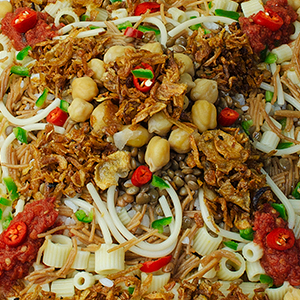
Koshary is the Egyptian national dish, a carb-loaded, almost chaotic meal of rice, pasta, lentils, chickpeas, crispy onions and tomato sauce that is often eaten during Ramadan. It’s a simple dish, affordable and vegetarian, and if you want something that will set you up for the day, look no further.
Mahshi
Typical of any Egyptian dinner table, mahshi are vegetables, such as aubergines, peppers or courgettes, stuffed with rice, herbs and spices, then baked. They can be either a side dish, or a main course.
Molokhia
Molokhia can be quite a divisive dish; some love it and some hate it. It’s a thick green soup made from chopped jute leaves, and quite slimy. Often it will have chunks of chicken or rice in it and be served with rice or flatbread. “The meal I most enjoy sharing with my family is seafood but if I were thinking about Egyptian dishes that people commonly enjoy sharing together, I would probably say mahshi (stuffed vegetables) and molokhia,” says Mohamed. “These are classic family meals that often bring everyone around the same table.”
Ta’ameya
No Egyptian street food guide would be complete without ta’ameya, Egypt’s version of falafel. Unlike many other countries that prepare falafel with chickpeas, though, ta’ameya is made from fava beans, giving it its distinctive flavour and texture, then stuffed in pita bread and topped with chopped parsley, tahini and salad. “I always encourage visitors to taste ta’ameya,” says Mohamed. “It’s a must-try for anyone visiting the country for the first time.”
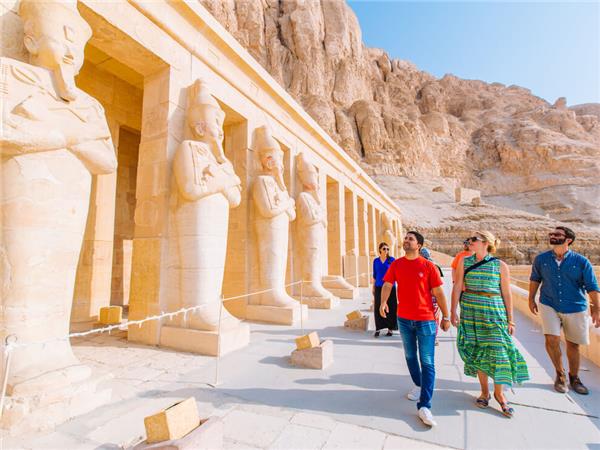
Egypt small group tour, Alexandria & Nile cruise
Experience the 'Land of the Pharaohs' on this exciting trip.
From
£2278 to £4990
12 days
ex flights

Egypt luxury 12 day tour
Ancient history, deserts, Nile journey and scenic pyramids.
From
£3625
12 days
ex flights
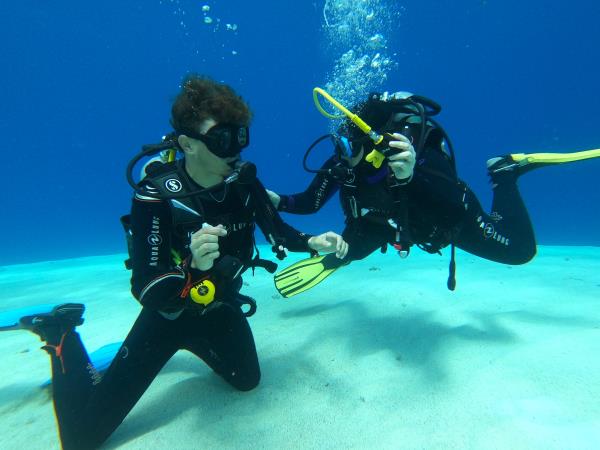
Learn to scuba dive in the Red Sea
Learn to dive, in warm waters with experienced professionals
From
£800 to £850
7 days
ex flights

Nile traditional cruise of Egypt
Nile cultural voyage, a slow boat to Aswan
From
£3495 to £3950
10 days
ex flights
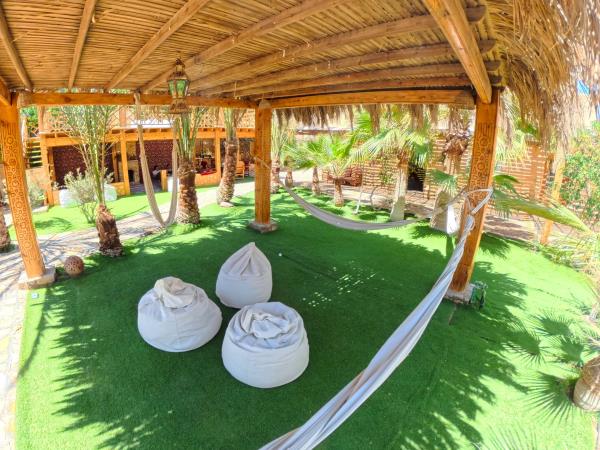
Dahab boutique hotel in Egypt
Seaside Boutique Hotel. Clean Comfy Beautiful
From
£320 to £590
per person per week
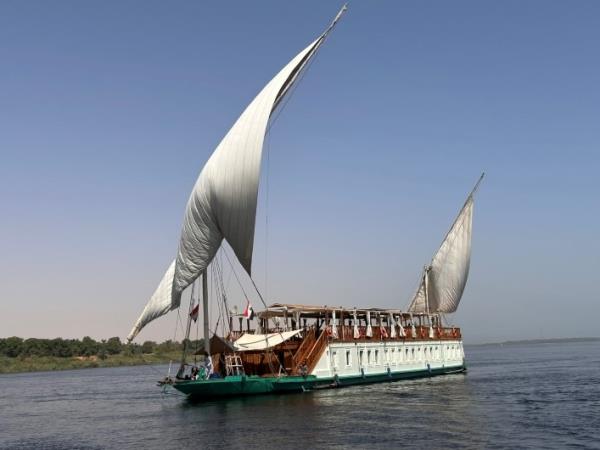
Egypt off the beaten track tour with cruise
Captivating pyramids, and Dhabiya serene Nile cruise
From
£4152
14 days
ex flights


Contact Us
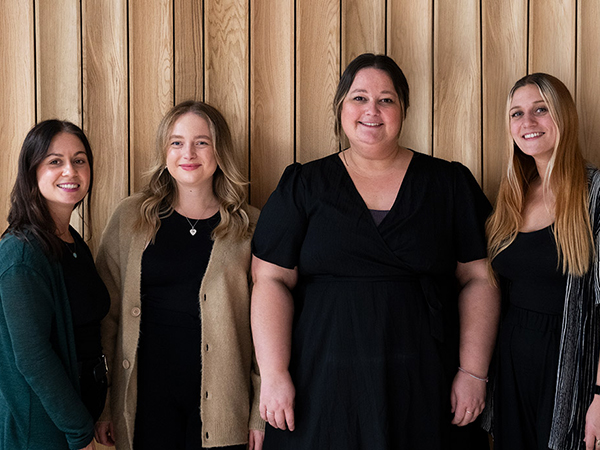
Call us for a chat about our holidays. We are happy to discuss your holiday and help in any way we can. No bots, queues or awful hold music.

01273 823 700
Call us tomorrow after 9am
Calling from outside the UK

What to eat in Egypt: need-to-know
Vegetarian & vegan food in Egypt
There are many plant-based dishes ideal for vegan and vegetarian travellers in Egypt, due to the ample arable land along the River Nile, and a large Christian population who fast regularly throughout the year. Popular vegetarian food in Egypt includes dishes such as ful medames, mahshi and ta’ameya, and you’ll also often have a mezze of salads and bread before a main course.
Egyptian cheese
Cheese is regularly served in Egypt, particularly with dessert, or at breakfast. The most popular Egyptian cheese is domiati, which is like a creamier feta. Many people, particularly in rural areas, make their own cheese, such as mish. Mish is an acquired taste, pungent and salty from months, sometimes years, of fermentation. Cheesemaking in Egypt goes back many centuries. Records of it have been found in murals, in tombs that date back to 2,000BC. Some nobles may even had jars of cheese buried with them, so they could enjoy it in the next life. Hopefully they didn’t forget the crackers.
Egyptian desserts
Sweet desserts are popular in Egypt, and though sugary they also tend to be fair light. Babousa is a semolina cake, liberally drenched with syrup, while Om Ali is a moreish pudding made from pastry pieces, coconut shavings, raisins and pistachios, as well as a good helping of sugar, then baked in a milky sauce and sprinkled with cinnamon.
Nubian cuisine in Egypt
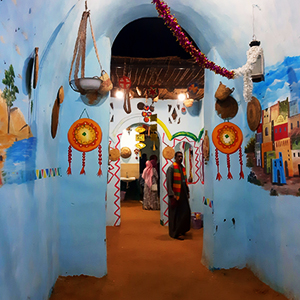
Nubian cuisine tends to be quite simple, employing crops that are grown easily along the Nile such as wheat, barley, spinach, okra and beans. Many of our holidays in Egypt will visit a Nubian village such as those on Elephantine Island on the Nile, and you may be invited into a local home to share a meal with a family and learn a little about their culture. Bread is a staple of Nubian meals, while raw camel liver is a delicacy.
Egyptian drinks
Egyptian drinks include karkadeh, a tangy and tart hibiscus tea, and sobia, a sweet concoction of milk, coconut, rice and sugar. There are many stalls in Cairo’s Khan el Khalili market selling fresh juices such as sugar cane, tamarind, mango and guava and they can be very refreshing on a hot day. Which, in Egypt, is every day.
Tea, usually taken strong and black and sometimes flavoured with fresh mint, is integral to Egyptian social life, while coffee, also powerfully strong, is typically served after meals. Both are enjoyed in ahwa, Egyptian coffee houses.
During Ramadan, in the mornings Egyptian people like to drink a glass of milk with dates left in it overnight. It’s a delicious and filling way to begin a fast. Another well-loved Ramadan drink in Egypt is the sweet, chocolatey karob which is also high in fibre and antioxidants. Erq sous, made from dried liquorice root, is also commonly drunk before sunrise during Ramadan, as it is believed to aid hydration.
Bouza is a traditional Egyptian beer, which has been brewed for thousands of years. It is not drunk much anymore, as Egypt is a majority Muslim country and so most of the population don’t touch alcohol. There are a number of good non-alcoholic beers, some of which are flavoured with fruit or herbs.
Tea, usually taken strong and black and sometimes flavoured with fresh mint, is integral to Egyptian social life, while coffee, also powerfully strong, is typically served after meals. Both are enjoyed in ahwa, Egyptian coffee houses.
During Ramadan, in the mornings Egyptian people like to drink a glass of milk with dates left in it overnight. It’s a delicious and filling way to begin a fast. Another well-loved Ramadan drink in Egypt is the sweet, chocolatey karob which is also high in fibre and antioxidants. Erq sous, made from dried liquorice root, is also commonly drunk before sunrise during Ramadan, as it is believed to aid hydration.
Bouza is a traditional Egyptian beer, which has been brewed for thousands of years. It is not drunk much anymore, as Egypt is a majority Muslim country and so most of the population don’t touch alcohol. There are a number of good non-alcoholic beers, some of which are flavoured with fruit or herbs.
Egyptian food & drink: FAQs
Is Egyptian food spicy?
Egyptian food does use a range of spices and herbs such as cumin and coriander, but it is very rarely hot. Spices are more used to enhance the flavour of a dish. If you prefer milder food, you can always ask for the spice level to be reduced or add a bowl of yoghurt to your meal.
Can you drink alcohol in Egypt?
You can drink alcohol in certain places in Egypt, such as licensed restaurants and bars, tourist resorts and often on Nile cruises. Avoid drinking alcohol in the street especially during Ramadan when it could cause offence.
Is Egypt good for vegans and vegetarian travellers?
Egypt is a very easy country to travel in if you are vegan or vegetarian. Many popular dishes such as koshary, ta’ameya and ful medames are plant-based. Since around 10-15 percent of the Egyptian population is Coptic Christian and so avoids animal products for much of the year, many restaurants take this into account on their menus.
What food will I get on a Nile cruise?
On a Nile cruise you can expect a mix of international cuisine and traditional Egyptian dishes like ful medames and koshary. Most cruises are full board, and buffet meals are common. You might have themes on some ships, such as an all-Egyptian food night, or an evening cocktail hour.
Is the street food good in Egypt?
Egyptian cities like Cairo, Aswan and Alexandria have thriving street food scenes and you will find vendors serving dishes such as ful medames (>the classic Egyptian breakfast), koftas and kebabs; hawawshi, and pita bread stuffed with ta’ameya (falafel), tahini and salad. Street food is generally perfectly safe to eat, but if you are travelling with a guide on one of our trips, they’ll be happy to recommend reliable places. Our travel advice for Egypt has more tips on the best street food to try in Egypt.
Do people fast during Ramadan in Egypt?
During the month of Ramadan most practising Muslims in Egypt fast between sunrise and sunset. Up to 90 percent of the population of Egypt is Muslim so if you are in the country over Ramadan you should expect that the atmosphere will be a little quieter than normal. During Ramadan people in Egypt tend to eat a substantial breakfast such as ful medames to carry them through to evening. Our advice for travelling during Ramadan has more details.
What are food customs like in Egypt?
Shared meals, long lunches and a great respect for bread are among the notable food customs of Egypt. Families and groups of friends will often come together in the evenings to break their fast during Ramadan – it is polite not to eat in front of those who are fasting during the daytime. People do sometimes eat with their hands in Egypt, but it’s more common to use utensils.
Is Egypt suitable for gluten-free travellers?
Egypt is not a difficult country to travel in if you are gluten-free, especially if you are booking a Nile cruise, where onboard chefs are happy to accommodate different diets. Many restaurants catering to tourists will also have menus that pinpoint gluten-free dishes.
More Egypt articles
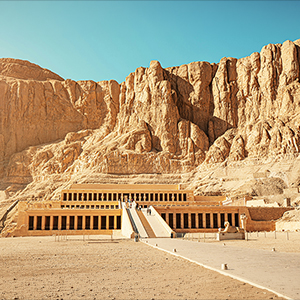
Learn all about the best times to visit Egypt, along with our cultural picks from the Egyptian calendar.
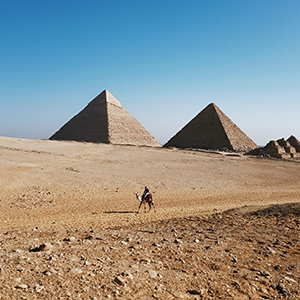
Our travel guide is designed to help you get the most from your holiday, with useful sections on what we rate (& what we don’t)
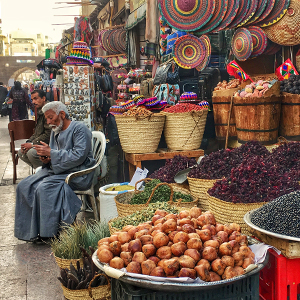
Take a peek at our highlights in order to make the most of your time in one of the world's greatest tourism destinations.
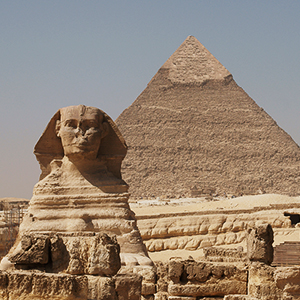
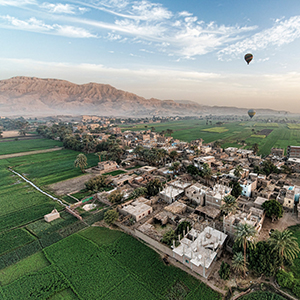
Luxor and the Valley of the Kings transport you to the Egypt of childhood dreams.
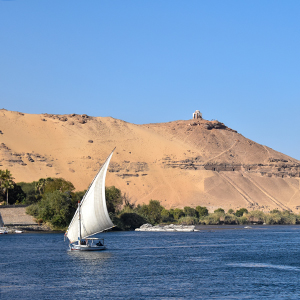
A classic Egypt holiday takes in the iconic landmarks of Cairo and a cruise along the Nile.
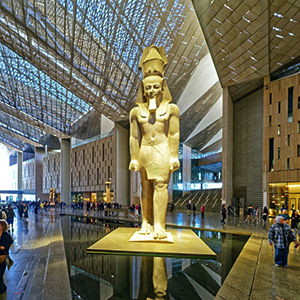
Tutankhamun’s tomb is just the start. Find out what’s on display at the GEM and why it matters, in our guide.
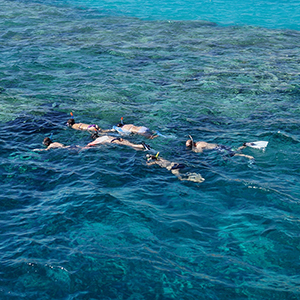
We’ve got all the best Egypt tips for families as prescribed by our Egypt holiday experts.
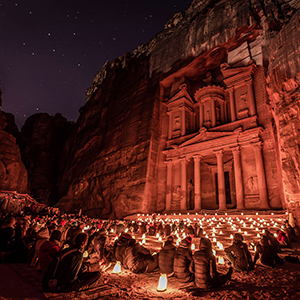
Combine Egypt and Jordan on a holiday, and discover our meze of recommendations.
Our Egypt travel advice page is packed with tips from our friends in Egypt, holiday partners and travellers.




.jpg)
