Food & drink in Finland
Helena Seppänen and her husband Eero have lived 2km from the Russian border for over 50 years. From their home, a guest house called Arola Bear at the edge of the Martinselkonen Nature Reserve, they offer bear-watching safaris and fishing trips, as well as accommodation for cross-country skiers on trips organised by our partner Upitrek. Helena’s home cooking is a staple of holiday reviews, especially the bread that Helena bakes until crispy in her masonry oven. “When I can’t bake my bread anymore, that’s when I’ll know it’s time to retire,” says Helena, who buys rye and oat flour from neighbouring farmers.
The family is virtually self-sufficient, which is handy when you can count your neighbours on one hand. Helena’s son, who now runs the guest house, picks the berries, and they catch their own fish. One of Helena’s favourite dishes to make is kalakukko, bread stuffed with fish and bacon. Nothing is bought in; everything is made in the traditional way.
This means utilising seasonal ingredients. Finnish food has evolved to cope with the harsh northerly climate, with growing seasons limited by cold weather, and fresh fruit and vegetables unavailable for much of the year. Potatoes and bread form a substantial part of the diet, as do preserved fish and meat. And that need for resilience, to be conscious of your food choices, may be part of the reason why Finland cuisine is so nutritious, and why this is one of the most sustainable countries in the world when it comes to minimising food waste.
The family is virtually self-sufficient, which is handy when you can count your neighbours on one hand. Helena’s son, who now runs the guest house, picks the berries, and they catch their own fish. One of Helena’s favourite dishes to make is kalakukko, bread stuffed with fish and bacon. Nothing is bought in; everything is made in the traditional way.
This means utilising seasonal ingredients. Finnish food has evolved to cope with the harsh northerly climate, with growing seasons limited by cold weather, and fresh fruit and vegetables unavailable for much of the year. Potatoes and bread form a substantial part of the diet, as do preserved fish and meat. And that need for resilience, to be conscious of your food choices, may be part of the reason why Finland cuisine is so nutritious, and why this is one of the most sustainable countries in the world when it comes to minimising food waste.

It seemed as if the ingredients for every meal came from within a 15-km radius – if that.![]()

Responsible Travel’s editor Joanna Cooke visited the Saimaa region in southeast Finland, much of which is either lake or forest.
“It seemed as if the ingredients for every meal came from within a 15-km radius – if that,” says Joanna. “The mushrooms were picked locally, the floor was covered in blueberry bushes that had recently blossomed and would come into fruit in July – many houses have big cold storage rooms where they’ll store seasonal produce. And the local fish, muikku, was delicious. Everything was incredibly delicate and fresh-tasting, I had meals that would be considered fine dining in England, with morels, white fish, new-season potatoes, pickled vegetables – often grown by people who owned the restaurants. Desserts featured cloudberries, blueberries, redcurrants. Michelin-starred restaurants from Helsinki come to taste the food in this region and to try the ingredients.”
Back at Helena’s table, everything you’ll be served is made from scratch. “Since I started to cook for my guests 30 years ago, I always thought I should cook traditional food, and use what we have here – the berries, vegetables, fish from the river like perch, pike and muikku. Most of the meat we use is also local. I like to cook fish more than anything.” And what is the most important thing for Helena when she’s cooking? “Taste. Always taste.”
One of the most enjoyable parts of any holiday, and one of the best ways to keep your holidays carbon footprint to a minimum, is to eat locally sourced and homemade food wherever possible. In Finland, they make that easy for you.
One of the most enjoyable parts of any holiday, and one of the best ways to keep your holidays carbon footprint to a minimum, is to eat locally sourced and homemade food wherever possible. In Finland, they make that easy for you.

Coffee culture & pastry panache
Coffee breaks are a big deal in Finland, which has the highest per capita consumption of the black stuff in the world – around 12kg per person annually. That’s about the weight of four standard house bricks.
And a country that has firmly mastered coffee culture is not going to let the side down when it comes to pastries. Finland boasts a broad array of tasty baked treats, many of which correspond with dates in the cultural calendar. For instance on Saint Lucy’s Day in December, it’s popular to eat saffron-infused buns called Lucian pulla. And on Shrove Tuesday, the last day before the fasting of Lent, the Finns excel themselves with Laskiaispulla. These are wheat buns spiced with cardamon, hollowed out and filled with a paste of milk and almonds, and topped off with whipped cream.
But it is with the korvapuusti that Finland has really proved itself a big hitter on the international pastry scene – yes, there is a scene. So ubiquitous are korvapuusti, these cinnamon buns sprinkled with cardamon, that they even have their own day, celebrated on 4 October. When do we get sausage roll day in England?
In the Lake Saimaa region Karelian pastries are a popular savoury snack, also served at breakfast. The pinched rye pastry holds a soft filling of rice and butter and is tastiest served fresh from the oven.
And a country that has firmly mastered coffee culture is not going to let the side down when it comes to pastries. Finland boasts a broad array of tasty baked treats, many of which correspond with dates in the cultural calendar. For instance on Saint Lucy’s Day in December, it’s popular to eat saffron-infused buns called Lucian pulla. And on Shrove Tuesday, the last day before the fasting of Lent, the Finns excel themselves with Laskiaispulla. These are wheat buns spiced with cardamon, hollowed out and filled with a paste of milk and almonds, and topped off with whipped cream.
But it is with the korvapuusti that Finland has really proved itself a big hitter on the international pastry scene – yes, there is a scene. So ubiquitous are korvapuusti, these cinnamon buns sprinkled with cardamon, that they even have their own day, celebrated on 4 October. When do we get sausage roll day in England?
In the Lake Saimaa region Karelian pastries are a popular savoury snack, also served at breakfast. The pinched rye pastry holds a soft filling of rice and butter and is tastiest served fresh from the oven.
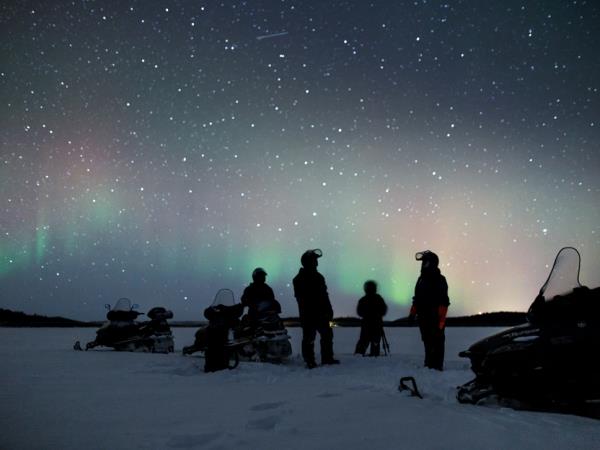
Finland Northern Lights holiday, Wilderness Auroras
Winter activities and Northern Lights in Finland
From
£2025 to £2475
5 days
inc UK flights
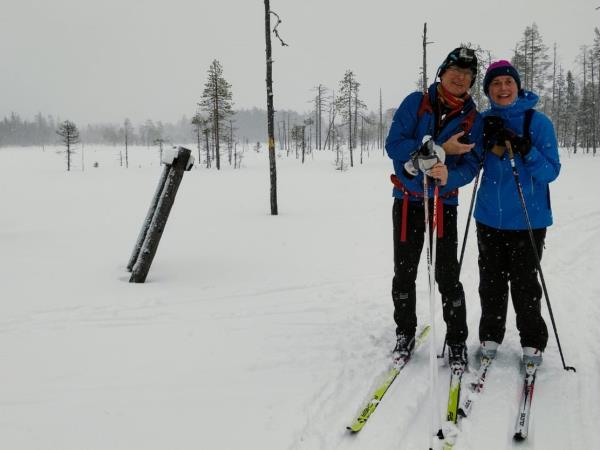
Cross-country skiing holiday in Finland's eastern wilderness
Guided country skiing holiday through remote eastern Finland
From
€1280
7 days
ex flights
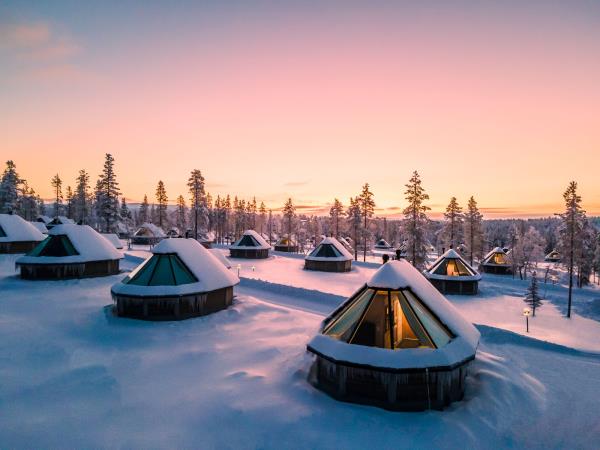
Northern Lights family holiday, tailor made
An Aurora-cabin glass roofed experience in Finnish Lapland
From
£1465
4 days
inc UK flights
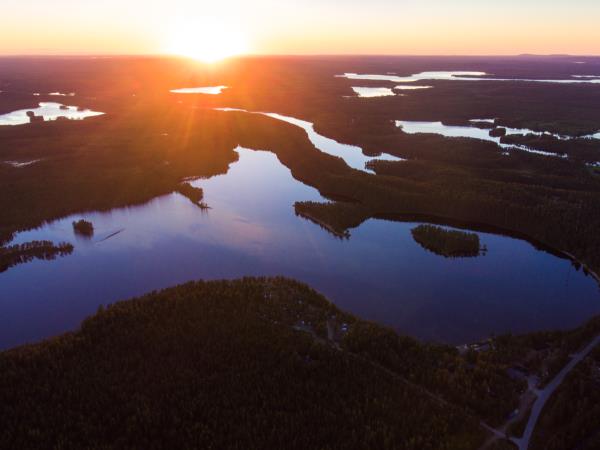
Finland hiking holiday
Eastern Finland hiking journey with cultural experiences
From
€1650
8 days
ex flights
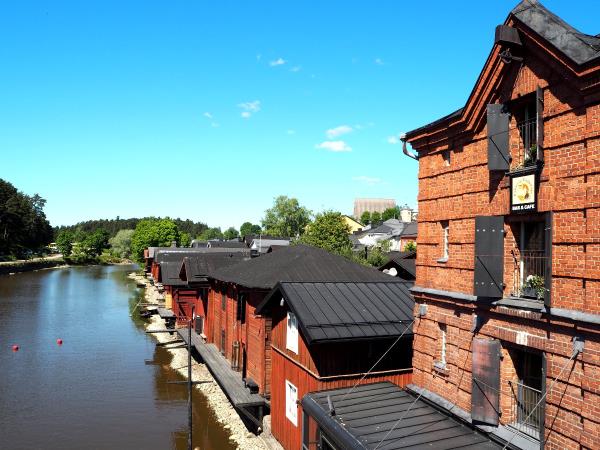
Helsinki to Porvoo cycling holiday in Finland
Cycling and activities from Helsinki to Porvoo
From
€1046 to €1767
5 days
ex flights
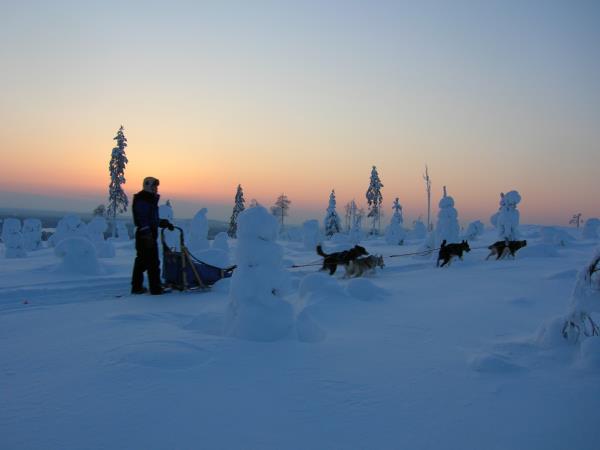
Lapland holiday, husky safari & log cottage
Thrill of dog sledding meeting the luxury of unique igloos
From
€3564 to €4018
6 days
ex flights


Contact Us
Call us for a chat about our holidays. We are happy to discuss your holiday and help in any way we can. No bots, queues or awful hold music.

01273 823 700
Call us after 10am
Calling from outside the UK

Say ‘muikku!’
Vendace, muikku in Finnish, are one of the most commonly eaten fish in Finland. Like whitebait and anchovies they can be eaten whole, bones and all, and they are typically either barbecued, pan-fried, smoked or popped into a soup. Rather sweetly, the fish are so beloved around Finland that muikku is what you say before taking a photo. Responsible Travel’s joint managing director Tim Williamson remembers enjoying a plate of them on a sunny lakeside terrace. Before watching an opera. In a castle. Yeah, that’s how we roll at Responsible Travel, no apologies.
Given that Finland’s land mass is made up of a peninsula and an archipelago in the Baltic Sea, it’s no surprise that fish is a staple of the cuisine here. You’ll find perch fillets fried in globs of butter; Baltic herring picked with cucumber and dill then spread on rye bread; creamy salmon soup with potatoes (popular as a starter before reindeer in Finnish Lapland); rainbow trout pinned to a board and smoked over an open fire; anglers cooking their fresh-caught pike on lakeside grills, and fish simply sliced raw and served up with lemon (and yet more dill). Fish butter is also served at breakfast – a light pate like spread – for spreading on freshly baked bread.
Given that Finland’s land mass is made up of a peninsula and an archipelago in the Baltic Sea, it’s no surprise that fish is a staple of the cuisine here. You’ll find perch fillets fried in globs of butter; Baltic herring picked with cucumber and dill then spread on rye bread; creamy salmon soup with potatoes (popular as a starter before reindeer in Finnish Lapland); rainbow trout pinned to a board and smoked over an open fire; anglers cooking their fresh-caught pike on lakeside grills, and fish simply sliced raw and served up with lemon (and yet more dill). Fish butter is also served at breakfast – a light pate like spread – for spreading on freshly baked bread.
Crazy for the crayfish
“Dill in the mouth,
crown on the head.
We’ll carry you to the table, on toasted bread,
and give you a schnapps bath.”
Crayfish parties, or ‘rapujuhlat’, are actually a Swedish tradition, but one that the Finns have adopted with giddy abandon. From late summer (21 July marks the official start of crayfish season) Finnish families and groups of friends gather to gorge on plates-full of these small, deep red freshwater crustaceans.
The feasting, a messy business where bibs are recommended, is accompanied by songs (like the above), storytelling, jokes, and plenty of alcohol – wine or beer, but often schnapps. And given that you only get a small amount of meat from each crayfish, and getting to that can be a fiddly business, it’s easy to get quite drunk, quite quickly. Sufficient dill for the garnish is crucial – it’s traditional to blame the following day’s hangover on an excess of herbs rather than booze. Kippis!
crown on the head.
We’ll carry you to the table, on toasted bread,
and give you a schnapps bath.”
Crayfish parties, or ‘rapujuhlat’, are actually a Swedish tradition, but one that the Finns have adopted with giddy abandon. From late summer (21 July marks the official start of crayfish season) Finnish families and groups of friends gather to gorge on plates-full of these small, deep red freshwater crustaceans.
The feasting, a messy business where bibs are recommended, is accompanied by songs (like the above), storytelling, jokes, and plenty of alcohol – wine or beer, but often schnapps. And given that you only get a small amount of meat from each crayfish, and getting to that can be a fiddly business, it’s easy to get quite drunk, quite quickly. Sufficient dill for the garnish is crucial – it’s traditional to blame the following day’s hangover on an excess of herbs rather than booze. Kippis!

Responsible Travel would like to thank the European Travel Commission
and The Nordics for commissioning this page
More Finland articles
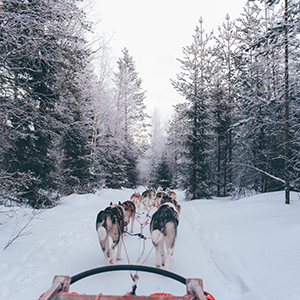
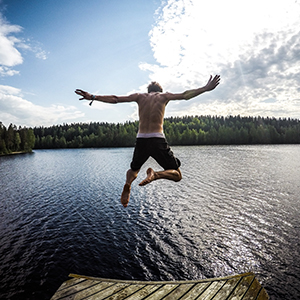
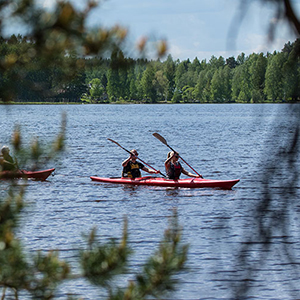
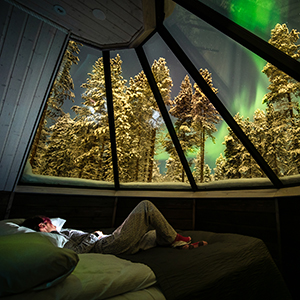
Enjoy long and light summer days for trekking and kayaking, or Northern Lights watching, snowshoeing and XC skiing.
Winter, from December to April is ideal for winter sports. The arrival of spring in May sees the return of the sun.
Click on our interactive Finland map and highlights to discover some of the best places to visit in both summer and winter.
If you’re looking to put a bit of colour into the darker depths of winter there’s no better place.
From snow shoeing and cross country skiing to husky safaris and Northern Lights.
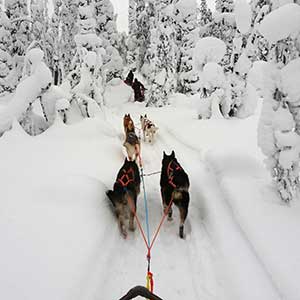
There’s no more exhilarating and rewarding way to discover the snowy Finnish wilderness than a husky safari.
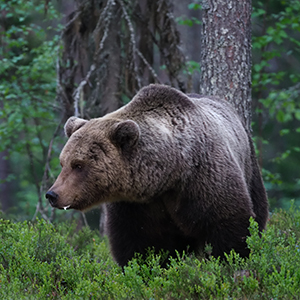
The Wild Taiga region of Finland is home to these fascinating creatures and a supporting cast of other animals, too.
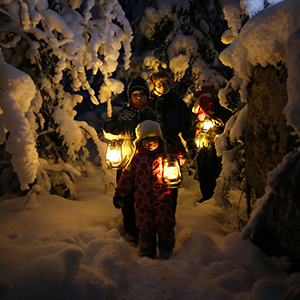
Younger children will be delighted by Finland's snowmen, sledging and reindeer-nuzzling.
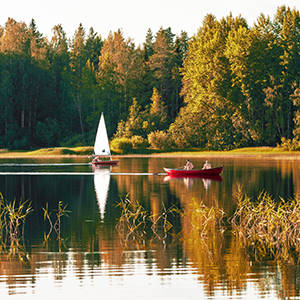
Featuring drawn out evenings, cycling and hiking, summer can be a lot cheaper than winter.
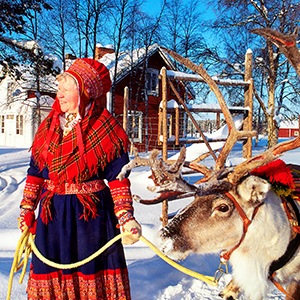
Although traditionally semi nomadic reindeer herders, the Sámi are adapting to a changing world.
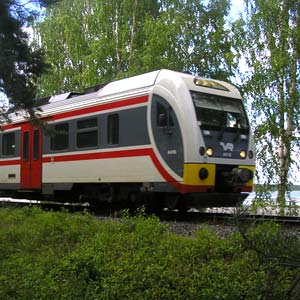
Visit Oulu and Kemi instead of heading straight to busy Rovaniemi in Lapland, and have a lovely relaxing holiday.
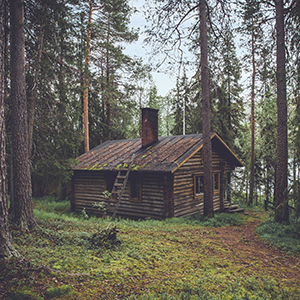
You’re often staying in a family’s second home, with sauna, open fire and kayaks.
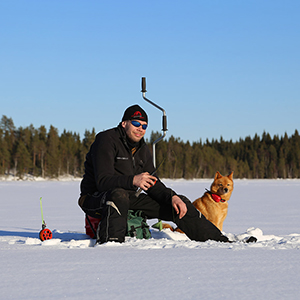
How to pack for the cold (when winter gear is often provided) and what to expect - according to our experts.
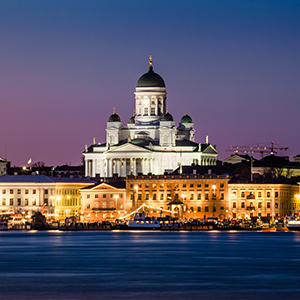
Helsinki is the cool capital of Finland – a southerly peninsula city surrounded by lakes.
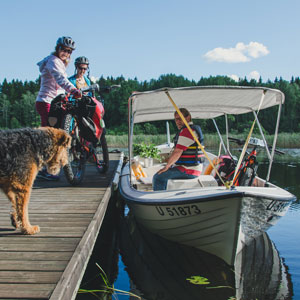
The Finnish landscape is everyone’s, including yours, to explore and forage – so long as you do so carefully.
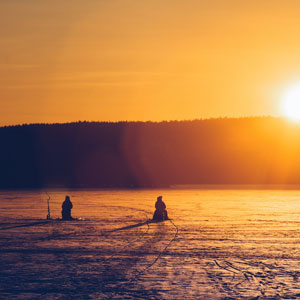
A cabin for two, and an exhilarating dog sledding expedition, all bundled under furs.
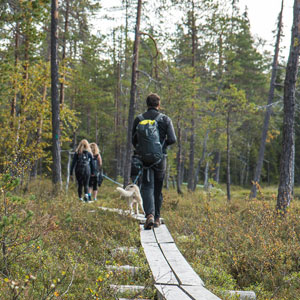
Exercise huskies in autumn to help them get fit for sledding season or visit in summer.
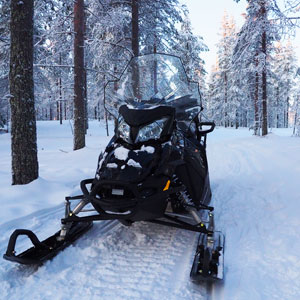
How can you make sure your snowmobile safari is good? eSleds are a good start.
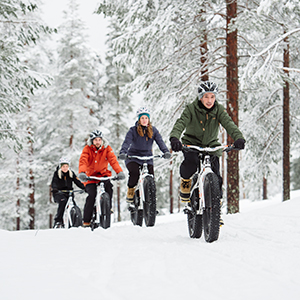
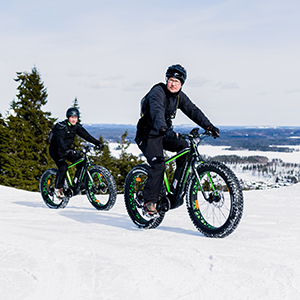
These mountain bikes with big chunky tyres are a great way to enjoy some Arctic exercise and have fun.



.jpg)
