Best time to visit Morocco

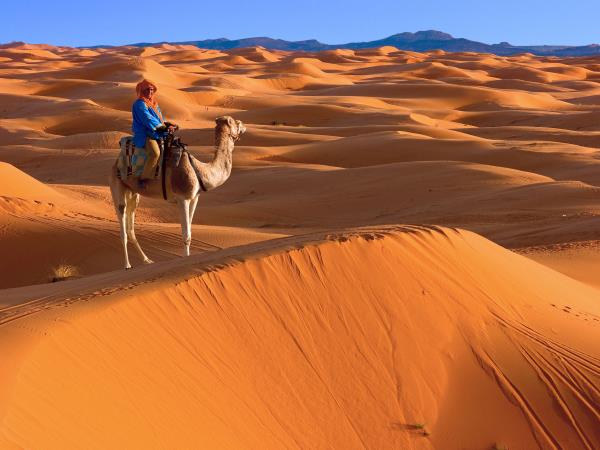
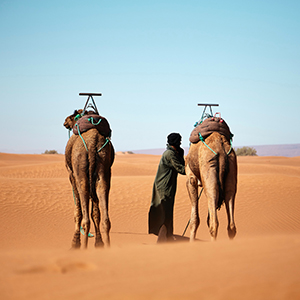
Whatever the time of year, make sure you catch both sunset and sunrise in the Sahara.![]()

The best time to visit Morocco is outside of the hot summer (June to August). Spring (March to May) and autumn (September to October) are great for cultural touring and family holidays, while Morocco is also a brilliant destination for winter sun. The country is divided by the High Atlas Mountains, where you can enjoy hiking year-round, as they can be refreshingly breezy in summer. The summer temperatures in the Sahara Desert are uncomfortable to unbearable, but at other times of year it’s much more manageable to explore the Sahara’s vast, empty sands, which are pleasantly cool after sunset.

A month by month guide on when to go to Morocco
January in Morocco
February in Morocco
March in Morocco
April in Morocco
May in Morocco
June in Morocco
June and September are my favourite times. The temperature is perfect; it's sunny yet there is a cool breeze.![]()
– Meryem Benkhati, a guide for our partner Intrepid Travel
July in Morocco
August in Morocco
September in Morocco
October in Morocco
November in Morocco
December in Morocco
Marrakech Weather Chart
MIN °C
MAX °C
RAIN (mm)
JAN
6
18
32
FEB
8
20
35
MAR
9
22
31
APR
11
24
29
MAY
14
27
14
JUN
16
31
4
JUL
20
36
1
AUG
20
36
2
SEP
18
32
6
OCT
15
27
22
NOV
10
22
38
DEC
6
19
35

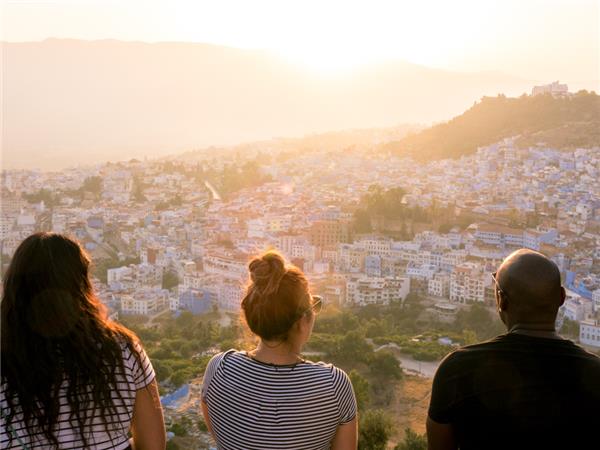
Morocco cultural tour
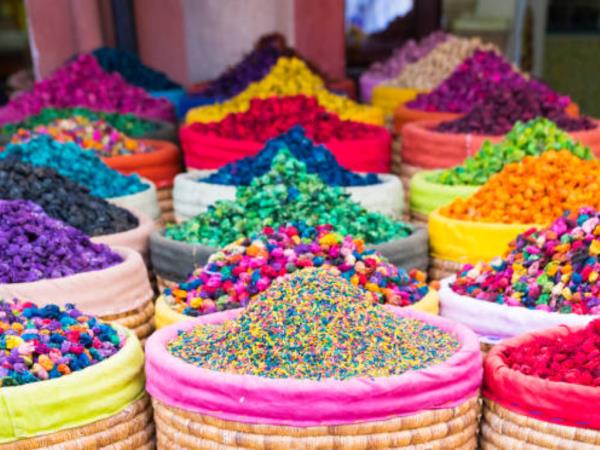
Come and see Morocco's kaleidoscope of colours
From
£829 to £1315
15 days
ex flights
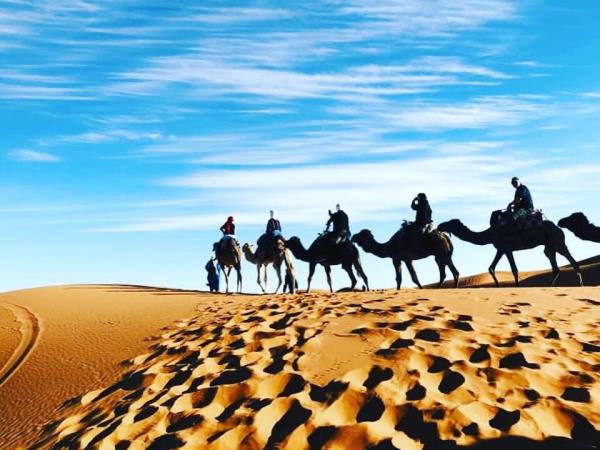
Morocco family holiday with teenagers
Exciting Moroccan adventure for teenagers and parents
From
£849 to £899
8 days
ex flights
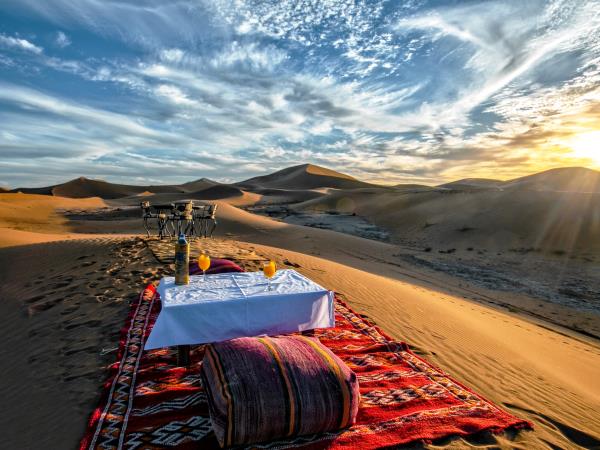
Morocco holiday, Marrakech to the Sahara
Marrakech and Sahara - stay in a Riad, sleep under the stars
From
£1195 to £1275
7 days
ex flights
Morocco budget tour
Budget adventure tour with fabulous highlights of Morocco
From
£649 to £699
8 days
ex flights
Morocco 9 day cultural tour
Experience the wonder, heritage, and culture of Morocco.
From
£2378
9 days
ex flights
Morocco 15 day tour
Discover majestic Morocco, coastlines and Sahara desert
From
£1249 to £1299
15 days
ex flights


Contact Us
Call us for a chat about our holidays. We are happy to discuss your holiday and help in any way we can. No bots, queues or awful hold music.

01273 823 700
Call us after 10am
Calling from outside the UK

Best times to visit Morocco for festivals & events
Almond Blossom Festival (February)
February, with the winter snows receding, sees one of Morocco’s most charming festivals take place around the town of Tafraoute. This community in the Berber heartlands of the Anti-Atlas Mountains is surrounded by almond trees that blossom in a vibrant display of pinks and whites. Visitors are rewarded with spectacular colours and an array of almondy treats. And do visit, because climate change represents a serious threat to this agricultural region, and the growers here need all the income they can get.
International Nomads Festival (April)
Taking place near the small oasis town of M’Hamid El Ghizlane in the Draa Valley, a gateway to the Saharan sands, the International Nomad Festival is a celebration of nomadic culture with the camel, that venerable and indispensable beast of burden, a centrepiece of the event. Nomadic peoples gather to set up camp, share stories, feast and take part in traditional desert sports such as camel racing. The dunes throb to the sound of drumming, and the thwack of wood against leather as crowds watch thrilling games of sand hockey, which, as you can probably guess, is like regular hockey, just on sand.
Sufi Festival (April)
Fes, one of Morocco’s Imperial Cities, is the setting for the week-long Sufi Festival, an event honouring the spirituality and culture of this strand of Islamic thought. Sufi leaders, musicians and worshippers congregate for workshops, poetry readings and ritual music performances that can get so intense that it’s not unknown for audience members to enter a form of trance. If you’re lucky you might witness a whirling dervish performance, a spectacular form of meditation practised by an order that was founded by the legendary Sufi poet, Rumi.
Rose Festival (May)
May sees the annual Rose Festival held in the M’Goun Valley, in the Atlas Mountains. The fields surrounding the town of Kalaat M’Gouna are full of fragrant pink roses, said to have first been planted centuries ago by a Damascene trader. The festival is the culmination of the harvest, when tonnes of petals are carefully plucked and preserved, to be used for perfumes, rose water and oil. The town has a lovely atmosphere in the days leading up to the festival, as locals string together rose garlands and bouquets, and the air is full of scent.
Imilchil Marriage Festival (September)
The Berber people believe that it is the liver, not the heart, that is the main organ of love, so at this traditional tribal event, held in the mountain village of Imilchil, participants are hoping to hear those magic words: “You have captured my liver.” Thousands of Berber people congregate as women choose their partners, taking them by the hand as a mark of acceptance and releasing it if they have a change of liver. In recent years the festival has opened itself up to visitors so that you can join in the celebrations, as well as the feasting, music and dancing.
Our travellers also ask…
What month is best to go to Morocco?
Morocco is a year-round destination, but the best months to go tend to be March to May (spring) and September to October (autumn). During these periods you can expect a pleasant climate whether you’re hiking in the mountains, touring the medina of Marrakech or sauntering through the Sahara on the back of a camel. Summer is lovely up in the Atlas Mountains, though, and winter is a popular time both in the mountains and in the desert.
Is January a good time to go to Morocco?
January, and February as well, is a good time to go to Morocco, but while you may get the odd patch of winter sun, don’t expect to come home with a deep tan. The winter weather tends more towards the cloudy and rainy, and you’ll want to bring warm clothes, especially for night. If you can cope with the chill, January is a great month both for trekking in the Atlas Mountains, or venturing into the Sahara Desert.
What is the rainy season in Morocco?
Rainy season in Morocco is from November through to February, peaking in December, with showers likely in October and March. But don’t be discouraged by the thought of a little rain, as these tend to be quieter months to travel with deals available, and milder temperatures ideal for walking and city sightseeing.
What is the hottest month in Morocco?
August is the hottest month in Morocco, with temperatures encroaching above 40°C in some areas, making the Sahara Desert particularly unappealing. This is a popular month for families, but most stick to the mountains and the coast in August. If you’re in the cities, try to get your sightseeing done early, seek shade from midday and enjoy warm evenings with a lively atmosphere in the streets.
More Morocco articles
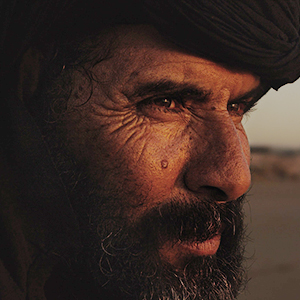
Our Morocco travel guide whisks you into a rainbow of raucous colours and enlightening Islamic culture.
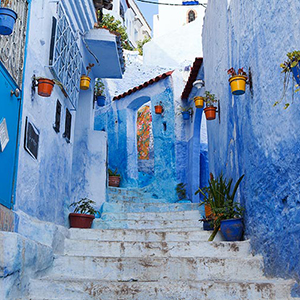
It's a big country, so you want to take your time deciding where you want to go.
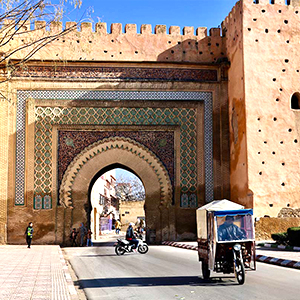
From the souks of Marrakech to the port of Tangier, discover Moroccan cities that are eclectic and exquisite.
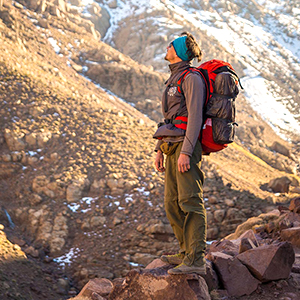
Discover the highest peak in North Africa, hiking in the Atlas Mountains.
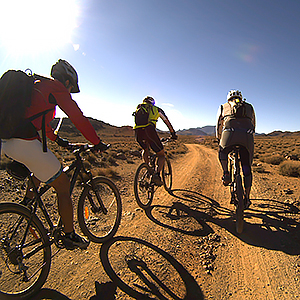
Inclines and idyllic spots to gorges and gorging on Moroccan food, find out where cycling will take you across Morocco.
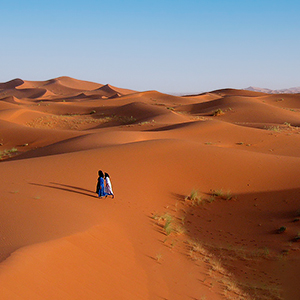
Unveil epic dune landscapes and camel rides, as well as camping beneath vast starlit skies.
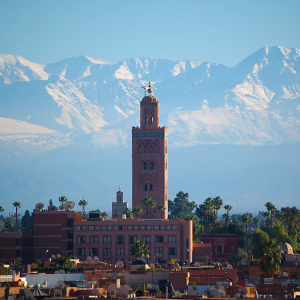
Our guide to how to enjoy both the popular city and the High Atlas in one break.
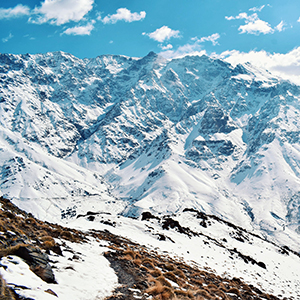
People don’t often think of snow when they think of Morocco, but winter holidays here have plenty of it in the High Atlas.
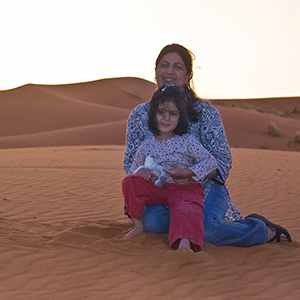
The desert is your sandpit. Find out why travelling with kids is simply brilliant, with loads of adventure.
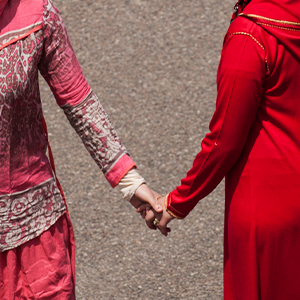
We help you understand local attitudes and laws, whether you want culture or landscapes.
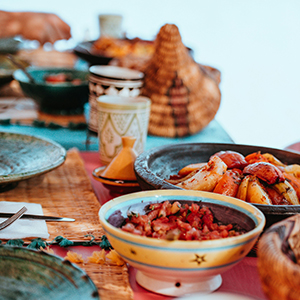
Our guide to Morocco cuisine, from tagine to couscous, and the ever-present mint tea.
Which cities to visit, which mountain regions to hike, how to handle the Sahara, and where to surf safely...