Croatia food & drink
Croatia is not a big exporter, and this has helped keep its excellent food culture something of a surprise to first-time visitors.
If you want to talk to a Croatian about food, you’ve got to pick the right time to do it. Hrvoje Lasic, from our partner 1st Cycling, requests that our 11.30am call be moved forward an hour. When we speak, he explains the culture of marenda – Croatian elevenses: “We like to eat cooked food for it, dishes that are inexpensive and high quality – like manestra. If you eat manestra you will never get sick.”
Manestra is Croatia’s answer to minestrone soup, cooked with whatever vegetables are seasonal, a hearty elevenses that beats a British biscuit and tea tradition hands-down for health benefits. “It’s really high-quality food, it’s not glamorous food. This is why I told you call a bit sooner,” says Hrvoje.
Speaking from the island of Krk where he grew up, Hrvoje explains Croatian food traditions, and how you can experience them for yourself on our food holidays in Croatia.
If you want to talk to a Croatian about food, you’ve got to pick the right time to do it. Hrvoje Lasic, from our partner 1st Cycling, requests that our 11.30am call be moved forward an hour. When we speak, he explains the culture of marenda – Croatian elevenses: “We like to eat cooked food for it, dishes that are inexpensive and high quality – like manestra. If you eat manestra you will never get sick.”
Manestra is Croatia’s answer to minestrone soup, cooked with whatever vegetables are seasonal, a hearty elevenses that beats a British biscuit and tea tradition hands-down for health benefits. “It’s really high-quality food, it’s not glamorous food. This is why I told you call a bit sooner,” says Hrvoje.
Speaking from the island of Krk where he grew up, Hrvoje explains Croatian food traditions, and how you can experience them for yourself on our food holidays in Croatia.

An underestimated neighbour
I’ve spent a few holidays in Croatia myself – but I usually came away thinking that the food wasn’t very good. I was sailing, and picking the restaurant closest to the marina. I was eating from tourist menus, and invariably choosing the pasta, the pizza, or the risotto on rotation. It appears I missed a lot because I didn’t know where to look.Croatia is one of the most visited destinations in the Mediterranean, and tourism accounts for around 10 percent of its GDP. With more tourism you get tourist traps, Hrvoje warns – the kind I fell for: “When you have too many tourists the quality of food goes down. More restaurants serve worse food. Even some restaurants cook one food in the winter and then in May they change the menu to serve fast food for tourists. We don’t go to that kind of restaurant because they aren’t cooking good quality food.”
When Hrvoje leads tours he takes groups where he knows the restaurant is cooking with home-grown ingredients. Some have their own fishing boats, others their own olive press – it’s still common for families to have one and press their own oil every year. Whilst Italy has the trattoria and Greece the taverna, Croatia has the konoba – traditional restaurants serving simple, fresh food.
Croatian cuisine is not as well known as that of neighbour Italy. And whilst countries like Italy and Spain export their Mediterranean products on a grand scale, Croatia does not. Old reputations linger – as part of Yugoslavia, Croatia produced wine in bulk rather than as a quality product – the scene is very different now, and Croatian wine routinely wins awards.
Why is Croatia good for food?
“Croatia is a small country – it has coast, some flat, some mountainous – 20 minutes from here you can go skiing. There’s a mix of climate, culture and food,” explains Hrvoje. The mix of landscapes means a rich and varied food scene. Inland means meat and more Central European influences, contrasting with the coastal areas. “The food on the Adriatic coast is very good – it’s Mediterranean: olive oil, vegetables, premium ingredients… we have very good fish.”
I remember one summer in Croatia, rowing our tender out from the sailing boat to an oyster seller’s floating jetty in the mouth of a river, and returning with a dozen delicious oysters. Ston oysters are celebrated for their taste, which comes from a mix of nutrients and minerals in the area, combined with one of Croatia’s most important ingredients: salt.
I remember one summer in Croatia, rowing our tender out from the sailing boat to an oyster seller’s floating jetty in the mouth of a river, and returning with a dozen delicious oysters. Ston oysters are celebrated for their taste, which comes from a mix of nutrients and minerals in the area, combined with one of Croatia’s most important ingredients: salt.
Croatia’s salt paths
Around Croatia’s 1,100 islands there’s a lot of salty coastline. Ston, near Dubrovnik has produced salt for centuries alongside its oysters. The salt also cures Croatia’s delicious charcuterie. Istrian prosciutto (prsut), dried sausage and pancetta start life with sea salt seasoning before being left to air dry. The salty air is reputed to help keep Croatia’s vines free of pests. In the sea, the salt makes Adriatic fish taste particularly delicious. On the island of Pag, it infuses the grass and the herbs. The sheep that eat this grass produce a salty milk that is turned into an award-winning cheese.
Quality ingredients
The emphasis is on quality ingredients and food that is rarely exported, comes in small batches and only appears for a few weeks a year. Seasonal ingredients include cheese from the island of Pag, garden-fresh tomatoes and Istria’s wild asparagus, which grows along the banks in spring, thinner and taller than the stuff you see in the supermarket. Meanwhile, Istria’s autumn festivals celebrate chestnuts, mushrooms and its famous truffles.
“Of course you can buy in the supermarket,” says Hrvoje, “But the tomato in the summer is a real tomato and that’s what we like to eat, and it’s available for maybe just two months a year.”
“Of course you can buy in the supermarket,” says Hrvoje, “But the tomato in the summer is a real tomato and that’s what we like to eat, and it’s available for maybe just two months a year.”
Farm stays and small producers
Rural tourism is on the rise in Croatia, as people look for experiences away from the very busy coast. Agritourism – where you can stay on farms and with other producers – is on the up, as more farms have tuned in to serving tourists looking further afield. In Croatia, a farm business that is run by members of the same family is called an OPG (obiteljsko poljoprivredno gospodarstvo), and some have opened their small businesses to tourism, too.
Our holidays stay with small producers – you might stay in a bed-and-breakfast run by a local family who left Dubrovnik to produce their own wine. On our self drive holidays, you can peel away from the coast and enjoy “family-owned hotels, eating in small restaurants, and buying food from local markets and stalls along the highway,” as our traveller Manuelle Prunier found, noting that avoiding toll roads allowed you to stumble on more markets and roadside stalls.
There are some fine dining experiences, too. The first Michelin guide for Croatia was published in 2017, and there are so far 13 starred restaurants (Italy has 393). Stars aside, though, for Hrvoje it all comes back to local ingredients, cooked well.
“Growing up, my grandmother and my mother cooked local food for me. When you eat the local food it’s really good – you eat good meat, homemade pasta, vegetables grown locally, fish from close to here. You have really good ingredients and that’s what makes the food good.”
Our holidays stay with small producers – you might stay in a bed-and-breakfast run by a local family who left Dubrovnik to produce their own wine. On our self drive holidays, you can peel away from the coast and enjoy “family-owned hotels, eating in small restaurants, and buying food from local markets and stalls along the highway,” as our traveller Manuelle Prunier found, noting that avoiding toll roads allowed you to stumble on more markets and roadside stalls.
There are some fine dining experiences, too. The first Michelin guide for Croatia was published in 2017, and there are so far 13 starred restaurants (Italy has 393). Stars aside, though, for Hrvoje it all comes back to local ingredients, cooked well.
“Growing up, my grandmother and my mother cooked local food for me. When you eat the local food it’s really good – you eat good meat, homemade pasta, vegetables grown locally, fish from close to here. You have really good ingredients and that’s what makes the food good.”
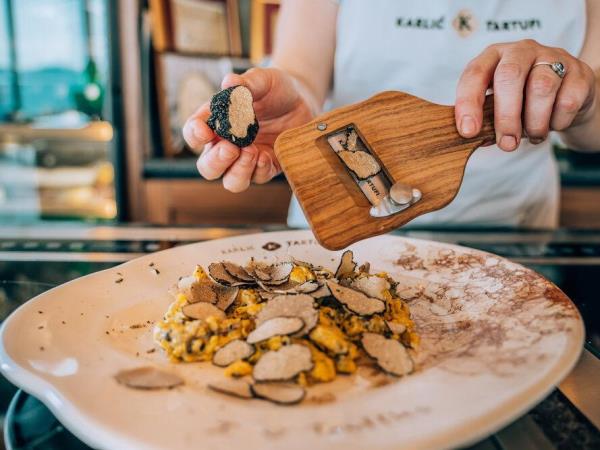
Istria cycling and food holiday, Croatia
Perfect blend of luxury, cycling & Istria's cuisine
From
€3899
7 days
ex flights
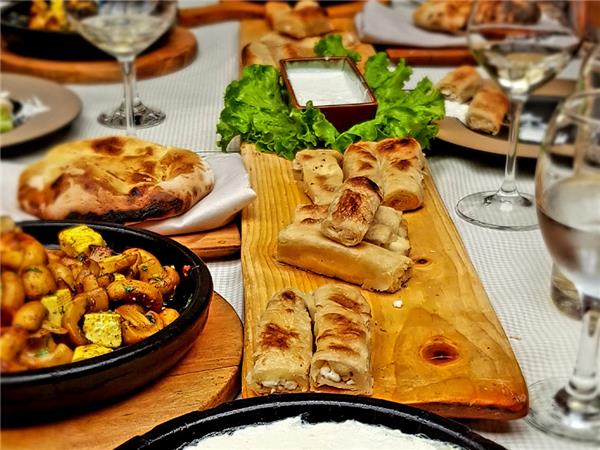
The Balkans food holiday, small group
12-day tour through Croatia, Montenegro and North Macedonia
From
£1456
9 days
ex flights
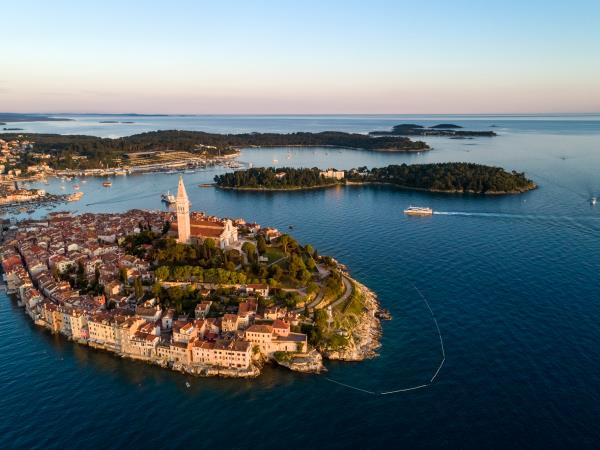
Luxury culinary cycling tour in Istria, Croatia
Discover Croatia’s gourmet peninsula on this premium adventure
From
€3399
6 days
ex flights
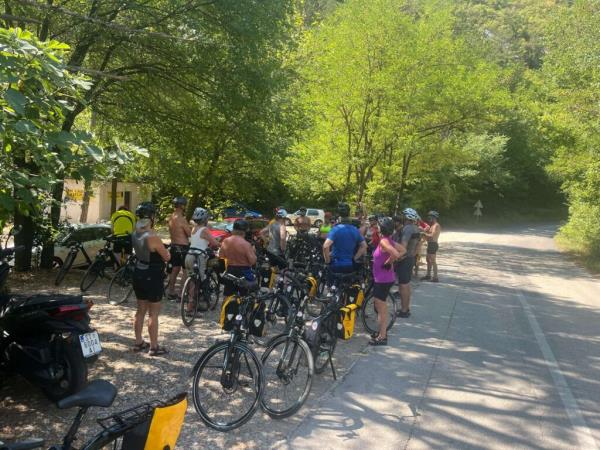
Food and cycling holiday in Southern Croatia
Coastal cycle, gourmet food, stunning isles & elegance
From
€3299
7 days
ex flights
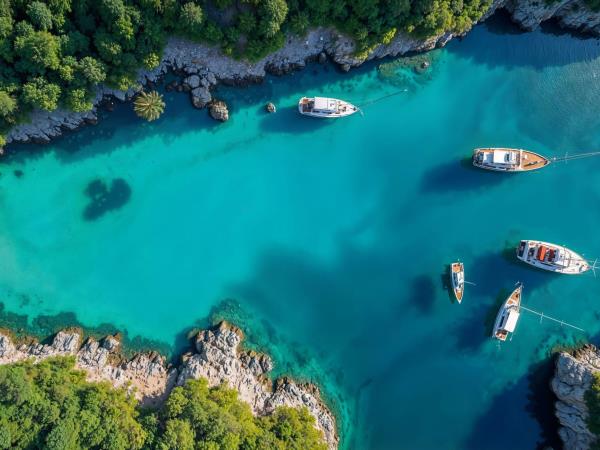
Luxury cycling and sailing holiday, Croatia
Croatia Culinary Cycling: Adriatic Flavors & Island Wines
From
€11499
7 days
ex flights


Contact Us
Call us for a chat about our holidays. We are happy to discuss your holiday and help in any way we can. No bots, queues or awful hold music.

01273 823 700
Call us after 10am
Calling from outside the UK


What can you expect on a Croatia food holiday?
Croatia is a great setting for a food holiday: there’s lovely island hopping, great restaurants, a well-established tourism scene plus interesting agrotourism businesses. Istria and the Dalmatian Coast are the areas most set up for tourism and gastro-tourism. It’s best to give advance notice so that businesses can cater to specific dietary requirements.
A guided tour might be the best way to find Croatia’s finest produce. Our luxury culinary cycling tour in Istria features boutique hotels in vineyards and authentic Istrian cuisine tastings and meals, and e-bikes are included in the price. Consider a self drive holiday and head inland to lesser visited villages. If you want to pair food, wine and walking, look no further than our luxury Croatia walking and wine holiday.
A guided tour might be the best way to find Croatia’s finest produce. Our luxury culinary cycling tour in Istria features boutique hotels in vineyards and authentic Istrian cuisine tastings and meals, and e-bikes are included in the price. Consider a self drive holiday and head inland to lesser visited villages. If you want to pair food, wine and walking, look no further than our luxury Croatia walking and wine holiday.
What food & drink should you try in Croatia?
Look for food that speaks to Croatia’s position between the Mediterranean and the countries of Central Europe: pasta and gnocchi on one hand, goulash on the other – very popular in Slavonia, a historical region in the far northeast.
Breakfast might be a warm cheese burek (stuffed filo pastry), or seasonal fruit, homemade fig preserve, honey and strong coffee. Enjoy picnic lunches made from homemade cheese and charcuterie. On Vis? Try komiska pogaca: focaccia stuffed with salt fish, onion, tomato and capers. Lunch is more important than dinner in Croatia – witness the importance of the marenda, too.
Vegetarians and vegans can take advantage of fantastic fresh plant-based cuisine, including traditional veggie dishes like poljicki soparnik – a flatbread stuffed with onion and chard.
Fish is very popular on the coast – from marinated or fried anchovies and sardines to scorpion fish and octopus, and langoustines cooked in traditional buzara sauce.
In Dalmatia for dinner? You can’t miss the ubiquitous, eye-catching crni rizot – risotto made black with cuttlefish ink, and peka – meat such as lamb or beef, or octopus, cooked under a heavy, bell-shaped lid in hot coals – the same cooking method is also used to make a big, round bread.
The most planted grape variety in Croatia, which has 300 wine districts, is grasevina. Look out for malvasia and teran: celebrated varieties in Istria, whilst Dalmatia is known for plavac mali – its famous red – and posip, the first Croatian white wine to get a protected geographical origin. After dinner look out for homemade brandies like cherry rakija, or travarica – grape brandy infused with herbs.
Breakfast might be a warm cheese burek (stuffed filo pastry), or seasonal fruit, homemade fig preserve, honey and strong coffee. Enjoy picnic lunches made from homemade cheese and charcuterie. On Vis? Try komiska pogaca: focaccia stuffed with salt fish, onion, tomato and capers. Lunch is more important than dinner in Croatia – witness the importance of the marenda, too.
Vegetarians and vegans can take advantage of fantastic fresh plant-based cuisine, including traditional veggie dishes like poljicki soparnik – a flatbread stuffed with onion and chard.
Fish is very popular on the coast – from marinated or fried anchovies and sardines to scorpion fish and octopus, and langoustines cooked in traditional buzara sauce.
In Dalmatia for dinner? You can’t miss the ubiquitous, eye-catching crni rizot – risotto made black with cuttlefish ink, and peka – meat such as lamb or beef, or octopus, cooked under a heavy, bell-shaped lid in hot coals – the same cooking method is also used to make a big, round bread.
The most planted grape variety in Croatia, which has 300 wine districts, is grasevina. Look out for malvasia and teran: celebrated varieties in Istria, whilst Dalmatia is known for plavac mali – its famous red – and posip, the first Croatian white wine to get a protected geographical origin. After dinner look out for homemade brandies like cherry rakija, or travarica – grape brandy infused with herbs.
More Croatia articles
Our Croatia travel guide has tips on culture, food and shopping, plus what we rate (and what we don't).
The best time to visit Croatia is in summer between June and September - July and August get very busy.
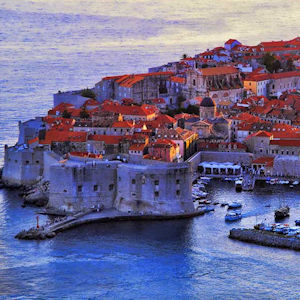
Our Croatia highlights go beyond Dubrovnik, focusing on the country's stunning scenery. Read on in our guide.
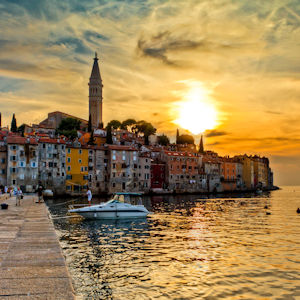
Read more about our top 10 Croatia island holidays – among the most picturesque and responsible ways to travel.
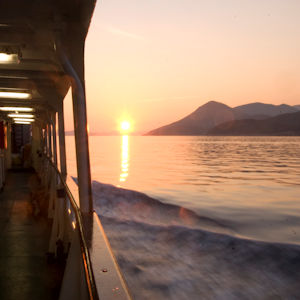
Read our guide to find out the best way to travel between islands in Croatia.
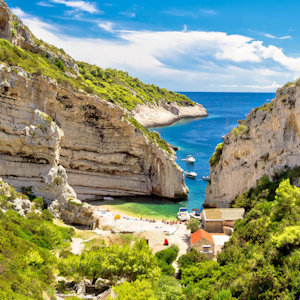
From Dubrovnik to Istria, discover the best beaches in Croatia along one of Europe’s most venerated coastlines.
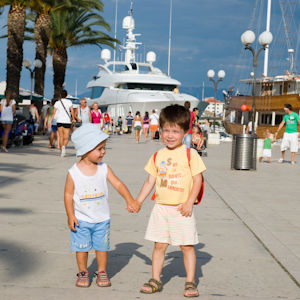
The best family holidays in Croatia involve adventure, activity and lots of splashing.
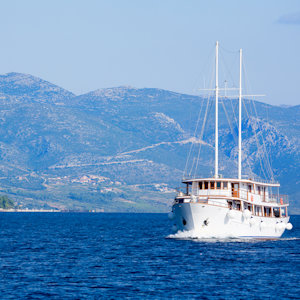
Small ship cruises in Croatia glide away from the crowds and into heavenly seascapes.
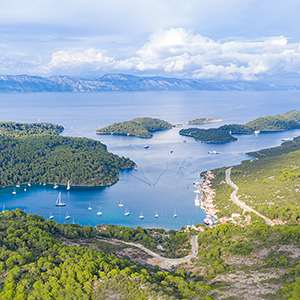
From sailing holidays to wine tasting tours – read our guide if you want to uncover Croatia’s cultural heritage.
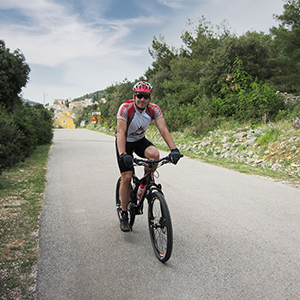
Looking for the best Croatia honeymoon ideas? Romance and adventure begin right here.
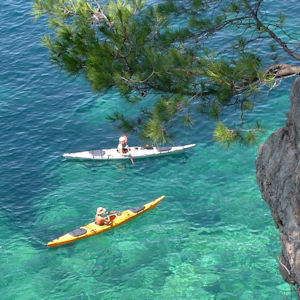
To sea kayak in Croatia is to glide between forested archipelagos, sandy coves, Venetian ports and secret caves.

Dive into our top 10 unusual Croatia holidays and give yourself a break to remember.
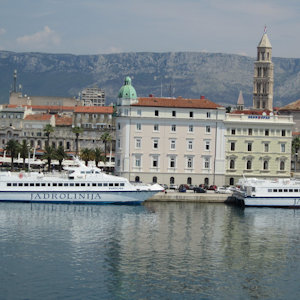
Read our tips to discover how to escape the crowds, how to handle the heat, and why it's worth exploring the mountains.
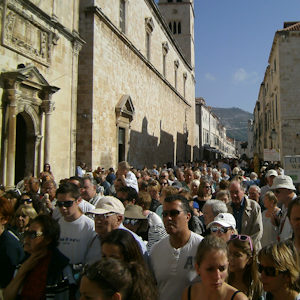
Responsible tourism in Croatia, and how your trip can make a positive difference.
Find all our Croatia guides in one place. They range from shining the spotlight on favourites like Dubrovnik to cycling highlights.






.jpg)