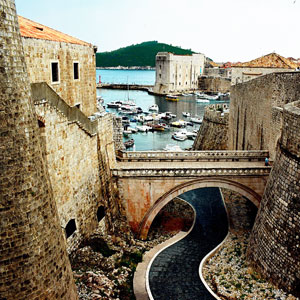
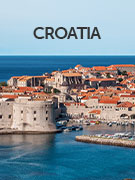
Dubrovnik has been ranked the most overcrowded city in the world, with 27 tourists to every resident at its peak. Renowned for its beauty, as well as its historic architecture and walls, the city’s issues with overtourism began hitting the headlines with the arrival of the Game of Thrones TV series, which resulted in around 60,000 location-spotting tourists a year. But the real culprits behind Dubrovnik’s crowds are the three usual suspects: cheap flights, short term lets, and cruise ships.
The budget flights that saturate European airspace make it easy and affordable to reach Dubrovnik for a short break, often less than three days. Many of those visitors then choose to stay in short term lets (STLs) booked through platforms such as Airbnb, in guest houses and apartments created to meet tourist demand that would have once provided vital accommodation for residents.
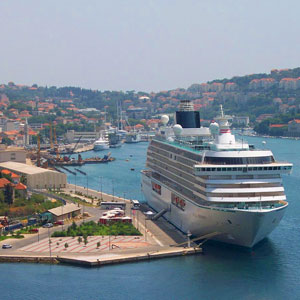
Meanwhile cruise ships disgorge thousands of tourists each day, most of whom spend very little money in the city, yet ensure that Dubrovnik’s streets, monuments, cafes and shops are jampacked with people, creating an unpleasant experience for residents and visitors alike. Traditional cafes become fast food outlets, and shops that might otherwise have sold useful products people need in their everyday life now stock only tourist tat.
Overtourism alienates and drives out local people. In Dubrovnik today, the permanent population of the Old Town is just 1,500, down from 5,000 in 1991. Homes and flats have been turned over to tourist accommodation which destroys any sense of community, erodes authentic culture, and pushes up property prices. The crowds also put a strain on infrastructure. Tourists (and their bags) on public buses mean less space for local people; taxis, rental cars and tourist buses create traffic congestion, and waste disposal efforts are stretched during peak summer season.
“It is a privilege for Croatians that along our coast we have many attractive cities, and we are very proud that we have many things to offer tourists like historical cultural sites, UNESCO sites, clear Adriatic Sea and rivers, high class accommodation and services, good food and more,“ says Tomo Jadric of our partner Croatia Travel and Tours. “But Dubrovnik isn’t a seaside resort. It is a city where we live, where our children go to school, where we need to get to our offices for work.”
As with other cities afflicted by overtourism, Dubrovnik faces a paradox. It is dependent on tourism and being ruined by it at the same time. UNESCO has even threatened to put it on the list of endangered heritage sites. But now the city is fighting back. Dubrovnik’s mayor, Mato Frankovic, has introduced a radical new approach to managing tourism with a raft of innovative measures and tools.