Java rail holidays in Indonesia
How do you have a train holiday in a country with 17,000 islands? Stick to Java, where there’s a high-speed railway.
At first glance, the island of Java in Indonesia seems ideally built for rail travel – it’s over 1,000km long but only 210km at its widest point. Jakarta is on the far northwest of the island, the cultural capital of Yogyakarta is almost bang in the middle, and then the east coast has Surabaya and Mount Bromo, one of the most scenic volcanoes in the country. For even more convenience, Bali is just a 45-minute ferry hop from the eastern port station of Ketapang. It’s almost been perfectly designed for a rail journey east, followed by some relaxation time on Bali, which is why we have a holiday that does just that, our Jakarta to Bali by train holiday.
The largest economy in the region, Indonesia has the best rail network in Southeast Asia, and the government has thousands more kilometres of tracks in development. The best island for rail holidays? Java, where the main cities are connected by rail. Java’s first high speed train (the first in the southern hemisphere) launched in 2023. The line reaches speeds of 350kph and has cut a three-hour journey from Jakarta to the city of Bandung to 30 minutes. Pleasingly, it’s called WHOOSH, or “Waktu Hemat, Operasi Optimal, Sistem Handal” (Timesaving, Optimal Operation, Reliable System) – a timesaving acronym indeed.
Indonesia’s railways were built by the Dutch occupiers during the 19th century, initially to transport resources out of the country, and so that the occupying forces could move around with ease and quell any uprisings. Local people were not allowed to use the trains. Now, the rail system – which is particularly good in Java – has improvements funded by China’s Belt and Road Initiative (which has seen billions invested in transport systems across Asia), and is embraced by Indonesians.
Whilst it helps commuters get to work, Java’s rail network takes visitors by surprise. It is little-known to international tourists – despite being every bit as useful as the rail system in somewhere like Japan.
Best of all, trains are cheap: better value and far less hassle than flying, and cheaper too, than using a private car. They are comfortable, and serve full, hot meals on board. Book into first class, or book the long, panoramic train ride between Bandung and Surabaya, and relax with the scenery.
Traffic is an issue on Java – the most populated island in the world – especially in its cities. Tens of millions of motorised vehicles also mean Jakarta has been ranked the most air polluted city in the world. In contrast, the train is quick, inexpensive, and electric, and helps you skim out of Jakarta’s dense urban area with ease.
Leaving the city sprawl, out the window you’ll see people working the rice fields – half of the population lives rurally, and wet-rice cultivation has been the source of food for thousands of years, thanks to these rich volcanic soils. You’ll see the smoking culprits in the distance, too: Java has dozens of active volcanoes, and mountains run in a chain east-west along the island – just like its major railway line. In among Indonesia’s verdant greenery, you’ll happen across mosques, kampungs and towns – and flash through smaller settlements and level crossings in the blink of an eye.
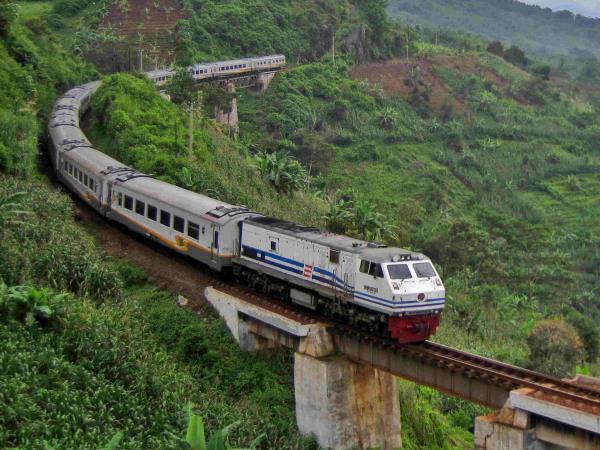
Indonesia’s most scenic rail journey is also one of its longest: the nine-hour voyage between Bandung and Surabaya covered by the Argo Willis, an Eksekutif (executive) class train with panoramic windows all the better for seeing all that green go by. Going by road on the same route would take 15 hours.
At first glance, the island of Java in Indonesia seems ideally built for rail travel – it’s over 1,000km long but only 210km at its widest point. Jakarta is on the far northwest of the island, the cultural capital of Yogyakarta is almost bang in the middle, and then the east coast has Surabaya and Mount Bromo, one of the most scenic volcanoes in the country. For even more convenience, Bali is just a 45-minute ferry hop from the eastern port station of Ketapang. It’s almost been perfectly designed for a rail journey east, followed by some relaxation time on Bali, which is why we have a holiday that does just that, our Jakarta to Bali by train holiday.
The largest economy in the region, Indonesia has the best rail network in Southeast Asia, and the government has thousands more kilometres of tracks in development. The best island for rail holidays? Java, where the main cities are connected by rail. Java’s first high speed train (the first in the southern hemisphere) launched in 2023. The line reaches speeds of 350kph and has cut a three-hour journey from Jakarta to the city of Bandung to 30 minutes. Pleasingly, it’s called WHOOSH, or “Waktu Hemat, Operasi Optimal, Sistem Handal” (Timesaving, Optimal Operation, Reliable System) – a timesaving acronym indeed.
Indonesia’s railways were built by the Dutch occupiers during the 19th century, initially to transport resources out of the country, and so that the occupying forces could move around with ease and quell any uprisings. Local people were not allowed to use the trains. Now, the rail system – which is particularly good in Java – has improvements funded by China’s Belt and Road Initiative (which has seen billions invested in transport systems across Asia), and is embraced by Indonesians.
Whilst it helps commuters get to work, Java’s rail network takes visitors by surprise. It is little-known to international tourists – despite being every bit as useful as the rail system in somewhere like Japan.
Best of all, trains are cheap: better value and far less hassle than flying, and cheaper too, than using a private car. They are comfortable, and serve full, hot meals on board. Book into first class, or book the long, panoramic train ride between Bandung and Surabaya, and relax with the scenery.
Traffic is an issue on Java – the most populated island in the world – especially in its cities. Tens of millions of motorised vehicles also mean Jakarta has been ranked the most air polluted city in the world. In contrast, the train is quick, inexpensive, and electric, and helps you skim out of Jakarta’s dense urban area with ease.
Leaving the city sprawl, out the window you’ll see people working the rice fields – half of the population lives rurally, and wet-rice cultivation has been the source of food for thousands of years, thanks to these rich volcanic soils. You’ll see the smoking culprits in the distance, too: Java has dozens of active volcanoes, and mountains run in a chain east-west along the island – just like its major railway line. In among Indonesia’s verdant greenery, you’ll happen across mosques, kampungs and towns – and flash through smaller settlements and level crossings in the blink of an eye.
Indonesia’s most scenic rail journey is also one of its longest: the nine-hour voyage between Bandung and Surabaya covered by the Argo Willis, an Eksekutif (executive) class train with panoramic windows all the better for seeing all that green go by. Going by road on the same route would take 15 hours.

Our top trip
Jakarta to Bali by train holiday
Discover Java by rail and relax on Balinese beaches
From
£2745
13 days
ex flights
Small group travel:
2027: 29 May, 25 Sep
2027: 29 May, 25 Sep
Contact Us

Call us for a chat about our holidays. We are happy to discuss your holiday and help in any way we can. No bots, queues or awful hold music.

01273 823 700
Call us after 10am
Calling from outside the UK


Java rail holidays map
Where to go on a rail journey across Java
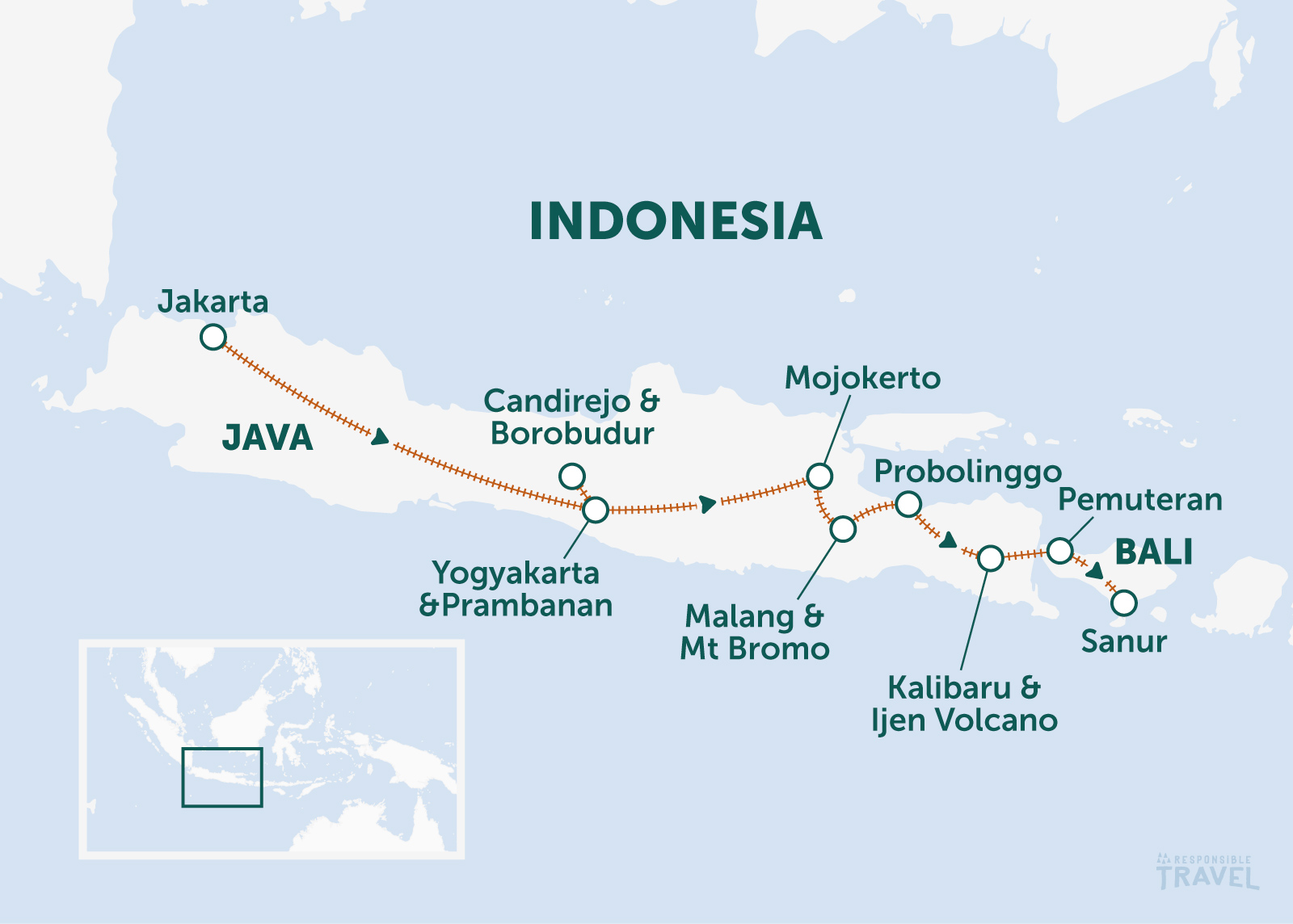
Leave hot, humid Jakarta’s yellow-grey skies behind via Gambir station, and take the train to Bandung, the island’s third largest city, and on to Yogyakarta, the cultural capital. Here you can pop along by train to UNESCO-listed 9th-century temples at Prambanan, or you can take a 40km detour by road to see the magnificently massive Buddhist temple at Borobudur – a site that the government wants to make as popular as Bali. You could also go to Solo on the line, 65km east from Yogyakarta, a city that vies with its neighbour to be Java’s cultural centre. From ‘Yogya’, you can continue east on the line to Surabaya, stopping at Mojokerto, a city with colonial-era architecture in the cool hills, from which you can continue by road to Malang. From Surabaya, change to the line to Ketapang, and stop at Probolinggo if you fancy a detour by car to Mount Bromo, an active volcano which you can climb. At Ketapang (formerly Banyuwangi) there’s the ferry terminal very close to the station, where you can take the 45-minute ferry over to Bali, just a few kilometres across the narrow Bali Strait.
Our holidays complement the rail journeys with road journeys to get you off the beaten track, out of the city railway stations, and into areas that can benefit from responsible tourism. At Yogyakarta you can go by road to visit a community-based tourism project aimed at preserving and sharing Javanese life in a traditional village – so you can try your hand at playing an instrument in a gamelan orchestra, or take a tour by dokar (horse and cart). From Mojokerto station you can drive to Malang, where one of the city’s impoverished villages has been revitalised by local students into a ‘rainbow village’: painted with buckets of donated paint, it attracts visitors and their money, improving local living standards. Our Java off the beaten track holiday uses the rail network to get around, but takes you away from the stations for perfume making courses and batik and weaving workshops.
After a few days tracing tracks across island interiors, the beaches beckon, and luckily Bali and Lombok are on hand for a few welcome days off the rails to round out your trip.
Our holidays complement the rail journeys with road journeys to get you off the beaten track, out of the city railway stations, and into areas that can benefit from responsible tourism. At Yogyakarta you can go by road to visit a community-based tourism project aimed at preserving and sharing Javanese life in a traditional village – so you can try your hand at playing an instrument in a gamelan orchestra, or take a tour by dokar (horse and cart). From Mojokerto station you can drive to Malang, where one of the city’s impoverished villages has been revitalised by local students into a ‘rainbow village’: painted with buckets of donated paint, it attracts visitors and their money, improving local living standards. Our Java off the beaten track holiday uses the rail network to get around, but takes you away from the stations for perfume making courses and batik and weaving workshops.
After a few days tracing tracks across island interiors, the beaches beckon, and luckily Bali and Lombok are on hand for a few welcome days off the rails to round out your trip.
Practicalities on your Indonesia rail holiday
More Indonesia articles
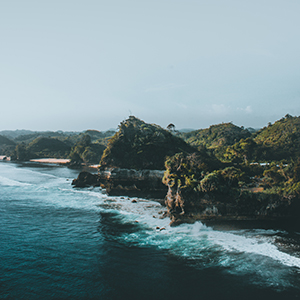
The best time to visit Indonesia is between April and October for warm, dry weather.
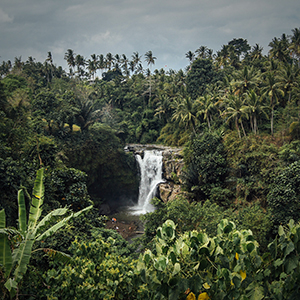
Our Indonesia travel guide aims to point responsible travellers in the right direction when it comes to what we rate & what we don’t.
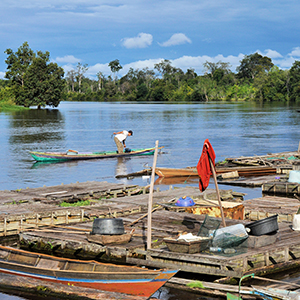
Our interactive map of highlights features everywhere from Kalimantan and Sulawesi to Java.
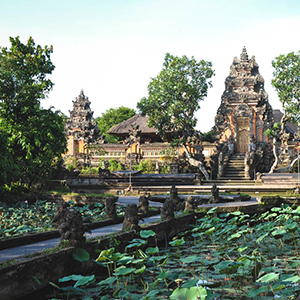
From a kayak into the jungle to a tour of the temples, this is just the tip of the misty mountain when it comes to finding things to do.
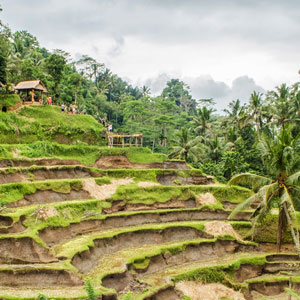
Despite its enduring popularity, it’s still possible to find a quiet slice of life in Bali away from the hectic beach resorts.
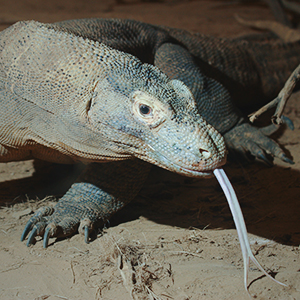
Indonesia’s Komodo National Park is the one place in the world where dragons still exist.

Lombok’s a laid-back place with deserted beaches from where to surf, swim or snorkel over coral.
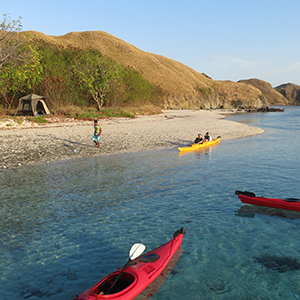
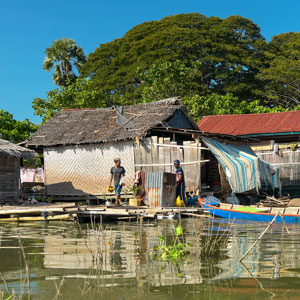
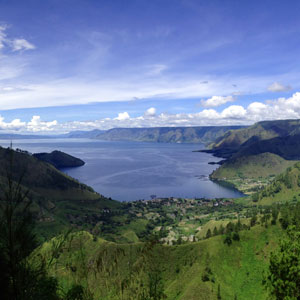
Sumatra delivers big when it comes to both natural beauty and cultural wonders.
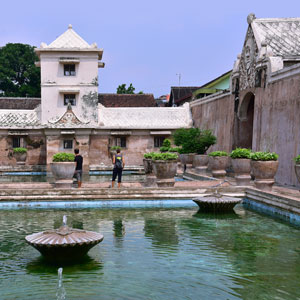
Yogyakarta, on Java, is a city of two parts, with a modern side and a old walled town.
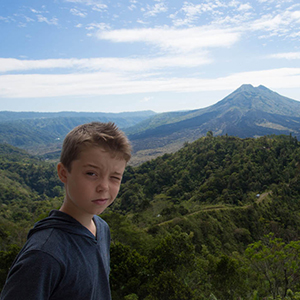
Hiking around volcanoes, horseback riding, snorkelling: kids go wild in Indonesia.
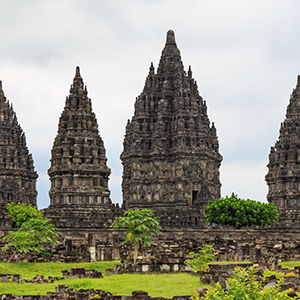
Read on for a few tips from our friends in Indonesia, including how to avoid overcrowded beaches and how to travel safely.
Find all of our Indonesia guides in one place, including guides to Bali, Borneo, Raja Ampat and orangutan watching.