Top 10 wetlands to visit on holiday

Fen of the best: our run down of the best wetland areas to visit on holiday.

Bog, fen, marsh, swamp – with their soupy names, it can be hard to see the immediate appeal of wetlands compared to, say, dappled woodlands, or rolling hills. Our ancestors typically steered clear, or drained them to make productive land for farming. Today, we are losing our wetlands three times faster than our forests at a time when we need them more than ever as flood protection, carbon sinks and biodiversity havens.

Left alone, wetlands thrive: reeds bristle with life, the dawn chorus is deafening, and pools sustain swimming tigers, bathing elephants, and grazing hippos. These margin lands are the last place where nature makes its home. Our abundant wetlands show us what the world could be like if it were rewilded, and for that, we love them.

Discover the top 10 wetlands you can visit on our holidays below.

1. The Pantanal, Brazil: jaguar spectacular

In Brazil’s vast, waterlogged Pantanal wetlands, capybaras lie down with cattle, and ranchers let sleeping jaguars lie, knowing they attract valuable ecotourism. This is one of the world’s largest freshwater ecosystems, an extraordinary area of seasonally flooded grassland half the size of France. Stay on a plantation with purpose here. Some of the traditional fazendas keep their eyes on their resident giants: anteaters, otters and jaguars, and help with their conservation; your sightings can help too.

Best time to go: Dry season (June to October) is best for wildlife watching – and the land is easier to access
Our top trip: Brazil wildlife holiday
See all our trips: Pantanal tours
Read more: Our Pantanal travel guide

2. Okavango Delta, Botswana: lions from the waterline

From the air, it looks like a shining broom sweeping into the dusty east. Just two percent of the water in Botswana’s famous Okavango Delta exits this waterway – the rest is sucked up by the surrounding plants; beyond it lies the dry Kalahari. This miraculous oasis attracts 122 mammal species, including some of Africa’s largest herds of elephants. Travel here is a big adventure – you’ll camp on islands in tents, going by progressively smaller boats – down to little traditional mokoro canoes, getting closer and closer to wildlife as you go.

Best time to go: Dry season (May to August) means less chance of rain, but there’s wildlife-attracting water in the delta
Our top trip: Okavango Delta adventure holiday
See all our trips: Okavango Delta holidays
Read more: Our Okavango Delta travel guide

3. Sundarbans, Bangladesh: submerged tigers

We’re going to need a smaller boat. Going through the tight channels between mangroves of the Sundarbans in the Ganges Delta in Bangladesh and India, you can watch chital coming down for their morning drink and potentially spot a swimming tiger. It’s thought there are around 500 tigers here, but the impenetrable forest – the largest mangrove forest in the world – doesn’t make them easy to spot, or count. They’re most active at night. Spotlighting tours, when permitted, might reveal their shining eyes watching you from closer quarters than you expected.

Best time to go: Dry season, November to March. We have group tours running in November and March
Our top trip: Bangladesh tiger safari
See all our trips: Bangladesh holidays
Read more: Our Bangladesh travel guide

4. The Mesopotamia Marshes, Iraq: an epic survival story

When Saddam Hussein’s regime ended in 2003, brave environmentalists in southern Iraq took to the high dykes that were blocking water from the Mesopotamia Marshes and knocked them down. With the water, life came flooding back for the Mash Arabs, or Ma’dan, the Indigenous people who had been punished by the regime by having their home territories drained and destroyed. This fragile way of life – buffalo farming and fishing – is still under threat from dams and climate change. Head to an island in narrow canoes called mashufs, to be hosted in houses entirely built from reeds and bulrushes.

Best time to go: October or March
Our top trip: Iraq history tour, Mesopotamia explorer
See all our trips: Iraq holidays
Read more: Our Iraq travel guide

5. Kakadu National Park, Australia: a landscape of two halves

Beware the billabongs: Kakadu’s crocodiles are so well camouflaged that they can hide in mere inches of water. There are thought to be 10,000 crocs in the Northern Territory national park, and tourists are told to stay in the car in certain places in rainy season. UNESCO-listed Kakadu, Australia’s largest national park, doesn’t just stop at crocs. This haven is a place of two halves and high contrast, for above the Ramsar-listed wetlands rises a huge escarpment – climb to reveal the dramatic plateau of Arnhem Land, a predominantly Indigenous area with 50,000-year-old rock art.

Best time to go: The park is its greenest in March and April, after the rains
Our top trip: Kakadu and Arnhem Land tour
See all our trips: Northern Territory tours
Read more: Our guide to Kakadu National Park

6. Danube Delta, Romania: a pelican dream

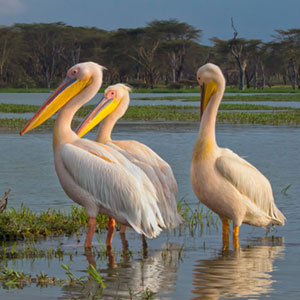
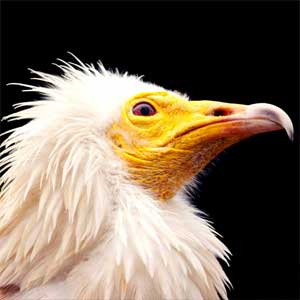
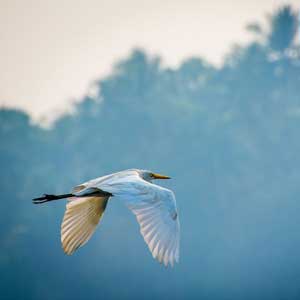
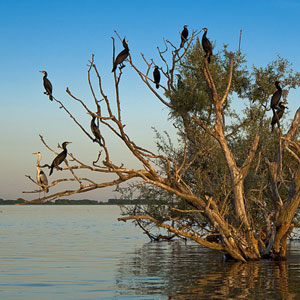
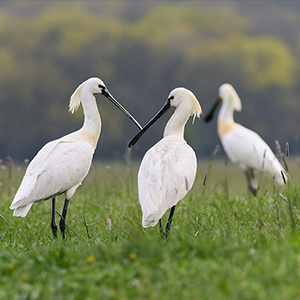
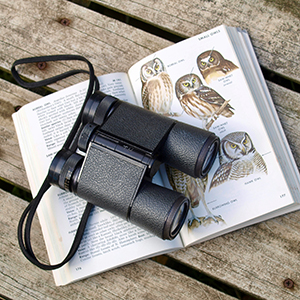
Looking for some great reads to pack on your next summer holiday? What about some great reeds instead? The Danube Delta is the second largest in Europe after the Volga Delta in Russia and it’s particularly important for birds thanks to its massive reedbed – this bristling, rustling haven is the biggest on the continent, a grassy sea capable of supporting 300 species of bird, including migrating species stopping to rest and feed. Swap paperbacks for papyrus and grab those binoculars: our holidays to the delta stay in local accommodation where you can sample Romanian food and wine before delving between the reedbeds by boat to see what you can spot.

Best time to go: April to September
Our top trip: Danube Delta birdwatching tour
See all our trips: Romania holidays
Read more: Our Romania travel guide

7. Kerala Backwaters, India: life on the lagoon

Welcome to water world: Kerala’s unique backwaters are a maze of canals, rivers and lagoons running alongside its Arabian Sea coastline. They’re a major tourist draw, and it’s fascinating to see life lived in the margins around successive bodies of water. Boats carry coconuts across canal-crossed Alleppey, farmers grow rice below sea level, children get to class by canoe, toddy tappers climb coconut trees to collect the palm sap, and you can take to a kettuvallam – a converted rice barge – to explore. To get further off the beaten track, you should look for a longer cruise or consider kayaking to explore some of the less busy channels.

Best time to go: October to April, to skip the summer rains
Our top trip: Kerala tailor made holiday
See all our trips: Kerala holidays
Read more: Our guide to Kerala Backwater cruises

8. Ibera Wetlands, Argentina: a conservation triumph

Ibera is not yet Argentina’s answer to the Pantanal, but watch this space, one day it might be. It has one of the most important jaguar populations in Argentina, living in a 13,000km2 freshwater ecosystem. Enjoy classic Argentinian pursuits like horse riding, only here you’re splashing across flooded fields, or riding horses chest deep through water lilies. Since 2007 large-scale rewilding efforts have brought in giant anteaters, pampas deer and collared peccaries, increased the population of marsh deer and, yes, reintroduced the jaguar. You can drive there between Buenos Aires and Iguazu Falls: a trip for those who like it wet and wild.

Best time to go: April to May, September to November – avoiding the heat of subtropical high summer
Our top trip: North Argentina holiday
See all our trips: Argentina holidays
Read more: Our Argentina travel guide

9. iSimangaliso Wetland Park, South Africa: Extraordinary biodiversity

There aren’t many places where you can see the world’s largest fish, the world’s biggest marine and land mammals, some of the largest sand dunes, nesting loggerhead and leatherback turtles, over 500 bird species… plus everything from dugongs to orcas in the ocean and everything from aardvarks to aardwolves, zorillas to zebras, elephants to elephant shrews on shore. South Africa’s first UNESCO site has it all – some of the highest diversity for a park of its size, thanks to a whole heap of ecosystems beyond just the wetlands in its name, including coral reefs, dune forests, estuaries, and savannah.

Best time to go: Outside the December to February visitor peak
Our top trip: KwaZulu-Natal tailor made tour
See all our trips: KwaZulu-Natal holidays
Read more: Our article on iSimangaliso Wetland Park

10. Donana National Park, Spain: a vital migration stop

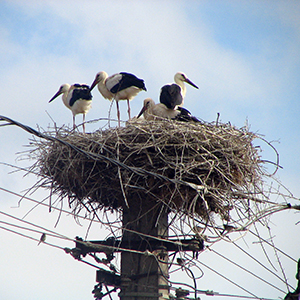
One of the prettiest service stations you’ll ever see, the Donana National Park in Andalucia, Spain is bang on the migration highway for birds passing into Europe from Africa twice a year. They stop here in their thousands, joining resident species to feed and rest. For birders, it’s an amazing site – you’re on holiday, the birds are on holiday, everyone’s happy. If you’re not a fully-fledged birdwatcher, it’s still an amazing place to visit for a day or two. This is Spain’s most famous national park.

Best time to go: April, May, September and October
Our top trip: Andalucia birding tour in Spain
See all our trips: Andalucia holidays
Read more: Our Andalucia travel guide

Honourable mentions

In a bid to raise the profile of the humble wetland, we have to give honourable mentions to a few others…

The Camargue: explore by bike in southern France for a symphony in blue, white and pink: wild white ponies, rosy flamingos and pale, salty waters where wild rice grows. The Florida Everglades, the United States’ largest subtropical wilderness, where you can even explore by wading tour (also known as a slough slog) – watch out for crocodiles and alligators, though. The Mekong Delta, where the floodplain supports 60 million people, and travellers can explore on river cruises. Bhutan’s Phobjikha Valley, where a marshland hosts endangered black-necked cranes in winter – and you can visit for the dedicated crane festival. Bangweulu Wetlands in northeast Zambia: considered some of the most important in the world, and an important refuge for the vulnerable shoebill stork.
Written by Eloise Barker
Photo credits: [Page banner: © Sam Knight] [1. The Pantanal, Brazil: Getty Images / Unsplash+] [4. The Mesopotamia Marshes, Iraq: Hassan] [7. Kerala Backwaters, India: Rajesh Balasubramanian] [10. Donana National Park, Spain: T meltzer]