Overtourism in Japan
Omotenashi is a Japanese expression of deeply held traditions in hospitality, traditions with their roots in the ancient art of the tea ceremony. The central tenets of omotenashi include making one’s guests feel welcome and anticipating their needs, rather than expecting them to comport themselves in a certain way.
When I spent a month travelling around Japan with my family, we were met with omotenashi at every turn. In Tokyo we booked a sushi-making lesson with a young amateur chef, he insisted on collecting us from the subway station and welcomed us into his own apartment. In Osaka we were overwhelmed by the generosity of our host, who had provided a whole table groaning under the weight of gifts and snacks. And in the countryside near Magome, our host would kindly drop us off at local restaurants every evening, but not before translating the menus and then ordering for us.
But, with growth in visitor numbers now rocketing along like a bullet train at full pelt, many Japanese people are starting to feel that the brakes need to be put on, and their generous hospitality needs to be reined in a little. Controversies over badly behaved tourists accosting geishas and maikos (apprentice geishas) in the streets of Kyoto, irate Tokyo shopkeepers putting up ‘Japanese language only’ signs, and crowds of inconsiderate photographers making life a misery around Mount Fuji have given rise to the term kanko kogai – tourism pollution. At Responsible Travel, we call it overtourism, and below we explore the causes and effects of the problem in Japan, as well as some of the solutions being suggested.
When I spent a month travelling around Japan with my family, we were met with omotenashi at every turn. In Tokyo we booked a sushi-making lesson with a young amateur chef, he insisted on collecting us from the subway station and welcomed us into his own apartment. In Osaka we were overwhelmed by the generosity of our host, who had provided a whole table groaning under the weight of gifts and snacks. And in the countryside near Magome, our host would kindly drop us off at local restaurants every evening, but not before translating the menus and then ordering for us.
But, with growth in visitor numbers now rocketing along like a bullet train at full pelt, many Japanese people are starting to feel that the brakes need to be put on, and their generous hospitality needs to be reined in a little. Controversies over badly behaved tourists accosting geishas and maikos (apprentice geishas) in the streets of Kyoto, irate Tokyo shopkeepers putting up ‘Japanese language only’ signs, and crowds of inconsiderate photographers making life a misery around Mount Fuji have given rise to the term kanko kogai – tourism pollution. At Responsible Travel, we call it overtourism, and below we explore the causes and effects of the problem in Japan, as well as some of the solutions being suggested.

Effects of overtourism in Japan
Breaches of etiquette
Modern Japanese society still puts great emphasis on ancient forms of etiquette, but unfortunately not all tourists are aware that they may be breaching these unwritten rules. One particularly notable example is in Gion, Kyoto’s geisha district. Geishas and maikos (apprentice geishas) are highly skilled hostesses in great demand at traditional teahouses, where they serve drinks, lead conversations, and provide entertainment such as music and dancing. They can often be seen walking through Gion’s narrow alleyways on their way to engagements, wearing beautiful kimonos. Given their iconic place in Japanese culture it’s understandable that many people want to take photos of geishas. But there have been incidents of tourists trying to get them to stop for a photo by shouting for their attention, blocking their path and even touching them. It is illegal to photograph or film someone in Gion without their permission.Overcrowding
City dwellers often complain that they struggle to commute, shop or otherwise get around on public buses, due to the number of tourists on board with large suitcases. To help cope with this issue, Kyoto has launched an express bus service connecting the train station with key tourist destinations.In Kamakura, guards have been stationed at a railway crossing to prevent tourists from getting too close to the tracks for photos at the location of a popular anime. And local authorities have proposed drastically raising the entrance fees for tourists to the spectacular Himeji Castle, which is one of Japan’s most-visited historic sites.
Mount Fuji misery
Almost 4,000m high, the volcano Mount Fuji is one of three sacred mountains in Japan, and images of its snowcapped slopes are everywhere. Even so, there’s no beating the real thing, and the authorities in the nearby town of Fujikawaguchiko were forced to put up a barrier restricting views of the mountain, because of the number of people blocking roads and trespassing on private property to get a photo at the perfect angle. Just days later, several smartphone-sized holes were arrogantly cut into the screen by determined photographers.And it’s not just at the base where Mount Fuji suffers from overcrowding. There are four trails to the summit and they can get very busy – crowding has also been blamed for an increase in littering. Many hikers set off unprepared too, putting them in greater danger of altitude sickness and injury. As a result, authorities have introduced trail fees – a third of which go to conservation initiatives – and limited the numbers of trekkers. Trails are also closed after 4pm except for people staying in mountain huts. This reduces ‘bullet trekking’, where people walk up at night to catch sunrise from the summit, which carries increased risk of falls and injury.
Trash talking
There are very few public litter bins in Japan, for various reasons including a cultural aversion to littering, and security. Most people will take their litter with them to dispose of at home. For foreign tourists, though, this can be disconcerting, and unfortunately not everyone takes such a conscientious approach to carrying around their rubbish with them. As tourism has grown in Japan, so has the problem of littering, and one of the saddest results of this is that some of the sacred deer in Nara Park have died due to ingesting plastic waste left by inconsiderate visitors.What causes overtourism in Japan?
“The issue is not so much with too many people going to Japan, but with too many people going to the same places while they’re there”, explains James Mundy from our partner InsideJapan. “That and a lack of cultural understanding, which in a country so entrenched in traditional culture disrupts everyday life for local people and risks rubbing them up the wrong way.”
Tourists come for the beauty of the March-to-April cherry blossom season; the cuisine; the futuristic backdrops of Tokyo; the ancient customs like tea ceremonies, geisha dances and ornamental gardening; and the handsome old ryokan inns with their private bathing pools – which all make for iconic images that are also eminently shareable on social media. And they get around using the shinkansen bullet train network that conveniently links all the main destinations including Tokyo, Kyoto and Osaka.
“Independent travellers often plan their trips with the help of social media and internet suggestions, meaning most people go to the same places,” says James. “They also don’t always have the insight to help them navigate cultural faux pas that may occur across the country – taking shoes off at the genkan (entrance) or tying a yukata (bathrobe) belt in a way that is not going to cause offence. Of course, some mistakes are inevitable and usually accepted by Japanese people, but basics such as respecting those around you such as by not talking loudly on public transport, or asking permission to take a photo, are appreciated and expected by many.”
But despite many areas of the country clearly suffering from overtourism, the Japanese government has announced plans to double tourist numbers. Japan’s tourism chief has clarified that the intention is to spread tourism to lesser-known areas of the country, but it’s obvious that hotspots like Kyoto, Osaka and Tokyo would see a substantial increase too – they are all served by international airports so they act as entry points.
Tourists come for the beauty of the March-to-April cherry blossom season; the cuisine; the futuristic backdrops of Tokyo; the ancient customs like tea ceremonies, geisha dances and ornamental gardening; and the handsome old ryokan inns with their private bathing pools – which all make for iconic images that are also eminently shareable on social media. And they get around using the shinkansen bullet train network that conveniently links all the main destinations including Tokyo, Kyoto and Osaka.
“Independent travellers often plan their trips with the help of social media and internet suggestions, meaning most people go to the same places,” says James. “They also don’t always have the insight to help them navigate cultural faux pas that may occur across the country – taking shoes off at the genkan (entrance) or tying a yukata (bathrobe) belt in a way that is not going to cause offence. Of course, some mistakes are inevitable and usually accepted by Japanese people, but basics such as respecting those around you such as by not talking loudly on public transport, or asking permission to take a photo, are appreciated and expected by many.”
But despite many areas of the country clearly suffering from overtourism, the Japanese government has announced plans to double tourist numbers. Japan’s tourism chief has clarified that the intention is to spread tourism to lesser-known areas of the country, but it’s obvious that hotspots like Kyoto, Osaka and Tokyo would see a substantial increase too – they are all served by international airports so they act as entry points.
Solutions to overtourism in Japan
Information campaigns
Kyoto has developed a code of conduct for visitors that aims to boost cross-cultural understanding, reduce waste, and encourage good manners. Public drinking has been banned in parts of Tokyo, and signage introduced to inform tourists of likely cultural differences.In the same vein, on our holidays to Japan you’ll be provided before departure with a detailed information pack that outlines some useful Dos and Don’ts, with tips on language, dress and etiquette.
Working with communities
Tension is often caused when communities feel their concerns about the impact of tourism are being ignored or overridden. When local authorities prize growth in visitor numbers and business taxes over the welfare of residents it can lead to resentment. Instead, authorities should work with local people, giving them a voice and making them active partners in how tourism is developed in the places where they live and work.Managing numbers
Japan is employing various tactics to better manage visitor numbers across popular destinations. As mentioned above, limits have been placed on the number of trekkers on Mount Fuji’s trails, while at the multi-tiered Himeji Castle it has been proposed to quadruple the entrance fees for overseas visitors. If successful that could have the twin effect of curbing demand, and providing useful funds for the maintenance of this magnificent UNESCO World Heritage Site.New destinations & experiences
Compared with some hotspots around the world, Japan doesn’t actually get all that many tourists. The issue is that they mostly head to the same few locations including Tokyo and Kyoto. The Japan Tourist Agency has identified 11 ‘model tourism destinations’ around the country that it wants to promote, including the Shiretoko Peninsula in eastern Hokkaido; Mount Hachimantai, and the Hokuriku region, which is famed for its samurai heritage. Doing so would relieve strain on places like Kyoto and Mount Fuji while also bringing greater awareness of places that could do with more tourism.“There are a few more places that are growing in popularity too such as Takayama and the island of Miyajima, but it is often about ‘doing it’ differently to others,” says James Mundy. “For example, Miyajima gets crowded with day trippers but stay overnight at a traditional ryokan (inn) and you can see the island at its quietest and there’s more money going back into the local economy. And we often encourage people to stay in a nearby town to Takayama. We work with an organisation there that provides local guides and helps visitors embrace the rich culture of the town, which has the same Edo-era wooden buildings but is empty of tourists compared to Takayama.”
Many tourists are first-time visitors to Japan, and naturally cluster in cities like Tokyo and Kyoto as their attractions are well-known. Our Japan holidays often branch out further to places, and experiences, that are less familiar. These trips might take you to the Tohoku region, north of Tokyo, where your visit supports areas that were devastated by an earthquake and tsunami, and Sado Island, known for its taiko drumming. Others venture to Kanazawa, with a geisha culture to rival that of Kyoto, and the Toyama prefecture, where you can stay for a few nights in a historic farmhouse amid the rice paddies, learning about rural life.
“We have made a conscious effort to work with locally owned accommodation across Japan and places that are quite different,” says James. On spreading tourism beyond the famous destinations, he adds: “It’s a tricky issue and far be it for us to tell the government how to do its job, but we work and consult with local communities such as in the Tango peninsula, the town of Joge and in the northern region of Tohoku to engage with residents and craftspeople so they can show off their wares. It means travellers get ‘beneath the surface’ of the local culture while also helping to preserve it.”
A stay in a farmhouse, converted machiya (townhouse) or traditional ryokan offers a uniquely Japanese experience and although there are no big ‘box ticker’ sights as such, engaging with the local culture and people is often the highlight of a holiday.
Smarter itineraries
Naturally, if you visit Japan, you will want to spend at least some time in at least one of Tokyo, Kyoto and Osaka. Despite the obvious issues with overtourism, they are still thrilling places to explore. But canny tour operators such as our partners know how to provide a more enjoyable experience where you’re not stuck in a queue the whole time.“As Japan travel specialists, we know that there are better times to visit certain places, lesser-visited temples, or quieter districts that offer something special,” says James. “There are lots of shrines and temples with nice gardens and impressive architecture all over Kyoto and only a few get busy. And there are certainly better places to admire Mount Fuji from, like Lake Kawaguchi, with accommodation designed to get the best views of the sacred mountain and not have the crowds.”
As for the geisha experience in Gion, James points out that rather than thronging the streets at dusk for a chance photo, you’re better off joining a small group for a private tea ceremony or evening drinks with a geisha or maiko in attendance. “The memory of this can last a lifetime. It presents the opportunity to be on the inside, not on the outside looking in. Geishas are not objects to be fetishised, but individuals with a story. A less expensive option in spring and autumn is to plan your visit to coincide with the geisha dances. This is a spectacular performance with scores of maiko taking part. It is a longstanding part of the Kyoto calendar and to join is to participate in a little slice of Kyoto geisha life.”
Contact Us

Call us for a chat about our holidays. We are happy to discuss your holiday and help in any way we can. No bots, queues or awful hold music.

01273 823 700
Call us after 10am
Calling from outside the UK


Finding balance
As the restoration of Kyoto’s geisha industry shows, tourism can help traditional forms of culture survive and thrive. But it can be a double-edged sword. Taking Kyoto as an example again, the population is just 1.5 million, and in 2023 the city saw 32 million visitors. For local residents, the impact of all these tourists on their daily lives – journeys to work and school, prayers at shrines and temples, shopping in the city centre – must be profound.
Wa is one of the fundamental concepts of Japanese society, roughly translated as group harmony. But Japan’s famous social cohesion is being worn away by overtourism, with businesses in the tourism industry obviously benefiting financially from increasing numbers of visitors, while many local people suffer from effects such as crowding, litter and insensitive behaviour.
Another useful expression is nagomi which is harder to define than wa but relates to the sense of peace and comfort one enjoys when one’s environment is balanced, agreeable and stable. Like a boat floating gently in a still sea rather than bobbing frantically in the waves. Japanese society strongly emphasises courtesy and respect. For tourism to find a more sustainable footing in Japan, a balance must be sought between the wants of tourists and the industry, and the needs of the people whose home tourism operates in. More responsible forms of travel are a big step in the right direction.
Wa is one of the fundamental concepts of Japanese society, roughly translated as group harmony. But Japan’s famous social cohesion is being worn away by overtourism, with businesses in the tourism industry obviously benefiting financially from increasing numbers of visitors, while many local people suffer from effects such as crowding, litter and insensitive behaviour.
Another useful expression is nagomi which is harder to define than wa but relates to the sense of peace and comfort one enjoys when one’s environment is balanced, agreeable and stable. Like a boat floating gently in a still sea rather than bobbing frantically in the waves. Japanese society strongly emphasises courtesy and respect. For tourism to find a more sustainable footing in Japan, a balance must be sought between the wants of tourists and the industry, and the needs of the people whose home tourism operates in. More responsible forms of travel are a big step in the right direction.
More Japan articles
Visit in spring for pink cherry blossom and then try Japan in autumn for beautiful reddening autumn leaves.
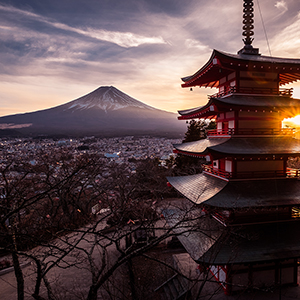
From bullet trains to bubbling hot springs, we show you why Japan is such an interesting and unique country to visit.
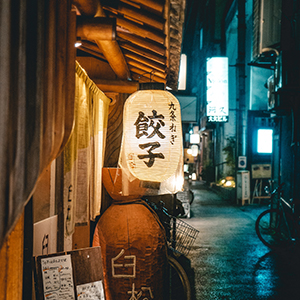
Japan is spread over four islands, including Honsho, and thousands of smaller ones, and it's one amazing archipelago.
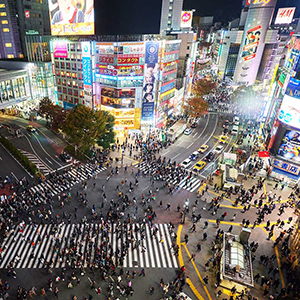
All of Japan's cities offer a different style and vibe, from glittering Tokyo to historic Kyoto and foodie Osaka.
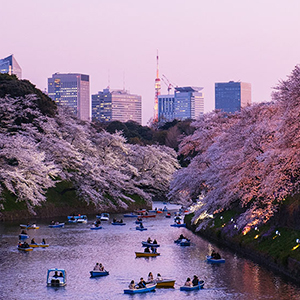
Learn when to see Japan's cherry blossom, and where the awesome arrays occur.
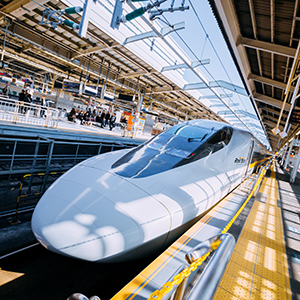
Japan's Shinkansen trains provide peace, safety and comfort for passengers.
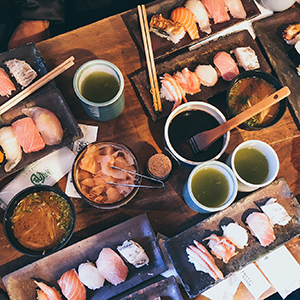
Japanese food and drink is delicious, healthy, seasonal, and often locally sourced. What's more, it tastes incredible.
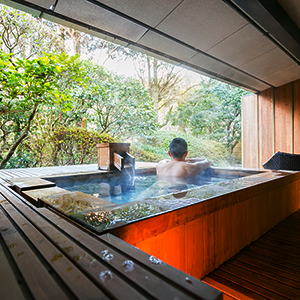
Follow the lead of the macaques in Jidokudani Monkey Park and visit a Japanese onsen, where nothing unites like a good soak.
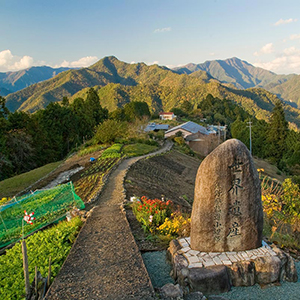
Walking offers an unsurpassed way to explore Japan's enthralling culture and spirituality beyond the tourist trail.
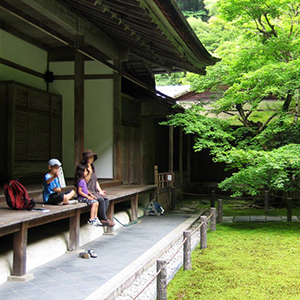
Japan brings out the kid in everyone, whether through its much-loved animation studios, or its exciting bullet trains.
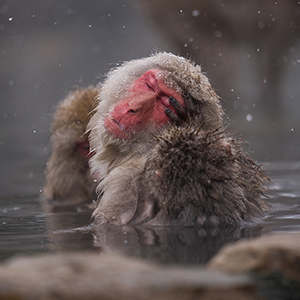
Learn where you can see Japanese macaques, as well as when to see snow monkeys.
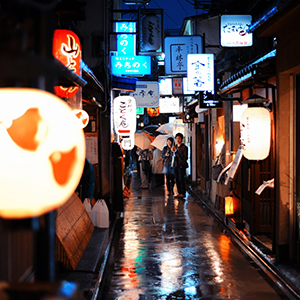
All of Japan’s cities are fascinating, but Kyoto and Nara are truly special.
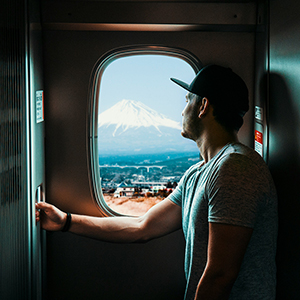
Top tips for relaxing and enjoying Japan without feeling like you’re breaking invisible etiquette rules
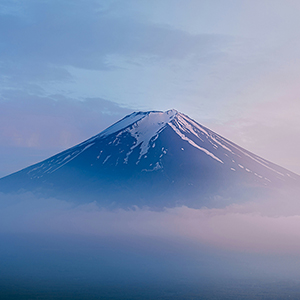
One of Japan’s most iconic sights is also among its most culturally significant landmarks.
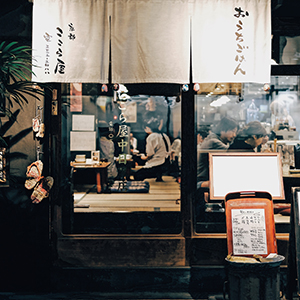
Much of our travel advice revolves around the traditions and etiquette that exist in Japan, and are worth knowing.
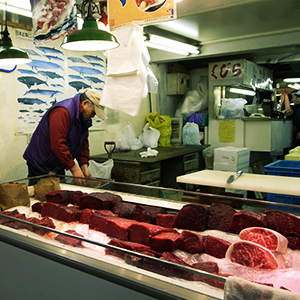
One aspect of responsible tourism in Japan cannot be ignored - the whale.
Exploring with a local leads you to really unique locations and special activities, as our own traveller Tim reports.