Tips for the first time traveller to Japan
The first tip for your first trip to Japan is: relax. Things tend to go smoothly when you travel here. This is a country with an in-built order and harmony that extends beyond just its reliable rail network and low crime figures. It’s a place where you can find pockets of peace prevalent in even the most populated city on the planet: an evening in an onsen, or a picnic under a cherry blossom.
More tourists are visiting Japan than ever before. If you’re one of them, we’ve assembled advice on what to expect, and what to plan for before you go. A local guide can be invaluable for passing on advice to make sure you’re not breaking invisible etiquette rules, or getting on the wrong train. If you’re on a self-guided trip, you might need a little more help – which is where our expert advice comes in.
Read on for our tips for first time travellers to Japan.
More tourists are visiting Japan than ever before. If you’re one of them, we’ve assembled advice on what to expect, and what to plan for before you go. A local guide can be invaluable for passing on advice to make sure you’re not breaking invisible etiquette rules, or getting on the wrong train. If you’re on a self-guided trip, you might need a little more help – which is where our expert advice comes in.
Read on for our tips for first time travellers to Japan.

Getting around

The quality of affordable hostels and food is excellent, and the public transport is the best way of getting around the country no matter how big your budget is.![]()

– Georgie Collcutt from our partner Oyster Worldwide
Take the train
The train network is so good here that very few visitors drive. Japanese trains are also the most punctual in the world. Many stations have names written in the Roman alphabet as well as Kanji, so you can decipher where you are. However, some stations are enormous and busy and take time to navigate – your first time directing yourself to the right line and platform might take longer than you think, so factor that in – and expect to have a high step count at the end of a day travelling.“Rush hour can be very intense, as can certain times of year,” says our Japan expert at Intrepid Travel, Karen Zhao. “Expect to see huge crowds in major train stations such as Kyoto and Tokyo, especially in high season, such as cherry blossom season. You need to be relaxed about queues and delays in the cities.”
Enjoy seasonal dressing
June is the ‘month of water’, summer can be very, very humid, and typhoons are most common in September, but rain can happen at any time of year in Japan’s temperate climate. When it rains, umbrellas appear from nowhere, and everyone has the same transparent type – your hotel will usually lend you your own to join the fleet. Whilst umbrellas are common, sunglasses aren’t – they’re not usually worn by local people, but don’t let that stop you.Whilst short skirts are common, generally Japanese fashion covers the shoulders and chest – so you might want to consider keeping these areas covered, especially at temples. In the onsen, expect nudity.
Getting by
Carry cash – and look into apps
Cash is more likely to be required in Japan than it is in other destinations, but this is changing and paying by card becoming more accepted. When you pay, don’t tip – it’s not seen as polite.
Sometimes apps and passes are better than cash: the Suica App allows you to pay for trains, buses and more, making it easy to get around using just one application.
The Japan Rail Pass is famous among international travellers, and allows travel on Shinkansen and limited express trains over seven, 14 or 21 days. Depending on your plans, it might not be the best value for money. Don’t be surprised if you’re offered a different kind of ticket when you book some of our rail holidays.
Sometimes apps and passes are better than cash: the Suica App allows you to pay for trains, buses and more, making it easy to get around using just one application.
The Japan Rail Pass is famous among international travellers, and allows travel on Shinkansen and limited express trains over seven, 14 or 21 days. Depending on your plans, it might not be the best value for money. Don’t be surprised if you’re offered a different kind of ticket when you book some of our rail holidays.
Don’t worry about getting online
Wi-Fi is common in major cities in spots like department stores, transport hubs and hotels, but you won’t want to rely on it on your trip. To get data without paying a fortune buy a local SIM card at the airport or organise an international roaming plan with your provider before you go. An eSim is software you can install before travelling that has the same functionality as buying a local SIM card and you can purchase it before travel.
To nail cultural etiquette – try copying others
Get the metro in Tokyo and you’ll notice the carriage is quiet, and most people are looking at their phones. No one is eating either – in fact, no one eats in public, on the street, especially not whilst walking – though you might see people having a park picnic, or a bento box on a long train journey.
You might also notice: bowing by service staff – and how objects are given and received with both hands. In shops, you’ll notice that it’s better to put money in a tray at the counter, rather than in someone’s hand. Also note: noodles get slurped, shoes come off, and you might be required to wear different slippers for the interior and for the bathroom in a traditional ryokan.
Do your best with rules of etiquette, but don’t beat yourself up if you make a faux pas. It’s unlikely that you will be corrected – in fact, you’re more likely to be corrected by another tourist than a local person.
You might also notice: bowing by service staff – and how objects are given and received with both hands. In shops, you’ll notice that it’s better to put money in a tray at the counter, rather than in someone’s hand. Also note: noodles get slurped, shoes come off, and you might be required to wear different slippers for the interior and for the bathroom in a traditional ryokan.
Do your best with rules of etiquette, but don’t beat yourself up if you make a faux pas. It’s unlikely that you will be corrected – in fact, you’re more likely to be corrected by another tourist than a local person.
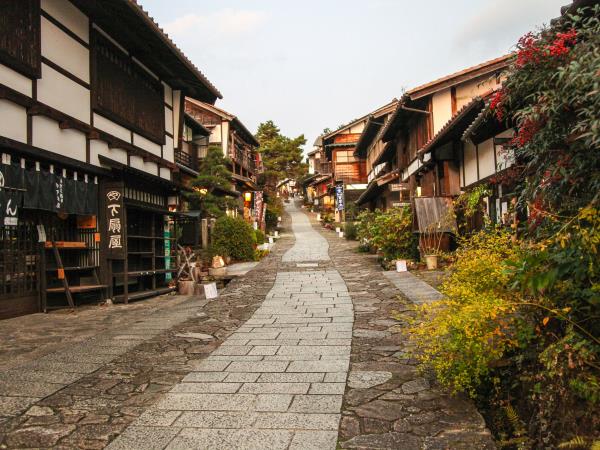
Japan self guided walking holiday, Nakasendo Trail
Self-guided walking along Japan’s ancient Nakasendo trail
From
£915 to £1315
5 days
ex flights
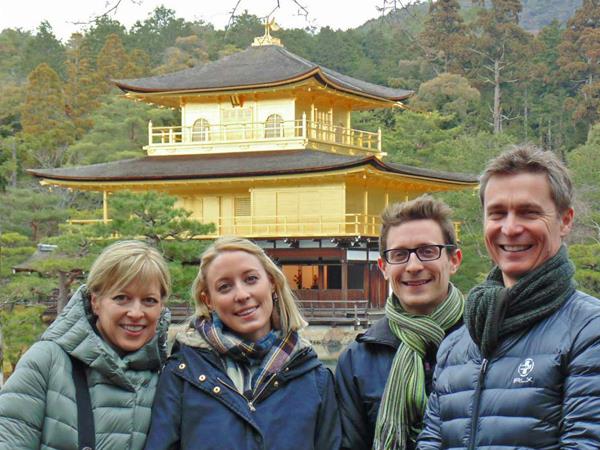
Japan golden route holiday
9-night classic Japan trip: Tokyo, Fuji, Kyoto
From
£2200
10 days
ex flights
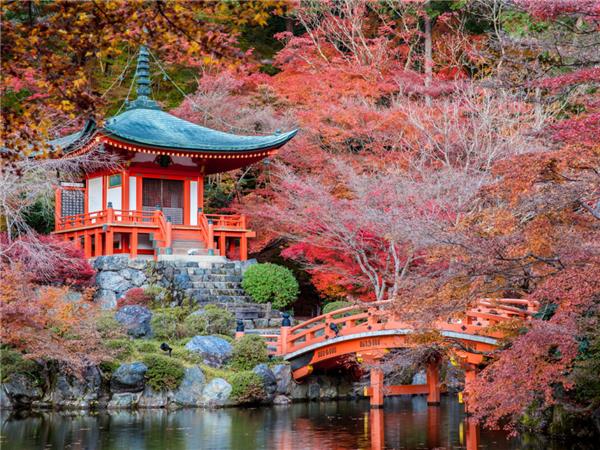
Japan holiday, ancient and modern
Explore the attractions of this vibrant nation
From
£5507 to £6143
14 days
ex flights
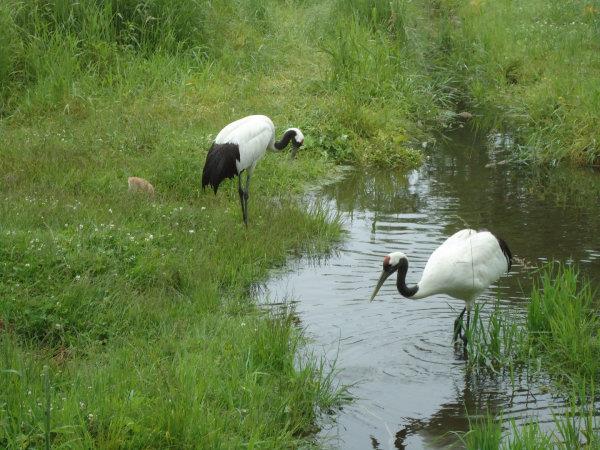
Hokkaido tour in Japan
Discover Japan's Northern Most Island and natural beauty
From
US $5000 to US $9500
11 days
ex flights
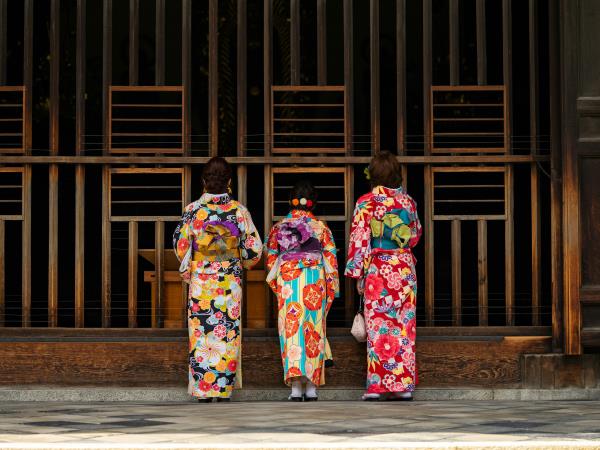
Japan classic tour by rail
A visually striking railway journey through Japan
From
£6895
14 days
inc UK flights
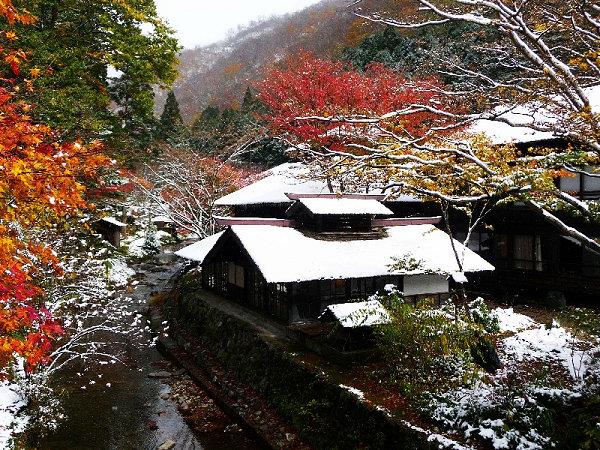
North Central Japan tour
Off the Beaten Path in Northern Honshu, Japan
From
US $5500 to US $10500
13 days
ex flights


Contact Us

Call us for a chat about our holidays. We are happy to discuss your holiday and help in any way we can. No bots, queues or awful hold music.

01273 823 700
Call us Monday after 9am
Calling from outside the UK


Getting to know others
A Japanese lady tried to show us how to navigate the three pools at our onsen... she had no English and we had no Japanese (and we all had no clothes) so lots of laughter ensued.![]()
– traveller Susan Zerwick on our Japan small group holiday
Don’t expect English
Speaking a little Japanese might be easier than you think – the vowel sounds and pronunciation can be easy for English speakers, there are no tones to learn and there are a few English loan words. A few key phrases will make a big difference and will be widely appreciated as it’s accepted in Japan that the language is hard for others to learn. The written language is difficult; here Google Lens and translation apps can be your friend.
Have faith that people will try and understand you and help if they can – there is a lot of consideration for others. The idea of saving face is important, so people may be shy about speaking English ‘wrong’ and may not try and converse. This reticence might fall away after a few drinks in a bar.
Have faith that people will try and understand you and help if they can – there is a lot of consideration for others. The idea of saving face is important, so people may be shy about speaking English ‘wrong’ and may not try and converse. This reticence might fall away after a few drinks in a bar.
Expect experienced guides
“In Japan our tour leaders tend to be of a higher average age; they’re often around retirement age,” says Karen. “Japan’s ageing population is a major issue, but it works well because being a tour leader can be quite an unstable job. It suits people who have finished official work, who can speak English, and don’t need that structured work week.” It means you can expect guides with a wealth of experience, and plenty of stories to tell about their changing country.
Contribute to a clean and safe country
In some Japanese schools, it’s the children that clean the buildings, not janitors, and it’s citizens that keep their streets clean – staff at businesses and offices will litter pick outside their office, and people often keep their neighbourhoods tidy.
Travellers might note the lack of litter bins – people usually take their rubbish home with them (you may wish to carry a little bag to collect yours). “There are few rubbish bins, it’s rare to see them especially in the countryside,” says Karen. “Travellers need to get used to planning what they take with them every day to avoid carrying around lots of empty packaging. That said, Japan is very good at recycling.”
Travellers might note the lack of litter bins – people usually take their rubbish home with them (you may wish to carry a little bag to collect yours). “There are few rubbish bins, it’s rare to see them especially in the countryside,” says Karen. “Travellers need to get used to planning what they take with them every day to avoid carrying around lots of empty packaging. That said, Japan is very good at recycling.”
Japanese toilets even in the forests are unbelievably good!![]()
– traveller Kim Sharples on our Japan self guided walking holiday
Hygiene is important – hence the monumental amount of plastic packaging you find in Japan’s ubiquitous Seven-Eleven convenience stores, and which it can be hard to reject without good language skills. Surgical masks are common out in public, and on public transport.
Most people report feeling very safe in Japan – and this can be very relaxing, if you’re used to keeping your guard up when travelling. You’re unlikely to be overcharged or scammed. Crime is negligible here – Statistically, Japan ranks low on crime and high on public safety.
Most people report feeling very safe in Japan – and this can be very relaxing, if you’re used to keeping your guard up when travelling. You’re unlikely to be overcharged or scammed. Crime is negligible here – Statistically, Japan ranks low on crime and high on public safety.
Staying fed
Make sure you get an eSim with plenty of data because there are some really special bars and restaurants that you can get to especially in the big cities and you need to be able to find them so you don't miss out.![]()
– Roger Parkes on our Japan activity holiday
Be open-minded about food
The traditional Japanese diet is associated with longevity and is low in saturated fats and sugar. Yet it’s not just a worthy diet, but a delicious one too, and incredibly varied. You might come to Japan with a whole host of foods you want to try: okonomiyaki, souffle pancakes, sushi, ramen, mochi, wagyu… but then end up being delighted by something completely unexpected.
There are the surprising delights: buying a whole loaf of chocolate bread and then discovering it’s actually full of sweet red bean paste, or being sceptical about trying basashi (raw horse meat) and finding you love it. Then there are the more familiar foods you didn’t realise could taste so good: chestnut-flavoured soft ice, amazing coffee, sake-flavoured KitKats, fruit sandwiches, buckwheat noodles, and food from the Korean quarter. Japanese cuisine is never monotonous, enjoy the full spectrum of dishes on offer; this is one of the best places in the world to do so.
There are the surprising delights: buying a whole loaf of chocolate bread and then discovering it’s actually full of sweet red bean paste, or being sceptical about trying basashi (raw horse meat) and finding you love it. Then there are the more familiar foods you didn’t realise could taste so good: chestnut-flavoured soft ice, amazing coffee, sake-flavoured KitKats, fruit sandwiches, buckwheat noodles, and food from the Korean quarter. Japanese cuisine is never monotonous, enjoy the full spectrum of dishes on offer; this is one of the best places in the world to do so.
Drink the tap water, take your own chopsticks
“A large fascination of visitors to Japan is the omnipresent vending machine – they even have them at the top of Mount Fuji!” says Robert Moran, head of sustainability at our partner Inside Japan. “While this can be an interesting cultural quirk, it also encourages the wasteful use of lots of disposable plastic bottles – very convenient but not as sustainable as carrying your own refillable water bottle.” You might want to resist the urge to partake in the single use economy with your own chopsticks for street food and your own bottle; the tap water is safe to drink in Japan.
Lastly: be philosophical
Japan has of the most well-preserved cultures in the world and its idiosyncrasies have withstood a lot of globalisation. This means that it might take longer than you think to get around, as you’ll be stopping constantly to see how ordinary lives can be lived in a very different way from your own.
Don’t try and pack too much in and regret not spending more time soaking in onsens and ordering that second bottle of sake for the table.
You’ll be more patient if you travel with the mentality that you will come back. Instead, slow down and enjoy the ritual of it all: you’ll find small bars have spent years perfecting the craft of a single dish, or who take care making the best cup of coffee you’ve ever tasted. Japan’s a place where you can observe care being taken, and linger to appreciate it.
Don’t try and pack too much in and regret not spending more time soaking in onsens and ordering that second bottle of sake for the table.
You’ll be more patient if you travel with the mentality that you will come back. Instead, slow down and enjoy the ritual of it all: you’ll find small bars have spent years perfecting the craft of a single dish, or who take care making the best cup of coffee you’ve ever tasted. Japan’s a place where you can observe care being taken, and linger to appreciate it.
More Japan articles
Visit in spring for pink cherry blossom and then try Japan in autumn for beautiful reddening autumn leaves.
From bullet trains to bubbling hot springs, we show you why Japan is such an interesting and unique country to visit.
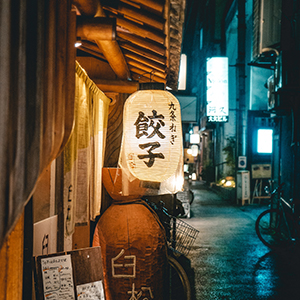
Japan is spread over four islands, including Honsho, and thousands of smaller ones, and it's one amazing archipelago.
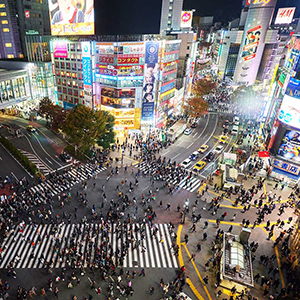
All of Japan's cities offer a different style and vibe, from glittering Tokyo to historic Kyoto and foodie Osaka.
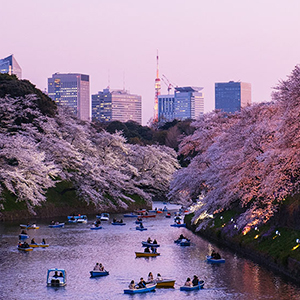
Learn when to see Japan's cherry blossom, and where the awesome arrays occur.
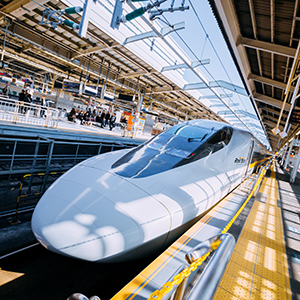
Japan's Shinkansen trains provide peace, safety and comfort for passengers.
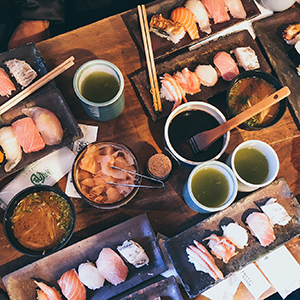
Japanese food and drink is delicious, healthy, seasonal, and often locally sourced. What's more, it tastes incredible.
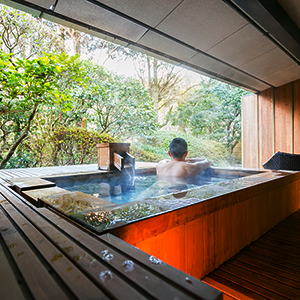
Follow the lead of the macaques in Jidokudani Monkey Park and visit a Japanese onsen, where nothing unites like a good soak.
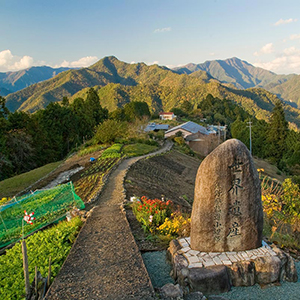
Walking offers an unsurpassed way to explore Japan's enthralling culture and spirituality beyond the tourist trail.
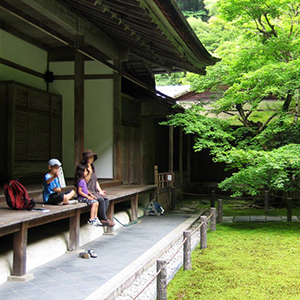
Japan brings out the kid in everyone, whether through its much-loved animation studios, or its exciting bullet trains.
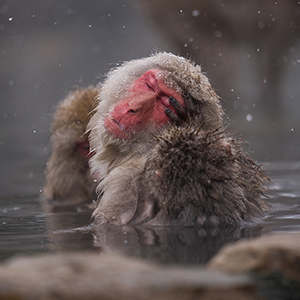
Learn where you can see Japanese macaques, as well as when to see snow monkeys.
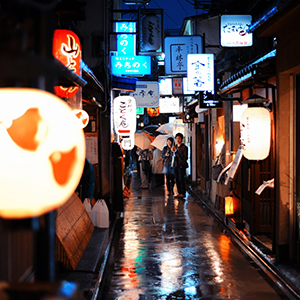
All of Japan’s cities are fascinating, but Kyoto and Nara are truly special.
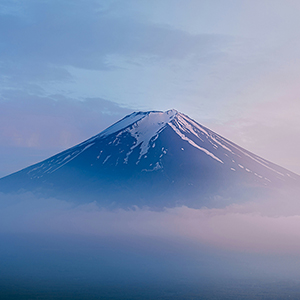
One of Japan’s most iconic sights is also among its most culturally significant landmarks.
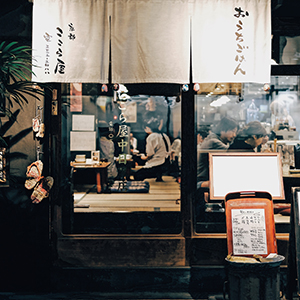
Much of our travel advice revolves around the traditions and etiquette that exist in Japan, and are worth knowing.
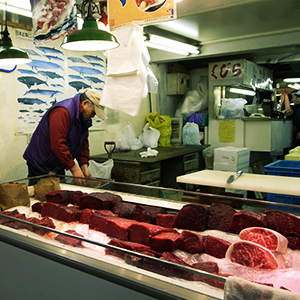
One aspect of responsible tourism in Japan cannot be ignored - the whale.
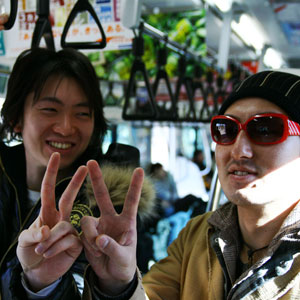
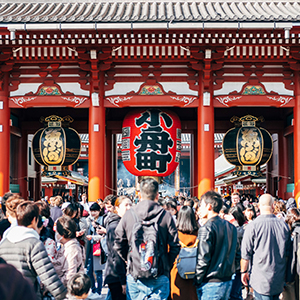
Overtourism is leading to cultural tensions in Japan, disrupting deeply rooted traditional ways of life.
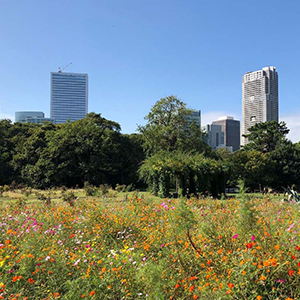
Exploring with a local leads you to really unique locations and special activities, as our own traveller Tim reports.




.jpg)