Visiting Mount Fuji in Japan

Seeing Mount Fuji for the first time gave us goosebumps.![]()

– Sophie Blow, a traveller on one of our tailor made Japan tours.
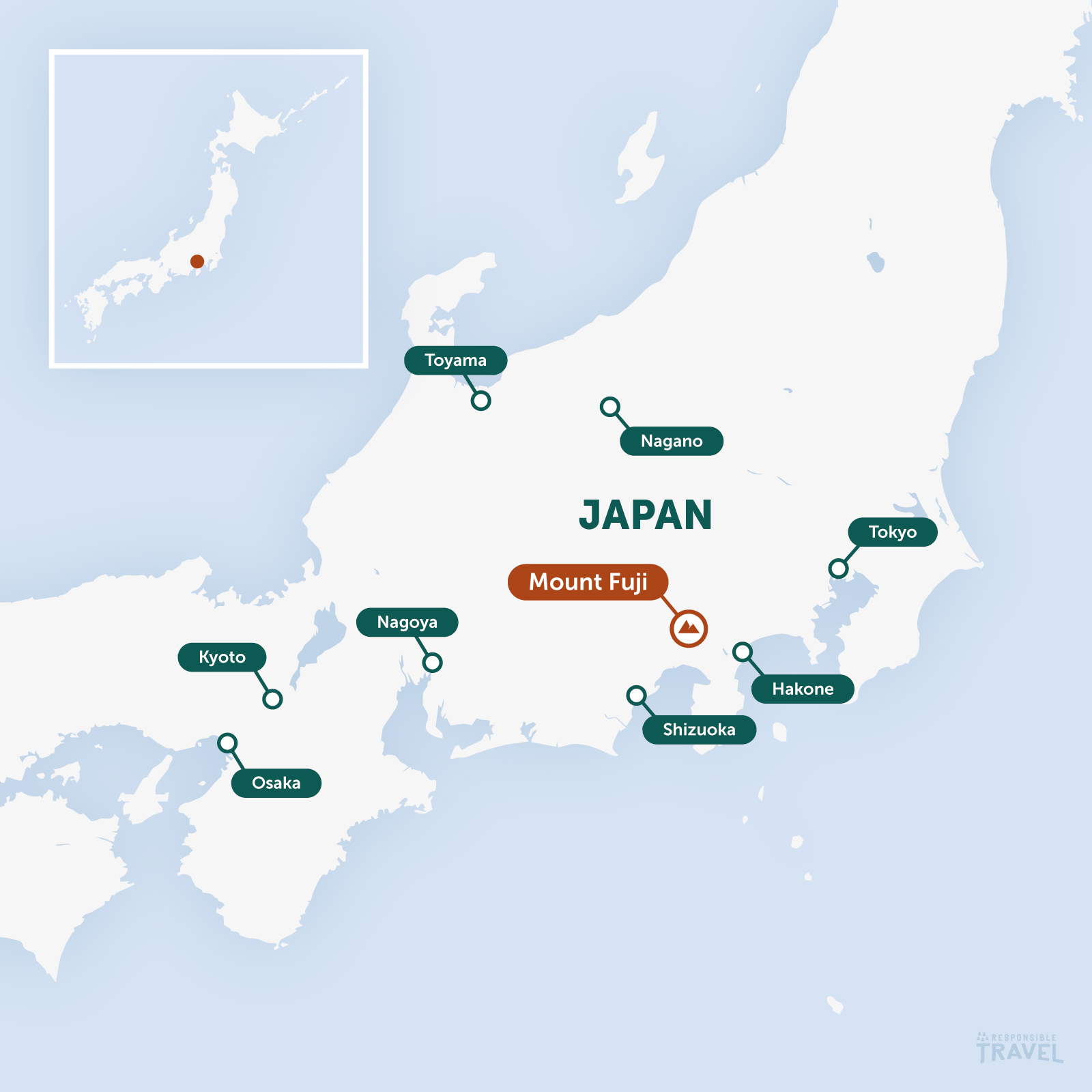
Mount Fuji is an active stratovolcano (that hasn’t erupted since the early 18th century) lying 100km south-west of Tokyo, on the island of Honshu. The mountain is one of the most recognisable and iconic sights in Japan, and it is listed as a UNESCO World Heritage Site for its immense cultural and spiritual significance. Mount Fuji’s near-symmetrical cone, blanketed with snow for much of the year, has been portrayed for centuries in artworks from painting and woodblock carving to literature and song.
At 3,776m, Mount Fuji is the highest mountain in Japan and the centrepiece of Fuji-Hakone-Izu National Park, which also encompasses the Fuji Five Lakes of Yamanaka, Kawaguchi, Motosu, Saiko and Shoji, the hot spring resort of Hakone and the Izu Peninsula as well as the volcanic islands off it.
Mount Fuji is easily accessible from Tokyo and has long been a place of pilgrimage. There are hundreds of Shinto shrines in the area dedicated to the worship of volcanoes and the deities believed to protect against eruption. In recent years concerns about overtourism at Mount Fuji have begun to grow – our holidays treat the mountain, and local communities, with respect, seeking out less-crowded viewpoints and visiting at quieter times of day wherever possible.
Learn more with our complete guide to Mount Fuji for first-time visitors.
At 3,776m, Mount Fuji is the highest mountain in Japan and the centrepiece of Fuji-Hakone-Izu National Park, which also encompasses the Fuji Five Lakes of Yamanaka, Kawaguchi, Motosu, Saiko and Shoji, the hot spring resort of Hakone and the Izu Peninsula as well as the volcanic islands off it.
Mount Fuji is easily accessible from Tokyo and has long been a place of pilgrimage. There are hundreds of Shinto shrines in the area dedicated to the worship of volcanoes and the deities believed to protect against eruption. In recent years concerns about overtourism at Mount Fuji have begun to grow – our holidays treat the mountain, and local communities, with respect, seeking out less-crowded viewpoints and visiting at quieter times of day wherever possible.
Learn more with our complete guide to Mount Fuji for first-time visitors.

How to get to Mount Fuji from Tokyo
While there are buses available, the best way to get to Mount Fuji from Tokyo is by train, with several routes and services. Many people will visit on a day trip from Tokyo, an easy journey that takes just under two hours by rail. But you can also stay overnight around Mount Fuji, allowing you to explore the wider area and enjoy the views once the day-tripper crowds have departed.You can spend a day or two around Mount Fuji as part of a classic tailor made Golden Route holiday or make it the focus of a shorter trip that also encompasses the capital. You’ll likely base yourselves around the Fuji Five Lakes region, all of which offer stunning views of the iconic peak. Come between mid-April and late May for the Shibazakura Festival, when the region around Lake Motosu is emblazoned with fields of pink moss, or take the ropeway lift up from Lake Kawaguchi to an observatory on Mount Kachi Kachi, from where you can enjoy excellent views of Mount Fuji.
“The best moment (of our trip) was the sudden unexpected view of Mount Fuji from Oshino Hakkai,” our traveller Jane Williams said of this small village set between lakes Kawaguchi and Yamanaka, which is famous for its thatched cottages and ponds fed by snowmelt from the mountain.
Can you climb Mount Fuji?
The official Mount Fuji climbing season is from early July (when buses to the trailheads begin running) to mid-September. The basic, communal huts where you can stay overnight are staffed during this period as well. Walking to the summit is strongly discouraged between October and May due to the cold weather.
Most people climbing Mount Fuji will aim to reach the summit for sunrise, setting off in the dark. Typically, walkers take a bus to the fifth of 10 stations on the mountain and make the rest of the way on foot. It takes five to eight hours to reach the summit. You need to be fit, and prepared – much of the way up the terrain is loose and scrabbly. There are five major routes up, and they can be crowded during July and August, adding to the risk.
Tatsu Takayama, who in 1832 became the first woman to reach the summit of Mount Fuji, wasn’t worried about crowds, but discovery. For a long period, women were prohibited from accessing Japan’s most sacred sites, and Takayama had to disguise herself as a man in order to attempt the climb.
Most people climbing Mount Fuji will aim to reach the summit for sunrise, setting off in the dark. Typically, walkers take a bus to the fifth of 10 stations on the mountain and make the rest of the way on foot. It takes five to eight hours to reach the summit. You need to be fit, and prepared – much of the way up the terrain is loose and scrabbly. There are five major routes up, and they can be crowded during July and August, adding to the risk.
Tatsu Takayama, who in 1832 became the first woman to reach the summit of Mount Fuji, wasn’t worried about crowds, but discovery. For a long period, women were prohibited from accessing Japan’s most sacred sites, and Takayama had to disguise herself as a man in order to attempt the climb.
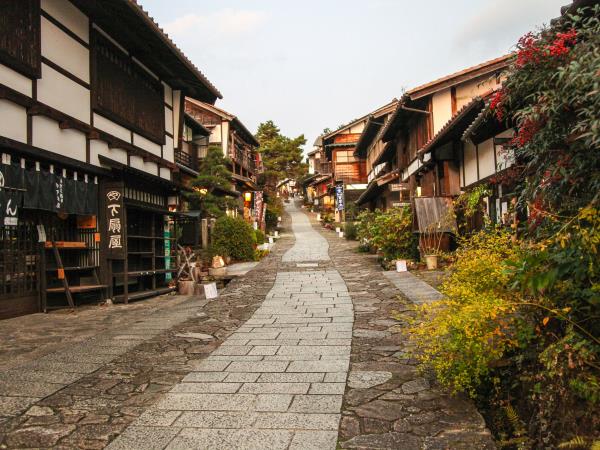
Japan self guided walking holiday, Nakasendo Trail
Self-guided walking along Japan’s ancient Nakasendo trail
From
£915 to £1315
5 days
ex flights
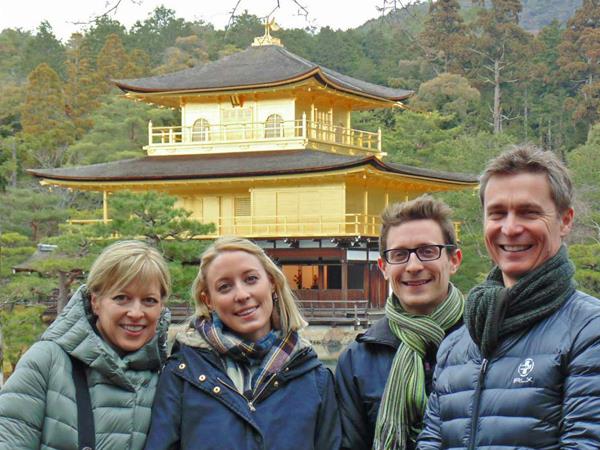
Japan golden route holiday
9-night classic Japan trip: Tokyo, Fuji, Kyoto
From
£2200
10 days
ex flights
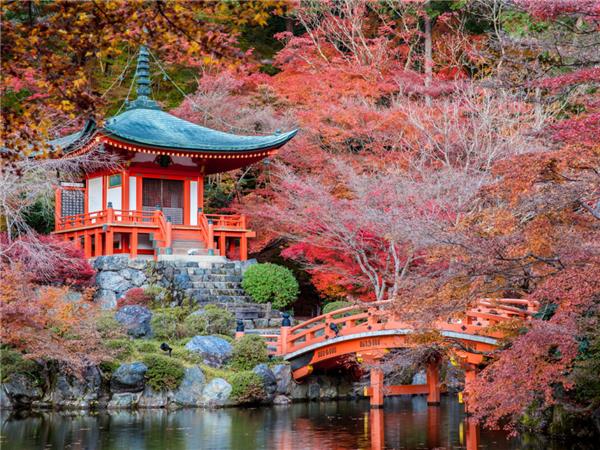
Japan holiday, ancient and modern
Explore the attractions of this vibrant nation
From
£5507 to £6143
14 days
ex flights
Japan small group tour, in the shadow of mountains
Western Honshu's coasts - Japan Sea and Inland Sea
From
£4375
12 days
ex flights
The best of Japan luxury cruise
Busan to Osaka; a blend of modernity & tradition
From
£10780 to £11990
13 days
ex flights
Kumano Kodo walking holiday, Japan
Village to village walking in the sacred Kii Peninsula
From
£3060
9 days
ex flights


Contact Us

Call us for a chat about our holidays. We are happy to discuss your holiday and help in any way we can. No bots, queues or awful hold music.

01273 823 700
Call us after 10am
Calling from outside the UK


Where to get the best views of Mount Fuji
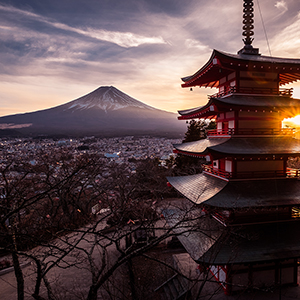
Some of the best views of Mount Fuji can be had from Arakurayama Asama Park, on Mount Arakura, where a magnificent five-storey pagoda looks out across a veritable sea of cherry blossom in the spring. If you’re walking around Mount Fuji then you’ll find dozens of great viewpoints, and going with a local guide means you may find some that are not so well-known.
The Fuji Five Lakes are renowned for their scintillating panoramas of Mount Fuji, but Lake Ashi in Hakone also offers beautiful views of the mountain. You can catch sight of Mount Fuji if taking the shinkansen bullet train between Tokyo and Kyoto, and in fact you don’t even need to leave the capital – on a clear day you can see Mount Fuji from the Tokyo Tower.
The Fuji Five Lakes are renowned for their scintillating panoramas of Mount Fuji, but Lake Ashi in Hakone also offers beautiful views of the mountain. You can catch sight of Mount Fuji if taking the shinkansen bullet train between Tokyo and Kyoto, and in fact you don’t even need to leave the capital – on a clear day you can see Mount Fuji from the Tokyo Tower.
Mount Fuji map
Our travellers also ask…
Is Mount Fuji worth visiting?
As one of the most iconic landmarks in Japan, Mount Fuji is always worth a visit even if you just want to admire it from the base. But visit responsibly – our holidays will try to avoid the most crowded viewpoints and busiest times of day, for example. And whereas Mount Fuji can at times be so busy that it feels stifling, Japan is awash with stunning scenery, and many parts of the country could benefit from more visitors. We’ll be happy to help you plan a trip that gets you into parts less known.When is the best time to visit?
You can visit Mount Fuji to enjoy its scenery and views at any time of year, and every season has its own beautiful expressions. During winter the mountainsides are dusted with snow, while in the spring you can see cherry blossom in the area. The autumn foliage around October and November is also lovely.
The colder months, from November through to March, tend to give the best visibility of Mount Fuji. July and August, the main climbing season, are ironically the worst months for visibility, with views frequently obscured by rain and cloud.
The colder months, from November through to March, tend to give the best visibility of Mount Fuji. July and August, the main climbing season, are ironically the worst months for visibility, with views frequently obscured by rain and cloud.
Do you need to climb Mount Fuji?
You can admire Mount Fuji without climbing it – in fact, most visitors do not. There are dozens of superb viewpoints in the Fuji-Hakone-Izu National Park, and you’ll often stumble along a picturesque panorama out of nowhere. Take in the views from an open air hot spring, from the balcony of your onsen, from a hiking trail around the base on a walking holiday, or from an ancient shrine.
What are some things to do around Mount Fuji?
There are more than enough Mount Fuji sightseeing options to merit spending a day or two in the area as part of your Japan tour, rather than simply visiting for a few hours. Enjoy walks around pretty lakes, or boat trips across them; soak in toasty natural hot springs, perhaps at an onsen with a view of Mount Fuji; visit mountain shrines, and if you catch the right time of year, photograph the cherry blossoms or the autumnal foliage, perhaps with the mountain serving as a backdrop.
More Japan articles
Visit in spring for pink cherry blossom and then try Japan in autumn for beautiful reddening autumn leaves.
From bullet trains to bubbling hot springs, we show you why Japan is such an interesting and unique country to visit.
Japan is spread over four islands, including Honsho, and thousands of smaller ones, and it's one amazing archipelago.
All of Japan's cities offer a different style and vibe, from glittering Tokyo to historic Kyoto and foodie Osaka.
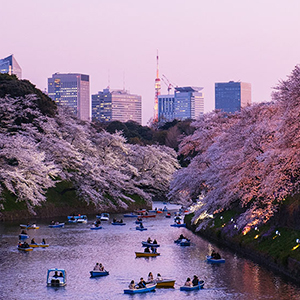
Learn when to see Japan's cherry blossom, and where the awesome arrays occur.
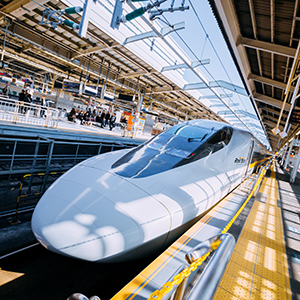
Japan's Shinkansen trains provide peace, safety and comfort for passengers.
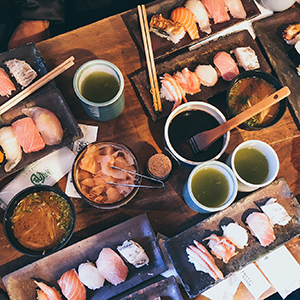
Japanese food and drink is delicious, healthy, seasonal, and often locally sourced. What's more, it tastes incredible.
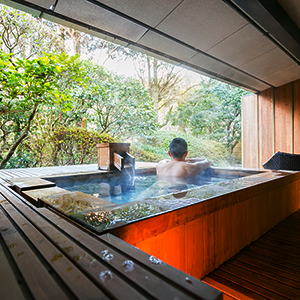
Follow the lead of the macaques in Jidokudani Monkey Park and visit a Japanese onsen, where nothing unites like a good soak.
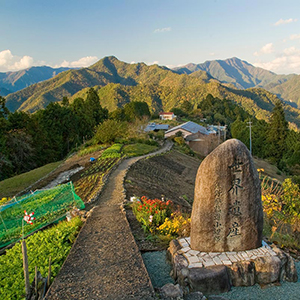
Walking offers an unsurpassed way to explore Japan's enthralling culture and spirituality beyond the tourist trail.
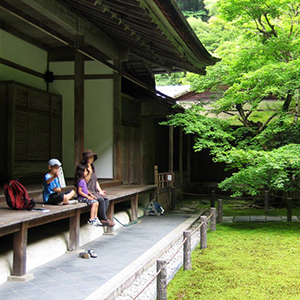
Japan brings out the kid in everyone, whether through its much-loved animation studios, or its exciting bullet trains.
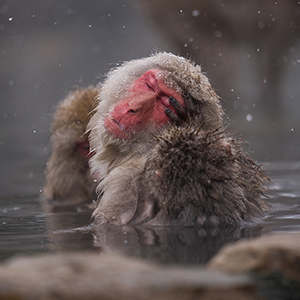
Learn where you can see Japanese macaques, as well as when to see snow monkeys.
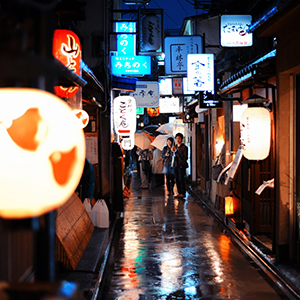
All of Japan’s cities are fascinating, but Kyoto and Nara are truly special.
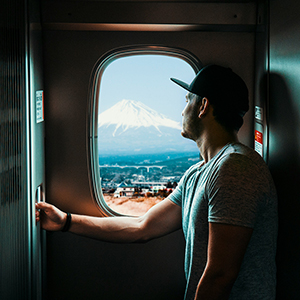
Top tips for relaxing and enjoying Japan without feeling like you’re breaking invisible etiquette rules
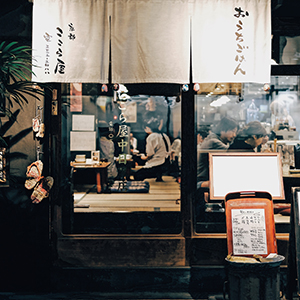
Much of our travel advice revolves around the traditions and etiquette that exist in Japan, and are worth knowing.
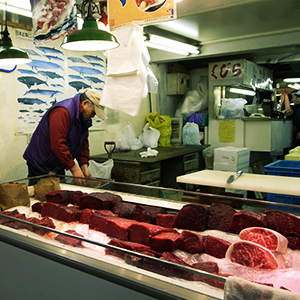
One aspect of responsible tourism in Japan cannot be ignored - the whale.
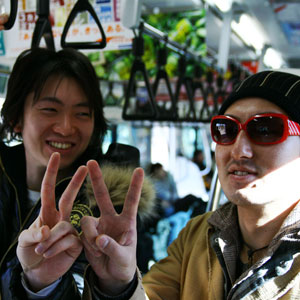
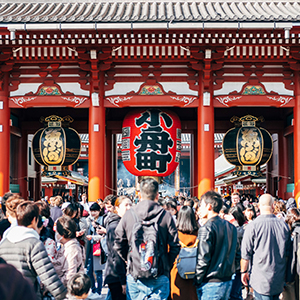
Overtourism is leading to cultural tensions in Japan, disrupting deeply rooted traditional ways of life.
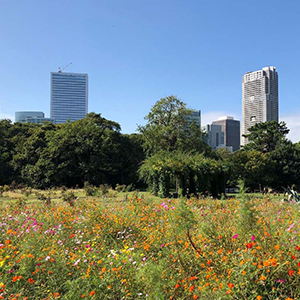
Exploring with a local leads you to really unique locations and special activities, as our own traveller Tim reports.