Visiting a Japanese onsen
When Blackthorne, the hero of Shogun, James Clavell’s epic novel about feudal Japan, is first taken prisoner, he is introduced to a new concept of bathing that he initially finds barbaric. In 1600s Europe it was believed that soaking in a bath could cause illnesses such as dysentery, whereas during the same period in Japan, the sense of relaxation and cleanliness that resulted from a hot bath was relished. Blackthorne rapidly comes around to the idea, and if you’ve never known the pleasures of taking a dip in a Japanese onsen, you surely will too.
But of course this is a country where intricate rituals abound, and even something as seemingly simple as taking a bath or having a cup of tea is layered with complexity. Read on to learn the ins and outs of onsens, an ancient tradition dating back to at least the 8th century that is often among the most memorable experiences of a holiday in Japan.
But of course this is a country where intricate rituals abound, and even something as seemingly simple as taking a bath or having a cup of tea is layered with complexity. Read on to learn the ins and outs of onsens, an ancient tradition dating back to at least the 8th century that is often among the most memorable experiences of a holiday in Japan.

Hot spring towns and ryokans
There are over 3,000 hot spring towns in Japan, including well-known locations such as Beppu and Yumoto, where mineral-rich water between 25 and 40°C bubbles up from volcanic rocks. As with the spa towns of Europe, this water is believed good for your skin and circulation, and helpful in countering a range of ailments. A natural hot spring bath is called an onsen, but the term is interchangeable with the traditional inns, ryokans, that cluster around them. These are typically family-run and designed with traditional Japanese stylings, so you’ll be sleeping on futons in rooms with tatami mat floors and paper walls. And as Babur Moghul, from our specialist tour operator InsideJapan explains, the food is sublime: “Generally both breakfast and dinner are included, and ryokan hosts really pride themselves on their cooking, as the food is locally sourced and prepared, although not all accommodations can cater for specific dietary requirements, so it’s best to try to plan your trip way in advance. The food is likely to be a range of small plates – expect fish, meat and a variety of soup and sautéed dishes. Japanese tapas would be a good way to describe it.” If you’re on a pilgrimage walk such as the Nakasendo Trail then you may well stay in a few ryokans – they’re a lovely way to explore Japanese culture.Sento are communal indoor bathhouses, but an important distinction is that they are supplied by regular heated water rather than geothermally – they can still make for an interesting cultural experience, but they’re not seen as especially therapeutic. If you’re offered a rotenburo, accept at once, as this is an outdoor onsen, which are usually located amid stunning naturally landscapes. Babur Moghul recommends that: “for first time visitors, the best hot spring locations would be the Hakone National Park area close to Mount Fuji as there are plenty of sightseeing options, or Takayama, a town well-known for its ryokan accommodation and historic merchant houses, sake breweries and morning market.”
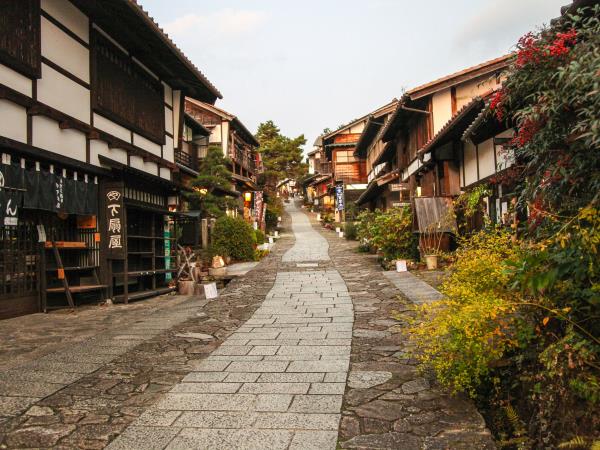
Japan self guided walking holiday, Nakasendo Trail
Self-guided walking along Japan’s ancient Nakasendo trail
From
£915 to £1315
5 days
ex flights
Japan golden route holiday
9-night classic Japan trip: Tokyo, Fuji, Kyoto
From
£2200
10 days
ex flights
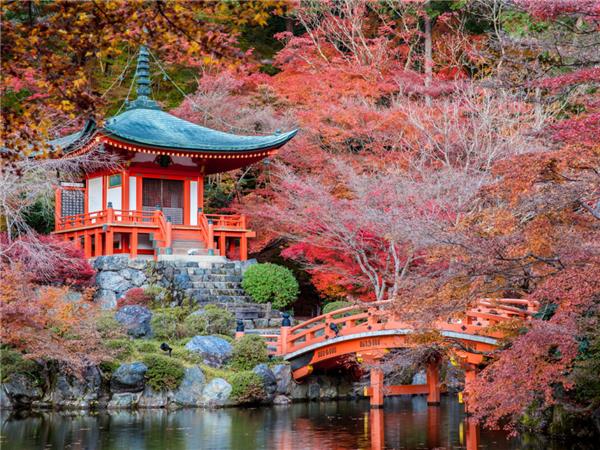
Japan holiday, ancient and modern
Explore the attractions of this vibrant nation
From
£5507 to £6143
14 days
ex flights
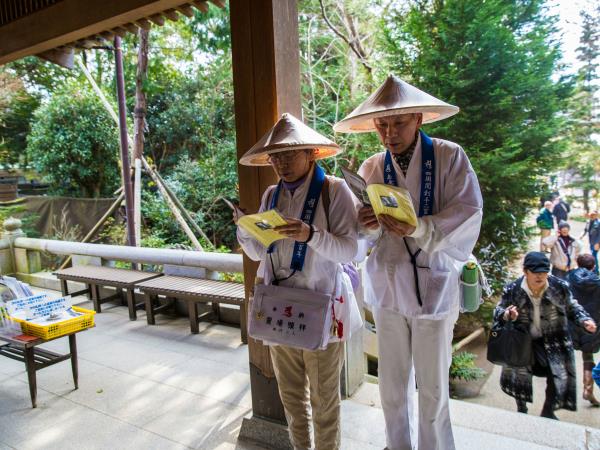
Shikoku Pilgrimage self guided walking tour, Japan
Shikoku 88 Pilgimage route self-guided walking
From
£1100 to £2710
10 days
ex flights
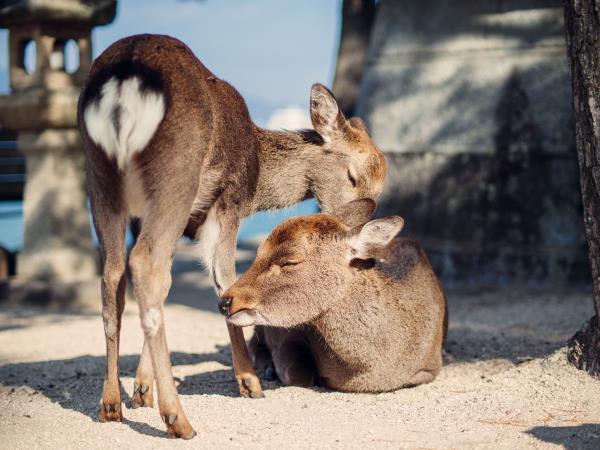
Japan small group tour, in the shadow of mountains
Western Honshu's coasts - Japan Sea and Inland Sea
From
£4375
12 days
ex flights
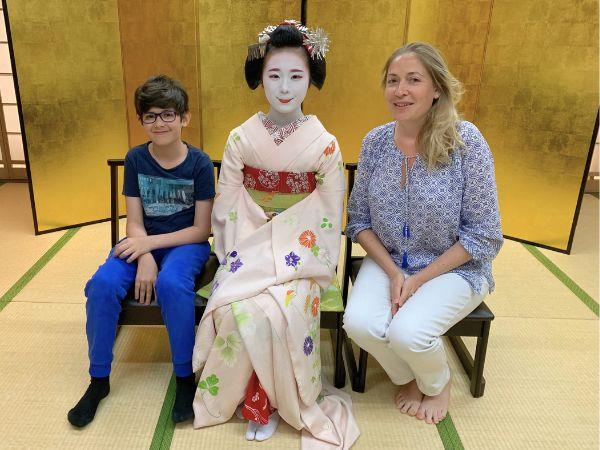
Japan family holiday for all ages
An active adventure between cities, temples and hot springs
From
£4000
14 days
ex flights


Contact Us
Call us for a chat about our holidays. We are happy to discuss your holiday and help in any way we can. No bots, queues or awful hold music.

01273 823 700
Call us until 4pm
Calling from outside the UK

Onsen etiquette
No prizes for guessing the most famous residents of Jigokudani Monkey Park, located in the alpine reaches of central Honshu. These wild macaques, or snow monkeys, are known for spending wintery days soaking in a natural hot spring, and watching them as they bask happily has become one of Japan’s most popular tourism activities. Note however that big crowds are likely, and we’ve also seen disconcerting reports of the monkeys being prevented from leaving the pools if there are still paying customers that want to see them.Our primate cousins don’t have a reputation as sticklers for rules – if they want to do a bomb in the deep end, they’re gonna. The responsible traveller, on the other hand, has to abide by a quite strict code of onsen etiquette, and it’s important to take it seriously, because transgressions are frowned upon. But don’t worry about it too much. Instead, enjoy learning about the customs as a fascinating introduction to an ancient Japanese tradition. An onsen visit is a clear highlight for so many travellers in Japan, and Babur Moghul believes some people are disappointed when it is not included: “Quite a few people are a little shy of going in their natural bathing suit so to speak, but once they have tried it they really love it. Local people are welcoming of foreigners, respecting their privacy and space. Most Japanese people go for a bath at least once a day and even up to three times – before dinner, after dinner and then in the morning. It’s up to how much time you like to spend relaxing although before dinner seems to be a popular option.”
More Japan articles
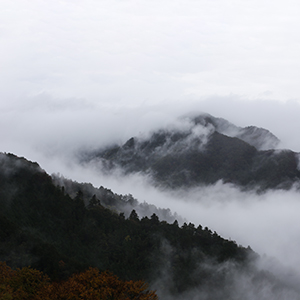
Visit in spring for pink cherry blossom and then try Japan in autumn for beautiful reddening autumn leaves.
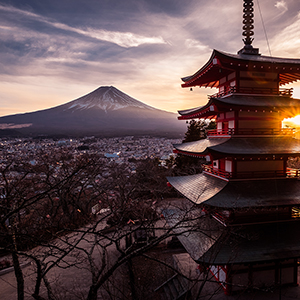
From bullet trains to bubbling hot springs, we show you why Japan is such an interesting and unique country to visit.
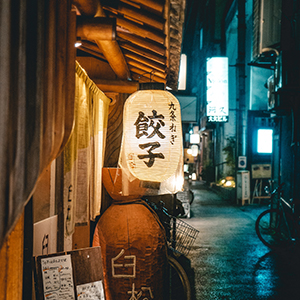
Japan is spread over four islands, including Honsho, and thousands of smaller ones, and it's one amazing archipelago.
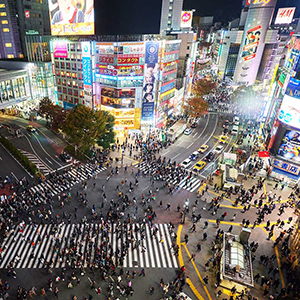
All of Japan's cities offer a different style and vibe, from glittering Tokyo to historic Kyoto and foodie Osaka.
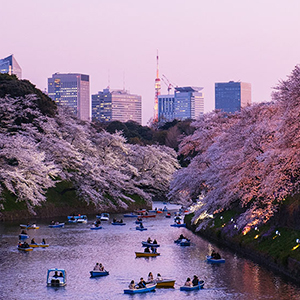
Learn when to see Japan's cherry blossom, and where the awesome arrays occur.
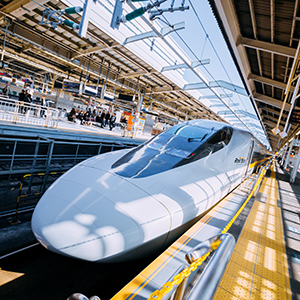
Japan's Shinkansen trains provide peace, safety and comfort for passengers.
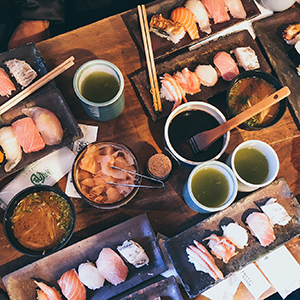
Japanese food and drink is delicious, healthy, seasonal, and often locally sourced. What's more, it tastes incredible.
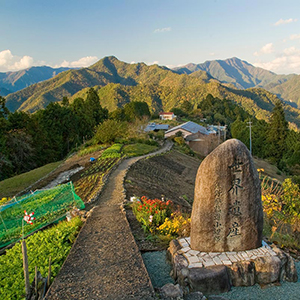
Walking offers an unsurpassed way to explore Japan's enthralling culture and spirituality beyond the tourist trail.
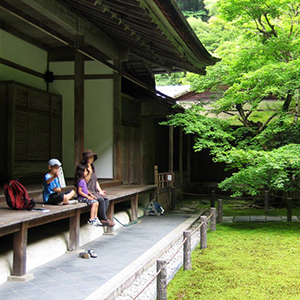
Japan brings out the kid in everyone, whether through its much-loved animation studios, or its exciting bullet trains.
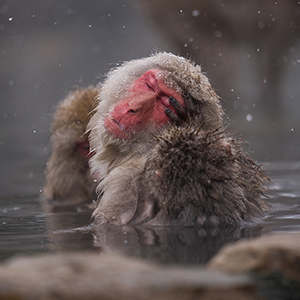
Learn where you can see Japanese macaques, as well as when to see snow monkeys.
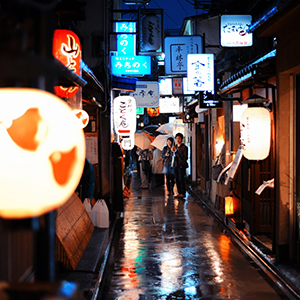
All of Japan’s cities are fascinating, but Kyoto and Nara are truly special.
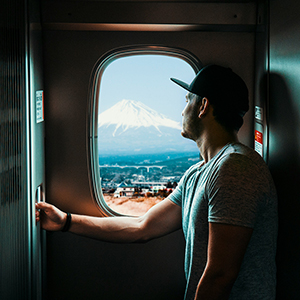
Top tips for relaxing and enjoying Japan without feeling like you’re breaking invisible etiquette rules
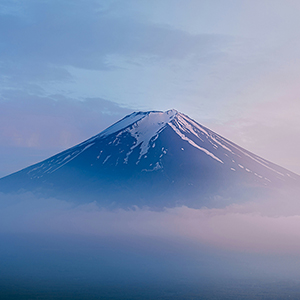
One of Japan’s most iconic sights is also among its most culturally significant landmarks.
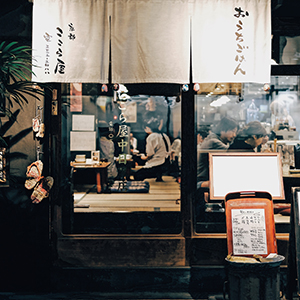
Much of our travel advice revolves around the traditions and etiquette that exist in Japan, and are worth knowing.
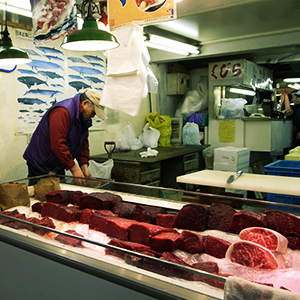
One aspect of responsible tourism in Japan cannot be ignored - the whale.
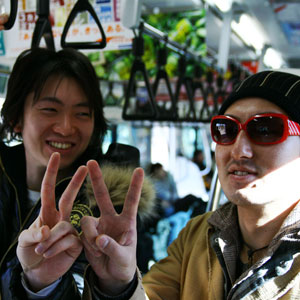
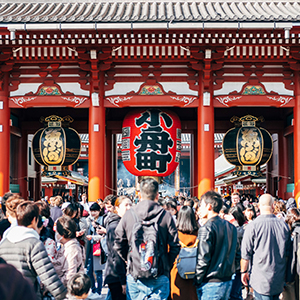
Overtourism is leading to cultural tensions in Japan, disrupting deeply rooted traditional ways of life.
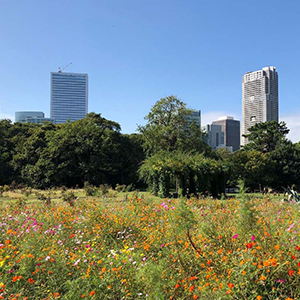
Exploring with a local leads you to really unique locations and special activities, as our own traveller Tim reports.