Spain food & drink

When you say something is pata negra, you’re saying it's the best of the best.![]()

Our Spain food and drink holidays are imbued with a passion for excellent cooking, flavoured with personalised tours of farms, mills, markets and small factories, not to mention tastings and hands-on, chef-led workshops. Seasonal, organic, traditional, locally produced – these are not buzzwords thrown haphazardly into the pot; they infuse the cultural heritage that our trips explore.
From Andalucia to the Spanish Pyrenees, Catalonia to Valencia, our tours explore the wonderful diversity of one of the great European cuisines. Tie on a napkin, pour yourself a glass of something special, and let's begin.
From Andalucia to the Spanish Pyrenees, Catalonia to Valencia, our tours explore the wonderful diversity of one of the great European cuisines. Tie on a napkin, pour yourself a glass of something special, and let's begin.

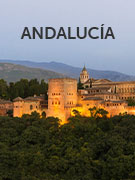
Go the whole hog in Andalucia
Iberian ham, known in Spain as pata negra, or black foot, is the finest Spanish ham, with an intense, nutty flavour and generous marbling, fattier than the more commonly known Serrano ham. Aficionados put it on a par with Kobe beef, Beluga caviar and white truffles.
“It is a very nurtured product. The better you feed your animal, the better the meat is going to be,” says Lucy Arkwright of our partner Posada San Marco. The Andalucia rural retreats that she runs for us with husband Angel introduce you to the Sierra de Aracena region and its cuisine, as well as several producers among their neighbours.
They‘ll guide you around a farm to explain the seasonality of pig-farming. Montanera is the fattening period, the months when the pigs roam free range through the pastures gorging themselves silly on acorns that fall from around September. Once their weight tops 180kg, usually by late January, the pigs are slaughtered, in a ritual known as la matanza. Afterwards, the meat is salted and hung to air cure.
“The flavour, the consistency, and the fact that it's very slow to produce is what makes Iberian ham so expensive,” says Lucy. You're talking at least four years from the time the piglets are born until you can actually carve a slice of ham.
“Everyone here buys a leg around Christmas,” says Lucy. They bring them out at fiestas. In our area the fiesta is called the romeria – you go out to a hermitage and you're honouring the saint or the Madonna. Everybody's taking food and drink and lots of people will have a ham stand. And they'll just start carving away.”
“It is a very nurtured product. The better you feed your animal, the better the meat is going to be,” says Lucy Arkwright of our partner Posada San Marco. The Andalucia rural retreats that she runs for us with husband Angel introduce you to the Sierra de Aracena region and its cuisine, as well as several producers among their neighbours.
They‘ll guide you around a farm to explain the seasonality of pig-farming. Montanera is the fattening period, the months when the pigs roam free range through the pastures gorging themselves silly on acorns that fall from around September. Once their weight tops 180kg, usually by late January, the pigs are slaughtered, in a ritual known as la matanza. Afterwards, the meat is salted and hung to air cure.
“The flavour, the consistency, and the fact that it's very slow to produce is what makes Iberian ham so expensive,” says Lucy. You're talking at least four years from the time the piglets are born until you can actually carve a slice of ham.
“Everyone here buys a leg around Christmas,” says Lucy. They bring them out at fiestas. In our area the fiesta is called the romeria – you go out to a hermitage and you're honouring the saint or the Madonna. Everybody's taking food and drink and lots of people will have a ham stand. And they'll just start carving away.”
We eat everything but the oink![]()
The hind legs of the pig are the jamons, the fore legs the paletas. The paletas are smaller and not so meaty, making them a cheaper cut. But while it’s the jamons that are prized above all, none of the pig is wasted. Or as Lucy puts it, “We eat everything but the oink.” Homemade pork pate is a regular feature on the breakfast table. And large, cured sausages called cana de lomo fill the fridges in the Aracena butcher shop Lucy visits with her guests, while the jamons hang from the rafters, graded and priced according to the pig’s breeding.
You can also enjoy a masterclass in slicing a ham, along with generous portions of charcuterie to taste, accompanied by a Fino sherry from Jerez and a Manzanilla from Cadiz, and a sherry that Lucy and Angel mature themselves. Experiences like this are the epitome of the Slow Food philosophy that began in Italy in the 1980s and has since spread worldwide.
Elsewhere in Andalucia, our holidays combine cookery lessons with learning the Spanish language in Granada. Mornings are given over to grammar and vocabulary, afternoons to eating and drinking. Professional chefs lead kitchen-based workshops that focus on Moorish elements of Andalusian cuisine, so think fried anchovies served with lemon and garlic aioli, saffron-infused paella, and delicious deep-fried fritters, flavoured with hints of orange, lemon and aniseed.
You can also enjoy a masterclass in slicing a ham, along with generous portions of charcuterie to taste, accompanied by a Fino sherry from Jerez and a Manzanilla from Cadiz, and a sherry that Lucy and Angel mature themselves. Experiences like this are the epitome of the Slow Food philosophy that began in Italy in the 1980s and has since spread worldwide.
Elsewhere in Andalucia, our holidays combine cookery lessons with learning the Spanish language in Granada. Mornings are given over to grammar and vocabulary, afternoons to eating and drinking. Professional chefs lead kitchen-based workshops that focus on Moorish elements of Andalusian cuisine, so think fried anchovies served with lemon and garlic aioli, saffron-infused paella, and delicious deep-fried fritters, flavoured with hints of orange, lemon and aniseed.
Purchase your apron and the proceeds are donated to a vulture conservation foundation.![]()
Paella & walking in the Spanish Pyrenees
What better feeling is there than the promise of a great feast ahead of you after a long walk? On our cooking and walking holidays in the Spanish Pyrenees it’s true that you’ll be doing a lot of the chopping and stirring yourself, but you can always sneak a cheeky slice of something while the teacher’s back is turned. Informal workshops, focusing on classic mountain dishes and liberally doused with excellent wine, are held in the kitchen of your family-run guest house.
Meanwhile, as you walk these majestic Pyrenean peaks, your guides will introduce you to goat-herding families who will tell you all about herding, milking and cheese production. You’ll duck into friendly little bodegas for wine tasting sessions, or slather chunks of bread in homemade olive oil at a local mill. Our holidays help support the protection of bearded vultures, a population of which lives in the area. Purchase your apron, with authentic stains showing you’ve been busy in the kitchen, and the proceeds are donated to a conservation foundation.
Meanwhile, as you walk these majestic Pyrenean peaks, your guides will introduce you to goat-herding families who will tell you all about herding, milking and cheese production. You’ll duck into friendly little bodegas for wine tasting sessions, or slather chunks of bread in homemade olive oil at a local mill. Our holidays help support the protection of bearded vultures, a population of which lives in the area. Purchase your apron, with authentic stains showing you’ve been busy in the kitchen, and the proceeds are donated to a conservation foundation.
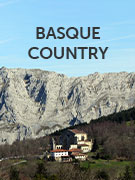
Become pintxo people in northern Spain
Northern Spain is the heartland of pintxos – the Basque version of tapas – and the tradition of txikiteo, where you spend your evening moving from bar to bar, drinking and eating, eating and drinking, your pace gradually slowing until you’ve had your fill. Hopefully by this point you will be close enough to your hotel that you can be rolled gently through the front door, and should you be on one of our northern Spain small group holidays then you can rely on a capable local tour leader to do the honours.
Plates of pintxos are arranged artfully along the bar. Think eels fried with red pepper and garlic, sweet dates wrapped in savoury bacon, skewers of meat cooked over charcoal grills, peppers stuffed with tuna, and chunks of octopus sprinkled liberally with paprika and olive oil. Txakoli is the sparkling, bone-dry white wine that typically accompanies pintxos, a deceptively simple ‘fisherman’s wine’ that has actually been honed since Roman times.
Our holidays often focus on the Basque cities of San Sebastian, Bilbao and Pamplona, occasionally dipping into the countryside perhaps to visit a winery, or to catch market day in a hillside town. Some of our other food and drink tours in Spain explore the Asturias region, home to what may well be Europe’s most divine coastline. Around the regional capital, Oviedo, you can taste Cabrales blue cheese and follow it with a few drinks in a traditional cider house – poured from a height as is tradition. To the east of Asturias is Cantabria. Pork partisans must try the cocido lebaniego here, a flavoursome, hearty stew composed of black pudding with pork shoulder, chorizo and chickpeas.
Plates of pintxos are arranged artfully along the bar. Think eels fried with red pepper and garlic, sweet dates wrapped in savoury bacon, skewers of meat cooked over charcoal grills, peppers stuffed with tuna, and chunks of octopus sprinkled liberally with paprika and olive oil. Txakoli is the sparkling, bone-dry white wine that typically accompanies pintxos, a deceptively simple ‘fisherman’s wine’ that has actually been honed since Roman times.
Our holidays often focus on the Basque cities of San Sebastian, Bilbao and Pamplona, occasionally dipping into the countryside perhaps to visit a winery, or to catch market day in a hillside town. Some of our other food and drink tours in Spain explore the Asturias region, home to what may well be Europe’s most divine coastline. Around the regional capital, Oviedo, you can taste Cabrales blue cheese and follow it with a few drinks in a traditional cider house – poured from a height as is tradition. To the east of Asturias is Cantabria. Pork partisans must try the cocido lebaniego here, a flavoursome, hearty stew composed of black pudding with pork shoulder, chorizo and chickpeas.
Throw in a blanket, and you’ve got yourself a picnic on wheels.![]()
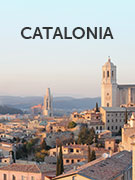
Cycle for your dinner in Catalonia
Cycling is a fantastic way to explore Catalan cuisine. Why? Because it gives you a strong appetite, and with a bit of forward-planning you can attach an extra saddle bag on the bike to stuff with cheeses, cooked meats, wine and pastries. Throw in a blanket, and you’ve got yourself a picnic on wheels.
Our cycling trips in Catalonia might pass through the capital, Girona, a picturesque medieval city where you can get try the traditional dessert, a deep-fried pastry coated with sugar and filled with cream, known as chucho. Further north, on the coast, salted anchovies are a speciality in L’Escala. We can introduce you to family-run anchovy shops, as well as artisan olive oil producers, and shops that sell delectable homemade ice cream. We’ll provide details of vineyards along your route, too, where you might find cellar door tastings.
Circular trails around Peralada that you can enjoy on a self guided cycling holiday take in rice mills, cheese makers and boutique jam factories. Venturing a little further south you can hop out of the saddle to tour tapas bars and see the fishing boats unloading onto the quayside – you can watch the auction in the early evening.
Our cycling trips in Catalonia might pass through the capital, Girona, a picturesque medieval city where you can get try the traditional dessert, a deep-fried pastry coated with sugar and filled with cream, known as chucho. Further north, on the coast, salted anchovies are a speciality in L’Escala. We can introduce you to family-run anchovy shops, as well as artisan olive oil producers, and shops that sell delectable homemade ice cream. We’ll provide details of vineyards along your route, too, where you might find cellar door tastings.
Circular trails around Peralada that you can enjoy on a self guided cycling holiday take in rice mills, cheese makers and boutique jam factories. Venturing a little further south you can hop out of the saddle to tour tapas bars and see the fishing boats unloading onto the quayside – you can watch the auction in the early evening.
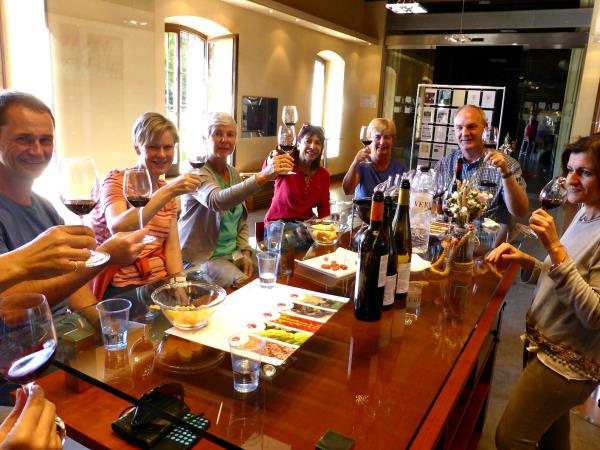
Cooking and walking holiday, Spanish Pyrenees
Gastronomy and beautiful walks in the Spanish Pyrenees.
From
€1995
8 days
ex flights
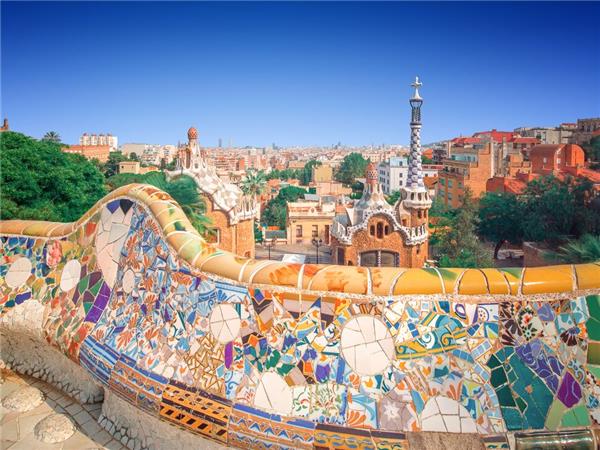
Northern Spain small group holiday
Get a taste of Spain's culture, cuisine and charisma
From
£1795 to £2230
8 days
ex flights
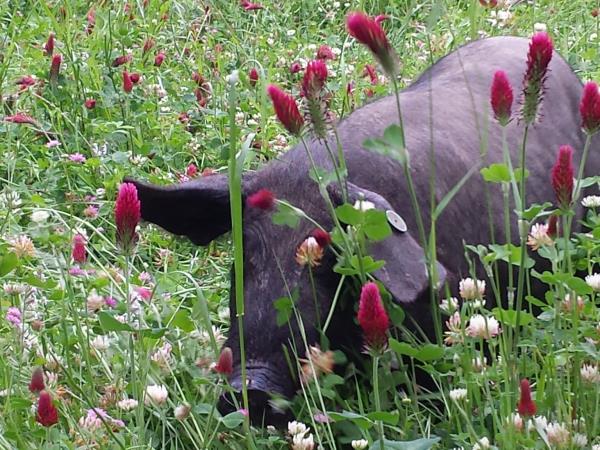
Iberian Ham tour in Andalucia, Spain
Become immersed in the destination of Iberian Ham, Andalusia
From
€750
4 days
ex flights
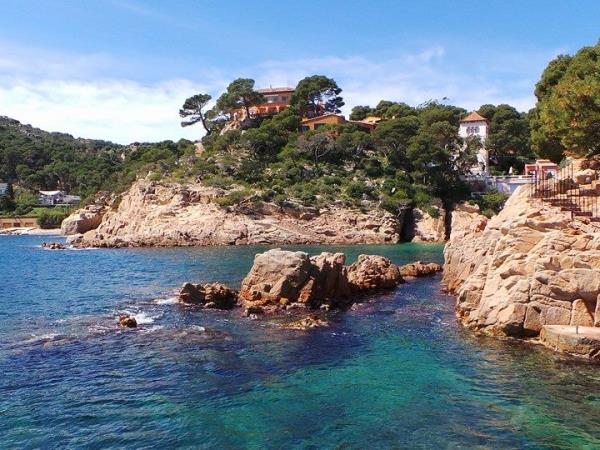
Catalonia cycling & food tour in Spain
Discover the flavours of the Baix Emporda region
From
€1406 to €1797
7 days
ex flights
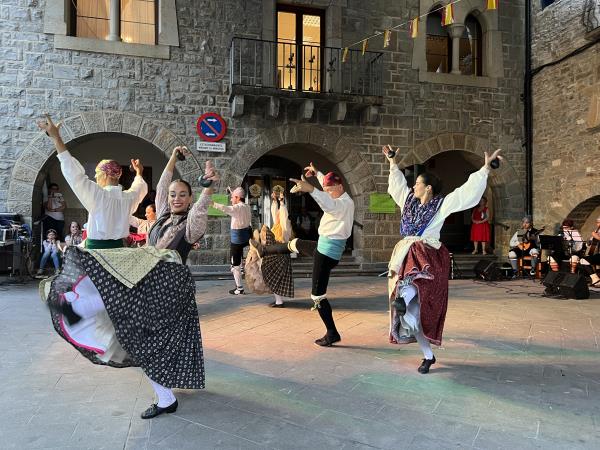
Culture and gastronomy holiday in the Spanish Pyrenees
A mix of cultural visits, food and wine tasting and cooking
From
€1995
8 days
ex flights
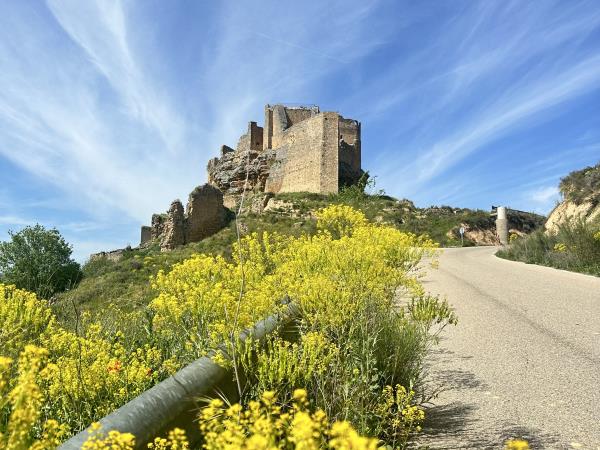
Food and nature holiday in Spain, small group
Experience the wonderful produce of Castilla-La Mancha
From
€1350 to €2000
6 days
ex flights


Contact Us
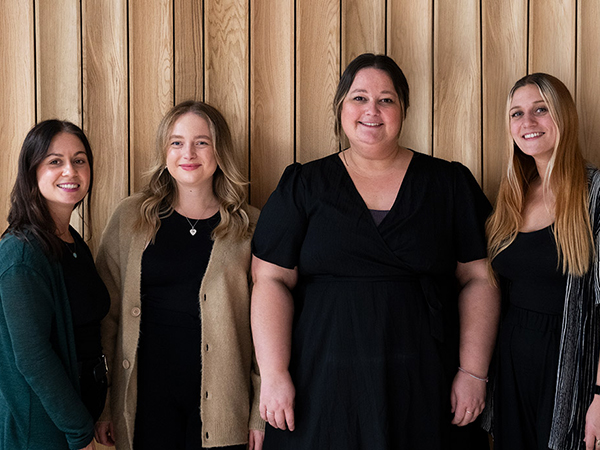
Call us for a chat about our holidays. We are happy to discuss your holiday and help in any way we can. No bots, queues or awful hold music.

01273 823 700
Call us after 10am
Calling from outside the UK

Get vegan in Valencia
Feed mind, body and soul with our vegan yoga holidays in Spain, where a mix of gentle and dynamic yoga is combined with guided meditation, and daily plant-based nutrition workshops. Learn the principles of mindful eating, and how your gut microbiome can affect your mood, so that you return home ready to supercharge your diet.Classes might cover the nutritional benefits of whole grains, different methods for cooking legumes to make the most of their versatility, and also cover the health benefits of eating raw, from mains to desserts, to the pleasures of cold-steeped tea.
Graze on honey & cheese in Guadalajara
Guadalajara, just north of Madrid, is the setting for some of our most enticing Spain food holidays. Join a small group for tapas picnic lunches in the hills by the River Tagus, wine tasting workshops and cookery classes led by an inhouse chef, while staying in a quiet medieval village.
In season (spring and early summer) you can visit an apiary to learn how the local bees are cared for, and taste some lip-smacking good organic honey with aromas from the surrounding lavender fields. Our holiday partners open up their land on request for local shepherds to graze their sheep –open grazing leads to healthier flocks and biodiversity, as well as reducing the risk of fire in the dry summer months. It also means that there is a ready supply of Manchego cheese and organic lamb whenever the menu calls for it.
In season (spring and early summer) you can visit an apiary to learn how the local bees are cared for, and taste some lip-smacking good organic honey with aromas from the surrounding lavender fields. Our holiday partners open up their land on request for local shepherds to graze their sheep –open grazing leads to healthier flocks and biodiversity, as well as reducing the risk of fire in the dry summer months. It also means that there is a ready supply of Manchego cheese and organic lamb whenever the menu calls for it.
More Spain articles
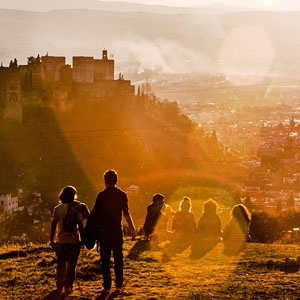
The best time to visit Spain is spring and summer (March-September), but July and August get super hot.
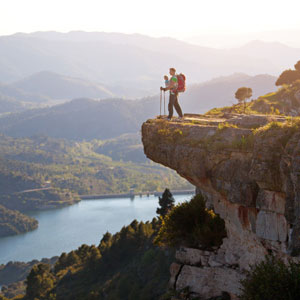
Our Spain travel guide has many fantastic tips to help you travel like a local and make the most of your time.
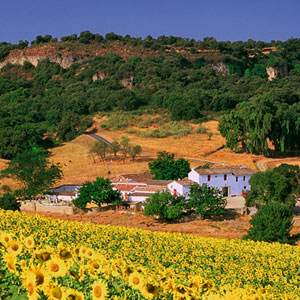
Check out our interactive highlights map that details some of our favourite places to visit in Spain.
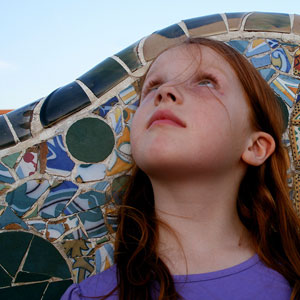
From spaghetti westerns to whitewater rafting, we know what to do with little ones so all you have to do is pack and go.
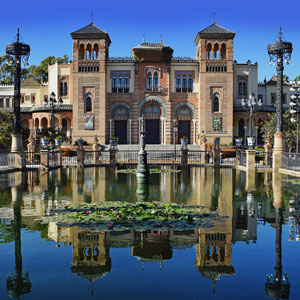
Moorish influences and fiery flamenco - Andalucia is one of Spain's most fascinating regions.
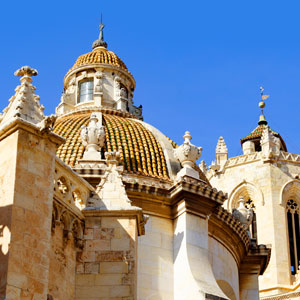
Catalonia packs many landscapes into one region, from Pyrenean peaks, to Mediterranean coast.
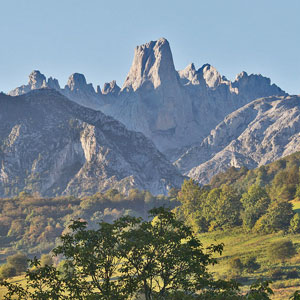
You'll have a wild and wonderful walking holiday in the Picos de Europa, a hiker's paradise.
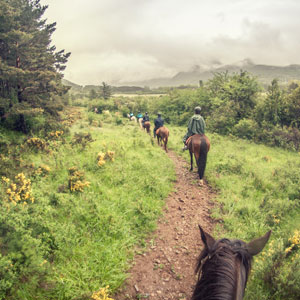
The Altiplano de Granada and the Sierra de Castril mountains offer everything from hiking and biking to canyoning.
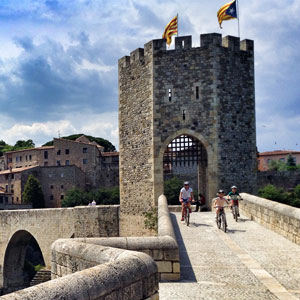
Leave the tourist trails on two wheels and see a side of the country far removed from the costas and the big smoke.
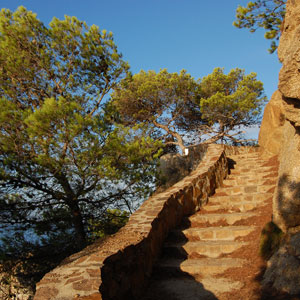
Unlock the secrets of Spain as you walk the country’s mountainous interior and wonderfully wild coastlines.
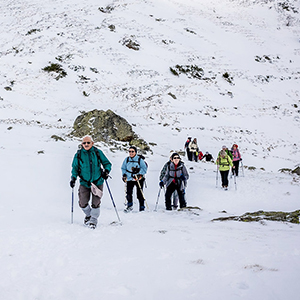
Look upwards for winter holidays in Spain, to the snow-clad peaks of the Sierra Nevada and the Spanish Pyrenees.
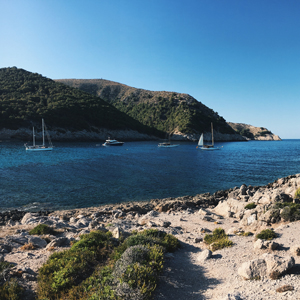
Our best small ship cruising holidays in Spain unlock the Iberian Peninsula.
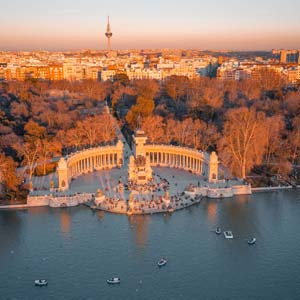
Some useful tips for anyone who's planning their first trip to Spain.
Our expert-led Spain small group tours foster a sense of cultural immersion.
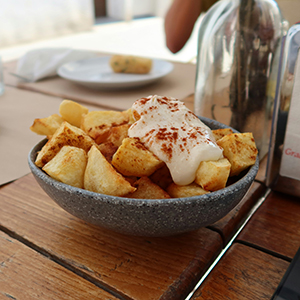
Read our indispensable guide to one of the finest gastronomic traditions in Spain
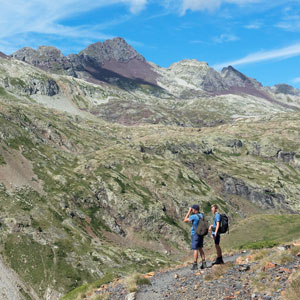
Read on for reliable Spain travel recommendations from our expert partners, and travellers who have been there.
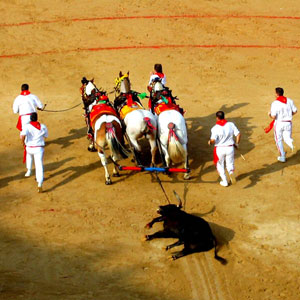
Spain's tourism issues are all worth researching before you go, so that you can travel right.
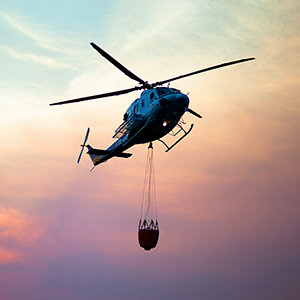
From wildfires to extreme heat, here's how climate change will affect holidays in Spain in future.
Find all of our Spain guides in one place, from guides to Andalucia or Valencia, to advice on activity holidays.