LGBTQ+ India holiday advice
History of LGBTQ+ rights
History of LGBTQ+ rights
India may not always have had a population of over a billion people, but the subcontinent has always been home to many religions, ethnicities and empires, so there is much more than one story here of LGBTQ+ rights and recognition. In general, though, India was historically tolerant of LGBTQ+ relationships, with the exception of the predominantly Islamic Mughal Empire. However, this changed with the arrival of the Europeans, when the Goa Inquisition, an extreme Christian institution, outlawed sex between men in Portugal’s Indian colony. The British Raj later prohibited same-sex relations in 1861. This law, known as Section 377, was not overturned until 2009, when the Delhi High Court found it to be a violation of fundamental rights.

There was plenty of opposition to the High Court’s ruling, from various aspects of Indian society, including Muslim and Christian groups as well as the Ministry of Home Affairs, who declared same-sex relationships to be immoral. In December 2013, Section 377 was reinstated, with same-sex sexual activity once again criminalised and punishable with up to 10 years in prison. LGBTQ+ organisations and human rights groups protested this U-turn, and finally, in September 2018, same-sex relationships were decriminalised. Legally, things seem to be progressing. In 2022, LGBTQ+ partners gained limited rights as “live-in couples”. There’s now hope that India could become the second country in Asia to legalise same-sex marriage, as 18 couples fight for their rights in the Supreme Court.
In 2014, India legally recognised those who wished to identify as a third non-binary gender. India is one of just a handful of countries to do this. These include rights for hijras, who live in organised communities and have long held cultural and spiritual roles within South Asian society. Although they remain marginalised, the ruling is slowly resulting in more legal protections for the hijra community. In 2019, the Transgender Persons (Protection of Rights) Act was enacted – but was met with protests.
Attitudes towards the LGBTQ+ community
Attitudes towards the LGBTQ+ community
Sadly, despite the changes in the law, LGBTQ+ people are widely persecuted in India. Although prosecutions are rare, police forces used the anti- LGBTQ+ laws as an opportunity to harass people, and many people, including political leaders, declared same-sex relationships to be “un-Indian”.
However, changing laws over the past few years have sparked public debate on a topic which was previously taboo. LGBTQ+ rights are now more likely to be covered in the mainstream media. Even Bollywood – one of the region’s biggest cultural influences – has depicted same-sex relationships. While gay bars were once non-existent, a handful have now opened in cities , and bars and clubs host LGBTQ+ events.
However, changing laws over the past few years have sparked public debate on a topic which was previously taboo. LGBTQ+ rights are now more likely to be covered in the mainstream media. Even Bollywood – one of the region’s biggest cultural influences – has depicted same-sex relationships. While gay bars were once non-existent, a handful have now opened in cities , and bars and clubs host LGBTQ+ events.
Contact Us

Call us for a chat about our holidays. We are happy to discuss your holiday and help in any way we can. No bots, queues or awful hold music.

01273 823 700
Call us after 10am
Calling from outside the UK


LGBTQ+ travel in India
As with many things, there is one rule for Indians and another for tourists. It is highly unlikely that travellers here will face any discrimination on the street or from hotel staff.Same-sex couples booking a room together will not be questioned and LGBTQ+ groups are likely to be welcomed. While harassment is unlikely, we still advise avoiding public displays of affection to avoid any unwanted attention. However, this is recommended for people of any orientation, as India is very conservative in this regard, and couples rarely show affection in public. If you do see men with their arms around each other or embracing publicly, this is a sign of friendship; you are far more likely to observe this between two men than between a man and a woman.
Lesbian couples are unlikely to draw any attention; a far greater issue for female travellers here is, sadly, harassment and personal safety. All women are advised to be cautious.
Many cities have gay scenes, with Mumbai considered India’s gay capital. Although visiting same-sex couples are likely to be welcomed anywhere, there are also specifically LGBTQ+-friendly hotels and guest houses around the country, particularly in Kerala – the home of Queerala, a secret support group turned activist community organisation that has helped change attitudes to LGBTQ+ people in Kerala. Speak to your holiday company if you are interested in seeking openly LGBTQ+-positive businesses out. Goa has a thriving LGBTQ+ tourism scene too.
LGBTQ+ festivals, events & resources
LGBTQ+ festivals, events & resources
As befits a country of 1.4 billion people, there is a huge number of LGBTQ+ events, marches and festivals taking place across the country. For information and listings, look at the comprehensive LGBTQ India Resource, which also has personal stories on being LGBTQ+ in India as well as links to LGBTQ+ businesses. But here are a few events to get you started…
Delhi Queer Pride Parade was established in 2008, originally as a very small protest event against the country’s anti-LGBTQ+ laws. It has grown in popularity since then, and now takes place on the last Sunday of November. The march calls for freedom from discrimination for all persecuted people, including the Dalit caste, women, disabled people and Kashmiris.
The annual Queer Azaadi Mumbai March took place from 2008 – but in 2020, Mumbai Police denied organisers permission to hold the event to prevent protests against the controversial Citizen (Amendment) Act. Azaadi means ‘freedom’ in Hindi and Urdu.
The longest-standing LGBTQ+ march in India is Kolkata’s Rainbow Pride Walk, which first took place in 1999, and calls for tolerance and equality for all people. There are several years when the march did not take place, and women did not join the parade until 2011. The dates of Rainbow Pride Walk change each year; more recently it has been held in mid-December.
KASHISH is Mumbai’s International Queer Film Festival. As well as showing Indian LGBTQ+ films locally, it screens them overseas, raising the profile of this very niche industry and of the artists involved.
This guide is updated regularly but do check local news sources and Human Rights Watch for up-to-date information.
More India articles
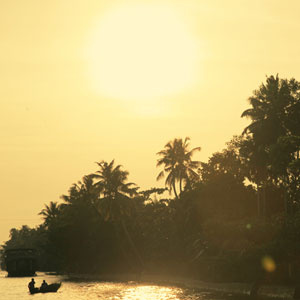
Weather-wise, the best time to visit India tends to be between October to March, when much of the country is dry and warm.
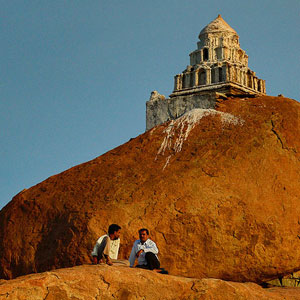
The Golden Triangle is a cultural journey, Kerala’s backwaters invite relaxed travellers, and Ladakh has snow leopards.
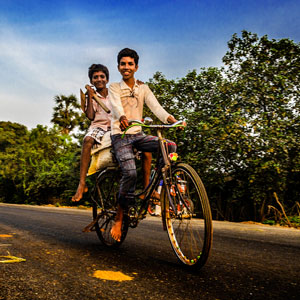
It is vast and, therefore, can be overwhelming, so take some time to look at our map and highlights to help you.
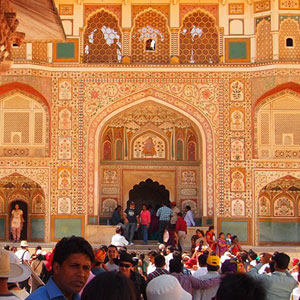
The Golden Triangle is a three-sided circuit with Delhi, Agra and Jaipur standing at each corner.
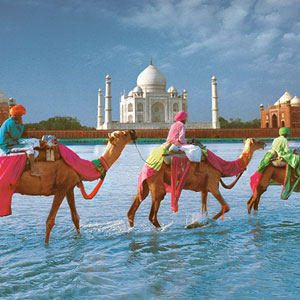
The Taj Mahal sets the standard for romance, find out the best way to visit the extraordinary 17th century marble mausoleum.
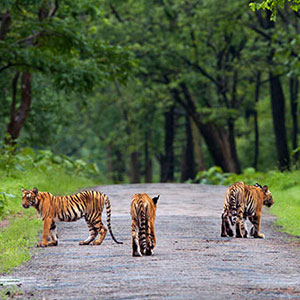
Learn the do’s and don’ts, and the oohs and aahs, of tiger safaris in India, where the majority of the world's striped stunners live.
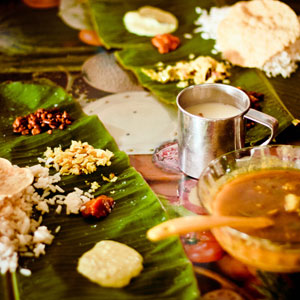
Exploring India through food gives insight into the country's culture, history and geography.
Travelling around India with kids is like opening a vivid picture book and sinking into a different story every day.
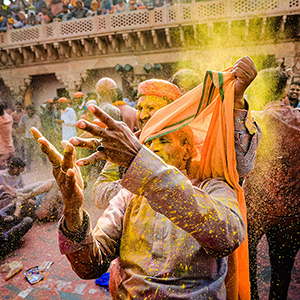
Ranging from one of the world’s biggest gatherings, to a tiny but lovely bird watching event in the hills of north India.
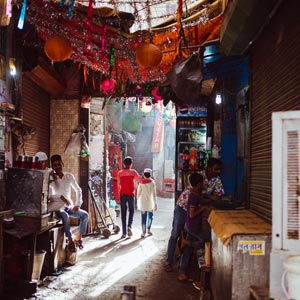
Prepare for an assault on the senses as you get ready for India for the first time.
Our India travel tips explain how to get the most from a wonderful cultural adventure, from experts who've done it all before.
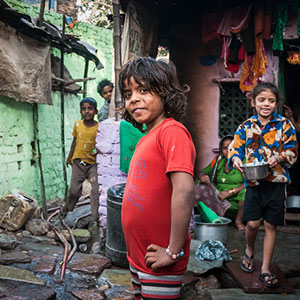
Responsible travel issues in India include poverty, conservation and animal welfare.
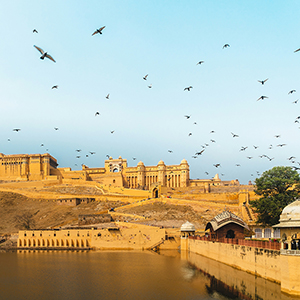
Is it really possible to see it all when you visit India? Here’s how to get the most out of your trip on a grand tour.
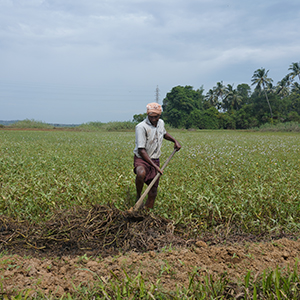
Every region of India will be affected by climate change in different ways.
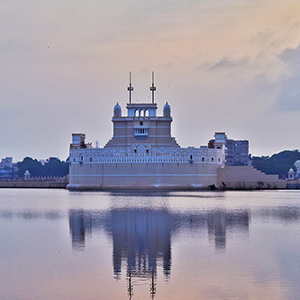
Gujarat rivals anything its more popular neighbour Rajasthan can offer, without the crowds.
Find all of our India guides in one place, for particular places in India such as Rajasthan, Kerala or the Himalayas...




















#/media/File:A_group_of_Hijra_in_Bangladesh.jpg)
