How will climate change affect holidays in India?
In Ladakh, they call him ‘the Iceman’.
Chewang Norphel is a retired civil engineer who spent his career in this mountainous region of northern India. One of his most memorable accomplishments came after he observed that Himalayan glaciers were shrinking, depriving local farms of water. Taking inspiration from frozen pools of water near a running tap in his home village, he realised that by slowing mountain streams he could create artificial glaciers that would then slowly melt in the spring, improving irrigation for the fields of nearby villages.
Ladakh was once almost self-sufficient, but as international tourism to the region has rapidly increased in recent decades, packaged goods transported over the Himalayas now line the shelves in markets, and traditional Ladakhi restaurants are a rarity. Ladakhi agriculture is in decline and many farmers are simply giving up. Thirty years after his moment of inspiration, Chewang’s nature-based solution continues to provide secure water supplies, and larger, more regular harvests for many farms that without them might already have been abandoned altogether.
Yet while the Iceman of Ladakh may have come up with a clever solution, his glaciers are still dependent on winter snow. And snowfall is decreasing as the climate warms – down more than 18 percent between 2019 and 2021, while average temperatures are climbing rapidly – an increase of up to 4.7°C by 2100 has been projected by India’s Ministry of Earth Sciences. A region known for its peacefulness is now shrouded in uncertainty about the future, the artificial glaciers an attempt to combat a problem that’s all too real.
Chewang Norphel is a retired civil engineer who spent his career in this mountainous region of northern India. One of his most memorable accomplishments came after he observed that Himalayan glaciers were shrinking, depriving local farms of water. Taking inspiration from frozen pools of water near a running tap in his home village, he realised that by slowing mountain streams he could create artificial glaciers that would then slowly melt in the spring, improving irrigation for the fields of nearby villages.
Ladakh was once almost self-sufficient, but as international tourism to the region has rapidly increased in recent decades, packaged goods transported over the Himalayas now line the shelves in markets, and traditional Ladakhi restaurants are a rarity. Ladakhi agriculture is in decline and many farmers are simply giving up. Thirty years after his moment of inspiration, Chewang’s nature-based solution continues to provide secure water supplies, and larger, more regular harvests for many farms that without them might already have been abandoned altogether.
Yet while the Iceman of Ladakh may have come up with a clever solution, his glaciers are still dependent on winter snow. And snowfall is decreasing as the climate warms – down more than 18 percent between 2019 and 2021, while average temperatures are climbing rapidly – an increase of up to 4.7°C by 2100 has been projected by India’s Ministry of Earth Sciences. A region known for its peacefulness is now shrouded in uncertainty about the future, the artificial glaciers an attempt to combat a problem that’s all too real.

‘Heat islands’
In May, India is one of the hottest places on the planet. As the effects of climate change unfold, heatwaves will get more frequent and more severe. Couple that with the fact that this is the world’s most populous country, and the risk of disaster is evident. Between March and May 2022, over a billion people in India and neighbouring countries sweltered under dangerously high temperatures (up to 50°C at its peak), and it’s thought that the climate crisis made that heatwave up to 30 times more likely.Built-up urban areas, cities such as Delhi, Jaipur, Mumbai and Hyderabad, become ‘heat islands’ where the temperature stays higher for longer. Holidaymakers will increasingly have to seek out air-conditioned accommodations and stick to the shade, especially in the middle of the day. City sightseeing among large crowds will be a sticky, uncomfortable business. Travellers and tourism businesses may face tighter restrictions on water consumption and cooling to minimise strain on resources.
It's true that India has always been uncomfortably warm in summer, and very wet in the monsoon. Most people visit the country between September and April, thereby avoiding the worst of the heat and the rains. In years to come the optimal travel season will get narrower. And every part of this vast, thrilling country will experience a more erratic climate, with higher highs, wetter wet periods, and freak weather events likely to become more and more regular.
How will climate change affect India wildlife holidays?
India’s National Wildlife Action Plan for 2017-2031 was published by the government-mandated Wildlife Institute of India which was created to protect and restore the country’s biodiversity. The plan acknowledges the gravity of the threat from climate change to myriad ecosystems and weighs with the need to better manage wildlife tourism. In some well-visited national parks it can seem at times that getting the perfect sighting is valued more than the animals’ comfort, or communing with nature.
Wildlife-watching holidays in India will inevitably be affected by a warming climate, as species are forced to adapt to their changing circumstances over time. Drought, and higher temperatures, are likely to influence the distribution and migratory patterns of hundreds of Indian bird species. Snow leopards, already vulnerable to extinction, will be forced to change territories as other big cats such as tigers and leopards encroach on their hunting grounds. Shrinking habitat will likely also push them closer to human settlements. While that should make them easier for wildlife-watchers to spot, it could also lead to conflict with farming communities, and we all know who usually comes out on top in that situation.
Elephants meanwhile, though beloved by tourists, are often viewed as a threat to crops and safety in rural communities. Drought conditions will increasingly bring them into conflict with humans over water and food. And extreme weather events such as cyclones, flooding and heatwaves also wreak havoc on wildlife populations just as they do on humans. In 2022, floods in Assam’s Kaziranga National Park killed at least twelve rhinos.
Environmental pressures will lead to population declines, again making wildlife harder to see, even as the importance of healthy biodiversity to combating climate change is acknowledged. It’s long been known that plants and soil can act as ‘carbon sinks’ – absorbing more carbon from the atmosphere than they release – but the presence, movements and behaviours of animals can powerfully affect how effective that sequestering is. Remove the animals from the ecosystem, and it won’t work as well.
Responsible wildlife holidays in India already use excellent guides who don’t simply point the animals out, but explain their behaviours and roles in the ecosystems they inhabit. In future, expect to hear more discussion of biodiversity and its role in staving off the worst effects of climate change. You can also expect talk not only about what’s out there in the jungles and forests and rivers, but what’s missing.
Wildlife-watching holidays in India will inevitably be affected by a warming climate, as species are forced to adapt to their changing circumstances over time. Drought, and higher temperatures, are likely to influence the distribution and migratory patterns of hundreds of Indian bird species. Snow leopards, already vulnerable to extinction, will be forced to change territories as other big cats such as tigers and leopards encroach on their hunting grounds. Shrinking habitat will likely also push them closer to human settlements. While that should make them easier for wildlife-watchers to spot, it could also lead to conflict with farming communities, and we all know who usually comes out on top in that situation.
Elephants meanwhile, though beloved by tourists, are often viewed as a threat to crops and safety in rural communities. Drought conditions will increasingly bring them into conflict with humans over water and food. And extreme weather events such as cyclones, flooding and heatwaves also wreak havoc on wildlife populations just as they do on humans. In 2022, floods in Assam’s Kaziranga National Park killed at least twelve rhinos.
Environmental pressures will lead to population declines, again making wildlife harder to see, even as the importance of healthy biodiversity to combating climate change is acknowledged. It’s long been known that plants and soil can act as ‘carbon sinks’ – absorbing more carbon from the atmosphere than they release – but the presence, movements and behaviours of animals can powerfully affect how effective that sequestering is. Remove the animals from the ecosystem, and it won’t work as well.
Responsible wildlife holidays in India already use excellent guides who don’t simply point the animals out, but explain their behaviours and roles in the ecosystems they inhabit. In future, expect to hear more discussion of biodiversity and its role in staving off the worst effects of climate change. You can also expect talk not only about what’s out there in the jungles and forests and rivers, but what’s missing.
How will climate change affect holidays in Kerala?
Cool and refreshing, with sunshine never far away after every heavy shower, the monsoons have always been popular times to visit the southern state of Kerala. Even the strongest rains rarely last for more than three or four days. Recent years, however, have seen the rains spread throughout the year, apart from December to March.
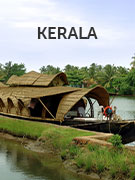
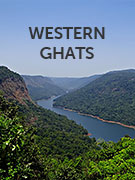
Kerala lies between the Western Ghats mountains to the east and the Arabian Sea to the west, a small and densely populated state threaded with more than forty rivers. It is vulnerable not only to flooding (extreme rainfall events are projected to increase in future) but also drought. Houseboat cruises are a romantic and atmospheric way to explore the Kerala Backwaters – a labyrinth of canals, lagoons, lakes and islands fringed with lush vegetation. But bodies of water can diminish or dry up entirely during severe heatwaves, and if water levels fall then getting around by boat becomes a lot harder.
As a coastal state, naturally Kerala is also very popular for beach holidays. But some 60 percent of its coastline is suffering from erosion, much of it caused by unsustainable development to benefit tourism – dredging canals, damming rivers, mining sand for beaches. Some communities have already disappeared entirely, residents uprooted and trapped in refugee camps, and as sea levels rise others will follow. Meanwhile costly prevention work such as installing barriers will be needed if some resorts are to survive.
Erosion is also one cause of significant flooding. In August 2018 the state was hit by the worst floods in a century, tragically killing hundreds, destroying homes, roads and livelihoods. Much of the devastation was blamed on the mismanagement of dams, but rainfall in the southwest monsoon had been up to 164 percent above normal that August. Monsoon rains triggered flooding and landslides in 2019 as well, again resulting in the deaths of hundreds of people. Extreme rainfall, flash flooding, and unsustainable development are all contributing to devastating landslides becoming regular in Kerala, while changing rainfall patterns such as this are likely to affect holidays around the country in future, as far as Ladakh in the far north.
Kerala lies between the Western Ghats mountains to the east and the Arabian Sea to the west, a small and densely populated state threaded with more than forty rivers. It is vulnerable not only to flooding (extreme rainfall events are projected to increase in future) but also drought. Houseboat cruises are a romantic and atmospheric way to explore the Kerala Backwaters – a labyrinth of canals, lagoons, lakes and islands fringed with lush vegetation. But bodies of water can diminish or dry up entirely during severe heatwaves, and if water levels fall then getting around by boat becomes a lot harder.
As a coastal state, naturally Kerala is also very popular for beach holidays. But some 60 percent of its coastline is suffering from erosion, much of it caused by unsustainable development to benefit tourism – dredging canals, damming rivers, mining sand for beaches. Some communities have already disappeared entirely, residents uprooted and trapped in refugee camps, and as sea levels rise others will follow. Meanwhile costly prevention work such as installing barriers will be needed if some resorts are to survive.
Erosion is also one cause of significant flooding. In August 2018 the state was hit by the worst floods in a century, tragically killing hundreds, destroying homes, roads and livelihoods. Much of the devastation was blamed on the mismanagement of dams, but rainfall in the southwest monsoon had been up to 164 percent above normal that August. Monsoon rains triggered flooding and landslides in 2019 as well, again resulting in the deaths of hundreds of people. Extreme rainfall, flash flooding, and unsustainable development are all contributing to devastating landslides becoming regular in Kerala, while changing rainfall patterns such as this are likely to affect holidays around the country in future, as far as Ladakh in the far north.
How might climate change affect holidays in Ladakh?
As strategically important as it is serenely beautiful, Ladakh has long been tussled over by India, China, and Pakistan, the constant military presence requiring significant supplies of food and water. These resources are now coming under even greater strain as trekking and spiritual tourism increases to this remote region, as the effects of a warming climate on weather systems and ancient glaciers begin to be felt.
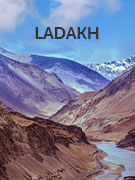
Characterised by stark, steep terrain with few signs of greenery amid the rock, Ladakh has only been open to tourists since 1974 due to political tensions. Traditional Buddhist culture flourishes here amid small villages, monasteries and gompas (places for solitary meditation), and in many respects this region feels closer to Tibet than it does the rest of India. This sense of otherworldly spirituality is a big draw for travellers, as is the opportunity to trek, or cycle, at high altitude amid mountains that scrape the sky.
Tourism in Ladakh has brought jobs and economic growth, as well as chances for local people to share their ways of life while engaging with the cultural background of their visitors. But tourism also brings challenges. Increasing numbers of communities are turning away from agriculture, with international foods more in-demand for tourist establishments than traditional Ladakhi cuisine. In some cases they are now dependent on a constant stream of visitors, with limited alternative sources of income. Accommodation using showers and flush toilets meanwhile use up water that is already scarce, especially in summer, the prime tourism season.
And a recent policy change to allow people from outside Kashmir and Jammu to purchase land in Ladakh is leading to fears that large-scale tourism enterprises will move in. Without that connection to the land, and an understanding of how people have survived in this barren region by respecting the environment, it’s feared these businesses could put further strain on resources.
These pressures are being exacerbated by a warming climate that will have some of its most significant effects in mountainous areas. Ladakh’s glaciers are shrinking, which means less snowmelt to irrigate farmland during the summer. The region typically receives as little as 103mm of rain every year. In 2022, Drung-Drung, the second-largest glacier in Ladakh, was five times thinner than normal. Farmers have now taken to building ice stupas, towers of ice that resemble Buddhist shrines, that melt gradually into fields, while the owners of some tourist accommodations are having to dig their own boreholes to find water. At the same time, glacier melt can lead to flash floods, Ladakh’s rocky landscape struggling to absorb enough water.
Rainfall is increasing in Ladakh, but it’s often torrential, erratic rain. Rain that swells streams and rivers, causing flooding and landslides. Roofs here, traditionally built from clay, stone, or wood, are good at withstanding big dumps of snow but they are vulnerable to heavy precipitation. They’re being replaced with tin or concrete instead, which may function better but lacks the aesthetic appeal for visitors. Meanwhile rain continues to damage historic monasteries and temples, putting the Buddhist sculptures and paintings within them at risk.
Holidays to Ladakh will change. There will be much more of an emphasis on saving water in accommodations, and trekkers will need to factor in the risk of flooding and unpredictable heavy rain.
Characterised by stark, steep terrain with few signs of greenery amid the rock, Ladakh has only been open to tourists since 1974 due to political tensions. Traditional Buddhist culture flourishes here amid small villages, monasteries and gompas (places for solitary meditation), and in many respects this region feels closer to Tibet than it does the rest of India. This sense of otherworldly spirituality is a big draw for travellers, as is the opportunity to trek, or cycle, at high altitude amid mountains that scrape the sky.
Tourism in Ladakh has brought jobs and economic growth, as well as chances for local people to share their ways of life while engaging with the cultural background of their visitors. But tourism also brings challenges. Increasing numbers of communities are turning away from agriculture, with international foods more in-demand for tourist establishments than traditional Ladakhi cuisine. In some cases they are now dependent on a constant stream of visitors, with limited alternative sources of income. Accommodation using showers and flush toilets meanwhile use up water that is already scarce, especially in summer, the prime tourism season.
And a recent policy change to allow people from outside Kashmir and Jammu to purchase land in Ladakh is leading to fears that large-scale tourism enterprises will move in. Without that connection to the land, and an understanding of how people have survived in this barren region by respecting the environment, it’s feared these businesses could put further strain on resources.
These pressures are being exacerbated by a warming climate that will have some of its most significant effects in mountainous areas. Ladakh’s glaciers are shrinking, which means less snowmelt to irrigate farmland during the summer. The region typically receives as little as 103mm of rain every year. In 2022, Drung-Drung, the second-largest glacier in Ladakh, was five times thinner than normal. Farmers have now taken to building ice stupas, towers of ice that resemble Buddhist shrines, that melt gradually into fields, while the owners of some tourist accommodations are having to dig their own boreholes to find water. At the same time, glacier melt can lead to flash floods, Ladakh’s rocky landscape struggling to absorb enough water.
Rainfall is increasing in Ladakh, but it’s often torrential, erratic rain. Rain that swells streams and rivers, causing flooding and landslides. Roofs here, traditionally built from clay, stone, or wood, are good at withstanding big dumps of snow but they are vulnerable to heavy precipitation. They’re being replaced with tin or concrete instead, which may function better but lacks the aesthetic appeal for visitors. Meanwhile rain continues to damage historic monasteries and temples, putting the Buddhist sculptures and paintings within them at risk.
Holidays to Ladakh will change. There will be much more of an emphasis on saving water in accommodations, and trekkers will need to factor in the risk of flooding and unpredictable heavy rain.
India’s climate crisis
Opinions do vary widely on the extent to which travel in India will be affected by the climate crisis. Visitors have traditionally avoided the monsoons and the heat of summer, and it will continue to be the case that in years to come travel outside May and August will still be enjoyable for the most part.
But at the same time India is among the countries most vulnerable to a rapidly warming climate, and a wide range of severe impacts are thought likely. These effects such as extreme heat, drought, unpredictable rainfall and sea level rise, will inevitably be felt in the peak season (October to March) too, and take a toll on how we travel here.
Learn more about how you can reduce your holiday's carbon emissions
But at the same time India is among the countries most vulnerable to a rapidly warming climate, and a wide range of severe impacts are thought likely. These effects such as extreme heat, drought, unpredictable rainfall and sea level rise, will inevitably be felt in the peak season (October to March) too, and take a toll on how we travel here.
Learn more about how you can reduce your holiday's carbon emissions
More India articles
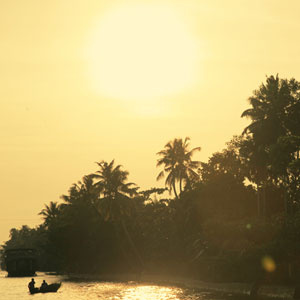
Weather-wise, the best time to visit India tends to be between October to March, when much of the country is dry and warm.
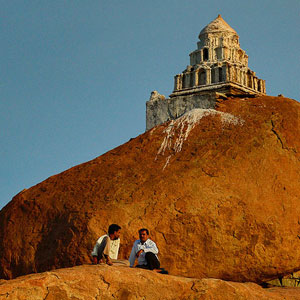
The Golden Triangle is a cultural journey, Kerala’s backwaters invite relaxed travellers, and Ladakh has snow leopards.
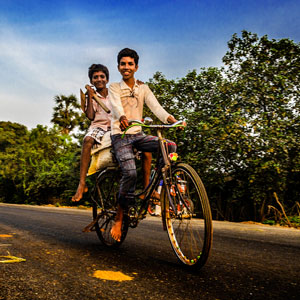
It is vast and, therefore, can be overwhelming, so take some time to look at our map and highlights to help you.
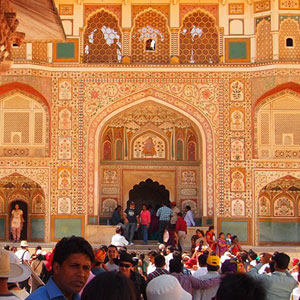
The Golden Triangle is a three-sided circuit with Delhi, Agra and Jaipur standing at each corner.
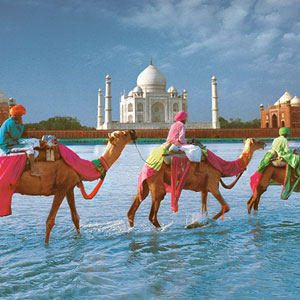
The Taj Mahal sets the standard for romance, find out the best way to visit the extraordinary 17th century marble mausoleum.
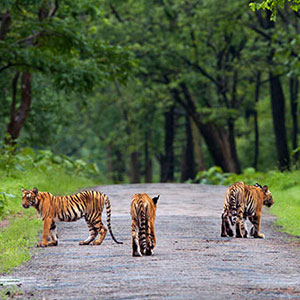
Learn the do’s and don’ts, and the oohs and aahs, of tiger safaris in India, where the majority of the world's striped stunners live.
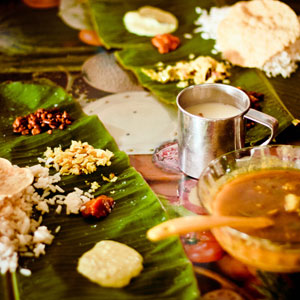
Exploring India through food gives insight into the country's culture, history and geography.
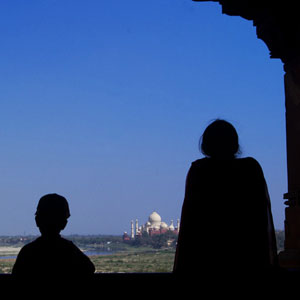
Travelling around India with kids is like opening a vivid picture book and sinking into a different story every day.
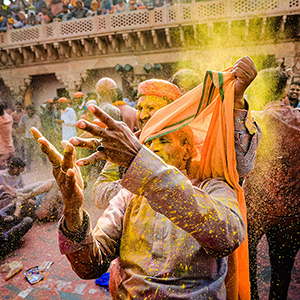
Ranging from one of the world’s biggest gatherings, to a tiny but lovely bird watching event in the hills of north India.
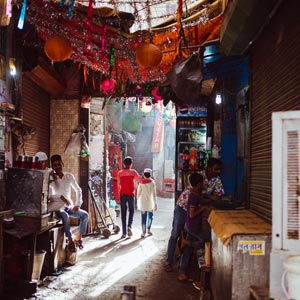
Prepare for an assault on the senses as you get ready for India for the first time.
Our India travel tips explain how to get the most from a wonderful cultural adventure, from experts who've done it all before.
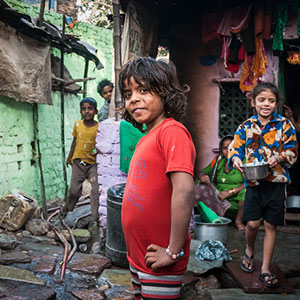
Responsible travel issues in India include poverty, conservation and animal welfare.
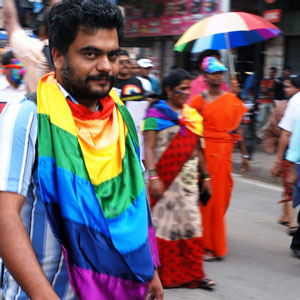
A creeping acceptance of LGBTQ+ rights is spreading across the country. Here's what to expect as a LGBTQ+ traveller.
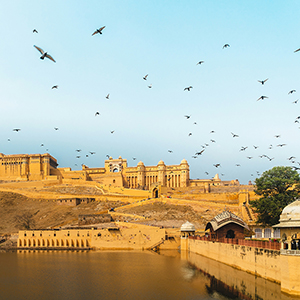
Is it really possible to see it all when you visit India? Here’s how to get the most out of your trip on a grand tour.
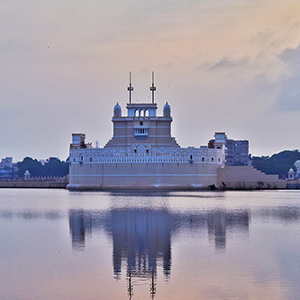
Gujarat rivals anything its more popular neighbour Rajasthan can offer, without the crowds.
Find all of our India guides in one place, for particular places in India such as Rajasthan, Kerala or the Himalayas...