How to do a grand tour of India
How to get the most out of your trip to India – and why it’s impossible to ‘see it all’.
On my first trip to India, I sailed through immigration on a high… only to be brought back down to earth outside the airport terminal: “You got the wrong visa!” said my friend, examining the stamp, “You should have got the five-year option – what if you want to come back?”
It was only a few days later, realising that my trip would be over far too soon, that I realised: they were right. I’d made a terrible mistake. I wanted to come back and see more – I wanted to see all of it!
India is the world’s seventh largest country, with 110 national parks and 44 UNESCO sites. It is also the world’s most populous nation. Its 1.4+ billion people makes for intense cultural density. There are 22 official languages, but around 1,000 mother tongues spoken. India is the birthplace of four major world religions and 104 million tribal people.
“It's like visiting Africa or South America,” Sanjay Oberoi from our expert partner Bespoke India Travel tells me. “You need to take things in bitesize chunks because it's so huge.”
Unless you run yourself ragged for months, you’re never going to see it all, but with a longer trip, you can try. A word of warning before you fill out that visa, though: you’ll probably still want to come back.
On my first trip to India, I sailed through immigration on a high… only to be brought back down to earth outside the airport terminal: “You got the wrong visa!” said my friend, examining the stamp, “You should have got the five-year option – what if you want to come back?”
It was only a few days later, realising that my trip would be over far too soon, that I realised: they were right. I’d made a terrible mistake. I wanted to come back and see more – I wanted to see all of it!
India is the world’s seventh largest country, with 110 national parks and 44 UNESCO sites. It is also the world’s most populous nation. Its 1.4+ billion people makes for intense cultural density. There are 22 official languages, but around 1,000 mother tongues spoken. India is the birthplace of four major world religions and 104 million tribal people.
“It's like visiting Africa or South America,” Sanjay Oberoi from our expert partner Bespoke India Travel tells me. “You need to take things in bitesize chunks because it's so huge.”
Unless you run yourself ragged for months, you’re never going to see it all, but with a longer trip, you can try. A word of warning before you fill out that visa, though: you’ll probably still want to come back.

Where to go for a grand tour of India

Start with the northwest states, then head to Rajasthan before moving to South India. Finally spend three or four days at the end in my favourite city: Mumbai!![]()

How much of India can you see on one trip? The answer, if you plump for a 17 day ‘Grand Tour’, a 23 day luxury tour or even a 37 day tour, is a lot. These ‘see them all’ trips take in some must-dos: usually around the Golden Triangle and then on to southern India’s western coast at Kerala.
“For first timers the obvious two regions most would have heard of are Golden Triangle with Rajasthan and Kerala,” says Sanjay.
If you’ve got a bit more time, Sanjay recommends giving yourself a bit of a runway to Rajasthan, exploring the more relaxed parts of the state of Himanchal Pradesh before heading to hectic Delhi and the rest of the Golden Triangle. “Start in Amritsar which is a less overwhelming arrival place then Delhi,” he recommends, seeing more of the state before you hit the more touristy Agra, Jaipur, Jodhpur and Udaipur.
“If you have the valuable commodity of time, you can have a two, three or even four-layered adventure,” says Sanjay, “I mean starting with the north-west states, then head to Rajasthan before moving to South India and finally spending three or four days at the end in my favourite city: Mumbai!”
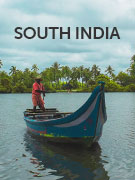
You don’t have to start with the Golden Triangle, of course. Our traveller Lesley Somerville tore up the rule book for their first trip to India and planned an ambitious itinerary across South India. “Think carefully and realistically about what you want to do and see,” they advised in their review, “And factor in travelling from one place to another via very slow Indian roads – or use trains which in our experience were efficient and much faster.”
“For first timers the obvious two regions most would have heard of are Golden Triangle with Rajasthan and Kerala,” says Sanjay.
If you’ve got a bit more time, Sanjay recommends giving yourself a bit of a runway to Rajasthan, exploring the more relaxed parts of the state of Himanchal Pradesh before heading to hectic Delhi and the rest of the Golden Triangle. “Start in Amritsar which is a less overwhelming arrival place then Delhi,” he recommends, seeing more of the state before you hit the more touristy Agra, Jaipur, Jodhpur and Udaipur.
“If you have the valuable commodity of time, you can have a two, three or even four-layered adventure,” says Sanjay, “I mean starting with the north-west states, then head to Rajasthan before moving to South India and finally spending three or four days at the end in my favourite city: Mumbai!”
You don’t have to start with the Golden Triangle, of course. Our traveller Lesley Somerville tore up the rule book for their first trip to India and planned an ambitious itinerary across South India. “Think carefully and realistically about what you want to do and see,” they advised in their review, “And factor in travelling from one place to another via very slow Indian roads – or use trains which in our experience were efficient and much faster.”
Golden Triangle with Ranthambore tour, India
India´s best experiences including the Taj Mahal & Tigers
From
£1424 to £1570
10 days
ex flights
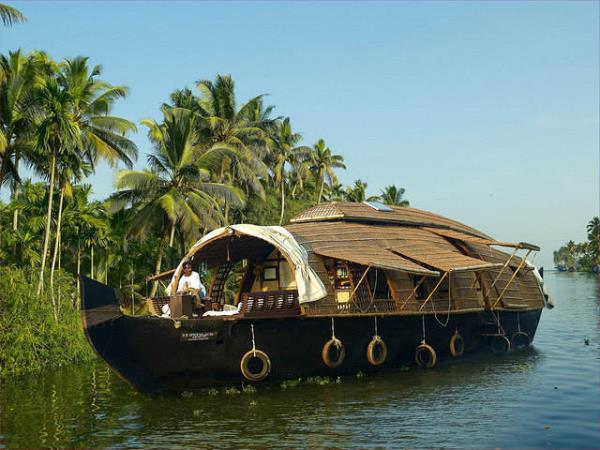
Kerala tailor made holiday, 11 days
Revitalize in Kerala - A most wonderful and balanced trip
From
£1285 to £1602
11 days
ex flights
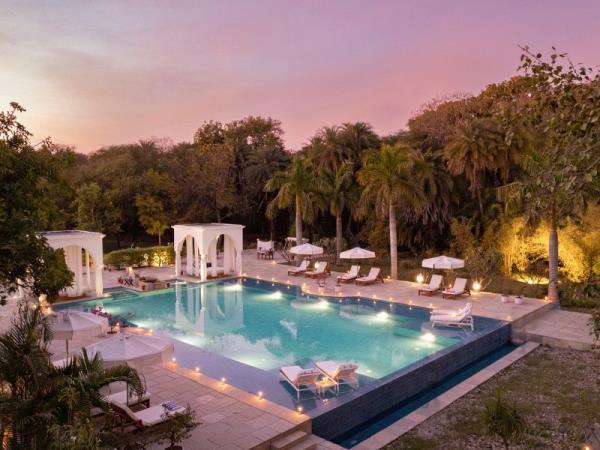
Rajasthan luxury private tour, regal residences
Luxury holiday to India staying in heritage properties
From
£6500 to £7900
16 days
ex flights
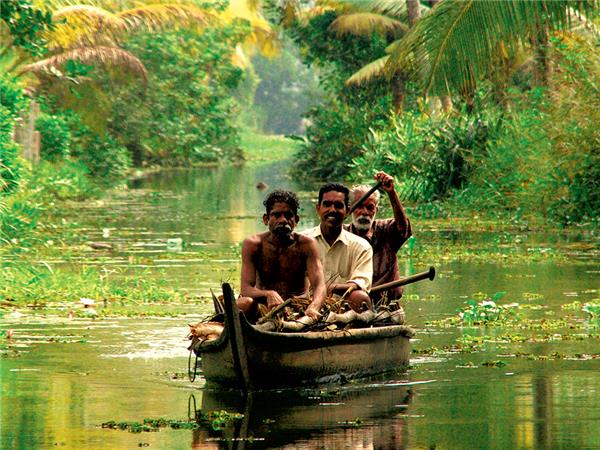
South India holiday, small group
Classic south Indian tour of Kerala from Chennai to Kovalam
From
£1076 to £1395
9 days
ex flights
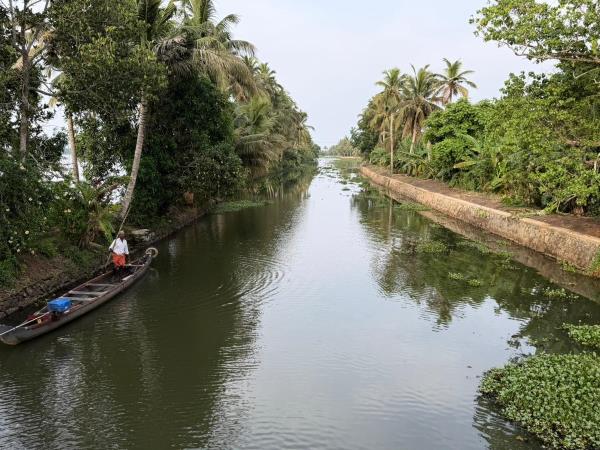
Kerala houseboat holiday, India
Set yourself afloat along the quiet Keralan backwaters on a one-bed crewed houseboat
From
£1740
10 days
inc UK flights
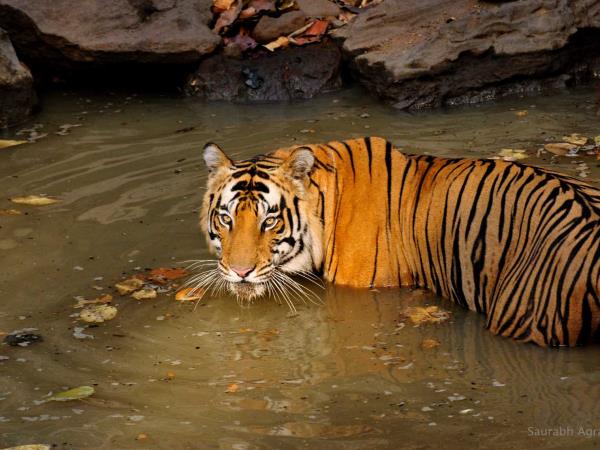
Wildlife holiday in Central India
Best of Indian wildlife with tiger, leopard and sloth bear
From
Rupee305000 to Rupee310000
12 days
ex flights


Contact Us

Call us for a chat about our holidays. We are happy to discuss your holiday and help in any way we can. No bots, queues or awful hold music.

01273 823 700
Call us tomorrow after 9am
Calling from outside the UK


Travelling 100km in India takes a lot more time than in the UK![]()
Covering ground
Tours that pack it in in a short space of time often use internal flights: linking north and south India by flying between Delhi and Trivandrum, Mumbai, or Goa. If you have more time, make use of India’s rail network, especially overnight trains: Delhi to Varanasi, Varanasi to Agra, Mumbai to Udaipur or Goa, Mysore to Madurai or Hampi.
The trains can be your best bet: you can travel all the way from Kolkata to Amritsar by train, crossing northern India from the Pakistan border to the border with Bangladesh: “An extraordinary opportunity to travel across India exploring so many different cities,” said our traveller Catherine Harriss.
However, travel can be slow. “Bear in mind that travelling 100km in India take a lot more time than in the UK – but it is exciting!” says our traveller Bernard Eddleston, who toured Karnataka and Kerala.
Not all roads are good in the country, and the more you distance you cover, the more tiring it can be. “Be wary of the road distances in India,” says our traveller John Aperghis who went across South India. “We probably covered too many miles and the children really got bored after multiple six hour journeys.”
The benefit of long overland tours is that you get to see some major highlights. Experts design the itinerary, and they know what’s possible each day without giving yourself fort fatigue among Rajasthan’s cities or travel sickness on long transfers.
Long journeys can be more fun if you’ve joined a small group. “There was lots of travelling so limited relaxation time,” says Victoria Dyer, a traveller on our South India overland tour. “Though even in in the minibus you could chat with others and watch the fascinating world go by.”
The trains can be your best bet: you can travel all the way from Kolkata to Amritsar by train, crossing northern India from the Pakistan border to the border with Bangladesh: “An extraordinary opportunity to travel across India exploring so many different cities,” said our traveller Catherine Harriss.
However, travel can be slow. “Bear in mind that travelling 100km in India take a lot more time than in the UK – but it is exciting!” says our traveller Bernard Eddleston, who toured Karnataka and Kerala.
Not all roads are good in the country, and the more you distance you cover, the more tiring it can be. “Be wary of the road distances in India,” says our traveller John Aperghis who went across South India. “We probably covered too many miles and the children really got bored after multiple six hour journeys.”
The benefit of long overland tours is that you get to see some major highlights. Experts design the itinerary, and they know what’s possible each day without giving yourself fort fatigue among Rajasthan’s cities or travel sickness on long transfers.
Long journeys can be more fun if you’ve joined a small group. “There was lots of travelling so limited relaxation time,” says Victoria Dyer, a traveller on our South India overland tour. “Though even in in the minibus you could chat with others and watch the fascinating world go by.”
The best approach is to travel slowly![]()
Go deep or go far: the trade-off
There are problems with trying to see it all, not least some of the language that gets used to promote it. After all, ‘grand tours’ of Europe to gain a classical education were originally the preserve of upper class 18th-century European and American men. The idea that you ‘do’ a destination – blitzing through, so you don’t need to return – riding on the same trains that were introduced by British imperialist predecessors – has its faults.
Instead of going too far, cover less, don’t rush, and go deep instead. “The best approach is to travel slowly,” says Sanjay. “Use local transport like trains, boats, rickshaws, and bikes (which we often do), and stay in more offbeat locations and boutique homestays where you can have a more meaningful interaction.” He advises travellers who are convinced they want to rush around and see it all. “We need to offer the best advice and that sometimes involves tempering a guest's enthusiasm for doing too much in a shorter amount of time.” Instead, Sanjay suggests slowing down, and instead opting for a third or fourth night in a destination from time to time, to settle in.
“Two nights then moving on was sometimes a bit rushed,” says our traveller Madeline Rose, who went on a tailor made 30-day ‘grand tour’. Instead, she wondered whether she should have opted for longer: “More three night stays – but then we would have seen less.” It remains a trade-off – after all, time and budget remain a consideration for most.
Our tours are designed with built in rest days, free afternoons, and opportunities for more local experiences that will make you feel like you’re stopping and staying, not passing through – like homestays, an afternoon spent with a local charity, or a workshop where you can immerse yourself end to end in a cooking or crafting process.
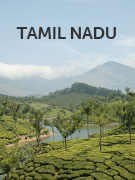
Alternatively, volunteer for deeper immersion. Volunteering opportunities aren’t grand tours, but they are often a granular look at an area of the country – the slum area around Fort Kochi, Kerala or tribal groups in the hills in Tamil Nadu. “We encourage our volunteers to come for a minimum for a month,” says Phillida Purvis MBE, co-founder of the PLENTI Project, who offer volunteer placements in the Nilgiri Mountains on projects that support underserved tribal groups. “It takes time to understand what is going on.”
Instead of going too far, cover less, don’t rush, and go deep instead. “The best approach is to travel slowly,” says Sanjay. “Use local transport like trains, boats, rickshaws, and bikes (which we often do), and stay in more offbeat locations and boutique homestays where you can have a more meaningful interaction.” He advises travellers who are convinced they want to rush around and see it all. “We need to offer the best advice and that sometimes involves tempering a guest's enthusiasm for doing too much in a shorter amount of time.” Instead, Sanjay suggests slowing down, and instead opting for a third or fourth night in a destination from time to time, to settle in.
“Two nights then moving on was sometimes a bit rushed,” says our traveller Madeline Rose, who went on a tailor made 30-day ‘grand tour’. Instead, she wondered whether she should have opted for longer: “More three night stays – but then we would have seen less.” It remains a trade-off – after all, time and budget remain a consideration for most.
Our tours are designed with built in rest days, free afternoons, and opportunities for more local experiences that will make you feel like you’re stopping and staying, not passing through – like homestays, an afternoon spent with a local charity, or a workshop where you can immerse yourself end to end in a cooking or crafting process.
Alternatively, volunteer for deeper immersion. Volunteering opportunities aren’t grand tours, but they are often a granular look at an area of the country – the slum area around Fort Kochi, Kerala or tribal groups in the hills in Tamil Nadu. “We encourage our volunteers to come for a minimum for a month,” says Phillida Purvis MBE, co-founder of the PLENTI Project, who offer volunteer placements in the Nilgiri Mountains on projects that support underserved tribal groups. “It takes time to understand what is going on.”
Small group or tailor made?
Our long, small group trips through India are fantastic value for money, and usually involve getting around by train and minibus with one or two internal flights.Can you spend thirty days in the company of the same people? If not, consider going tailor made. “You start with a blank canvas, find out what a guest absolutely wants to do, and then fill in the gaps with incredible places to see and experience in between,” says Sanjay., who helps customers design their dream tailor made trip.
“We did ask ourselves whether it was value for money, things being much cheaper in India,” says John, who had a tailor made south India tour, “But I think the whole ease of everything and inclusion of all the activities was money well spent.”
Having everything planned for you is a huge perk of going tailor made, especially if your tour runs for multiple weeks: a mammoth task to arrange for yourself – and many trips will organise you a driver to accompany you for the whole tour.
State pairs: combing regions on a single trip
Our suggestions for holidays that combine more than one state:More India articles
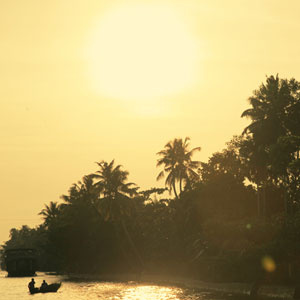
Weather-wise, the best time to visit India tends to be between October to March, when much of the country is dry and warm.
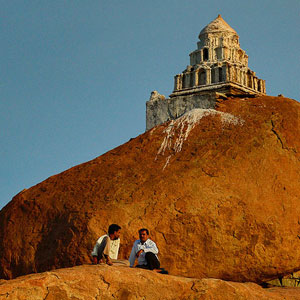
The Golden Triangle is a cultural journey, Kerala’s backwaters invite relaxed travellers, and Ladakh has snow leopards.
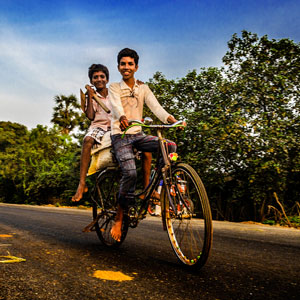
It is vast and, therefore, can be overwhelming, so take some time to look at our map and highlights to help you.
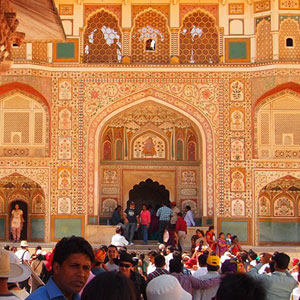
The Golden Triangle is a three-sided circuit with Delhi, Agra and Jaipur standing at each corner.
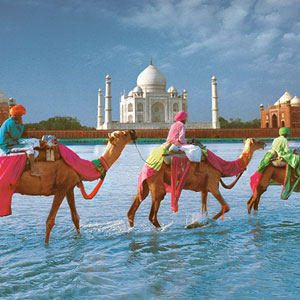
The Taj Mahal sets the standard for romance, find out the best way to visit the extraordinary 17th century marble mausoleum.
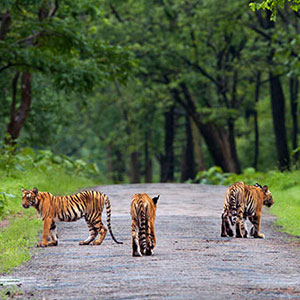
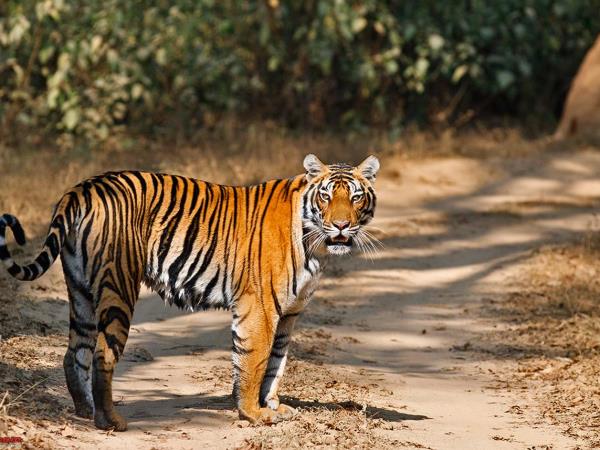
Learn the do’s and don’ts, and the oohs and aahs, of tiger safaris in India, where the majority of the world's striped stunners live.
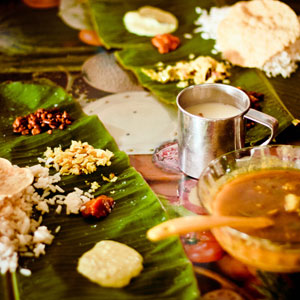
Exploring India through food gives insight into the country's culture, history and geography.
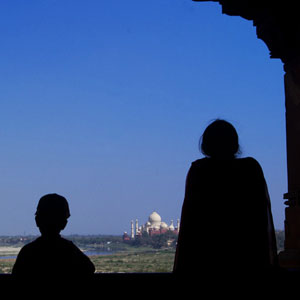
Travelling around India with kids is like opening a vivid picture book and sinking into a different story every day.
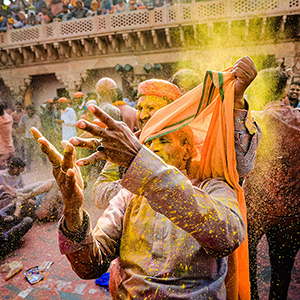
Ranging from one of the world’s biggest gatherings, to a tiny but lovely bird watching event in the hills of north India.
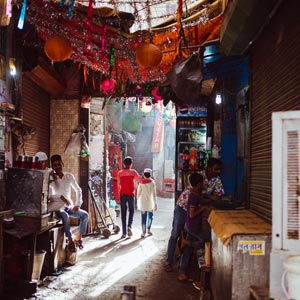
Prepare for an assault on the senses as you get ready for India for the first time.
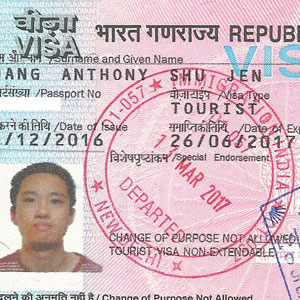
Our India travel tips explain how to get the most from a wonderful cultural adventure, from experts who've done it all before.
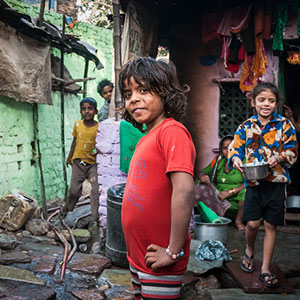
Responsible travel issues in India include poverty, conservation and animal welfare.
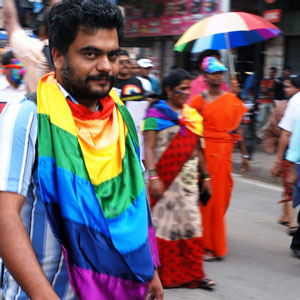
A creeping acceptance of LGBTQ+ rights is spreading across the country. Here's what to expect as a LGBTQ+ traveller.
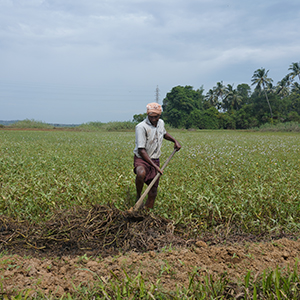
Every region of India will be affected by climate change in different ways.
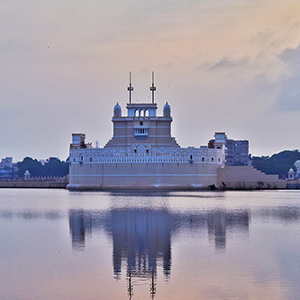
Gujarat rivals anything its more popular neighbour Rajasthan can offer, without the crowds.
Find all of our India guides in one place, for particular places in India such as Rajasthan, Kerala or the Himalayas...