Best time to visit Europe
There is no right or wrong time to travel through Europe. The summer months, peak season, tend to see the nicest weather, but also the biggest crowds and the highest prices. Some cities including Dubrovnik, Barcelona and Venice have been experiencing severe problems with overtourism during the peak season, which can naturally have an impact on your enjoyment. But other parts of Europe, the Baltics, Scandinavia or the UK for instance, are best seen in peak season when the weather is warmest and most reliable.
Conversely, the off-peak season, which normally lasts between November and March, involves much more unpredictable weather, with rain, snow and cold temperatures likely in many parts of Europe, and shorter days. But at the same time, visitor numbers drop off sharply in most places, slashing queues at even the most popular landmarks.
The shoulder seasons of late spring and early autumn are a good time to visit Europe. Through April, May and early June, and late September through to October and November, you should enjoy smaller crowds, but still pleasant weather, and plenty of daylight. The countryside is normally at its most beautiful in these months as well.
Conversely, the off-peak season, which normally lasts between November and March, involves much more unpredictable weather, with rain, snow and cold temperatures likely in many parts of Europe, and shorter days. But at the same time, visitor numbers drop off sharply in most places, slashing queues at even the most popular landmarks.
The shoulder seasons of late spring and early autumn are a good time to visit Europe. Through April, May and early June, and late September through to October and November, you should enjoy smaller crowds, but still pleasant weather, and plenty of daylight. The countryside is normally at its most beautiful in these months as well.

Visiting Europe, month by month guide

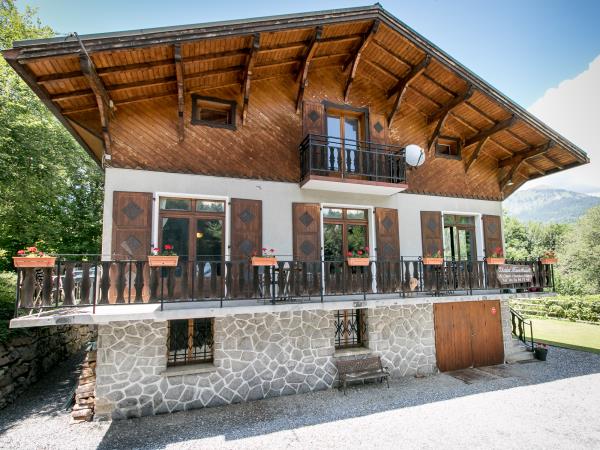
Family activity holiday in the French Alps
Catered Chalet Based Adventure Holiday in the French Alps
From
£720
8 days
ex flights
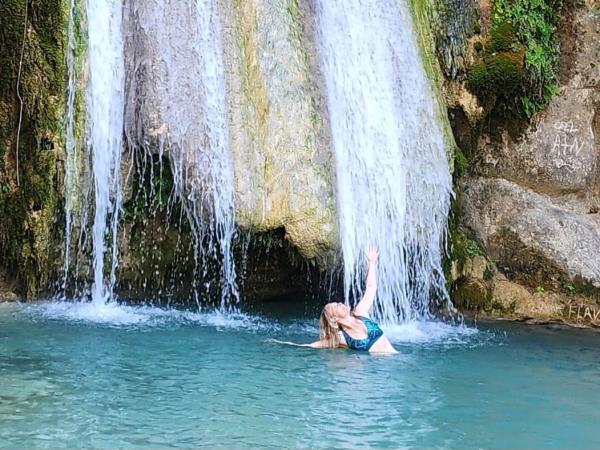
Multi activity holiday in Greece, Peloponnese
Amazing adventures and activities in the unique Peloponnese
From
£1750
8 days
ex flights

Cooking and walking holiday, Spanish Pyrenees
Gastronomy and beautiful walks in the Spanish Pyrenees.
From
€1995
8 days
ex flights
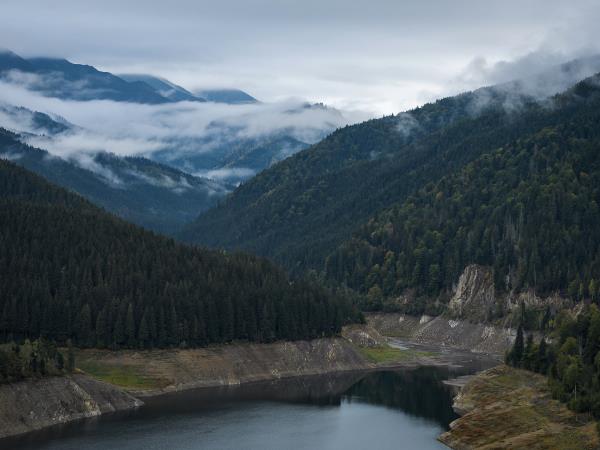
Romania wildlife holiday stay in wildlife hides
Explore some of the wildest forests of Europe
From
€580 to €756
4 days
ex flights
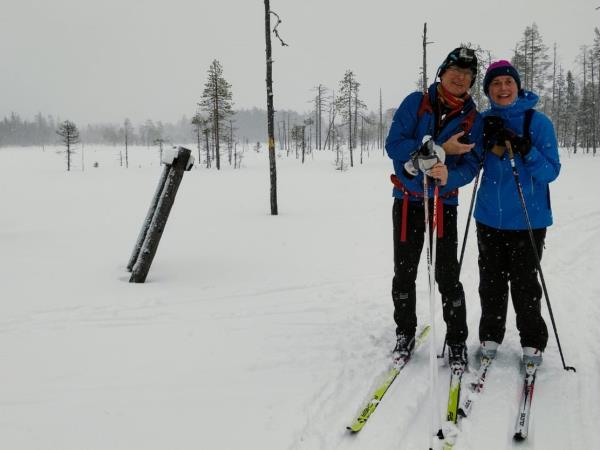
Cross-country skiing holiday in Finland's eastern wilderness
Guided country skiing holiday through remote eastern Finland
From
€1280
7 days
ex flights
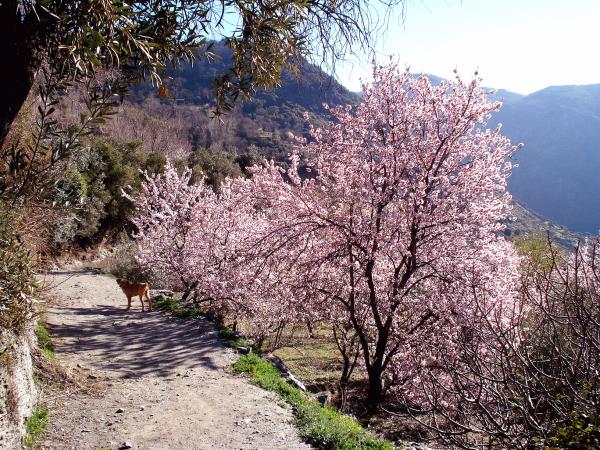
Las Alpujarras walking holiday, Spain
Guided walking holiday in the Alpujarras of Andalucia
From
€1430
7 days
ex flights


Contact Us

Call us for a chat about our holidays. We are happy to discuss your holiday and help in any way we can. No bots, queues or awful hold music.

01273 823 700
Call us after 10am
Calling from outside the UK


Changing climate
Generally speaking, Europe gets colder the further east and north you go. In the far south, the climate is Mediterranean, sunny and warm even into late autumn, while to the east it’s far more continental, with seasons that are clearly defined. Northern and Western Europe have an oceanic, milder climate.
Some countries, such as Spain and Portugal, can get seriously hot during July and August, while parts of Europe frequently see bouts of heavy snow between December, January and February. Spring and autumn are often marked by torrential downpours in parts of Europe, overcast skies adding to the atmosphere.
More Europe articles
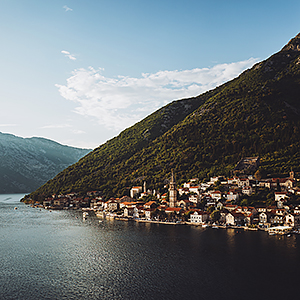
Our guide lifts the lid on what we rate and what we don’t, including information about the food, shopping and people.
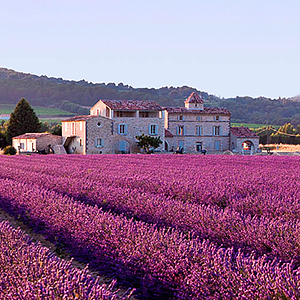
Read our highlights for ideas on where to go in Europe. They'll help you get to grips with distances and travel times.
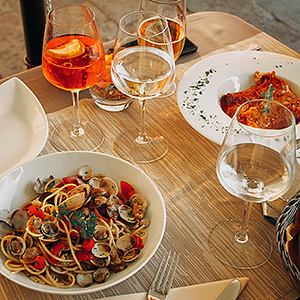
Discover why cooking and food holidays in the Mediterranean are a feast.
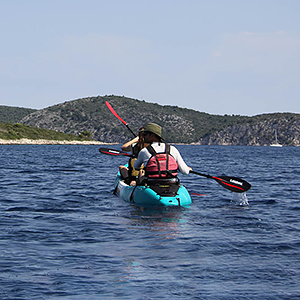
Find out which tours have made our top 10 European adventure breaks.
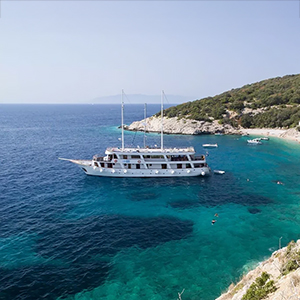
Our pick of the fleet, with a range of destinations and vessels to inspire.
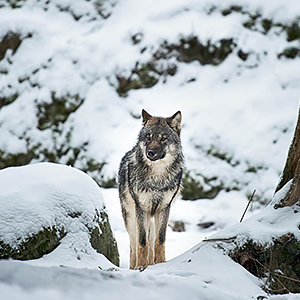
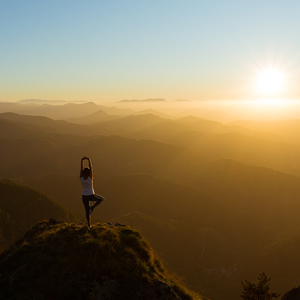
From studios high in the Austrian Alps to sailing boats – take a look at our best retreats.
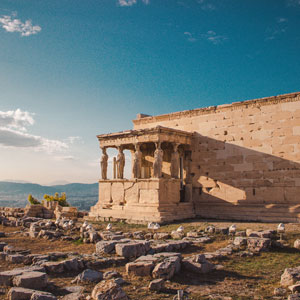
Whether exploring countries or one region, your first visit offers a continent of experiences.
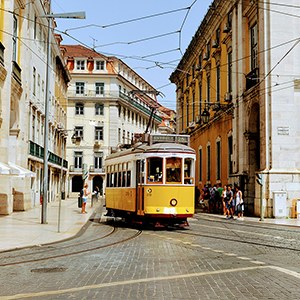
From hotel room sizes to tipping, and the joys of public transport.
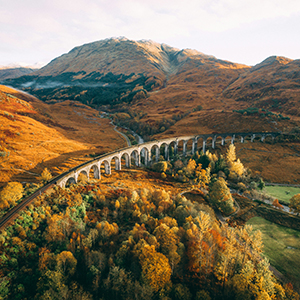
Leaves are turning, wildlife is foraging, and food festivals are in full swing.
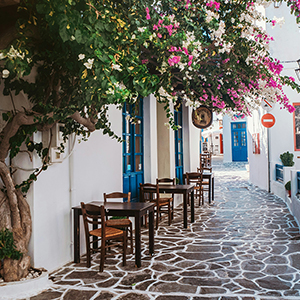
Discover why we recommend Europe in spring, from wildflowers to the weather.
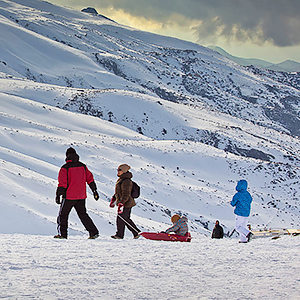
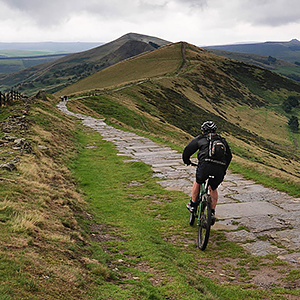
Our top activities in Europe range from activity holidays and wildlife watching to cultural touring and cookery classes.
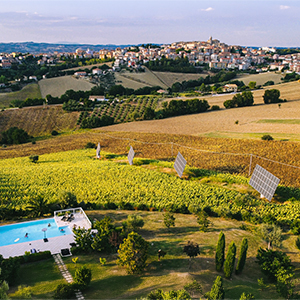
Risks, and some opportunities, from more extreme weather.
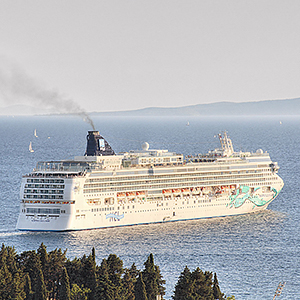
Overdevelopment, cruise ships, pollution and captive cetaceans are all hot topics.
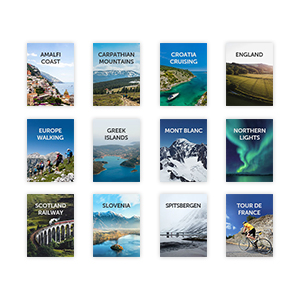
Find all our Europe guides in one place, from Croatia to Finland and everything in-between.