Top tips for Americans visiting Europe
Not long ago I was on a flight from London to Iceland. I got chatting to the American couple next to me, who were on their way home to Seattle after their annual visit to see relatives in the UK. After comparing notes on our aeroplane reading, the weather of our respective home countries, and whether it was too early in the morning for a drink (it was not), I asked them what they found it hard adjusting to whenever they visited Europe. The answer came back: “The hotel rooms. Always the size of the hotel rooms.” A typical European hotel room is around a third smaller than an American one. But the amount of space you’ll have to park your suitcase is far from the only thing American travellers need to know when visiting Europe, so we’ve compiled a list of tips covering everything from visa requirements and public transport to whether it’s safe to drink the water.

Wi-Fi
Wi-Fi coverage across Europe is excellent. Most hotels offer it free of charge, as do many cafés and bars. You can even get in on public transport in some countries, though it’s not super reliable. If you’re going to be travelling in Europe for any length of time, then the most cost-effective and convenient solution is going to be either purchasing an international plan before you leave home or buying a local SIM card on arrival. If you buy one in a country that is part of the European Union (EU) then it will also work on the same rate in other EU countries. An eSim is an increasingly popular alternative, not requiring a physical sim card, and allowing you to quickly switch between carriers which is very handy if you’ve visiting multiple countries.
ETIAS and ETA advice for Americans
The European Union’s ETIAS travel authorisation system will apply to American travellers, but it will not come into force until the last quarter of 2026. It’s expected that most applications for travel authorisation will take just minutes to be processed and cost €7.
The ETIAS will be valid for three years or until your passport expires and can be used for short term vacations (up to 90 days in any 180-day period). Find out more details on how to apply for the ETIAS. There is a similar but different system for visiting the UK. You need to apply in advance for an Electronic Travel Authorisation (ETA) which costs £10 and usually takes three days to come through. Most American travellers, including babies, will need to apply for an ETA.
Passports must have at least six months validity remaining from the end of your trip. The Schengen Agreement allows visa-free travel through most European countries.
The ETIAS will be valid for three years or until your passport expires and can be used for short term vacations (up to 90 days in any 180-day period). Find out more details on how to apply for the ETIAS. There is a similar but different system for visiting the UK. You need to apply in advance for an Electronic Travel Authorisation (ETA) which costs £10 and usually takes three days to come through. Most American travellers, including babies, will need to apply for an ETA.
Passports must have at least six months validity remaining from the end of your trip. The Schengen Agreement allows visa-free travel through most European countries.
Most Europeans speak good English
Europe has 24 ‘official’ languages, but there are over 200 spoken across the continent. Don’t worry about struggling to be understood, though. Most people speak at least basic English, and many do so fluently. That said, if you’re only going to one or two countries then it can be useful to learn a few basic phrases before departure. Even if you only master Hello, Please and Thank You in the local lingo, it will be appreciated.
Making reservations
Popular attractions like the Louvre in Paris, the Coliseum in Rome or the Alhambra in Granada should be booked in advance, and so should any tours that you’re hoping to join, to avoid disappointment. If you’re travelling in summer (July to August) then allow at least a couple of weeks to be on the safe side. Trains rarely need to be booked ahead, but it doesn’t hurt if you want to be sure of a seat, or a bed on a sleeper.
Tourist taxes
Tourist taxes are becoming common across Europe. Usually a few euros per person per night, they are payable at your accommodation on arrival. These taxes are designed to help mitigate the effects of tourism, such as crowding, litter and strain on public transport.
Consider a multi-country tour…
Reliable, inexpensive and regular trains make crossing borders in Europe very easy. Some regions lend themselves perfectly to this. Spain and Portugal, for instance, make natural bedfellows. Our England and Scotland rail tours whisk you from the Roman architecture of York and Bath to the beautiful Scottish Highlands. Train tours of the Baltic states allow you to compare the capitals of Estonia, Latvia and Lithuania, while a rail vacation around Scandinavia hops from Copenhagen to Oslo by train, boat, ferry and bike.
Learn more in our guide to European rail holidays
Learn more in our guide to European rail holidays
…but don’t try and see too much
It’s tempting to see as many places as you can over the course of a single trip, especially when you need a long flight to get here. The problem is that can you end up staying in each spot for only a night or two and end up not really experiencing anywhere properly. It can also be quite exhausting. You will have a more enjoyable and memorable vacation if you’re not rushing around everywhere. If you are interested in a multi-country vacation in Europe then perhaps consider a tailor made trip by train, where you can add in an extra night or two here and there, and slow things down a little. You’ll have a better time, and the local communities you stop in will benefit more from your staying longer as well.
Another way to make the most of your time on a European vacation is to take full advantage of your stopovers. For instance, Icelandair offers the opportunity of a few days’ stopover in Reykjavik at no extra cost, while with TAP you can enjoy up to 10 days in Lisbon or Porto at no extra cost.
Another way to make the most of your time on a European vacation is to take full advantage of your stopovers. For instance, Icelandair offers the opportunity of a few days’ stopover in Reykjavik at no extra cost, while with TAP you can enjoy up to 10 days in Lisbon or Porto at no extra cost.
Pack as light as possible
Travelling light makes life a lot easier if you’re going to be on the move quite a bit, whether that’s getting on and off trains and buses, or negotiating pavements that can be uneven and crowded. Try to leave final decisions on clothes until a few days before you depart so that you have a clearer idea of what the weather is going to be like. You can easily buy anything you forget or that you realise you need. Essentials, however, include a waterproof, as the weather in parts of Europe can be unpredictable, and good walking shoes – most European cities are best seen on foot. The space you save by leaving behind any non-essentials can then be used for souvenirs. Airports, and major train stations, usually have facilities where you can leave luggage securely if needed.
What to expect from hotels
Europe has around twice the population density as the USA, and consequently you’ll often find that hotel rooms are smaller than you may be used to at home – typically around 65ft2-90 ft2. They tend to have fewer amenities, too, though a kettle and an iron are fairly standard. Not all hotels have elevators and if your hotel does have one, it may be small. Our European vacations will typically use small, locally owned hotels wherever possible, and these can be wonderfully characterful. Often they will be run by families, and offer hearty breakfasts: think fresh fruit and pastries, cereals and cooked meats.
Southern Europe, especially countries like Spain, Italy, Greece and Portugal, gets very hot in summer. Larger hotels will have air conditioning, but at smaller properties this may not be possible, and when there is air conditioning it may not be as powerful or reliable as you would find in the United States.
Southern Europe, especially countries like Spain, Italy, Greece and Portugal, gets very hot in summer. Larger hotels will have air conditioning, but at smaller properties this may not be possible, and when there is air conditioning it may not be as powerful or reliable as you would find in the United States.
Drinking water
Single use plastic water bottles are a curse the world over, but in most European countries you can avoid them entirely as tap water is perfectly safe to drink. In Iceland, the water is so pure that it doesn’t require any chemical treatment before it comes out of the taps. Many cities will also have free drinking water fountains where you can fill up a reusable bottle. If in any doubt, pack a reusable bottle with its own filtration unit, so that you can have complete confidence in what you’re drinking.
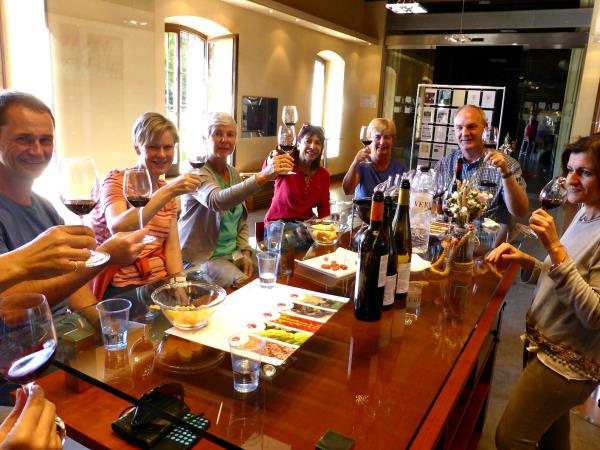
Cooking and walking holiday, Spanish Pyrenees
Gastronomy and beautiful walks in the Spanish Pyrenees.
From
€1995
8 days
ex flights
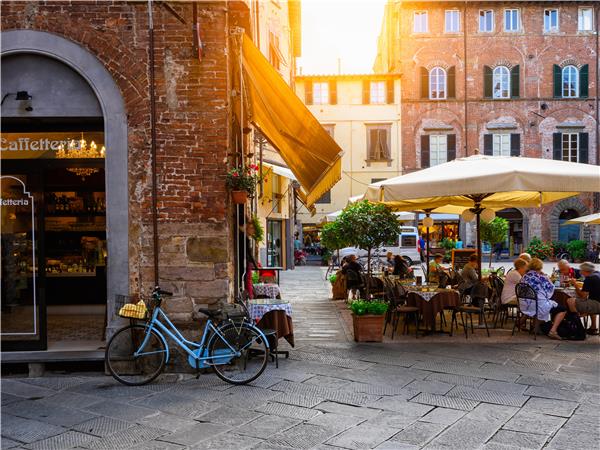
Walking holiday in Tuscany
A variety of daywalks in the beautiful Tuscan countryside
From
£2008 to £2111
8 days
ex flights
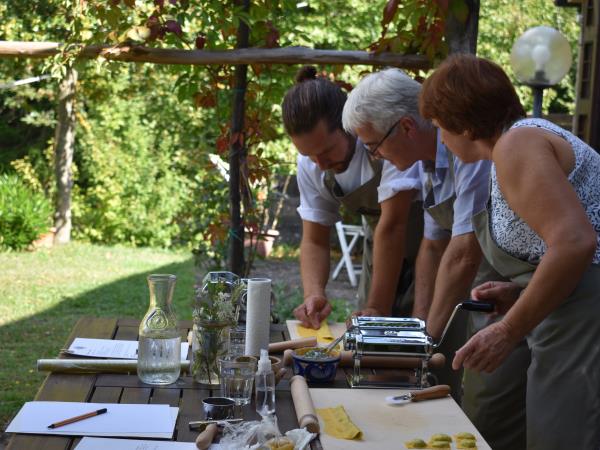
Italian cooking holiday, small group
Immersive local gastronomy & cooking in undiscovered Tuscany
From
£1600
7 days
ex flights
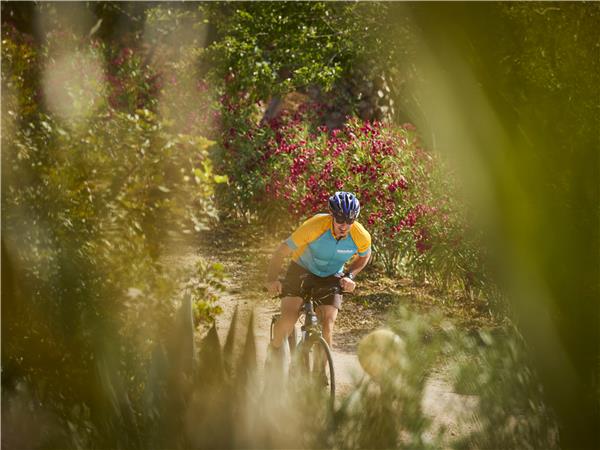
Sicily cycling holiday in Italy
Sicily's UNESCO sites of Siracusa, Noto, Modica and Ragusa
From
£2265 to £2499
8 days
ex flights
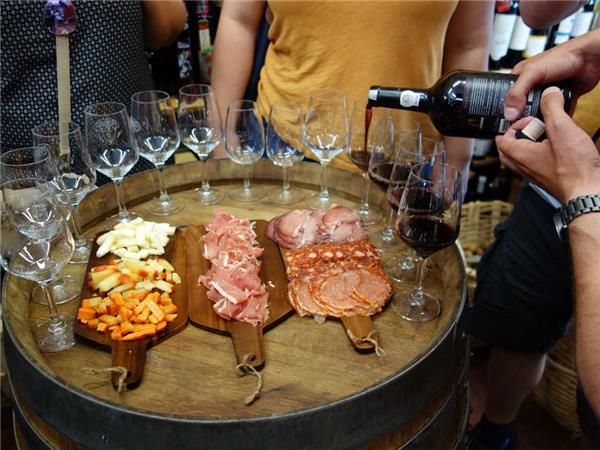
Portugal small group holiday with added comfort
Discover Lisbon, Douro Valley and Porto
From
£2396 to £4075
8 days
ex flights
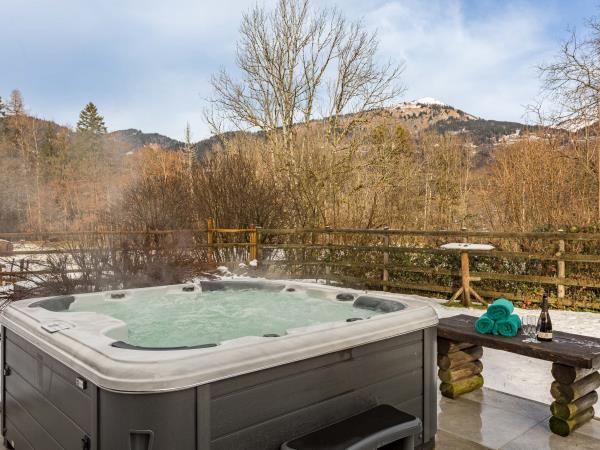
French Alps self guided walking holiday
Catered Chalet Based Walking Holiday in the Giffre Valley
From
£720
8 days
ex flights


Contact Us

Call us for a chat about our holidays. We are happy to discuss your holiday and help in any way we can. No bots, queues or awful hold music.

01273 823 700
Call us until 4pm
Calling from outside the UK


Public bathrooms
Iceland, Switzerland, Finland and Austria are the European countries with the most public bathrooms per capita. Finding somewhere that you can spend a penny without paying for the privilege is not always easy, though. If you don’t want to be caught short, then it’s worth carrying around a few euros in change. Otherwise, using the loo is a good excuse to stop in a local café for a drink or a snack.
Get the best travel insurance you can afford
Every European country has its own health service and though you would always receive a good standard of treatment in an emergency, having quality travel insurance that you can trust is just simple peace of mind. It’s likely that any medical treatment you receive will need to be paid for there and then, so ensure you retain a copy of the bill so that you can file a claim with your insurer on your return. For minor treatments that don’t require a hospital visit, most major cities in Europe have 24-hour pharmacies.
Paying for things
Tap-to-pay machines that work with cards, phones and watches, and chip-and-pin machines, are widely used across Europe. Most countries are now phasing out card swiping machines. It’s useful to carry a small amount of cash around with you too – some 22 European countries have the euro as their currency but others, including the UK, do not. Both Visa and Mastercard are widely accepted across Europe, American Express to a lesser extent. In towns and cities, ATMs are widely available.
Tipping is not obligatory
Many restaurants in Europe will automatically include the service charge in the price, while others will leave the option to you. Around 10 percent is the norm, but it’s not obligatory. If you’re just having coffee, a few small coins left on the table is more than enough. Hotel staff and taxi drivers do not expect tips. On our organised small group tours, it is customary but again not obligatory to tip your driver and guide at the end of the trip.
Public transport is easy and great
Europeans rely far more on public transport to cover long distances than Americans, and many city dwellers choose not to own a car as it’s simply unnecessary. Public transport in most European cities is usually extensive, low cost and high quality, so other than walking it’s unquestionably the best way to get around. For buses, it varies by country, sometimes by city, but generally you can pay by tapping your card or phone every time you get on. Alternatively, you can buy a pre-paid travel card for a day or a week, which usually works out less expensive than paying for each individual journey.
Using public transport in European countries can seem intimidating but signage is usually in English too, and most people are happy to pause and give advice. If you’re not sure – just ask at your hotel.
Only ever take the basics you need when travelling on public transport and leave anything else of value in the hotel safe. Pickpocketing is a problem in all major cities.
Most European cities are very walkable though some, such as Lisbon, are hilly. You can easily hail a taxi, or an Uber, whenever you need it. And remember that many Europeans get around their cities by bike, so try to avoid walking in designated cycle lanes.
Using public transport in European countries can seem intimidating but signage is usually in English too, and most people are happy to pause and give advice. If you’re not sure – just ask at your hotel.
Only ever take the basics you need when travelling on public transport and leave anything else of value in the hotel safe. Pickpocketing is a problem in all major cities.
Most European cities are very walkable though some, such as Lisbon, are hilly. You can easily hail a taxi, or an Uber, whenever you need it. And remember that many Europeans get around their cities by bike, so try to avoid walking in designated cycle lanes.
The UK is no longer in the European Union
The UK left the European Union in 2020 after the ‘Brexit’ vote, which means it takes a little longer to pass border control. It’s best not to bring Brexit up in conversation, because the subject can spark anger, or utter boredom.
Avoiding the crowds
European cities like Barcelona, Rome, Dubrovnik and Paris are justly renowned, but they get very busy. In summer, they get very, very busy. Iconic landmarks like the Eiffel Tower or the Palace of Versailles attract millions of visitors every year and can be quite stressful. Don’t spend all of your European vacation ticking off the big sights. You don’t need to join the throng for a glimpse of the Mona Lisa far off in the distance when there is lots more amazing art in Paris.
To avoid the crowds in Europe, come out of season, between November and April it tends to be significantly quieter. Our European tours are led by expert local guides who know the right times of day to visit popular locations and avoid the worst of the crowds. They also weave places and experiences into the itineraries that most tourists miss, from street food tours of Prague to day trips to the quiet island of Lopud, off Dubrovnik.
To avoid the crowds in Europe, come out of season, between November and April it tends to be significantly quieter. Our European tours are led by expert local guides who know the right times of day to visit popular locations and avoid the worst of the crowds. They also weave places and experiences into the itineraries that most tourists miss, from street food tours of Prague to day trips to the quiet island of Lopud, off Dubrovnik.
Bringing the kids
Europe is fantastic for American families – the culture, the history, the food, the fashions. Every city has a wealth of attractions for families whether you have younger children in tow, or teens. You can also look at a more active break perhaps bookended with a city or two. These tend to be small group trips, where you will be partnered up with several other families, which allows for plenty of sociable mingling. You can also opt for a tailor made tour in Europe which means you can create an itinerary that suits your family’s own specific interests and requirements.
Learn more in our guide to family vacations in Europe
Learn more in our guide to family vacations in Europe
What to expect from eating out
Dining out is one of the big highlights of travelling in Europe. Every country, every region, indeed every city has its own scene, its own specialities. It’s also fascinating when visiting several neighbouring countries, to see how a recipe may have been spread around the continent over centuries, developing myriad tiny variations as it goes.
Café culture is a big thing throughout Europe; indeed, whiling away an hour or two at a pavement café, people-watching, is one of the great pleasures of travelling here. In restaurants, cafés and bars, the servers aren’t working for tips, so while they’ll certainly be friendly, they may not be as attentive as you would expect in the US. And portion sizes tend to be smaller, too, outside of chain restaurants.
Mealtimes vary from country to country, but evening meals tends to get later the further south you go. In Spain and Portugal, for instance, it’s quite common to have dinner at 9pm or later.
Café culture is a big thing throughout Europe; indeed, whiling away an hour or two at a pavement café, people-watching, is one of the great pleasures of travelling here. In restaurants, cafés and bars, the servers aren’t working for tips, so while they’ll certainly be friendly, they may not be as attentive as you would expect in the US. And portion sizes tend to be smaller, too, outside of chain restaurants.
Mealtimes vary from country to country, but evening meals tends to get later the further south you go. In Spain and Portugal, for instance, it’s quite common to have dinner at 9pm or later.
More Europe articles
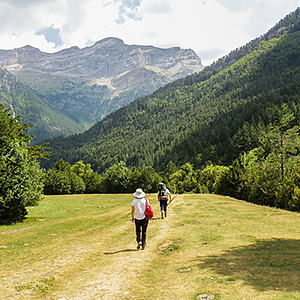
When is the best time to visit Europe? Check out our temperature chart and travel advice.
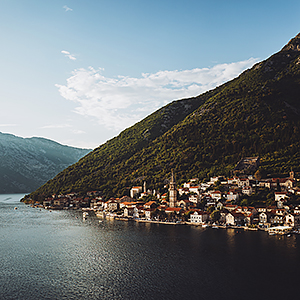
Our guide lifts the lid on what we rate and what we don’t, including information about the food, shopping and people.
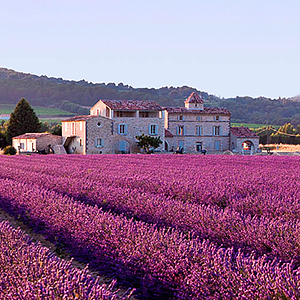
Read our highlights for ideas on where to go in Europe. They'll help you get to grips with distances and travel times.
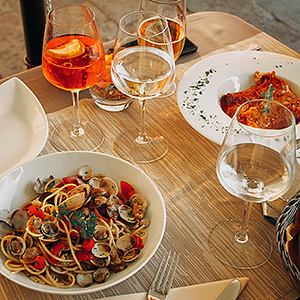
Discover why cooking and food holidays in the Mediterranean are a feast.
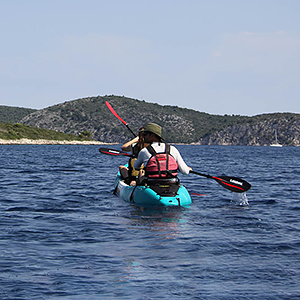
Find out which tours have made our top 10 European adventure breaks.
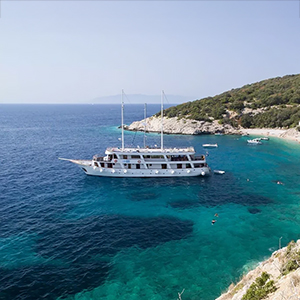
Our pick of the fleet, with a range of destinations and vessels to inspire.


From studios high in the Austrian Alps to sailing boats – take a look at our best retreats.
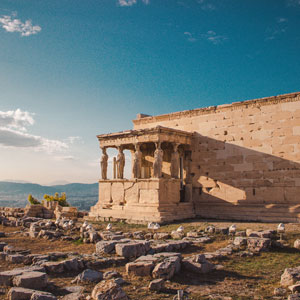
Whether exploring countries or one region, your first visit offers a continent of experiences.
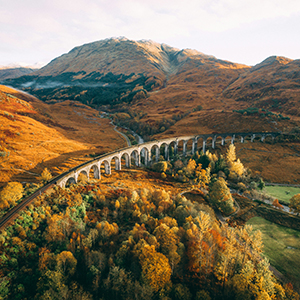
Leaves are turning, wildlife is foraging, and food festivals are in full swing.
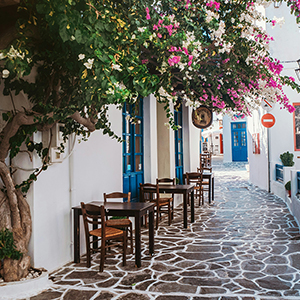
Discover why we recommend Europe in spring, from wildflowers to the weather.
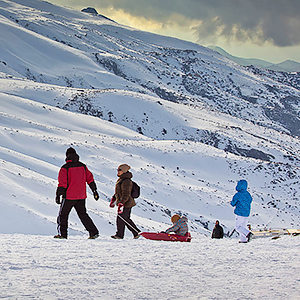
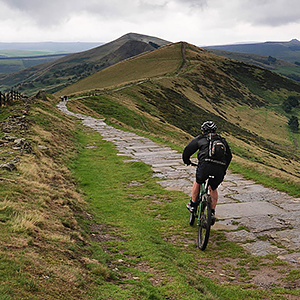
Our top activities in Europe range from activity holidays and wildlife watching to cultural touring and cookery classes.
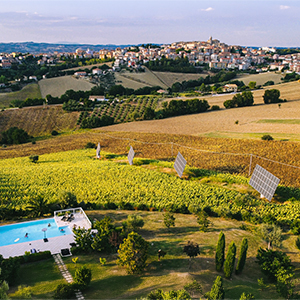
Risks, and some opportunities, from more extreme weather.
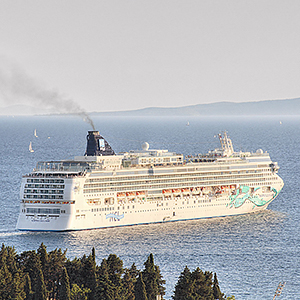
Overdevelopment, cruise ships, pollution and captive cetaceans are all hot topics.
Find all our Europe guides in one place, from Croatia to Finland and everything in-between.